<?xml version="1.0" encoding="UTF-8"?>
<!DOCTYPE ThML PUBLIC 
    "-//CCEL/DTD Theological Markup Language//EN"
    "http://www.ccel.org/dtd/ThML10.dtd">
    
<!-- Copyright Christian Classics Ethereal Library -->
<ThML>
<ThML.head>
<title>Christian Singers of Germany</title>
<generalInfo>
<description>A "charming biographical work" featuring more translations
   of German poetry and hymnody: "admirable art applied to
   the management of complex and difficult versification."
   [Julian, Dictionary of Hymnology]</description>
<firstPublished>1869</firstPublished>
<pubHistory />
</generalInfo>

<printSourceInfo>
   <published>London: R. Clay, sons, and Taylor, n.d. (handwritten gift dedication, 1884)</published>
</printSourceInfo>

<electronicEdInfo>
   <publisherID>ccel</publisherID>
   <authorID>winkworth</authorID>
   <bookID>singers</bookID>
   <workID>singers</workID>
   <bkgID>christian_singers_of_germany_(winkworth)</bkgID>
   <version>0.9</version>
   <series />
   <editorialComments>
      <p>Orthography was edited to facilitate automated use:</p>
      <ul>
         <li>ThML markup (assuming HTML semantics of whitespace)</li>
         <li>Added numeric meter notation ("8,8,8,8,8,8", etc.)</li>
         <li>Added first names for some authors</li>
         <li>Markup to support additional index (author, first line, meter)</li>
         <li>Added hyperlinks to hymns in "Lyra Germanica"</li>
         <li>Hyperlinked explicit references to Wesley's translations in
             "Collection of Hymns", and added footnotes to those not
             explicitly mentioned.</li>
         <li>Added subsection headings (mostly from flying page headings).
             Occasionally this entailed breaking a paragraph, or replicating
             [with brackets] asentence from another subsection.
             to make a subsection stand on its own as a web page.)</li>
         <li>Added information from elsewhere in the book to each hymn so
             that it could stand alone on a web page: German first lines of
             hymns (distributed from the table of contents), explicit
             author and translator identity.</li>
      </ul>
   </editorialComments>
   <revisionHistory>
   <table border="1">
      <tr><td>v0.9</td><td>Initial edition</td></tr>
      <tr><td>v1.0</td><td>Improved hyperlinks incorporating WWEC entries;
                           author indexes integrated with <i>Lyra Germanica,
                           second series</i>.</td></tr>

   </table>
   </revisionHistory>
   <status>
      <p>Profitable future work may include:</p>
      <ul>
      <li>Additional hyperlinks.</li>
      <li>Automatically generated author and English/German first line indexes</li>
      </ul>
   </status>
   <DC>
      <DC.Title>Christian Singers of Germany</DC.Title>
      <DC.Title sub="short">German Christian Singers</DC.Title>
      <DC.Creator sub="Author" scheme="short-form">Catherine Winkworth</DC.Creator>
      <DC.Creator sub="Author" scheme="file-as">Winkworth, Catherine</DC.Creator>
      <DC.Creator scheme="CCEL">winkworth</DC.Creator>
      <DC.Subject scheme="CCEL">All; Hymns</DC.Subject>
      <DC.Subject scheme="LCCN">BV480.W5</DC.Subject>
      <DC.Subject scheme="lcsh1">Practical theology</DC.Subject>
    <DC.Subject scheme="lcsh2">Worship (Public and Private) Including the church year, Christian symbols, liturgy, prayer, hymnology</DC.Subject>
    <DC.Subject scheme="lcsh3">Hymnology</DC.Subject>
    <DC.Subject scheme="lcsh4">Hymns in languages other than English</DC.Subject>
    <DC.Subject scheme="DDC">264.</DC.Subject>
      <DC.Description>Biographical and historical sketch of German religious poetry and hymnody.</DC.Description>
      <DC.Publisher>Grand Rapids, MI: Christian Classics Ethereal Library</DC.Publisher>
      <DC.Publisher scheme="CCEL">CCEL</DC.Publisher>
      <DC.Contributor sub="Transcriber">Stephen Hutcheson</DC.Contributor>
      <DC.Contributor sub="Formatter">Stephen Hutcheson</DC.Contributor>
      <DC.Source sub="Print">London: R. Clay, sons, and Taylor, n.d. (handwritten gift dedication, 1884)</DC.Source>
      <DC.Date sub="Created" scheme="ISO8601">2001-11</DC.Date>
      <DC.Type>Text.Hymns</DC.Type>
      <DC.Format scheme="IMT">text/xml</DC.Format>
      <DC.Format>Theological Markup Language</DC.Format>
      <DC.Identifier scheme="URL">/ccel/winkworth/singers.html</DC.Identifier>
      <DC.Identifier scheme="hymnalID">CSG</DC.Identifier>
      <DC.Language scheme="ISO639-3">eng</DC.Language>
      <DC.Relation />
      <DC.Coverage />
      <DC.Rights>Public Domain</DC.Rights>
   </DC>

</electronicEdInfo>


<style type="text/css">
img	{ text-align:center }
p.scripref	{ text-align:right; font-family:italic }
p.srcttl	{ font-style:italic; font-weight:bold }
l.t	{ text-indent:1em; :margin-top; margin-bottom:0 }
p.t	{ text-indent:1em; :margin-top; margin-bottom:0 }
l.t2	{ text-indent:2em; :margin-top; margin-bottom:0 }
p.t2	{ text-indent:2em; :margin-top; margin-bottom:0 }
l.t3	{ text-indent:3em; :margin-top; margin-bottom:0 }
p.t3	{ text-indent:3em; :margin-top; margin-bottom:0 }
l.t4	{ text-indent:4em; :margin-top; margin-bottom:0 }
p.t4	{ text-indent:4em; :margin-top; margin-bottom:0 }
l.t5	{ text-indent:5em; :margin-top; margin-bottom:0 }
p.t5	{ text-indent:5em; :margin-top; margin-bottom:0 }
h1	{ text-align:center }
h2	{ text-align:center }
h3	{ text-align:center }
</style>

<style type="text/xcss">
<selector element="img">
  <property name="text-align" value="center" />
</selector>
<selector element="p" class="scripref">
  <property name="text-align" value="right" />
  <property name="font-family" value="italic" />
</selector>
<selector element="p" class="srcttl">
  <property name="font-style" value="italic" />
  <property name="font-weight" value="bold" />
</selector>
<selector element="l" class="t">
  <property name="text-indent" value="1em" />
  <property name="" value="margin-top" />
  <property name="margin-bottom" value="0" />
</selector>
<selector element="p" class="t">
  <property name="text-indent" value="1em" />
  <property name="" value="margin-top" />
  <property name="margin-bottom" value="0" />
</selector>
<selector element="l" class="t2">
  <property name="text-indent" value="2em" />
  <property name="" value="margin-top" />
  <property name="margin-bottom" value="0" />
</selector>
<selector element="p" class="t2">
  <property name="text-indent" value="2em" />
  <property name="" value="margin-top" />
  <property name="margin-bottom" value="0" />
</selector>
<selector element="l" class="t3">
  <property name="text-indent" value="3em" />
  <property name="" value="margin-top" />
  <property name="margin-bottom" value="0" />
</selector>
<selector element="p" class="t3">
  <property name="text-indent" value="3em" />
  <property name="" value="margin-top" />
  <property name="margin-bottom" value="0" />
</selector>
<selector element="l" class="t4">
  <property name="text-indent" value="4em" />
  <property name="" value="margin-top" />
  <property name="margin-bottom" value="0" />
</selector>
<selector element="p" class="t4">
  <property name="text-indent" value="4em" />
  <property name="" value="margin-top" />
  <property name="margin-bottom" value="0" />
</selector>
<selector element="l" class="t5">
  <property name="text-indent" value="5em" />
  <property name="" value="margin-top" />
  <property name="margin-bottom" value="0" />
</selector>
<selector element="p" class="t5">
  <property name="text-indent" value="5em" />
  <property name="" value="margin-top" />
  <property name="margin-bottom" value="0" />
</selector>
<selector element="h1">
  <property name="text-align" value="center" />
</selector>
<selector element="h2">
  <property name="text-align" value="center" />
</selector>
<selector element="h3">
  <property name="text-align" value="center" />
</selector>
</style>


</ThML.head>

<ThML.body>

<div1 class="titlepage" title="Title Page" progress="0.73%" prev="toc" next="preface" id="titlepag">
<pb n="i" id="titlepag-Page_i" />
<table width="100%" border="0" id="titlepag-p0.1"><tr id="titlepag-p0.2"><td align="center" id="titlepag-p0.3">
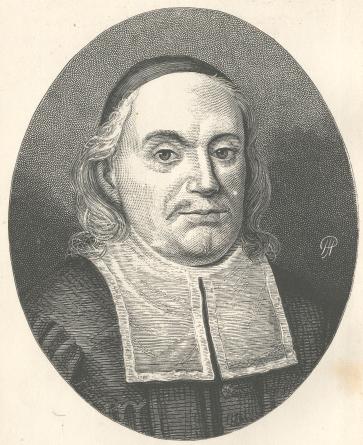
<img src="/ccel/winkworth/singers/files/gerhardt.jpg" alt="Portrait of Paul Gerhardt" width="363" height="445" id="titlepag-p0.4" />
<p class="Center" id="titlepag-p1"><small id="titlepag-p1.1"><i>Paul Gerhardt</i> -- P. 202</small></p>
</td></tr></table>

<pb n="ii" id="titlepag-Page_ii" />
<h1 id="titlepag-p1.2"><span style="color:red" id="titlepag-p1.3">C</span><span style="font-size:80%" id="titlepag-p1.4">HRISTIAN</span>
<span style="color:red" id="titlepag-p1.5">S</span><span style="font-size:80%" id="titlepag-p1.6">INGERS</span><br />
<span style="font-size:50%" id="titlepag-p1.8">OF</span><br />
<span style="color:red" id="titlepag-p1.10">G</span><span style="font-size:80%" id="titlepag-p1.11">ERMANY</span>
<br /><span style="font-size:50%" id="titlepag-p1.13">BY<br />CATHERINE WINKWORTH</span></h1>
<table width="100%" border="0" id="titlepag-p1.15"><tr id="titlepag-p1.16"><td align="center" id="titlepag-p1.17">
<img src="/ccel/winkworth/singers/files/sachs_ha.jpg" alt="Portrait of Hans Sachs" width="209" height="225" id="titlepag-p1.18" />
</td></tr></table>
<p class="Center" id="titlepag-p2"><span style="color:red" id="titlepag-p2.1">M</span><small id="titlepag-p2.2">ACMILLAN</small>
<span style="color:red" id="titlepag-p2.3">&amp;</span>
<span style="color:red" id="titlepag-p2.4">C</span><small id="titlepag-p2.5">O</small>
<br /><span style="color:red" id="titlepag-p2.7">P</span><small id="titlepag-p2.8">UBLISHERS</small></p>

<added id="titlepag-p2.9"><p class="Center" id="titlepag-p3"><i><b>Electronic Edition</b>
<br /><small id="titlepag-p3.2">featuring</small></i>
<br /><a href="/ccel/winkworth/hyndwink.html" id="titlepag-p3.4"><b>Comprehensive Indexes</b></a></p></added>

</div1>

<div1 class="preface" title="Preface" progress="0.76%" prev="titlepag" next="contents" id="preface">
<pb n="iii" id="preface-Page_iii" />
<h2 id="preface-p0.1">PREFACE.</h2>

<p id="preface-p1">The hymns of Germany are so steadily becoming
naturalized in England that English readers may be
glad to know something of the men who wrote them,
and the times in which they had their origin. Scarcely
one of the numerous hymn-books which have been
compiled here within the last fifteen years is without
its proportion--sometimes a considerable proportion--of
German hymns. This is, in fact, one of the many
ways in which the literature of each nation now tends
to become, through the medium of translations, the
common property of both. But hymns form only
a part, though an important part, of the religious
poetry of Germany, which itself constitutes but one
sharply defined branch of the general literature of the
country. Yet it is impossible to trace the course
historically of even this one channel of national expression, 
without being brought into contact with
those great movements which have stirred the life of
the people, and finding the passing fashions of each
successive age, in thought or phraseology, reflected
from its surface. Such a work as the present cannot
attempt more than an outline of a subject which is
thus linked on the one side to the general history and
<pb n="iv" id="preface-Page_iv" />
literature of Germany, while on the other it has a
separate history of its own, full of minute and almost
technical details. Only the principal schools and
authors are described, and specimens are selected from
their works; but other writers of secondary rank are
mentioned, to enable readers who may be inclined to
do so, to fill up the picture of any particular school or
period more completely for themselves. The choice
of the specimens has been determined partly by their
intrinsic merits, partly by their novelty to the English
public; hence nearly all the great classical hymns are
named as illustrating the spirit of certain times, but
they are not given in full, because they have been
previously translated, and are in many instances
familiar to us already. A very few, which it was impossible 
to pass over, form the only exceptions to this rule.</p>

<p id="preface-p2">In reading the poems scattered through the following 
pages, it must be remembered that they suffer
under the disadvantage of being all translations and
from one hand, which inevitably robs them of somewhat 
of that variety of diction which marks, in the
original, the date of the composition or the individuality 
of the author. Still, as far as possible, their
characteristic differences have been carefully imitated,
and the general style and metre of the poem retained.
Verses have been occasionally omitted for the sake of
brevity, and once or twice a Trochaic metre has been
altered into an Iambic, where the change did not
seriously affect the shape of the poem, whilst it
enabled the English version to reproduce certain
<pb n="v" id="preface-Page_v" />
striking expressions in the German. Single rhymes
have been throughout substituted for double ones, cxcept 
where the latter constitute an essential element of
the metre; this modification necessitates the addition
or the omission of a syllable in the line, but makes it
possible to give a more faithful and spirited rendering
than can be managed within the very limited range of
English dissyllabic rhymes. The frequent recurrence
of particular phrases and rhymes is not accidental,
but is a peculiarity of all German popular poetry from
the Niebelungen Lied downwards. Besides the specimens 
given in this volume, many of which are rather
poems than hymns, between three and four hundred
German hymns in English dress may now be found
in various collections of translations. Of these the
chief are "Hymns from the Land of Luther;"
"Sacred Hymns from the German" by Miss Cox;
the "Spiritual Songs of Luther" and "Lyra Domestica"
of Mr. Massie; "Hymns for the Church
of England" by Arthur Tozer Russell; the
"<a href="/ccel/winkworth/lyra.html" id="preface-p2.1">Lyra Germanica</a>"
<added id="preface-p2.2">[and the
"<a href="/ccel/winkworth/life.html" id="preface-p2.3">Second Series</a>"]</added>
and the
"<a href="/ccel/winkworth/chorales/" id="preface-p2.4">Chorale Book for England</a>."
Nearly all the German hymns in our ordinary hymnbooks 
are drawn from some one of these sources or
from John Wesley. Where only the first English
line is mentioned in this work, the complete hymn
may generally be met with in the
"<a href="/ccel/winkworth/lyra.html" id="preface-p2.5">Lyra Germanica</a>,"
or is one of
<a href="/ccel/bett/methhymns.A1.html" id="preface-p2.6">Wesley's</a> well-known
versions.<added id="preface-p2.7"><note n="1" id="preface-p2.8">[The electronic edition includes hyperlinks
in such cases.]</note></added></p>

<p id="preface-p3">It seems out of place in a work like this to give
a list of authorities, which would necessarily be long.
German hymns, like our own, have undergone many
revisions, and are to be met with in very varying
<pb n="vi" id="preface-Page_vi" />
forms; of course these specimens have been taken
from what appeared to me the most trustworthy
sources at my command. But I may be allowed to
express my obligations to the following important
works:--Wackernagel's great work, "<i>das Deutsche
Kirchenlied</i>," both in the edition of 1842 and the one
now in progress; his lives and editions of Heermann
and Gerhardt, and his brother's "<i>Altdeutsches Lesebuch</i>;"
the "<i>Geschichte des Kirchenliedes und Kirchengesanges</i>," 
by Dean Koch of Wurtemberg, to which
I owe many details of the biographies of the chief
hymn writers; the "<i>Geistliche Volkslieder</i>" of Hommel; 
Von Hagenbach's "<i>Kirchengeschichte</i>," Gervinus' 
"<i>Geschichte der deutschen Dichtung</i>;" and
Gustav Freitag's charming series of sketches of
German life, "<i>Bilder aus der deutschen Vergangenheit</i>."</p>

<p id="preface-p4">C<small id="preface-p4.1">LIFTON</small>, <i>April</i> 1869.</p>
</div1>

<div1 class="contents" title="Table of Contents" progress="1.83%" prev="preface" next="pictures" id="contents">
<pb n="vii" id="contents-Page_vii" />
<table id="contents-p0.1">
<thead id="contents-p0.2"><tr id="contents-p0.3"><th colspan="2" id="contents-p0.4">CONTENTS.</th></tr>
<tr id="contents-p0.5"><th id="contents-p0.6"><small id="contents-p0.7"> </small></th><th id="contents-p0.8"><small id="contents-p0.9">PAGE</small></th></tr></thead>
<tbody id="contents-p0.10">

<tr id="contents-p0.11"><td id="contents-p0.12">Of all the joys that are on earth<br />  
<i>Vor allen Freuden auf Erden</i>--L<small id="contents-p0.14">UTHER</small>.</td>
<td id="contents-p0.15">1</td></tr>

<tr id="contents-p0.16"><th colspan="2" id="contents-p0.17">CHAPTER I.</th></tr>

<tr id="contents-p0.18"><th id="contents-p0.19">T<small id="contents-p0.20">HE</small> E<small id="contents-p0.21">ARLY</small> D<small id="contents-p0.22">AWN OF</small>
G<small id="contents-p0.23">ERMAN</small> S<small id="contents-p0.24">ACRED</small> P<small id="contents-p0.25">OETRY AND</small>
S<small id="contents-p0.26">ONG</small>.
<small id="contents-p0.27">A.D.</small> 800-900</th>
<td id="contents-p0.28">3</td></tr>

<tr id="contents-p0.29"><td id="contents-p0.30">Now warneth us the Wise Men's fare<br />  
<i>Manot unsih thisu fart</i>--O<small id="contents-p0.32">TFRIED</small>.</td>
<td id="contents-p0.33">17</td></tr>

<tr id="contents-p0.34"><th colspan="2" id="contents-p0.35">CHAPTER II.</th></tr>

<tr id="contents-p0.36"><th id="contents-p0.37"><small id="contents-p0.38">A</small> L<small id="contents-p0.39">ONG</small> T<small id="contents-p0.40">WILIGHT</small>.
<small id="contents-p0.41">A.D.</small> 900-1100</th>
<td id="contents-p0.42">21</td></tr>

<tr id="contents-p0.43"><td id="contents-p0.44">Our dear Lord of grace hath given<br />  
<i>Unsar trohtîn hât farsalt</i>--IX. Century.</td>
<td id="contents-p0.46">28</td></tr>

<tr id="contents-p0.47"><td id="contents-p0.48">Thou heavenly Lord of Light<br />  
<i>Du Himilisco trohtîn</i>--X. Century.</td>
<td id="contents-p0.50">29</td></tr>

<tr id="contents-p0.51"><td id="contents-p0.52">God, it is Thy property<br />  
<i>Got thir eigenhaf ist</i>--IX. Century.</td>
<td id="contents-p0.54">29</td></tr>

<tr id="contents-p0.55"><th colspan="2" id="contents-p0.56">CHAPTER III.</th></tr>

<tr id="contents-p0.57"><th id="contents-p0.58">T<small id="contents-p0.59">HE</small> M<small id="contents-p0.60">ORNING</small>. <small id="contents-p0.61">A.D.</small>
1100-1250</th>
<td id="contents-p0.62">30</td></tr>

<tr id="contents-p0.63"><td id="contents-p0.64">Christ the Lord is risen<br />  
<i>Christus ist erstanden</i>--A<small id="contents-p0.66">NON</small>.</td>
<td id="contents-p0.67">37</td></tr>

<tr id="contents-p0.68"><td id="contents-p0.69">Now let us pray the Holy Ghost<br />  
<i>Nu biten wir den heiligen geist</i>--A<small id="contents-p0.71">NON</small>.</td>
<td id="contents-p0.72">38</td></tr>

<tr id="contents-p0.73"><td id="contents-p0.74">All growth of the forest<br />  
<i>Wurze des waldes</i>--S<small id="contents-p0.76">PERVOGEL</small>.</td>
<td id="contents-p0.77">38</td></tr>

<tr id="contents-p0.78"><td id="contents-p0.79">He is full of power and might<br />  
<i>Er ist gewaltic unde Starc</i>--S<small id="contents-p0.81">PERVOGEL</small>.</td>
<td id="contents-p0.82">39</td></tr>

<tr id="contents-p0.83"><td id="contents-p0.84"><pb n="viii" id="contents-Page_viii" />O Rose, of the flowers I ween thou art fairest<br />  
<i>Diu rose ist die schoeneste under alle</i>--<small id="contents-p0.86">DER</small> M<small id="contents-p0.87">EISSENAERE</small>.</td>
<td id="contents-p0.88">41</td></tr>

<tr id="contents-p0.89"><td id="contents-p0.90">My joy was ne'er unmixed with care<br />  
<i>Min fröede wart nie sorgelos</i>--H<small id="contents-p0.92">ARTMANN</small> <small id="contents-p0.93">VON</small> <small id="contents-p0.94">DER</small> A<small id="contents-p0.95">UE</small>.</td>
<td id="contents-p0.96">42</td></tr>

<tr id="contents-p0.97"><td id="contents-p0.98">Now in the name of God we go<br />  
<i>In Gotes namen faren wir</i>--A<small id="contents-p0.100">NON</small>.</td>
<td id="contents-p0.101">43</td></tr>

<tr id="contents-p0.102"><td id="contents-p0.103">E'er since this day the cross was mine<br />  
<i>Des tages do ich daz kriuze nam</i>--R<small id="contents-p0.105">EINMAR VON</small> H<small id="contents-p0.106">AGENAU</small>.</td>
<td id="contents-p0.107">44</td></tr>

<tr id="contents-p0.108"><td id="contents-p0.109">Alas! for my sorrow<br />  
<i>O wê des smerzen</i>--A<small id="contents-p0.111">NON</small>.</td>
<td id="contents-p0.112">45</td></tr>

<tr id="contents-p0.113"><td id="contents-p0.114">When the flowers out of the grass are springing<br />  
<i>So die bluomen uz dem grase dringent</i>--W<small id="contents-p0.116">ALTER</small> <small id="contents-p0.117">VON DER</small> V<small id="contents-p0.118">OGELWEIDE</small>.</td>
<td id="contents-p0.119">46</td></tr>

<tr id="contents-p0.120"><td id="contents-p0.121">Would ye see the lovely wonder<br />  
<i>Muget in schowen waz dem meien</i>--W. V. D. V<small id="contents-p0.123">OGELWEIDE</small>.</td>
<td id="contents-p0.124">47</td></tr>

<tr id="contents-p0.125"><td id="contents-p0.126">Ye should raise the cry of welcome<br />  
<i>Ir sult sprechen willekomen</i>--W. V. D. V<small id="contents-p0.128">OGELWEIDE</small>.</td>
<td id="contents-p0.129">48</td></tr>

<tr id="contents-p0.130"><td id="contents-p0.131">In safety may I rise to-day<br />  
<i>Mit saelden müeze ich hiute ûf steh</i>--W. V. D. V<small id="contents-p0.133">OGELWEIDE</small>.</td>
<td id="contents-p0.134">50</td></tr>

<tr id="contents-p0.135"><td id="contents-p0.136">Lord God, if one without due fear<br />  
<i>Swer âne vorhte, herre Got</i>--W. V. D. V<small id="contents-p0.138">OGELWEIDE</small>.</td>
<td id="contents-p0.139">50</td></tr>

<tr id="contents-p0.140"><td id="contents-p0.141">How seldom praise I Thee, to whom all lauds belong<br />  
<i>Vil wol gelobter Got wie selten ich dich prîse</i>--W. V. D. V<small id="contents-p0.143">OGELWEIDE</small>.</td>
<td id="contents-p0.144">51</td></tr>

<tr id="contents-p0.145"><td id="contents-p0.146">Now at last is life worth living<br />  
<i>Nu alrest leb ich mir werde.</i>--W. V. D. V<small id="contents-p0.148">OGELWEIDE</small>.</td>
<td id="contents-p0.149">51</td></tr>

<tr id="contents-p0.150"><td id="contents-p0.151">Sir Percival. Eight extracts<br />  
<i>Parzival</i>, W<small id="contents-p0.153">OLFRAM VON</small> E<small id="contents-p0.154">SCHENBACH</small>--(übersetzt von San Marte.)</td>
<td id="contents-p0.155">60</td></tr>

<tr id="contents-p0.156"><th colspan="2" id="contents-p0.157">CHAPTER IV.</th></tr>

<tr id="contents-p0.158"><th id="contents-p0.159">D<small id="contents-p0.160">ARK</small> T<small id="contents-p0.161">IMES</small> <small id="contents-p0.162">AND</small>
B<small id="contents-p0.163">RIGHT</small> T<small id="contents-p0.164">IMES</small>. <small id="contents-p0.165">A.D.</small> 1253-1500</th>
<td id="contents-p0.166">69</td></tr>

<tr id="contents-p0.167"><td id="contents-p0.168">From outward creatures I must flee<br />  
<i>Ich müz die creaturen fliehen</i>--T<small id="contents-p0.170">AULER</small>.</td>
<td id="contents-p0.171">74</td></tr>

<tr id="contents-p0.172"><td id="contents-p0.173">O Jesu Christ, most good, most fair<br />  
<i>O Jesu Christ, ein lieblichz gut</i>--T<small id="contents-p0.175">AULER</small>.</td>
<td id="contents-p0.176">75</td></tr>

<tr id="contents-p0.177"><td id="contents-p0.178">My joy is wholly banished<br />  
<i>Min vreude ist gar zergangen</i>--F<small id="contents-p0.180">RAUENLOB</small>.</td>
<td id="contents-p0.181">78</td></tr>

<tr id="contents-p0.182"><td id="contents-p0.183">Now will I nevermore despair of heaven<br />  
<i>Nu wil ich nimmer mer verzwifeln</i>--F<small id="contents-p0.185">RAUENLOB</small>.</td>
<td id="contents-p0.186">80</td></tr>

<tr id="contents-p0.187"><td id="contents-p0.188">A ship comes sailing onwards<br />  
<i>Es komt ein schif geladen</i>--T<small id="contents-p0.190">AULER</small>.</td>
<td id="contents-p0.191">84</td></tr>

<tr id="contents-p0.192"><td id="contents-p0.193">A spotless Rose is blowing<br />  
<i>Es ist ein Ros entsprungen</i>--A<small id="contents-p0.195">NON</small>.</td>
<td id="contents-p0.196">85</td></tr>

<tr id="contents-p0.197"><td id="contents-p0.198">There went three damsels ere break of day<br />  
<i>Es giengen drî frewlîn also frü</i>--A<small id="contents-p0.200">NON</small>.</td>
<td id="contents-p0.201">85</td></tr>

<tr id="contents-p0.202"><td id="contents-p0.203"><pb n="ix" id="contents-Page_ix" />Rejoice, dear Christendom, to-day<br />  
<i>Nu frew dich liebe Christenheit</i>--A<small id="contents-p0.205">NON</small>.</td>
<td id="contents-p0.206">87</td></tr>

<tr id="contents-p0.207"><td id="contents-p0.208">So holy is this day of days<br />  
<i>Also heilig ist der Tag</i>--A<small id="contents-p0.210">NON</small>.</td>
<td id="contents-p0.211">89</td></tr>

<tr id="contents-p0.212"><td id="contents-p0.213">Fair Spring, thou dearest season of the year<br />  
<i>Du lenze gut, des jares teureste quarte</i>--C<small id="contents-p0.215">ONRAD VON</small> Q<small id="contents-p0.216">UEINFURT</small>.</td>
<td id="contents-p0.217">88</td></tr>

<tr id="contents-p0.218"><td id="contents-p0.219">O world, I must forsake thee<br />  
<i>O Welt, ich muz dich lassen</i>--A<small id="contents-p0.221">NON</small>.</td>
<td id="contents-p0.222">91</td></tr>

<tr id="contents-p0.223"><td id="contents-p0.224">I would I were at last at home<br />  
<i>Ich wolt daz ich daheime wer</i>--L<small id="contents-p0.226">OUFENBURG</small>.</td>
<td id="contents-p0.227">92</td></tr>

<tr id="contents-p0.228"><td id="contents-p0.229">Ah! Jesu Christ, my Lord most dear<br />  
<i>Ach, lieber herre Jesu Christ</i>--L<small id="contents-p0.231">OUFENBURG</small>.</td>
<td id="contents-p0.232">93</td></tr>

<tr id="contents-p0.233"><td id="contents-p0.234">In dulci Jubilo, sing and shout, all below<br />  
<i>In dulci Jubilo, singet und seid froh</i>--A<small id="contents-p0.236">NON</small>.</td>
<td id="contents-p0.237">94</td></tr>

<tr id="contents-p0.238"><th colspan="2" id="contents-p0.239">CHAPTER V.</th></tr>

<tr id="contents-p0.240"><th id="contents-p0.241">L<small id="contents-p0.242">UTHER AND HIS</small> F<small id="contents-p0.243">RIENDS</small>. <small id="contents-p0.244">A.D.</small> 1500-1580</th>
<td id="contents-p0.245">98</td></tr>

<tr id="contents-p0.246"><td id="contents-p0.247">I've ventured it of purpose free<br />  
<i>Ich hab's gewagt mit Sinnen</i>--U<small id="contents-p0.249">LRICH VON</small> H<small id="contents-p0.250">UTTEN</small>.</td>
<td id="contents-p0.251">99</td></tr>

<tr id="contents-p0.252"><td id="contents-p0.253">A sure stronghold our God is He<br />  
<i>Ein feste Burg ist unser Gott</i>--L<small id="contents-p0.255">UTHER</small>.</td>
<td id="contents-p0.256">110</td></tr>

<tr id="contents-p0.257"><td id="contents-p0.258">Dear Christian people, now rejoice<br />  
<i>Nun freut euch liebes Christen gemein</i>--L<small id="contents-p0.260">UTHER</small>.</td>
<td id="contents-p0.261">112</td></tr>

<tr id="contents-p0.262"><td id="contents-p0.263">In peace and joy I now depart<br />  
<i>Mit Fried und Freud ich fahr dahin</i>--L<small id="contents-p0.265">UTHER</small>.</td>
<td id="contents-p0.266">114</td></tr>

<tr id="contents-p0.267"><td id="contents-p0.268">If God were not upon our side<br />  
<i>Wo Gott der Herr nicht zu uns hält</i>--J<small id="contents-p0.270">USTUS</small> J<small id="contents-p0.271">ONAS</small>.</td>
<td id="contents-p0.272">117</td></tr>

<tr id="contents-p0.273"><td id="contents-p0.274">I fall asleep in Jesu's arms<br />  
<i>In Jesu Wunden schlaf ich ein</i>--P<small id="contents-p0.276">AUL</small> E<small id="contents-p0.277">BER</small>.</td>
<td id="contents-p0.278">121</td></tr>

<tr id="contents-p0.279"><th colspan="2" id="contents-p0.280">CHAPTER VI.</th></tr>

<tr id="contents-p0.281"><th id="contents-p0.282">H<small id="contents-p0.283">YMNS OF THE</small> R<small id="contents-p0.284">EFORMATION</small>. <small id="contents-p0.285">A.D.</small> 1520-1600</th>
<td id="contents-p0.286">122</td></tr>

<tr id="contents-p0.287"><td id="contents-p0.288">Salvation hath come down to us<br />  
<i>Es ist das Heil uns kommen her</i>--S<small id="contents-p0.290">PERATUS</small>.</td>
<td id="contents-p0.291">123</td></tr>

<tr id="contents-p0.292"><td id="contents-p0.293">What pleaseth God, that pleaseth me<br />  
<i>Wie's Gott gefällt, gefällt's mir auch</i>--B<small id="contents-p0.295">LAURER</small>.</td>
<td id="contents-p0.296">124</td></tr>

<tr id="contents-p0.297"><td id="contents-p0.298">Grant me, Eternal God, such grace<br />  
<i>Genad' mir Herr, Ewiger Gott</i>--M<small id="contents-p0.300">ARGRAVE OF</small> B<small id="contents-p0.301">RANDENBURG</small>.</td>
<td id="contents-p0.302">125</td></tr>

<tr id="contents-p0.303"><td id="contents-p0.304">Awake, my heart's delight, awake<br />  
<i>Wach' auf meines Herzens Schöne</i>--H<small id="contents-p0.306">ANS</small> S<small id="contents-p0.307">ACHS</small>.</td>
<td id="contents-p0.308">131</td></tr>

<tr id="contents-p0.309"><td id="contents-p0.310">O Christ, true Son of God Most High<br />  
<i>Christe, wahrer Sohn Gottes frohn</i>--H<small id="contents-p0.312">ANS</small> S<small id="contents-p0.313">ACHS</small>.</td>
<td id="contents-p0.314">134</td></tr>

<tr id="contents-p0.315"><td id="contents-p0.316"><pb n="x" id="contents-Page_x" />Praise, glory, thanks be ever paid<br />  
<i>Lob und Ehr mit stettem Danckopfer</i>--B<small id="contents-p0.318">OHEMIAN</small> B<small id="contents-p0.319">RETHREN</small>.</td>
<td id="contents-p0.320">137</td></tr>

<tr id="contents-p0.321"><td id="contents-p0.322">Lord, to Thy chosen ones appear<br />  
<i>Erscheine allen auserwählten</i>--B<small id="contents-p0.324">OHEMIAN</small> B<small id="contents-p0.325">RETHREN</small>.</td>
<td id="contents-p0.326">139</td></tr>

<tr id="contents-p0.327"><td id="contents-p0.328">Now God be with us, for the night is closing<br />  
<i>Die Nacht ist kommen drinn wir ruhen sollen</i>--B<small id="contents-p0.330">OHEMIAN</small> B<small id="contents-p0.331">RETHREN</small>.</td>
<td id="contents-p0.332">139</td></tr>

<tr id="contents-p0.333"><td id="contents-p0.334">When my last hour is close at hand<br />  
<i>Wenn mein Stündlein vorhanden ist</i>--N<small id="contents-p0.336">ICOLAS</small> H<small id="contents-p0.337">ERMANN</small>.</td>
<td id="contents-p0.338">143</td></tr>

<tr id="contents-p0.339"><td id="contents-p0.340">O Father, Son, and Holy Ghost<br />  
<i>O Vater, Sohn, und Heil'ger Geist</i>--M<small id="contents-p0.342">ATTHESIUS</small>.</td>
<td id="contents-p0.343">144</td></tr>

<tr id="contents-p0.344"><th colspan="2" id="contents-p0.345">CHAPTER VII.</th></tr>

<tr id="contents-p0.346"><th id="contents-p0.347">A<small id="contents-p0.348">N</small> I<small id="contents-p0.349">NTERVAL</small>. <small id="contents-p0.350">A.D.</small> 1560-1616</th>
<td id="contents-p0.351">146</td></tr>

<tr id="contents-p0.352"><td id="contents-p0.353">Lord Jesu Christ, my Highest Good<br />  
<i>Herr Jesu Christ, mein höchstes Gut</i>--R<small id="contents-p0.355">INGWALDT</small>.</td>
<td id="contents-p0.356">149</td></tr>

<tr id="contents-p0.357"><td id="contents-p0.358">Lord Jesu Christ, with us abide<br />  
<i>Ach bleib bei uns, Herr Jesu Christ</i>--S<small id="contents-p0.360">ELNECKER</small>.</td>
<td id="contents-p0.361">152</td></tr>

<tr id="contents-p0.362"><td id="contents-p0.363">Make me Thine own and keep me Thine<br />  
<i>Lass mich dein sein und bleiben</i>--S<small id="contents-p0.365">ELNECKER</small>.</td>
<td id="contents-p0.366">152</td></tr>

<tr id="contents-p0.367"><td id="contents-p0.368">From God shall nought divide me<br />  
<i>Von Gott will ich nicht lassen</i>--H<small id="contents-p0.370">ELMBOLDT</small>.</td>
<td id="contents-p0.371">154</td></tr>

<tr id="contents-p0.372"><td id="contents-p0.373">In God, my faithful God<br />  
<i>Auf meinen treuen Gott</i>--W<small id="contents-p0.375">EINGARTNER</small>.</td>
<td id="contents-p0.376">156</td></tr>

<tr id="contents-p0.377"><td id="contents-p0.378">Thou burning Love, Thou holy Flame<br />  
<i>Brennende Liebe, du heilige Flamme</i>--A<small id="contents-p0.380">NON</small>.</td>
<td id="contents-p0.381">157</td></tr>

<tr id="contents-p0.382"><td id="contents-p0.383">O Morning Star, how fair and bright!<br />  
<i>Wie schön leuecht't uns der Morgenstern</i>--N<small id="contents-p0.385">ICOLAI</small>.</td>
<td id="contents-p0.386">160</td></tr>

<tr id="contents-p0.387"><th colspan="2" id="contents-p0.388">CHAPTER VIII.</th></tr>

<tr id="contents-p0.389"><th id="contents-p0.390">T<small id="contents-p0.391">HE</small> T<small id="contents-p0.392">HIRTY</small> Y<small id="contents-p0.393">EARS</small>' W<small id="contents-p0.394">AR</small>. <small id="contents-p0.395">A.D.</small> 1618-1650</th>
<td id="contents-p0.396">165</td></tr>

<tr id="contents-p0.397"><td id="contents-p0.398">O Light, who out of Light wast born<br />  
<i>O Licht geboren aus dem Lichte</i>--O<small id="contents-p0.400">PITZ</small>.</td>
<td id="contents-p0.401">173</td></tr>

<tr id="contents-p0.402"><td id="contents-p0.403">Let nothing make thee sad or fretful<br />  
<i>Lass dich nur nichts nicht dauern</i>--F<small id="contents-p0.405">LEMMING</small>.</td>
<td id="contents-p0.406">175</td></tr>

<tr id="contents-p0.407"><td id="contents-p0.408">Can it then be that hate should e'er be loved<br />  
<i>Ist's möglich, dass der Hass auch kann geliebet sein?</i>--F<small id="contents-p0.410">LEMMING</small>.</td>
<td id="contents-p0.411">175</td></tr>

<tr id="contents-p0.412"><td id="contents-p0.413">All glories of this earth decay<br />  
<i>Die Herrlichkeit der Erden</i>--G<small id="contents-p0.415">RYPHIUS</small>.</td>
<td id="contents-p0.416">177</td></tr>

<tr id="contents-p0.417"><td id="contents-p0.418">In life's fair spring<br />  
<i>In meiner ersten Blüt'</i>--G<small id="contents-p0.420">RYPHIUS</small>.</td>
<td id="contents-p0.421">179</td></tr>

<tr id="contents-p0.422"><td id="contents-p0.423">Now thank we all our God<br />  
<i>Nun danket alle Gott</i>--R<small id="contents-p0.425">INKART</small>.</td>
<td id="contents-p0.426">181</td></tr>

<tr id="contents-p0.427"><td id="contents-p0.428"><pb n="xi" id="contents-Page_xi" />O ye halls of heaven<br />  
<i>Schöner Himmelssaal</i>--S. D<small id="contents-p0.430">ACH</small>.</td>
<td id="contents-p0.431">185</td></tr>

<tr id="contents-p0.432"><td id="contents-p0.433">Worthy of praise the Master-hand<br />  
<i>Der Meister ist ja lobenswerth</i>--R<small id="contents-p0.435">OBERTHIN</small>.</td>
<td id="contents-p0.436">187</td></tr>

<tr id="contents-p0.437"><td id="contents-p0.438">O darkest woe! ye tears forth flow<br />  
<i>O Traurigkeit, O Herzeleid</i>--J<small id="contents-p0.440">OHANN VON</small> R<small id="contents-p0.441">IST</small>.</td>
<td id="contents-p0.442">191</td></tr>

<tr id="contents-p0.443"><td id="contents-p0.444">Now God be praised, and God alone<br />  
<i>Gott sei gelobet der allein</i>--J. <small id="contents-p0.446">VON</small> R<small id="contents-p0.447">IST</small>.</td>
<td id="contents-p0.448">192</td></tr>

<tr id="contents-p0.449"><td id="contents-p0.450">Ah, Lord our God, let them not be confounded<br />  
<i>Herr unser Gott, lass nicht zu Schanden werden</i>--J. H<small id="contents-p0.452">EERMANN</small>.</td>
<td id="contents-p0.453">197</td></tr>

<tr id="contents-p0.454"><td id="contents-p0.455">Zion mourns in fear and anguish<br />  
<i>Zion klagt mit Angst und Schmerzen</i>--J. H<small id="contents-p0.457">EERMANN</small>.</td>
<td id="contents-p0.458">198</td></tr>

<tr id="contents-p0.459"><td id="contents-p0.460">Jesu, Saviour, since that Thou<br />  
<i>Jesu, der du bist, mein Heil</i>--J. H<small id="contents-p0.462">EERMANN</small>.</td>
<td id="contents-p0.463">200</td></tr>

<tr id="contents-p0.464"><td id="contents-p0.465">Thou loving Jesu Christ<br />  
<i>Du süsser Jesu Christ</i>--J. H<small id="contents-p0.467">EERMANN</small>.</td>
<td id="contents-p0.468">200</td></tr>

<tr id="contents-p0.469"><td id="contents-p0.470">Jesu, who didst stoop to prove<br />  
<i>Jesu der du tausend Schmerzen</i>--J. H<small id="contents-p0.472">EERMANN</small>.</td>
<td id="contents-p0.473">200</td></tr>

<tr id="contents-p0.474"><td id="contents-p0.475">Jesu, Victor over sin<br />  
<i>Jesu, Tilger meiner Süden.</i>--J. H<small id="contents-p0.477">EERMANN</small>.</td>
<td id="contents-p0.478">201</td></tr>

<tr id="contents-p0.479"><td id="contents-p0.480">That Death knocks at my door, too well<br />  
<i>Der Tod klopft an bei mir, dass</i>--J. H<small id="contents-p0.482">EERMANN</small>.</td>
<td id="contents-p0.483">201</td></tr>

<tr id="contents-p0.484"><th colspan="2" id="contents-p0.485">CHAPTER IX.</th></tr>

<tr id="contents-p0.486"><th id="contents-p0.487">P<small id="contents-p0.488">AUL</small> G<small id="contents-p0.489">ERHARDT AND HIS</small> C<small id="contents-p0.490">ONTEMPORARIES</small>. <small id="contents-p0.491">A.D.</small> 1620-1680.</th>
<td id="contents-p0.492">202</td></tr>

<tr id="contents-p0.493"><td id="contents-p0.494">Hence, my heart, with such a thought<br />  
<i>Weg mein Herz mit dem Gedanken</i>--P<small id="contents-p0.496">AUL</small> G<small id="contents-p0.497">ERHARDT</small>.</td>
<td id="contents-p0.498">210</td></tr>

<tr id="contents-p0.499"><td id="contents-p0.500">To God's all-gracious heart and mind<br />  
<i>Ich hab' ergeben Herz und Sinn</i>--P. G<small id="contents-p0.502">ERHARDT</small>.</td>
<td id="contents-p0.503">213</td></tr>

<tr id="contents-p0.504"><td id="contents-p0.505">Full of wonder, full of art<br />  
<i>Voller Wunder, voller kunst</i>--P. G<small id="contents-p0.507">ERHARDT</small>.</td>
<td id="contents-p0.508">215</td></tr>

<tr id="contents-p0.509"><td id="contents-p0.510">I will return unto the Lord<br />  
<i>Ich will von meiner Missethat</i>--E<small id="contents-p0.512">LECTRESS</small> L<small id="contents-p0.513">OUISA</small>.</td>
<td id="contents-p0.514">221</td></tr>

<tr id="contents-p0.515"><td id="contents-p0.516">Patience and humility<br />  
<i>Wer Geduld und Demuth liebet</i>--A<small id="contents-p0.518">NTON</small> U<small id="contents-p0.519">LRICH</small>.</td>
<td id="contents-p0.520">225</td></tr>

<tr id="contents-p0.521"><td id="contents-p0.522">Jesu, priceless treasure<br />  
<i>Jesu meine Freude</i>--J<small id="contents-p0.524">OHANN</small> F<small id="contents-p0.525">RANK</small>.</td>
<td id="contents-p0.526">228</td></tr>

<tr id="contents-p0.527"><th colspan="2" id="contents-p0.528">CHAPTER X.</th></tr>

<tr id="contents-p0.529"><th id="contents-p0.530">T<small id="contents-p0.531">HE</small> N<small id="contents-p0.532">EW</small> S<small id="contents-p0.533">CHOOL</small>. <small id="contents-p0.534">A.D.</small> 1635-1700</th>
<td id="contents-p0.535">230</td></tr>

<tr id="contents-p0.536"><td id="contents-p0.537">Aphorisms by F<small id="contents-p0.538">RIEDRICH VON</small> L<small id="contents-p0.539">OGAU</small><br />  
<i>Sinn sprüche von</i> S<small id="contents-p0.541">ALOMON VON</small> G<small id="contents-p0.542">OLAW</small>.</td>
<td id="contents-p0.543">232</td></tr>

<tr id="contents-p0.544"><td id="contents-p0.545"><pb n="xii" id="contents-Page_xii" />Reader, dost thou seek to know<br />  
<i>Leser, möchtest du erkennen</i>--L<small id="contents-p0.547">OGAU</small>.</td>
<td id="contents-p0.548">233</td></tr>

<tr id="contents-p0.549"><td id="contents-p0.550">Generous Love, why art thou hidden so on earth<br />  
<i>Edele Lieb, wie bist du hier so gar verborgen</i>--A<small id="contents-p0.552">NDREA</small>.</td>
<td id="contents-p0.553">235</td></tr>

<tr id="contents-p0.554"><td id="contents-p0.555">The gloomy winter now is o'er<br />  
<i>Der trübe Winter ist vorbei</i>--S<small id="contents-p0.557">PEE</small>.</td>
<td id="contents-p0.558">242</td></tr>

<tr id="contents-p0.559"><td id="contents-p0.560">Thou Good beyond compare<br />  
<i>Du unvergleichlich Gut</i>--A<small id="contents-p0.562">NGELUS</small>.</td>
<td id="contents-p0.563">249</td></tr>

<tr id="contents-p0.564"><td id="contents-p0.565">Morning-star in darksome night<br />  
<i>Morgenstern in finst'rer Nacht</i>--A<small id="contents-p0.567">NGELUS</small>.</td>
<td id="contents-p0.568">251</td></tr>

<tr id="contents-p0.569"><td id="contents-p0.570">Aphorisms by ANGELUS<br />  
<i>Sinnsprüche von</i> A<small id="contents-p0.572">NGELUS</small> S<small id="contents-p0.573">ILESIUS</small>.</td>
<td id="contents-p0.574">252</td></tr>

<tr id="contents-p0.575"><td id="contents-p0.576">Jesu, be ne'er forgot<br />  
<i>Jesu, gieb uns dein' Gnad</i>--A<small id="contents-p0.578">NON</small>.</td>
<td id="contents-p0.579">255</td></tr>

<tr id="contents-p0.580"><td id="contents-p0.581">Why is it that life is no longer sad<br />  
<i>Woher denn kommt' es zu dieser Zeit</i>--A<small id="contents-p0.583">NON</small>.</td>
<td id="contents-p0.584">255</td></tr>

<tr id="contents-p0.585"><th colspan="2" id="contents-p0.586">CHAPTER XI.</th></tr>

<tr id="contents-p0.587"><th id="contents-p0.588">T<small id="contents-p0.589">HE</small> P<small id="contents-p0.590">IETISTS</small>. <small id="contents-p0.591">A.D.</small> 1660-1750</th>
<td id="contents-p0.592">256</td></tr>

<tr id="contents-p0.593"><td id="contents-p0.594">Thou art First and Best, Jesu, sweetest Rest<br />  
<i>Wer ist wohl wie du, Jesu süsse Ruh</i>--F<small id="contents-p0.596">REYLINGHAUSEN</small>.</td>
<td id="contents-p0.597">267</td></tr>

<tr id="contents-p0.598"><td id="contents-p0.599">Shall I o'er the future fret<br />  
<i>Sollt' ich mich denn täglich kränken</i>--S<small id="contents-p0.601">PENER</small>.</td>
<td id="contents-p0.602">270</td></tr>

<tr id="contents-p0.603"><td id="contents-p0.604">Jehovah, God of boundless strength and might<br />  
<i>Jehovah, hoher Gott, von Macht und Stärke</i>--B<small id="contents-p0.606">OGATZKY</small>.</td>
<td id="contents-p0.607">274</td></tr>

<tr id="contents-p0.608"><td id="contents-p0.609">Courage, my heart, press cheerly on<br />  
<i>Frisch, frisch hindurch, mein Geist und Herz</i>--D<small id="contents-p0.611">ESSLER</small>.</td>
<td id="contents-p0.612">277</td></tr>

<tr id="contents-p0.613"><td id="contents-p0.614">Thou fathomless Abyss of Love<br />  
<i>Abgrund wesentlicher Liebe</i>--P. F. H<small id="contents-p0.616">ILLER</small>.</td>
<td id="contents-p0.617">281</td></tr>

<tr id="contents-p0.618"><td id="contents-p0.619">Bed of sickness! thou art sweet<br />  
<i>Angenehmes Alrankenbette</i>--P. F. H<small id="contents-p0.621">ILLER</small>.</td>
<td id="contents-p0.622">283</td></tr>

<tr id="contents-p0.623"><td id="contents-p0.624">O Thou true God alone<br />  
<i>Unbegreiflich Gut, wahrer Gott alleine</i>--J<small id="contents-p0.626">OACHIM</small> N<small id="contents-p0.627">EANDER</small>.</td>
<td id="contents-p0.628">286</td></tr>

<tr id="contents-p0.629"><th colspan="2" id="contents-p0.630">CHAPTER XII.</th></tr>

<tr id="contents-p0.631"><th id="contents-p0.632">T<small id="contents-p0.633">HE</small> M<small id="contents-p0.634">YSTICS AND</small> S<small id="contents-p0.635">EPARATISTS</small>. <small id="contents-p0.636">A.D.</small> 1690-1760</th>
<td id="contents-p0.637">289</td></tr>

<tr id="contents-p0.638"><td id="contents-p0.639">Anoint us with Thy blessed Love<br />  
<i>Salb' uns mit deiner Liebe</i>--G<small id="contents-p0.641">OTTFRIED</small> A<small id="contents-p0.642">RNOLD</small>.</td>
<td id="contents-p0.643">293</td></tr>

<tr id="contents-p0.644"><td id="contents-p0.645">Full many a way, full many a path<br />  
<i>Gar mancher Weg, gar manche Bahn</i>--G. A<small id="contents-p0.647">RNOLD</small>.</td>
<td id="contents-p0.648">295</td></tr>

<tr id="contents-p0.649"><td id="contents-p0.650">I leave Him not, who came to save<br />  
<i>Ich lass Ihn nicht, der einst gekommen</i>--G. A<small id="contents-p0.652">RNOLD</small>.</td>
<td id="contents-p0.653">296</td></tr>

<tr id="contents-p0.654"><td id="contents-p0.655"><pb n="xiii" id="contents-Page_xiii" />Lost in darkness, girt with dangers--G<small id="contents-p0.656">ERHARD</small> T<small id="contents-p0.657">ERSTEEGEN</small>.<br />  
Extract from <i>Jesu, mein Erbarmer, höre.</i></td>
<td id="contents-p0.659">298</td></tr>

<tr id="contents-p0.660"><td id="contents-p0.661">I lose me in the thought<br />  
<i>Wo find ich mich</i>--G. T<small id="contents-p0.663">ERSTEEGEN</small>.</td>
<td id="contents-p0.664">302</td></tr>

<tr id="contents-p0.665"><td id="contents-p0.666">Out! out, away!<br />  
<i>Aus, aus, hinaus</i>--G. T<small id="contents-p0.668">ERSTEEGEN</small>.</td>
<td id="contents-p0.669">303</td></tr>

<tr id="contents-p0.670"><td id="contents-p0.671">Within! within, O turn<br />  
<i>Hinein, hinein</i>--G. T<small id="contents-p0.673">ERSTEEGEN</small>.</td>
<td id="contents-p0.674">303</td></tr>

<tr id="contents-p0.675"><td id="contents-p0.676">Lovely, shadowy, soft, and still<br />  
<i>Lieblich, dunkel, sanft und stille</i>--G. T<small id="contents-p0.678">ERSTEEGEN</small>.</td>
<td id="contents-p0.679">304</td></tr>

<tr id="contents-p0.680"><td id="contents-p0.681">To praise the Cross while yet untried<br />  
<i>Das Kreuz zu rühmen weun es fern.</i>--G. T<small id="contents-p0.683">ERSTEEGEN</small>.</td>
<td id="contents-p0.684">304</td></tr>

<tr id="contents-p0.685"><td id="contents-p0.686">Nay! not sore the Cross's weight<br />  
<i>Nein, das Kreuz hat keine Last</i>--G. T<small id="contents-p0.688">ERSTEEGEN</small>.</td>
<td id="contents-p0.689">304</td></tr>

<tr id="contents-p0.690"><td id="contents-p0.691">Ah God! the world hath nought to please<br />  
<i>Ach, Gott, es taugt doch draussen nicht</i>--G. T<small id="contents-p0.693">ERSTEEGEN</small>.</td>
<td id="contents-p0.694">304</td></tr>

<tr id="contents-p0.695"><td id="contents-p0.696">Jesu, day by day<br />  
<i>Jesu, geh voran</i>--Z<small id="contents-p0.698">INZENDORF</small>.</td>
<td id="contents-p0.699">309</td></tr>

<tr id="contents-p0.700"><td id="contents-p0.701">Such the King will stoop to and embrace<br />  
<i>Solche Leute will der König küssen</i>--Z<small id="contents-p0.703">INZENDORF</small>.</td>
<td id="contents-p0.704">310</td></tr>

<tr id="contents-p0.705"><td id="contents-p0.706">Lamp within me! brightly burn and glow<br />  
<i>Brenne hell du Lampe meiner Seele</i>--A<small id="contents-p0.708">LBERTINI</small>.</td>
<td id="contents-p0.709">311</td></tr>

<tr id="contents-p0.710"><th colspan="2" id="contents-p0.711">CHAPTER XIII.</th></tr>

<tr id="contents-p0.712"><th id="contents-p0.713">M<small id="contents-p0.714">ODERN</small> T<small id="contents-p0.715">IMES</small>. <small id="contents-p0.716">A.D.</small> 1750-1850</th>
<td id="contents-p0.717">313</td></tr>

<tr id="contents-p0.718"><td id="contents-p0.719">When these brief trial-days are spent<br />  
<i>Nach einer Prüfung kurzer Tage</i>--G<small id="contents-p0.721">ELLERT</small>.</td>
<td id="contents-p0.722">318</td></tr>

<tr id="contents-p0.723"><td id="contents-p0.724">O ye, who from your earliest youth<br />  
<i>Die ihr, des Lebens edle zeit</i>--C<small id="contents-p0.726">RAMER</small>.</td>
<td id="contents-p0.727">321</td></tr>

<tr id="contents-p0.728"><td id="contents-p0.729">Trembling I rejoice<br />  
<i>Zitternd freu' ich mich</i>--K<small id="contents-p0.731">LOPSTOCK</small>.</td>
<td id="contents-p0.732">329</td></tr>

<tr id="contents-p0.733"><td id="contents-p0.734">Round their planet roll the moons<br />  
<i>Um Erden wandeln Monde</i>--K<small id="contents-p0.736">LOPSTOCK</small>.</td>
<td id="contents-p0.737">332</td></tr>

<tr id="contents-p0.738"><td id="contents-p0.739">Rise again! yes, rise again wilt thou<br />  
<i>Aufterstehn, ja aufterstehn wirst du</i>--K<small id="contents-p0.741">LOPSTOCK</small>.</td>
<td id="contents-p0.742">333</td></tr>

<tr id="contents-p0.743"><td id="contents-p0.744">At dead of night sleep took her flight<br />  
<i>Um Mitternacht bin ich erwacht</i>--R<small id="contents-p0.746">ÜCKERT</small>.</td>
<td id="contents-p0.747">337</td></tr>

<tr id="contents-p0.748"><td id="contents-p0.749">In Bethlehem the Lord was born<br />  
<i>Er ist in Bethlehem geboren</i>--R<small id="contents-p0.751">ÜCKERT</small>.</td>
<td id="contents-p0.752">338</td></tr>
</tbody>
</table>
</div1>

<div1 class="contents" title="List of Illustrations" progress="3.99%" prev="contents" next="preface2" id="pictures">
<pb n="xiv" id="pictures-Page_xiv" />
<table width="100%" id="pictures-p0.1"><tr id="pictures-p0.2"><td align="center" id="pictures-p0.3"><table id="pictures-p0.4">
<tr id="pictures-p0.5"><th colspan="3" id="pictures-p0.6">LIST OF ILLUSTRATIONS.</th></tr>
<tr id="pictures-p0.7"><th colspan="2" id="pictures-p0.8"><small id="pictures-p0.9"> </small></th>
<th id="pictures-p0.10"><small id="pictures-p0.11">PAGE</small></th></tr>

<tr id="pictures-p0.12"><td id="pictures-p0.13"><a href="/ccel/winkworth/singers/files/gerhardt.jpg" id="pictures-p0.14">PAUL
GERHARDT</a></td><td id="pictures-p0.15"><i>Frontispiece</i></td><td id="pictures-p0.16">202</td></tr>
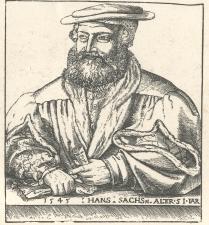
<tr id="pictures-p0.17"><td id="pictures-p0.18"><a href="/ccel/winkworth/singers/files/sachs_ha.jpg" id="pictures-p0.19">HANS SACHS</a></td><td colspan="2" id="pictures-p0.20"><i>Vignette on Titlepage.</i></td></tr>
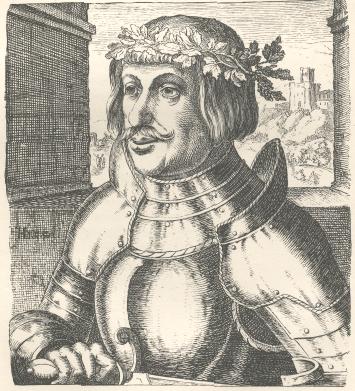
<tr id="pictures-p0.21"><td id="pictures-p0.22"><a href="/ccel/winkworth/singers/files/Hutten_U.jpg" id="pictures-p0.23">ULRICH VON HUTTEN</a></td><td id="pictures-p0.24"><i>To face</i></td><td id="pictures-p0.25">98</td></tr>
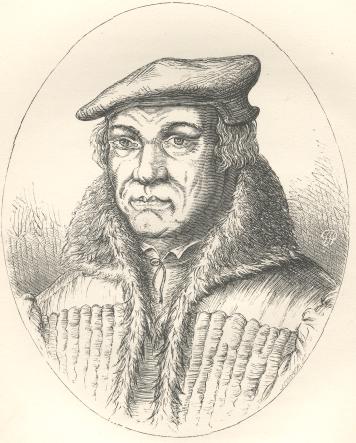
<tr id="pictures-p0.26"><td id="pictures-p0.27"><a href="/ccel/winkworth/singers/files/Jonas_Ju.jpg" id="pictures-p0.28">JUSTUS JONAS</a></td><td id="pictures-p0.29"><i>To face</i></td><td id="pictures-p0.30">115</td></tr>
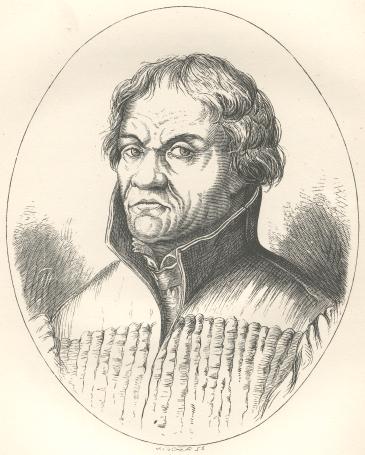
<tr id="pictures-p0.31"><td id="pictures-p0.32"><a href="/ccel/winkworth/singers/files/Eber_Pau.jpg" id="pictures-p0.33">PAUL EBER</a></td><td id="pictures-p0.34"><i>To face</i></td><td id="pictures-p0.35">119</td></tr>
<tr id="pictures-p0.36"><td id="pictures-p0.37"><a href="/ccel/winkworth/singers/files/Klopstok.jpg" id="pictures-p0.38">FRIEDRICH GOTTLIEB KLOPSTOCK</a></td><td id="pictures-p0.39"><i>To face</i></td><td id="pictures-p0.40">323</td></tr>
</table></td></tr></table>

</div1>

<div1 class="poem" title="A Preface to all good Hymn-Books" progress="4.03%" prev="pictures" next="c1" id="preface2">
<pb n="1" id="preface2-Page_1" />
<hymn id="preface2-p0.1">
<h3 id="preface2-p0.2">"A PREFACE TO ALL GOOD HYMN-BOOKS."</h3>

<author authorID="luther" style="text-align:center" id="preface2-p0.3">By <a href="/ccel/winkworth/hyndwink.luther.html" id="preface2-p0.4">DR. MARTIN LUTHER</a>, 1543.</author>
<p class="Center" id="preface2-p1"><i>Lady Musick speaketh.</i></p>
<verse id="preface2-p1.1">
<l id="preface2-p1.2">Of all the joys that are on earth</l>
<l id="preface2-p1.3">Is none more dear nor higher worth,</l>
<l id="preface2-p1.4">Than what in my sweet songs is found</l>
<l id="preface2-p1.5">And instruments of various sound.</l>
<l id="preface2-p1.6">Where friends and comrades sing in tune,</l>
<l id="preface2-p1.7">All evil passions vanish soon;</l>
<l id="preface2-p1.8">Hate, anger, envy, cannot stay,</l>
<l id="preface2-p1.9">All gloom and heartache melt away;</l>
<l id="preface2-p1.10">The lust of wealth, the cares that cling,</l>
<l id="preface2-p1.11">Are all forgotten while we sing.</l>
<l id="preface2-p1.12">Freely we take our joy herein,</l>
<l id="preface2-p1.13">For this sweet pleasure is no sin,</l>
<l id="preface2-p1.14">But pleaseth God far more, we know,</l>
<l id="preface2-p1.15">Than any joys the world can show;</l>
<l id="preface2-p1.16">The devil's work it doth impede</l>
<l id="preface2-p1.17">And hinders many a deadly deed.</l>
<l id="preface2-p1.18">So fared it with King Saul of old;</l>
<l id="preface2-p1.19">When David struck his harp of gold,</l>
<l id="preface2-p1.20">So sweet and clear its tones rang out,</l>
<l id="preface2-p1.21">Saul's murderous thoughts were put to rout.</l>
<l id="preface2-p1.22">The heart grows still when I am heard,</l>
<l id="preface2-p1.23">And opens to God's Truth and Word;</l>
<pb n="2" id="preface2-Page_2" />
<l id="preface2-p1.24">So are we by Elisha taught,</l>
<l id="preface2-p1.25">Who on the harp the Spirit sought.</l>
<l class="t" id="preface2-p1.26">The best time o' the year is mine,</l>
<l id="preface2-p1.27">When all the little birds combine</l>
<l id="preface2-p1.28">To sing until the earth and air</l>
<l id="preface2-p1.29">Are filled with sweet sounds everywhere;</l>
<l id="preface2-p1.30">And most the tender nightingale</l>
<l id="preface2-p1.31">Makes joyful every wood and dale,</l>
<l id="preface2-p1.32">Singing her love-song o'er and o'er,</l>
<l id="preface2-p1.33">For which we thank her evermore.</l>
<l id="preface2-p1.34">But yet more thanks are due from us</l>
<l id="preface2-p1.35">To the dear Lord who made her thus,</l>
<l id="preface2-p1.36">A singer apt to touch the heart,</l>
<l id="preface2-p1.37">Mistress of all my dearest art.</l>
<l id="preface2-p1.38">To God she sings by night and day,</l>
<l id="preface2-p1.39">Unwearied, praising Him alway;</l>
<l id="preface2-p1.40">Him I too laud in every song,</l>
<l id="preface2-p1.41">To Whom all thanks and praise belong.</l>
</verse>
<p class="srcttl" id="preface2-p2">Vor allen Freuden auf Erden</p>
<index class="srcttl" subject1="Vor allen Freuden auf Erden" id="preface2-p2.1" />
</hymn>
</div1>

<div1 type="Chapter" title="800-900: The Early Dawn." progress="4.34%" prev="preface2" next="ambrose" id="c1">
<pb n="3" id="c1-Page_3" />
<h2 id="c1-p0.1">CHAPTER I.<br /><small id="c1-p0.3">THE EARLY DAWN OF GERMAN SACRED POETRY AND SONG.
<br />A. D. 800-900</small></h2>

<p id="c1-p1">Each Christian people has brought its own characteristic 
tribute to the vast treasury of devotional
thought and literature, which is the common property
of the whole Christian Church. The tribute of Germany 
is pre-eminently that of sacred song, of verse
and music in combination and adapted for use in the
Church and among the people. Her literature begins
with a work of religious poetry, and from that time
onwards has been always remarkably rich in productions 
of this class. The very genius of the people--its
inborn love for music, especially for part-singing,
its bent towards the expression of feeling in the lyrical
form--peculiarly fitted it for this work; and the result
has been the creation of a literature of hymns and
hymn-tunes, which has had a wide influence not only
within but beyond Germany. The hymn-books of
Denmark, Sweden, Norway, and Iceland, and in part
those of Holland, consist, to a large extent (until
recently it would have been correct, we believe, to say,
almost entirely), of translations and adaptations from
the German; which have, however, become so completely
<pb n="4" id="c1-Page_4" />
naturalized among the people that their alien
origin is forgotten, and they have furnished the model
on which the hymns of native growth have been composed. 
In Switzerland, in the Protestant Church of
France, and to some extent in Holland, the spread of
the German hymns has been checked by the influence
of the Calvinistic Churches, which have always feared
to give a prominent place to art of any kind in the
worship of God--rather indeed have allowed it to
creep in on sufferance, than delighted to introduce it
as a free-will offering of beauty. Yet here, too, hymns
adopted from the German, or of the German type,
have gradually made their way. In England the
national character of our Reformation has left less
scope for the influence of foreign elements. Our
Church has distinguished its services more by the
beauty of its prayers than its hymns, while our Nonconformist
sects have been strongly imbued with
those Calvinistic views of worship of whose influence
we have just spoken. But a people with so marked
a genius for poetry as the English, could not but use
their gift in the service of religion as well as in secular
ways; though the fact that hymns occupied a less important 
place in the religious worship of England than
Germany, produced a marked difference in form in the
compositions of the two countries. Germany's preeminence 
is in her hymns; but in sacred poetry not
of this class, she has had no names of equal rank with
those of Milton or Herbert of old, or Keble, Coleridge,
and Wordsworth in the present day. In course of time,
however, her hymns reached us too. There can be no
doubt that the acquaintance of the Wesleys with the
stores of her hymnology led them to see both the
<pb n="5" id="c1-Page_5" />
beauty of this form of poetry and the immense
advantages that might be drawn from it, in spreading
a knowledge of the truth among the common people,
and in increasing the warmth and attractiveness of
worship. They not only translated many German
hymns, but wrote a large number themselves in the
same style; and it is from their time that the impulse
dates which has led to the study of hymnology, not
only of English or German, but also of Latin and
Eastern growth, and to the rise among us of a large
number of new and very good hymn-writers and hymn-books.</p>

<p id="c1-p2">The story of the hymnology of Germany in the
sense we have here given it, begins properly speaking
with the Reformation. It was not until the people
possessed the word of God and liberty to worship
Him in their own language, that such a body of
hymns could be created, though vernacular hymns
and sacred lyrics had existed in Germany throughout
the Middle Ages. But it was then that a great outburst 
of national poetry and music took place which
reflected the spirit of those times; and on a somewhat
smaller scale the same thing has happened both before
and since that time at every great crisis in the history
of the German people. The most marked of these
periods are the twelfth and thirteenth centuries--the
era of the Crusades abroad and the rise of the great
cities at home; the Reformation; the great struggle
for religious liberty in the seventeenth century; and
the revival of literature towards the close of the
eighteenth century, after the exhaustion that followed
the Thirty Years' War.</p>

<p id="c1-p3">As far back, however, as we hear anything of the
<pb n="6" id="c1-Page_6" />
German race, we hear of their love for song. They
sang hymns, we are told, in their heathen worship, and
lays in honour of their heroes at their banquets; and
their heaven was pictured as echoing with the songs
of the brave heroes who had fallen in battle. The
first dawn of Christianity came to the Gothic races
from Greece, but in Southern Germany it seems to
have proceeded from the many missionaries who were
sent out by the British and Irish monasteries in the
sixth century, who sought no special authorization
from Rome, and did not carry with them the Roman
liturgy. But the chief instruments in the conversion
of the remoter regions were the Anglo-Saxon monk
Winifred, better known as St. Boniface, who was
martyred in 755, and Charlemagne. Both these great
men saw the imperative need of some centre of unity
and order to restore society and preserve anything of
faith or of letters in those times of utter chaos and
discord, and believed that they had found the means
to this end in the unity of the Church. That they
greatly promoted civilization there is no doubt, but
their work, even that of Boniface, had its darker
side, where it came in contact with an already
existing Christianity, and forcibly repressed what was
national and distinctive in its character. For wherever
they went they introduced at once not only the
Christian religion, but the hierarchy and liturgy of
Rome, and with it the Gregorian Church music and the Latin hymns.</p>

<div2 title="Ambrosian Church Music" progress="5.55%" prev="c1" next="gregory" id="ambrose">
<h3 id="ambrose-p0.1">Ambrosian Church Music</h3>
<index class="authorref" subject1="ambrose" id="ambrose-p0.2" />

<p id="ambrose-p1">This style of music owes its origin to Pope Gregory
the Great, who ascended the papal chair in 590, and
thenceforward devoted his extraordinary abilities and
energy to securing the unity and independence of the
<pb n="7" id="ambrose-Page_7" />
Church. Here, however, we are only concerned with
his influence on Church music. Before his time the
Ambrosian style had been widely prevalent through
the Western Church. It was founded on the Greek
system of music, and was introduced by
<a href="/ccel/winkworth/hyndwink.ambrose.html" id="ambrose-p1.1">St. Ambrose</a>,
with the assistance of Pope Damasius, into the Great
Church of Milan in the year 386. A true instinct
taught St. Ambrose to adopt for his hymns the most
rhythmical form of Latin verse that was then in use,
and for his tunes a popular and congregational style
of melody, and thus both spread rapidly through
the Western Church, and became a powerful engine
for affecting the minds of the people of all classes.
In a well-known passage of his "Confessions,"<note n="2" id="ambrose-p1.2">Library
of the Fathers. St. Augustine's "Confessions," p. 166.</note>
St. Augustine tells us (he is addressing our Lord):--"How 
did I weep, in Thy Hymns and Canticles,
touched to the quick by the voices of Thy sweet-attuned 
Church! The voices flowed into my ears,
and the Truth distilled into my heart, whence the
affections of my devotion overflowed, and tears ran
down, and happy was I therein. Not long had the
Church of Milan begun to use this kind of consolation 
and exhortation, the brethren zealously joining 
with harmony of voice and hearts. For it was a
year, or not much more, that Justina, mother to the
Emperor Valentinian, a child, persecuted Thy servant,
Ambrose, in favour of her heresy, to which she was
seduced by the Arians. The devout people kept
watch in the Church, ready to die with their bishop,
Thy servant. Then it was first instituted that after
the manners of the Eastern Churches, hymns and
psalms should be sung, lest the people should wax
<pb n="8" id="ambrose-Page_8" />
faint through the tediousness of service; and from
that day to this the custom is retained, almost all
The congregations throughout other parts of the world following herein."</p>

<p id="ambrose-p2">One tune from the Ambrosian period is still preserved 
in Germany to the present day, in connexion
with Luther's German version of St. Ambrose's great
hymn, <i>Veni Redemptor gentium</i>. It is a simple,
dignified, somewhat quaint melody.<note n="3" id="ambrose-p2.1">It
may be found in German tune-books under the name of "Nun kommt der
Geidenheiland," and is
<a href="/ccel/winkworth/chorales.h072.html" id="ambrose-p2.2">No. 72 in the Chorale-Book for England</a>.</note></p>

<p id="ambrose-p3">In course of time, however, there is no doubt that
Church music had become deteriorated by the introduction 
of a more secular style, and that this
was one cause of the reaction under Gregory the
Great. Yet another may perhaps be found in
the fact that the Ambrosian style was an intrinsically
<i>congregational</i> method of singing, which enabled all
the people to bear a part, and not a small one, in the
service; while the Gregorian, which had less melody
and rhythm, and was extremely difficult to acquire,
was necessarily restricted to the clergy and the
trained choir, and therefore harmonized better with
the hierarchical principles of Gregory.</p>
</div2>

<div2 title="Gregorian Church Music" progress="6.18%" prev="ambrose" next="monaster" id="gregory">
<h3 id="gregory-p0.1">Gregorian Church Music</h3>

<p id="gregory-p1">It was natural, therefore, that from this period onwards, as
the hierarchical element in the Church gained strength,
this system should have rapidly supplanted its rival;
nor would it be fair to say that this was altogether
without its advantage, for in those distracted times the
impulse towards unity in the Church was in many ways
a true instinct towards self-preservation, and a common
liturgy is one of the strongest bonds of a common
<pb n="9" id="gregory-Page_9" />
religious life. There is, too, undoubtedly much
grandeur and beauty in this style, which adapt it
for certain forms and occasions of worship; but its
stiffness and monotony, and its aptness to degenerate
into a nasal unmusical chant in the hands of untrained 
singers, unfit it for truly popular and common
use. It has maintained its place in the Roman
Church to the present day, and has exerted a strong
influence on the music of the reformed Churches.
During the eighteenth century this influence showed
itself markedly in Germany in the adoption of a
certain slow and uniform style of singing the old
chorales, admitting only notes of equal length, and
in "common" time. Recently there has again been
a reaction towards the freer and more varied rhythm
of the sixteenth and seventeenth centuries, when the
laity delighted to assert their right to a share in the
Christian priesthood, by bearing a part in the public service of God.</p>

<p id="gregory-p2">One thing that helped to make the Gregorian
chanting an affair of the learned, was the very complicated 
method of notation then employed, and it
was soon found necessary to establish schools, in
which singers went through a training that lasted
often for years. Gregory founded a famous school
in Rome, with a prior and four masters, and for many
generations afterwards the sofa was shown on which
he used to recline while himself examining the
scholars. They were mostly orphan boys who were
entirely maintained here, and afterwards received
appointments from the Pope. In the days of King
Ethelbert, forty of them came to England, and introduced 
the Gregorian music into this country.</p>
<pb n="10" id="gregory-Page_10" />
<p id="gregory-p3">Charlemagne, like our own Alfred, was an enthusiastic 
lover of Church music, and especially of this
style which he had learnt to know in Rome. In
his own chapel he carefully noted the powers of all
the priests and singers, and sometimes acted as
choir-master himself, in which capacity he proved
a very strict, often severe master, He extinguished
the last remnants of the Ambrosian style at Milan,
and it was with his approval that Pope Leo III.
(795-810) imposed a penalty of exile or imprisonment 
on any singer who might deviate from the
orthodox <i>Cantus firmus et choralis</i>. He not only
founded schools of music in France, but throughout
Germany, at Fulda, Mayence, Treves, Reichenau,
and other places. Trained singers from the famous
choirs in Rome were sent for to take charge of
these institutions, and seem to have been not a
little shocked at first by the barbarism of their
pupils. One says that their notion of singing in
Church was to howl like wild beasts; while another,
Johannes Didimus, in his Life of Gregory, affirms
that--"These gigantic bodies, whose voices roar like
thunder, cannot imitate our sweet tones, for their
barbarous and ever-thirsty throats can only produce
sounds as harsh as those of a loaded waggon passing
over a rough road."</p>
</div2>

<div2 title="A Benedictine Monastery" progress="6.86%" prev="gregory" next="notker" id="monaster">
<h3 id="monaster-p0.1">A Benedictine Monastery</h3>

<p id="monaster-p1">The new style of Church music naturally found
its most zealous promoters in the cloisters, among
whom we may name Rabanus Maurus, a pupil of
Alcuin, and abbot of the great convent of Fulda, and
Walafrid (nicknamed Strabo), abbot of Reichenau.
The Benedictine monasteries which were henceforward 
founded in increasing numbers north of the
<pb n="11" id="monaster-Page_11" />
Alps, were for the next two or three centuries, the
asylums where arts and letters were preserved through
the storms of those stormy times. Every convent,
in fact, constituted a little town in itself when it had
attained its full proportions. It began generally in
the humblest manner. The abbot of some considerable 
monastery would send a small band of missionary 
monks to some spot, chosen either for its
natural advantages, or from the needs, or perhaps
the earnestly-expressed wishes, of the surrounding
population. First, the monks would fell the trees,
and erect temporary huts for themselves; then the
chapel was built and service celebrated; then more
permanent abodes were constructed, and gardens
and fields were brought into cultivation. Then, if
possible, the relics of some saint were procured, and
deposited within the altar to give a special sanctity
to the place, and attract worshippers in the hope of
obtaining miraculous cures, and henceforward the
number of monks and dependants would rapidly
increase. When the institution was completed, we
know by plans still preserved in the archives of
St. Gall, that it would consist of the church as centre,
the monks' dwellings, the cloisters, and the convent
school within the inner inclosure; around which
clustered handsome buildings for the abbot's and
physician's houses; for the secular school, the hospital,
the lodgings for travellers, whether monks or laymen;
and the smaller abodes and workshops necessary
for the various artificers whose crafts here found
employment. The whole of this little town, so to
speak, was itself inclosed within a ditch, and in later
times fortified with walls and towers.</p>
<pb n="12" id="monaster-Page_12" />
</div2>

<div2 title="Notker's Sequences" progress="7.28%" prev="monaster" next="heliand" id="notker">
<h3 id="notker-p0.1">Notker's Sequences</h3>
<index class="authorref" subject1="notker" id="notker-p0.2" />
<p id="notker-p1">Among the most complete and famous of these
monasteries was that of St. Gall. In that lonely
but sheltered spot on the lower slopes of the Alps,
and not far from Lake Constance, which gave access
to Southern Germany, there was cherished for centuries 
a sacred fire of true enthusiasm for learning,
which spread its light by degrees into many a half-barbarous 
court and distant convent. Here the
earliest and most strenuous efforts were made to
tame the rough mother-tongue of the Germans, and
teach it to express as far as might be the shades of
thought and feeling which the languages of Greece
and Rome had so marvellously embodied, and all
that the Christian faith had to say besides. There
exists in its archives a very ancient Latin and German
dictionary traditionally ascribed to St. Gall himself
(died 638), and many other glossaries, paraphrases, and
interlinear translations from the Latin. Among those
who thus occupied themselves in the ninth century was a monk named
<a href="/ccel/winkworth/hyndwink.notker.html" id="notker-p1.1">Notker</a>,
whom Walafrid, then Dean of St. Gall's, strongly urged to devote himself
to sacred poetry. He wrote, however, in Latin, and
his hymns therefore concern our subject only because
he was the originator of a form of Latin hymnology,
which when translated into German gave rise to the
earliest German hymns, properly so called, with which
we are acquainted. This was the Latin Sequence
or Prose. It was customary in all cases where a
Hallelujah was introduced to prolong the last syllable,
and to sing on the vowel "ah" a series of elaborate
passages intended to represent an outburst of jubilant 
feeling. These were termed Sequences, because
they followed the Hallelujah and repeated its notes,
<pb n="13" id="notker-Page_13" />
and were of course sung without words. What
Notker did was to write words for them, and he tells
us himself how he came to do it, in a letter addressed
to Bishop Luitward, to whom he dedicated a volume
of these compositions. "When I was yet young and
could not always succeed in retaining in my memory
the long-drawn melodies on the last syllable of the
Hallelujah, I cast about in my mind for some method
of making them easier to remember. Now it happened
that a certain priest from Gimedia came to us who
had an Antiphonarium, wherein were written some
strophes to these melodies, but indeed by no means
free from faults. This put it into my mind to
compose others for myself after the same manner.
I showed them to my teacher, Yso, whom they
pleased on the whole, only he remarked, that as many
notes as there were in the music, so many words
must there be in the text. At this suggestion I
went through my work again, and now Yso accepted
it with full approbation, and gave the text to the
boys to sing." These Sequences spread rapidly, for
they supplied the want that was beginning to be
felt of melodies in which sometimes the people could
join, and words which could be adapted to special
occasions beyond the ordinary service of the mass.
They increased in number therefore more quickly
than the hymns properly so called, and gradually
assumed a strictly metrical form, which at first they
did not possess. Notker himself composed thirty-five 
of them; and one which still finds a place in
our own Burial Service, the
"<a href="/ccel/winkworth/lyra.h94.html" id="notker-p1.2"><i>Media vita in morte</i></a>,"
is traditionally ascribed to him, and said to have
been written while watching some workmen building
<pb n="14" id="notker-Page_14" />
the bridge of St. Martin at the peril of their lives.
It cannot however be certainly traced beyond the
eleventh century, but from that time onwards it was
in use in the Latin, and afterwards in a German
version as a battle-song, which was supposed to exert magical influences.</p>
</div2>

<div2 title="The Heliand" progress="8.02%" prev="notker" next="otfried" id="heliand">
<h3 id="heliand-p0.1">The Heliand</h3>

<p id="heliand-p1">It is to this same ninth century, and in one instance,
to the teachings of the convent of St. Gall, that we owe
the two earliest specimens of German sacred poetry.
They are both Harmonies of the Gospels, and it
strikingly shows the affinity of the Teutonic mind for
the Jewish Scriptures, that the earliest monuments of
its written literature are all drawn from this source--the 
translation of the Bible into Gothic by Ulphilas,
the great Bishop of the Goths, who died in 388, and
the two books now before us. The earliest of them
is called "The Heliand," or the Saviour, and is
written in Saxon, therefore in the ancient Low German
dialect. It is said to have been suggested by Louis
the Pious to teach the newly-converted Saxons
something of the faith they had accepted, and to
have been carried out by a peasant who heard in his
sleep a voice summoning him to the undertaking.
About thirty years later, a similar task was achieved
by Otfried, a monk probably of Alemannic race, who
had been educated at first at Fulda under Rabanus
Maurus, then had lived many years in St. Gall, and
finally removed to Weissenburg in Alsace, another of
the numerous monasteries scattered along the border
of Switzerland, where the mountains break down to
the lakes and cultivated country of Northern Europe.
Though they thus belong to the same period of
time, these works were composed under widely different
<pb n="15" id="heliand-Page_15" />
circumstances. In Southern Germany the
Romans had founded large cities, and Roman and
Celtic elements were mingled with the Teutonic
blood. Christianity had early made its way there,
and a considerable amount of it existed before the
earliest missionaries from Rome came thither. In
the seventh century St. Emmeran found a multitude
of priests and churches in Bavaria; the land had
already gloried in several native saints before the time
of Charlemagne; and culture must have made no inconsiderable 
progress, when we are told that the noble
lady Theudelinde was able to maintain a pious and
learned correspondence with Pope Gregory the Great.
In Northern Germany, on the other hand, little had
been done for the introduction of Christianity until
Charlemagne converted the people by force, and
the country long remained scantily populated and
unsettled. Vast tracts of forest or heath were interrupted 
by solitary farmsteads of immense extent,
where cattle and sheep were the chief source of
wealth; for, until the close of the tenth century, there
was but little agriculture; towns and monasteries
existed but in small numbers and at great distances,
and it was long before any churches except the
convent chapels were built. Slowly the new religion
permeated this wild and scattered people; but as it
did so, it rooted itself the more deeply in the popular
life, and bore less of the impress of the hierarchical
and Roman element than the religion of Southern
Germany, a distinction which has maintained itself
even to the present day.</p>

<p id="heliand-p2">The form of the two works is contrasted as we
might expect from their origin; the Heliand is written
<pb n="16" id="heliand-Page_16" />
in the alliterative measure of the ancient ballads, but
without strophes; the work of Otfried is composed in
four-lined verses with rhyme. Rhyme is a peculiarly
Christian ornament of verse, and the struggle was
long between accented and rhymed forms of poetry,
and the ancient forms of classical metre. Otfried's
is the first rhymed poem we possess, and thus has
always marked an important epoch in European
literature. The Heliand is not so much a Harmony
of the Gospels as a Saxon epic on the life of our
Lord, and it seems to have been intended to form
part of a larger work embracing the whole course of
Scripture History. The style is simple and <i>naïve:</i>
the writer nowhere brings forward his own personality,
but is evidently inspired by a strong love to his
subject. The relation of the disciples, and implicitly
the relation of all Christians to their Lord, is conceived 
after the true Teutonic type as that of followers
bound by an oath to their duke or leader; all that
expresses personal loyalty and obedience on the one
hand, or affectionate condescension on the other, is
brought out with quick insight and strong feeling.
In general, the writer keeps very close to his
authorities, but in some passages, where the heathen
lays may have been recalled to his mind, he permits
himself a more excursive description, and echoes of
the old Scandinavian ballads float through his verse.
The Sermon on the Mount specially attracts him,
and he gives it with fulness and evident predilection.</p>
</div2>

<div2 title="Otfried of Weissenburg" progress="8.94%" prev="heliand" next="p1" id="otfried">
<h3 id="otfried-p0.1">Otfried of Weissenburg</h3>

<p id="otfried-p1">Otfried, on the other hand, continually betrays
his acquaintance with classical models, and the
self-consciousness of the educated barbarian in
the presence of a higher culture. He is constantly
<pb n="17" id="otfried-Page_17" />
lamenting his own incompetence and the barbarism
of the German tongue; he gives fewer facts and less
of the distinctly ethical discourses than his Saxon
contemporary; but he much more frequently introduces 
episodes, sometimes similes or allegories
from ecclesiastical works, sometimes mystical and
moral reflections of his own. But there are passages
where he rises to warmth and true poetry, as where,
in describing the journey of the Magi, he speaks of
the longing of the soul for its heavenly fatherland;
and the very idea of thus endeavouring to make the
grounds of their faith intelligible to the common
people, marks him out as no common man.</p>

<p id="otfried-p2">The following is a version of the passage just
mentioned. The rhyme and metre of the original are
very irregular, and here and there a rhyme is wanting
altogether; still, as its structure constitutes a marked
difference between this poem and its predecessors, it
seemed best to imitate, as far as possible, its rhythm,
while keeping close to the meaning; but in such a
process somewhat of the poetical element is apt to vanish.</p>

<div3 type="poem" title="Now warneth us the Wise Men's fare" progress="9.20%" prev="otfried" next="c2" id="p1">
<h3 id="p1-p0.1">MYSTICE DE REVERSIONE MAGORUM AD PATRIAM.</h3>

<hymn id="p1-p0.2">
<verse id="p1-p0.3">
<l class="t" id="p1-p0.4">Now warneth us the Wise Men's fare</l>
<l id="p1-p0.5">That hereof we be well aware,</l>
<l id="p1-p0.6">How we should to ourselves take heed,</l>
<l id="p1-p0.7">And seek our native land with speed.</l>
</verse>

<verse id="p1-p0.8">
<l class="t" id="p1-p0.9">Ye wot not what I say, I wis;</l>
<l id="p1-p0.10">That land is hight the Paradise:</l>
<l id="p1-p0.11">I verily could laud it sore,</l>
<l id="p1-p0.12">For wordès fail me nevermore.</l>
</verse>

<verse id="p1-p0.13">
<pb n="18" id="p1-Page_18" />
<l class="t" id="p1-p0.14">But if of all my members each</l>
<l id="p1-p0.15">Were gifted with the gift of speech,</l>
<l id="p1-p0.16">Yet could not any words avail</l>
<l id="p1-p0.17">To tell out all its wondrous tale.</l>
</verse>

<verse id="p1-p0.18">
<l class="t" id="p1-p0.19">Never couldst thou believe it right</l>
<l id="p1-p0.20">Save thou shouldst see it with thy sight,</l>
<l id="p1-p0.21">Nor couldst thou well, not even then,</l>
<l id="p1-p0.22">Tell what thou saw'st to other men.</l>
</verse>

<verse id="p1-p0.23">
<l class="t" id="p1-p0.24">For there is life withouten doom,</l>
<l id="p1-p0.25">And there is light withouten gloom;</l>
<l id="p1-p0.26">There wonneth the angelic race,</l>
<l id="p1-p0.27">And everlasting blessedness.</l>
</verse>

<verse id="p1-p0.28">
<l class="t" id="p1-p0.29">We have forsaken it, alas!</l>
<l id="p1-p0.30">Well may we rue that came to pass;</l>
<l id="p1-p0.31">Well may we never stay to weep</l>
<l id="p1-p0.32">After the home we did not keep.</l>
</verse>

<verse id="p1-p0.33">
<l class="t" id="p1-p0.34">We fared forth hastily from thence</l>
<l id="p1-p0.35">Misled by pride and arrogance,</l>
<l id="p1-p0.36">Lured in some fond and secret guise,</l>
<l id="p1-p0.37">By lusts that tempted us with lies.</l>
</verse>

<verse id="p1-p0.38">
<l class="t" id="p1-p0.39">Ah! then we list not to obey,</l>
<l id="p1-p0.40">And bear the mark thereof alway!</l>
<l id="p1-p0.41">Now here as exiles we must stand</l>
<l id="p1-p0.42">Sore weeping in an alien land:</l>
</verse>

<verse id="p1-p0.43">
<l class="t" id="p1-p0.44">Unused, alas! from age to age</l>
<l id="p1-p0.45">Lieth our proper heritage,</l>
<l id="p1-p0.46">Untasted what it hath of good,--</l>
<l id="p1-p0.47">So wrought for us our haughty mood.</l>
</verse>

<verse id="p1-p0.48">
<l class="t" id="p1-p0.49">We now must suffer and be sad</l>
<l id="p1-p0.50">For lack of joy we might have had;</l>
<l id="p1-p0.51">We now must bear, as best we may,</l>
<l id="p1-p0.52">Sore want and many a bitter day.</l>
</verse>

<verse id="p1-p0.53">
<l class="t" id="p1-p0.54">Now full of sorrow we bemoan</l>
<l id="p1-p0.55">Our lot in this land not our own,</l>
<l id="p1-p0.56">And bear the wounds that sin doth smite,</l>
<l id="p1-p0.57">And many griefs of our sad plight.</l>
</verse>

<verse id="p1-p0.58">
<pb n="19" id="p1-Page_19" />
<l class="t" id="p1-p0.59">Here many a trial night and day</l>
<l id="p1-p0.60">Lurketh in wait beside our way,</l>
<l id="p1-p0.61">And yet we orphans sad and weak</l>
<l id="p1-p0.62">Not yet our home are fain to seek.</l>
</verse>

<verse id="p1-p0.63">
<l class="t" id="p1-p0.64">Ah, well-a-day, thou stranger land!</l>
<l id="p1-p0.65">Hard art thou truly to our band,</l>
<l id="p1-p0.66">Heavy art thou and hast no ruth,</l>
<l id="p1-p0.67">I tell thee this in very truth.</l>
</verse>

<verse id="p1-p0.68">
<l class="t" id="p1-p0.69">Sore griefs do here the heart beset</l>
<l id="p1-p0.70">That for its home is pining yet:</l>
<l id="p1-p0.71">Well have I found this true in me,</l>
<l id="p1-p0.72">Nought joyous have I met in thee.</l>
</verse>

<verse id="p1-p0.73">
<l class="t" id="p1-p0.74">The only gifts thou dost bestow</l>
<l id="p1-p0.75">Are a heart laden with its woe,</l>
<l id="p1-p0.76">A mood that aye is fain to weep,</l>
<l id="p1-p0.77">And sorrows manifold and deep.</l>
</verse>

<verse id="p1-p0.78">
<l class="t" id="p1-p0.79">But if into our mind it come</l>
<l id="p1-p0.80">That we once more will seek our home,</l>
<l id="p1-p0.81">And if our hearts would swift return,</l>
<l id="p1-p0.82">And with a dolorous longing yearn:</l>
</verse>

<verse id="p1-p0.83">
<l class="t" id="p1-p0.84">Then like the Wise Men shall we fare</l>
<l id="p1-p0.85">By a new road to bring us there,</l>
<l id="p1-p0.86">Seeking the true way that will lead</l>
<l id="p1-p0.87">Back to the home we sorely need.</l>
</verse>

<verse id="p1-p0.88">
<l class="t" id="p1-p0.89">That path, I wot, is fair and sweet,</l>
<l id="p1-p0.90">But must be trod with washen feet:</l>
<l id="p1-p0.91">Such is the manner, well I ween,</l>
<l id="p1-p0.92">Of men that would thereon be seen.</l>
</verse>

<verse id="p1-p0.93">
<l class="t" id="p1-p0.94">Kindness must in thy soul be bred,</l>
<l id="p1-p0.95">And great and willing lowlihead;</l>
<l id="p1-p0.96">And, most of all, within thy heart</l>
<l id="p1-p0.97">True love must live in every part.</l>
</verse>

<verse id="p1-p0.98">
<l class="t" id="p1-p0.99">Learn thou to find thy joy in guise</l>
<l id="p1-p0.100">Of fair and ready sacrifice;</l>
<l id="p1-p0.101">Yield to the good thy will alway,</l>
<l id="p1-p0.102">And never thine own lusts obey.</l>
</verse>

<verse id="p1-p0.103">
<pb n="20" id="p1-Page_20" />
<l class="t" id="p1-p0.104">Within the love-shrine of thy heart,</l>
<l id="p1-p0.105">Let love of this world have no part;</l>
<l id="p1-p0.106">From things of passing time now flee,</l>
<l id="p1-p0.107">Their very loss shall profit thee.</l>
</verse>

<verse id="p1-p0.108">
<l class="t" id="p1-p0.109">Remember what I erst did say,</l>
<l id="p1-p0.110">This is that new and other way;</l>
<l id="p1-p0.111">Choose thou to tread it, as I rede,</l>
<l id="p1-p0.112">And surely to thy home 'twill lead.</l>
</verse>

<verse id="p1-p0.113">
<l class="t" id="p1-p0.114">And when thou dost that life possess,</l>
<l id="p1-p0.115">And knowest all its blessedness,</l>
<l id="p1-p0.116">To God Himself wilt thou be dear,</l>
<l id="p1-p0.117">And nevermore know harm or fear.</l>
</verse>
<p class="srcttl" id="p1-p1">Manot unsih thisu fart</p>
<index class="srcttl" subject1="Manot unsih thisu fart" id="p1-p1.1" />
</hymn>
</div3>
</div2>
</div1>

<div1 type="Chapter" title="900-1100: A Long Twilight" progress="9.86%" prev="p1" next="c2_1" id="c2">
<pb n="21" id="c2-Page_21" />
<h2 id="c2-p0.1">CHAPTER II.<br /><small id="c2-p0.3">A LONG TWILIGHT.<br />
A.D. 900-1100.</small></h2>

<h3 id="c2-p0.5">Barbarian Incursions</h3>

<p id="c2-p1">The two centuries we have now reached are a very
barren period for literature. Charlemagne had given
an impulse to arts and letters of which the effects are
traceable as long as there were any pupils left of the
circle of learned men whom he gathered round his
court. But these gradually died out, and his vast empire 
fell to pieces. Then came a time when men had
something else to do than to read or write; had too
often to fight or flee for their lives to have much leisure
or thought for more peaceful tasks. The frontiers of
Germany had to be secured, its lands brought under
cultivation, its towns built, its social polity developed.
It was not until the great defeat of the Normans in
891 by Arnulf, at Loven on the Dyle, that Germany
was delivered from their attacks, and its eastern portion 
was kept in constant alarm by the incursions of
the Hungarian and Slavonic tribes, until nearly the
close of the eleventh century. Thus on one occasion,
early in this century, the whole of Germany between
the Elbe and the Oder was ravaged; the most horrible
cruelties were practised, especially against monks and
priests, and all the churches were burnt down. The
<pb n="22" id="c2-Page_22" />
cause of offence was that the chief had asked in
marriage the daughter of the Duke of Saxony, and
had received the scornful reply that it was not meet
to give a Duke's daughter to a dog,--a play on the
words <i>Hun</i> and <i>Hund</i>, or hound.</p>

<p id="c2-p2">A vivid description of one of these incursions is left
us by Eckhard IV., a monk and chronicler of St.
Gall. In the year 924, an invasion of the Hungarians
took place, which lasted for two years. The wild
hordes first burst into Bavaria, swept over all the
south of Germany, and then vanish from our story as
they pass down the Rhine. They carried with them
cattle and carts containing their plunder. At night
they placed their carts in a circle, lit watch-fires, and
stationed watchmen outside the barrier, while within
it they encamped on the ground. By day they
ravaged the country, plundering and burning on all
sides; so that their approach was heralded by the
red glare of burning villages on the horizon. When
the abbot of St. Gall heard of them, he assembled
the brethren and all the dependants, and commanded
that they should at once begin to make spears, and
shields, and other weapons, and also prepare a fortified 
asylum in case of attack. He himself and the
other monks put on their coats of steel, and drew
over them the monk's cloak and cowl, and laid their
own hands to the work of fortifying the point he had
chosen, a spot at the junction of three streams, which
could only be approached by a narrow way. The
monks and servants would not believe in the coming
danger, and so it was but just in time that they
transported their valuables to this retreat. The very
next day the Huns appeared. Only two persons had
<pb n="23" id="c2-Page_23" />
been left in the convent, a holy woman who had made
a vow of seclusion and refused to leave her cell, and
a half-witted monk who could not be induced to
accompany his brethren into their fortress. The
former was murdered, the latter was treated with a
rough good-nature, and given as much wine and
meat as he could take,--"though of a truth the discourteous 
people, when I had drunk enough, forced
me to drink more with blows," he said afterwards.
The Hungarians took all they could find, and
observing that the highest point of the building,
the vane, was crowned by a shining cock, they concluded 
this to be the god of the place, and supposed
his image would be of gold. Two men therefore tried
to ascend the tower and bring down the weathercock,
but both fell and were killed. Their companions,
enraged, next endeavoured to burn down the church,
but its thick walls defied their efforts, on which they
withdrew to the gardens, saying that the god was
too strong for them. They then sent spies to examine
the abbot's place of refuge, but these reported
that its natural strength and the determination of
its defenders seemed so great, that it would be
best to leave it alone; and so, after a long and
wild banquet in the convent gardens, the barbarians
gradually drew off, and fell upon the neighbouring
villages. For some weeks, however, the abbot could
not venture to leave his fort, fearing their return, but
every day he and some of the bolder monks stole
down to the abbey, and said mass at its altar. At
last he heard that the enemy was really gone. One
of the suburbs of Constance had been burnt down,
but the town itself and the abbey of Reichenau,
<pb n="24" id="c2-Page_24" />
which had been next attacked, had been successfully
defended, and the barbarians were on their way to the Rhine.</p>

<p id="c2-p3">By very slow degrees these wild people were either
subdued and converted to Christianity, or pressed
back into the vast plains and thick forests and
morasses of Central Europe, and the frontiers of
Germany became at peace. But within them was
constant fighting still. All the great nobles claimed
the right of private war; there was no regular
administration of justice; trial by ordeal was practised;
and a revolt against the Emperor himself
appeared to his powerful vassals the most natural
thing to be undertaken when they had any grievance
to avenge, or when his absence in Italy offered a fair
opportunity. These early Othos and Henrys of the
Saxon and Salic lines, were indeed, for the most
part, men of ability and energy, who strove hard to
establish order and promote civilization; but their
power in the State depended almost entirely on
their personal character and the wealth and consequence 
of their families, and was weakened by their
frequent absences in Italy.</p>

<h3 id="c2-p3.1">The Truce of God</h3>

<p id="c2-p4">In Germany itself, the clergy, on the whole, frequently 
sided with the Emperor as against the
nobles, and to some extent thus constituted themselves 
protectors of the common people. They
treated their dependants more mildly than other
lords did, and their methods of agriculture were
superior to any other; they gave employment, too,
to many handicrafts, and thus it was not unnatural
that towns gradually grew up or rapidly increased
round the great abbeys and bishops' sees. It was to
<pb n="25" id="c2-Page_25" />
two assemblies of bishops, moreover, that the distracted
world owed that Truce of God, proclaimed in
the year 1032, which gave breathing-time to the poor
down-trodden peasant or townsman, and was the
beginning of a more settled state of society. It was
an agreement that no violence or weapons of any
kind should be used from sunset on Wednesday to
sunrise on Monday, nor on any high festival of the
Church, and whosoever violated this peace was to
pay his fine or <i>wehrgeld</i>, or suffer excommunication.
Many of the nobles at first refused to submit to this,
and declared their intention of adhering to the good
old customs of their forefathers, and fighting on every
day in the week: but a succession of bad harvests and
a great dearth which occurred about this time was
pointed out to them by the bishops as a sign of God's
anger with their conduct; and even the turbulent
Normans of France yielded to this argument. Nor
indeed was it untrue, for it is evident that the local
scarcities of food, which were of terribly frequent
occurrence at this period, were in great measure due
to the evil passions and ignorance of men. From this
time onwards, however, we can trace an increase in
the extent of land brought under cultivation; mining
was introduced in the Harz district, and the towns
steadily grew in wealth and importance. But how
much of heathen superstition still lingered in the
most Christian and civilized places, is curiously shown
by a Mirror of Confession written by a Bishop Burchardt
of Worms, early in the eleventh century. There
we find penances assigned for worshipping the sun,
the moon, the starry heavens, the new moon, or an
eclipse, and for trying to restore the moon's light
<pb n="26" id="c2-Page_26" />
when eclipsed, by wild outcries, "as though the
elements could help thee, or thou couldst help them."
So, too, offering prayers and sacrifices by a well, at a
cross-road, or to stones is forbidden, and so is the old
wives' custom at the birth of a child, of placing food
and drink and three knives on the table to propitiate
the Parcae or Three Sisters. The good old bishop
believes in trial by ordeal, but we cannot but feel a
great respect for him when we find the belief in the
possibility of witchcraft and in divination classed
among utterly vain and empty superstitions; and
when we observe the heavy penalties affixed to slaying 
a bondsman even at the command or by the hand
of his lord, unless he were a thief and a murderer;
and to selling or entrapping any human being into
slavery. To the former of these offences it seems
no secular penalty was then attached, the lord possessing 
the power of life and death over his bondsman. 
Yet side by side with these superstitions there
was a great deal of genuine Christian faith, among the
laity as well as the clergy. The separation between
these two classes was not indeed so marked as it
afterwards became. Many of the secular clergy were
married--Bishop Burchardt imposes a penance on any
one who should despise or refuse the ministrations of
a married priest,--and the monks often vied with the
knights in field sports, as they did with the farmer in
agriculture. When the need arose of defending land
or faith by arms, the abbot raised his troops like the
lord of any other fief, and could even on occasion, as
we have seen at St. Gall, put on his own coat of mail
and become general himself. On the other hand,
many knights rivalled the monks in pious exercises,
<pb n="27" id="c2-Page_27" />
and the cloister was their natural refuge when pressed
by conscience or the troubles of a restless life. It
was in the secular school of the convent that their
children were educated, and it was among the higher
clergy that the princes sought for State-advisers and secretaries.</p>

<h3 id="c2-p4.1">Ezzo of Babingberg</h3>

<p id="c2-p5">Throughout this period the literature of Germany
remained exclusively in the hands of the clergy, and
was written in Latin, the then universal medium of
communication for the learned class. Even so truly
popular a subject as the story of "Renard the Fox"
was treated in Latin, for the earliest existing MS. of
it is a Latin version, which it is, however, supposed
was based on a Flemish original now lost.<note n="4" id="c2-p5.1">The
earliest German version dates from 1170.</note>
This was indeed a sort of flowering time of mediaeval Latin
poetry, while native German poetry was almost
extinct. Only a very few German poems remain
from these centuries, and these are not remarkable
except for their date. The principal are two long
poems, by Ezzo, a learned canon of Babingberg, on
the miracles of Christ, and on the mysteries of
redemption and creation.</p>

<div2 title="Early Hymns" progress="12.04%" prev="c2" next="h1" id="c2_1">

<h3 id="c2_1-p0.1">Early Hymns</h3>

<p id="c2_1-p1">In the public services of the Church the people's
share was confined to uttering the response, "Kyrie
Eleison, Christe Eleison," at certain intervals during
the singing of the Latin hymns and psalms. These
words were frequently repeated, sometimes two or
three hundred times in one service, and were apt to
degenerate into a kind of scarcely articulate shout, as
is proved by the early appearance, even in writing, of
such forms as "Kyrieles." But soon after
<a href="/ccel/winkworth/hyndwink.notker.html" id="c2_1-p1.1">Notker</a>
had created the Latin Sequence, the priests began to
<pb n="28" id="c2_1-Page_28" />
imitate it in German, in order to furnish the people
with some intelligible words in place of the mere outcry 
to which they had become accustomed. They
wrote irregular verses, every strophe of which ended
with the words, "Kyrie Eleison," from the last
syllables of which these earliest German hymns were
called <i>Leisen</i>. They were, however, never used in
the service of the mass, but only on popular festivals, 
on pilgrimages, and such occasions. The most
ancient that has been handed down to us is one on
St. Peter, dating from the beginning of the tenth
century, of which we give an imitation, as well as
we can manage it, in English; and also of a prayer
from the tenth century, which is found at the close
of a copy of Otfried's work, inscribed, "The Bishop
Waldo caused this Evangelium to be made, and Sigibart, 
an unworthy priest, wrote it." The language
of both differs so widely from modern German, as
to be unintelligible without a glossary; but both are
written in irregular metre, and in rhyme, though the
rhymes are very imperfect.</p>

<div3 class="hymn" title="St. Peter" progress="12.36%" prev="c2_1" next="h2" id="h1">
<h3 id="h1-p0.1">ST. PETER.</h3>

<hymn id="h1-p0.2">
<meter id="h1-p0.3">i</meter>
<index class="firstl" subject1="Our dear Lord of grace hath given" id="h1-p0.4" />
<verse id="h1-p0.5">
<l id="h1-p0.6">Our dear Lord of grace hath given</l>
<l id="h1-p0.7">To St. Peter power in heaven,</l>
<l id="h1-p0.8">That he may uphold alway,</l>
<l id="h1-p0.9">All who hope in him, and say</l>
<l class="t2" id="h1-p0.10">Kyrie eleison!</l>
<l class="t2" id="h1-p0.11">Christe eleison!</l>
</verse>

<verse id="h1-p0.12">
<l id="h1-p0.13">Therefore must he stand before</l>
<l id="h1-p0.14">The heavenly kingdom's mighty door;</l>
<l id="h1-p0.15">There will he an entrance give</l>
<l id="h1-p0.16">To those who shall be bid to live:</l>
<l class="t2" id="h1-p0.17">Kyrie eleison!</l>
<l class="t2" id="h1-p0.18">Christe eleison!</l>
</verse>

<verse id="h1-p0.19">
<pb n="29" id="h1-Page_29" />
<l id="h1-p0.20">Let us to God's servant pray,</l>
<l id="h1-p0.21">All, with loudest voice to-day,</l>
<l id="h1-p0.22">That our souls which else were lost</l>
<l id="h1-p0.23">May dwell among the heavenly host:</l>
<l class="t2" id="h1-p0.24">Kyrie eleison!</l>
<l class="t2" id="h1-p0.25">Christe eleison!</l>
</verse>
<p class="srcttl" id="h1-p1">Unsar trohtîn hât farsalt</p>
<index class="srcttl" subject1="Unsar trohtîn hât farsalt" id="h1-p1.1" />
<author authorID="anon" id="h1-p1.2"><a href="/ccel/winkworth/hyndwink.anon.html" id="h1-p1.3">Anon</a>.</author>
<author authorID="winkworth" id="h1-p1.4">trans. by Catherine Winkworth, <date id="h1-p1.5">1869</date></author>
</hymn>
</div3>

<div3 class="hymn" title="Thou Heavenly Lord of Light" progress="12.48%" prev="h1" next="h3" id="h2">
<h3 id="h2-p0.1">PRAYER.</h3>

<hymn id="h2-p0.2">
<meter id="h2-p0.3">7,7,7,7</meter>
<index class="firstl" subject1="Thou Heavenly Lord of Light" id="h2-p0.4" />
<verse id="h2-p0.5">
<l id="h2-p0.6">Thou Heavenly Lord of Light,</l>
<l id="h2-p0.7">Guide us with grace and might</l>
<l id="h2-p0.8">To Thine own realm, to be</l>
<l id="h2-p0.9">For ever like to Thee.</l>
<l id="h2-p0.10">Lord Christ, from heaven above</l>
<l id="h2-p0.11">Send us Thy Father's love,</l>
<l id="h2-p0.12">That we to heaven may go,</l>
<l id="h2-p0.13">Nor suffer the least woe.</l>
</verse>
<p class="srcttl" id="h2-p1">Du Himilisco trohtîn</p>
<index class="srcttl" subject1="Du Himilisco trohtîn" id="h2-p1.1" />
<author authorID="winkworth" id="h2-p1.2">trans. by Catherine Winkworth, <date id="h2-p1.3">1869</date></author>
</hymn>
</div3>

<div3 class="hymn" title="God, it is Thy property" progress="12.54%" prev="h2" next="c3" id="h3">
<h3 id="h3-p0.1">ANOTHER PRAYER (<i>Ninth Century</i>).</h3>

<hymn id="h3-p0.2">
<meter id="h3-p0.3">7,7,7,7</meter>
<index class="firstl" subject1="God, it is Thy property" id="h3-p0.4" />
<verse id="h3-p0.5">
<l id="h3-p0.6">God, it is Thy property</l>
<l id="h3-p0.7">Ever merciful to be;</l>
<l id="h3-p0.8">Hear the prayers we now outpour,</l>
<l id="h3-p0.9">For we need Thy mercy sore.</l>
</verse>

<verse id="h3-p0.10">
<l id="h3-p0.11">We are bound without, within,</l>
<l id="h3-p0.12">With the heavy chains of sin;</l>
<l id="h3-p0.13">Tenderly and speedily</l>
<l id="h3-p0.14">Let Thy pity set us free.</l>
</verse>
<p class="srcttl" id="h3-p1">Got thir eigenhaf ist</p>
<index class="srcttl" subject1="Got thir eigenhaf ist" id="h3-p1.1" />
<author authorID="anon" id="h3-p1.2"><a href="/ccel/winkworth/hyndwink.anon.html" id="h3-p1.3">Anon</a>.</author>
<author authorID="winkworth" id="h3-p1.4">trans. by Catherine Winkworth, <date id="h3-p1.5">1869</date></author>
</hymn>
</div3>
</div2>
</div1>

<div1 type="Chapter" title="1100-1250: The Morning" progress="12.61%" prev="h3" next="c3_1" id="c3">
<pb n="30" id="c3-Page_30" />
<h2 id="c3-p0.1">CHAPTER III.<br /><small id="c3-p0.3">THE MORNING.<br />A.D. 1100-1250</small></h2>

<p id="c3-p1">A wonderful change came over Germany during
the next two centuries. There was a great change
in the mere external aspect of the country. The
peasant who looked out from the door of his farmstead 
saw a very different landscape from that which
greeted his forefather's eyes. The forest indeed still
skirted the horizon, but the cleared spaces were wider,
and the monotonous green of the broad stretches of
pasture land was broken up by the more varied
colouring of arable crops. The villages were far more
thickly studded over the land, and nearly every one
had its wooden church with its one tinkling bell;
while farther off, by the river-side, stood some great
abbey with its stone buildings, round which a busy
town was rapidly growing up, where the village found
a market for its produce and employment for its
superfluous population. But one new feature would
not please the peasant quite so well: on any neighbouring 
height which commanded the fertile meadows
beneath, there was almost sure to be perched a new
stone dwelling, inhabited by some armed follower of
the prince or great lord of the country, and from these
<pb n="31" id="c3-Page_31" />
strongholds a lawless crew often issued to carry off
the fruits of peaceful industry. During the next two
hundred years, indeed, the most marked changes in
the social aspect of the age were the growth of the
great towns in size, wealth, political power, and all
the arts of life; and the rise of a large class of armed
and mounted followers of the great lords of the
empire, whom the institution of chivalry placed, in a
certain sense, on a level with their chiefs, while it
constituted a barrier between them and the unknightly
classes--an order which in after-times developed into
the lesser nobility of the empire.</p>

<h3 id="c3-p1.1">Frederick Barbarossa</h3>

<p id="c3-p2">But it was altogether an era of rapid growth, one
of those times when men's minds are awake and alive,
and full of energy to attempt new enterprises in any
field. Germany was ruled by the Hohenstauffens, a
vigorous, ambitious, warlike race, whose dream it was
to prove themselves true heirs of Charlemagne by
re-establishing the Empire of the West, and who fell
at last in that struggle with the popes of which the
real basis was the question whether the headship
of Western Christendom was to belong to the State
or the Church. The noblest of them, Frederick Barbarossa 
(1152-1189), had all the qualities that made
him the darting hero of the people: brave, handsome,
able in war and in council--a liberal patron of the
singers and builders, whose arts were beginning everywhere 
to flourish on the German soil--the champion
of his country against the Papal chair--the conqueror
of the warlike Normans of Southern Italy,--he stirred
the hearts of the people with an enthusiasm that was
in itself an education. The very manner of his death
threw a legendary halo round his memory. That
<pb n="32" id="c3-Page_32" />
their monarch should at last have taken the Cross in
his old age, and far away in the Eastern land, when
a river had to be crossed, should have plunged in on
horseback before his whole army, to show the way,
and perished in the attempt, seemed a fitting end for
so brave a life; yet the mass of the people would not
believe he was dead: in the popular imagination he
became confounded with his great predecessor Charlemagne, 
and the legend was transferred to him, of the
sleeping monarch in a hidden cave who was to start
to life again in his country's utmost need.</p>

<h3 id="c3-p2.1">The Crusades</h3>

<p id="c3-p3">But not only did the frequent expeditions of the Hohenstauffens 
into Italy bring the Germans into contact with
the more refined culture of the Lombard cities and
the southern Normans, yet wider fields were opened
to them by the Crusades. It was at this period that
one mighty impulse thrilled through Western Christendom, 
and drew men, women, and children even,
nobles and peasants alike, to the service of the Cross.
It was no wonder that men's hearts were attracted to
a service which in this new form touched the springs
of loyal allegiance to the invisible Lord, and of
reverent compassion for His earthly sufferings, and
also of worldly ambition and love of adventure, and
opened to the soldier a means of securing as high a
place in the heavenly kingdom by his own craft of
fighting, as the monk could gain by prayer and mortification. 
And so for the next two hundred years
there was a constant stream of Crusaders going to and
returning from the East, and rendering the intercourse
between the East and West almost as close as that
between Europe and America in our own day. If these
expeditions wrought much harm and misery by their
<pb n="33" id="c3-Page_33" />
terrible drain on the strongest part of the population,
by the wild habits and unknown forms of disease
(such as the Oriental leprosy and plague) which
were brought home by returning bands of pilgrims,
they also wrought much good. Many joined them
from a true impulse of devotion, and came back
trained and tempered knights and warriors who had
learned letters and refinement from the Normans
and Provençals; the priest and scholar brought
back new ideas and new manuscripts from Greece;
the merchant discovered new channels for commerce,
and carried home new fruits and luxuries to his
native fields and city. Germany, however, was less
affected by the universal enthusiasm than the other
European nations: it was longer before the fire
was kindled in the slow hearts of the people:
the struggles with the popes made enterprises
patronised by them less popular; and there were
never wanting men who looked on them with a
disenchanted eye. "If it were of a truth so grievous
to our Lord Christ," says one of the Minne-singers,
"that the Saracens should rule over the spot of His
entombment, could not He alone humble the power
of the heathen nation, and would He need our hands
to help Him?" An old monkish chronicle of Wurzburg 
begins its narration of the second crusade under
the Emperor Conrad III., by declaring that in the
year 1147, "there came into the country false
prophets, sons of Belial, sworn servants of Antichrist,
who by their empty words seduced Christians, and
by their vain preaching impelled all kinds of men to
go forth to deliver Jerusalem from the Saracens."
It goes on to describe the mixed multitude that was
<pb n="34" id="c3-Page_34" />
gathered together for this purpose, and the very
mixed motives that actuated them. "The one had
this, the other that object. For many were curious
after new things, and went forth to behold a strange
land; others were constrained by poverty and the
meanness of their circumstances at home, and these
were ready to fight not only with the foes of the
Cross of Christ, but with any good friends to Christendom,
if thereby they might but get rid of this
their poverty. Others again were burdened with
debt, or hoped secretly to escape from the services
they owed to their lord, or they feared the merited
punishment of their misdeeds; all these simulated
great zeal for God, but they were zealous only to
throw down the heavy load of their own troubles.
Scarce a few could be found who had not bowed the
knee to Baal; who were guided by a pious and
meritorious intention, and were so inflamed by the
love of the Divine Majesty, that they were ready to
shed their blood for the Most Holy Place. But we
will leave this matter to Him who can read all hearts,
only adding, that God best knoweth who are His."
Similar judgments are expressed by many other
writers throughout the twelfth century; and even
where the poet or chronicler is filled with enthusiasm
for the great idea embodied in these enterprises, we
find a curiously frank and shrewd exposure of the
defects in their execution. This mood of mind, a
sort of slow practical good sense and perception of
actual facts, may explain the circumstance noticed by
many of their contemporaries, that the Germans were
the last to join and the first to discontinue the Crusades.
Still there is also a great capacity for enthusiasm in
<pb n="35" id="c3-Page_35" />
the German people, and they by no means stood apart
altogether from what constituted the great life of
Europe in those days. Four of their emperors took
the Cross, and were followed to the East by immense
armies, and many knights joined in other expeditions.</p>

<p id="c3-p4">The immediate fruit of this participation in the
common life of Christendom was the rapid development 
of the institution of chivalry, and of a national
literature--the first great outburst of German poetry
and song. It came almost suddenly. We seem to
pass at a bound from an age when literature was
almost exclusively Latin and in the hands of the
clergy, to one when it is German and chiefly in the
hands of the knightly order. A few compositions indeed 
remain from the early part of the twelfth century
which mark the period of transition; for though in
language and subject they approach the new school,
they are still the work of the clerical class. Such in
religious poetry are the "Life of Jesus," by a nun
who died in 1127, the version of the Pentateuch, and
in secular poetry the Lays of Roland and of Alexander, 
&amp;c., written by priests. But very soon a whole large<note n="5" id="c3-p4.1">More
than two hundred are known to us still by name.</note>
class of lyrical poets sprang up who are known
to us as the Minne-singers; their works are in German,
and show a wonderful mastery over the language.
Instead of the imperfect rhymes and halting metre of
the previous age, we have long poems in intricate
metre and crowded with rhymes, which occur often in
the middle as well as at the end of each line. It
became the fashion to compose if possible, at least to
learn and sing these poems. They flew over the
country on the wings of the tunes attached to them;
<pb n="36" id="c3-Page_36" />
wandering knights and grooms taught them to each
other; they were sung at village-wakes, and at courts
and tournaments; and ladies had collections of them
written on slips of parchment and tied together with
bright-coloured ribbons. The subjects of this new
poetry were, except in some rare cases, limited in
range. It concerned itself almost entirely with ladies'
love, with feats of arms, and with that contrast between
the bright and dark side of human life which was so
strongly felt throughout the mediaeval times, and
never more so than at this period. It was, unlike
that which had preceded it, an age when there was
great enjoyment of life,--delight in adventure, in
social intercourse, and knightly pastimes; delight in
natural beauty, such as the glow of summer and the
song of birds, in the beauty of women, of costume,
of verse, of stately buildings. There is a strain of
almost childlike gaiety to be heard in most of these
old poets. But it was also a time when life was
peculiarly uncertain; when long partings from home
and friends, strange vicissitudes of fortune, or death,
might overtake at any moment those in highest
place; while the Christian faith had awakened in the
thoughtful Teutonic race that sense of the incompleteness 
and inadequacy of all finite beauty, of remorse
for sin, of mysterious awe in face of the eternal
destinies of man, which once roused could never be
wholly laid to sleep again. The very changes of the
seasons came with a sharper contrast to those men in
their rude uncomfortable abodes than we in our ceiled
and glazed houses can well imagine. Winter was a
time of darkness, discomfort, and isolation; spring
brought life and hope, and was welcomed all over
<pb n="37" id="c3-Page_37" />
the country by symbolic festivals at which the prince
and princess of May and their followers encountered
and overcame the representative of savage Winter.
Summer brought the happy out-of-doors toil to the
husbandman; the tournament, or the real combat, or
the wandering life to lady, and knight, and squire.
No wonder then, that in the poetry of these days,
the alternation of joy and sorrow, "Freud und Leid,"
meets us in every form; in the happiness of greeting
and the pain of parting; in the gloom of winter and
the joyousness of the May-time; in the praise of
pleasure, and in meditations on penitence and death.</p>

<div2 title="German Sequences" progress="15.04%" prev="c3" next="h4" id="c3_1">
<index class="authorref" subject1="spervogl" id="c3_1-p0.1" />

<h3 id="c3_1-p0.2">German Sequences</h3>

<p id="c3_1-p1">In the Church, too, the voice of native song now
made itself heard. The German Sequences, "Leisen," or "Leiche,"<note n="6" id="c3_1-p1.1">The
origin of this term is uncertain, but it is thought to have
denoted at first a certain dance measure. It is often applied to very
long poems of somewhat irregular structure.</note>
as they were also called, became much
more common, and at the highest festivals were sung
even at the service of the mass itself. One for Easter,
which we meet with in many various forms, and
another for Whitsuntide, were thus used, and have
descended to the present day as the first verses of
two of Luther's best-known hymns:--</p>

<hymn id="c3_1-p1.2">
<verse id="c3_1-p1.3">
<l id="c3_1-p1.4">"Christ the Lord is risen,</l>
<l id="c3_1-p1.5">Out of Death's dark prison,</l>
<l id="c3_1-p1.6">Let us all rejoice to-day,</l>
<l id="c3_1-p1.7">Christ shall be our hope and stay:</l>
<l class="t2" id="c3_1-p1.8">Kyrie eleison.</l>
<l class="t3" id="c3_1-p1.9">Alleluia, Alleluia, Alleluia!</l>
<l id="c3_1-p1.10">Let us all rejoice to-day;</l>
<l id="c3_1-p1.11">Christ shall be our hope and stay.</l>
<l class="t2" id="c3_1-p1.12">Kyrie eleison."</l>
</verse>
<p class="srcttl" id="c3_1-p2">Christus ist erstanden</p>
<index class="srcttl" subject1="Christus ist erstanden" id="c3_1-p2.1" />
<author authorID="luther" id="c3_1-p2.2"><a href="/ccel/winkworth/hyndwink.luther.html" id="c3_1-p2.3">Luther</a></author>
</hymn>

<pb n="38" id="c3_1-Page_38" />
<p id="c3_1-p3">Or in other forms--</p>

<hymn id="c3_1-p3.1">
<verse id="c3_1-p3.2">
<l id="c3_1-p3.3">"Christ hath risen again,</l>
<l id="c3_1-p3.4">Broken every chain;"</l>
</verse>
</hymn>

<p id="c3_1-p4">Or,</p>

<hymn id="c3_1-p4.1">
<verse id="c3_1-p4.2">
<l id="c3_1-p4.3">"Christ is risen again,</l>
<l id="c3_1-p4.4">Out of all that pain."</l>
</verse>
</hymn>

<p id="c3_1-p5">And for Whitsuntide, "here singeth the whole Church,"
as an old manuscript says,--</p>

<hymn id="c3_1-p5.1">
<verse id="c3_1-p5.2">
<l id="c3_1-p5.3">"Now let us pray the Holy Ghost</l>
<l id="c3_1-p5.4">For that True Faith we need the most,</l>
<l id="c3_1-p5.5">And that He may keep us when death shall come,</l>
<l id="c3_1-p5.6">And from this ill world we travel home.</l>
<l class="t5" id="c3_1-p5.7">Kyrie eleison."</l>
</verse>
<p class="srcttl" id="c3_1-p6">Nu biten wir den heiligen geist</p>
<index class="srcttl" subject1="Nu biten wir den heiligen geist" id="c3_1-p6.1" />
<author authorID="spervogl" id="c3_1-p6.2"><a href="/ccel/winkworth/hyndwink.spervogl.html" id="c3_1-p6.3">Spervogel</a>. Twelfth century.</author>
<author authorID="winkworth" id="c3_1-p6.4">trans. by Catherine Winkworth, <date id="c3_1-p6.5">1869</date></author>
</hymn>

<p id="c3_1-p7">These are attributed to
<a href="/ccel/winkworth/hyndwink.spervogl.html" id="c3_1-p7.1">Spervogel</a>,
a writer of the twelfth century, of whom we only know that he was
a priest, of a burgher family, and a favourite sacred
poet of that time. He composed many short didactic
poems, almost epigrammatic in brevity and condensed
thought, which were the beginning of a class of religious 
poetry that was much loved and practised in
the next two or three centuries.</p>

<div3 class="hymn" title="All growth of the forest" progress="15.40%" prev="c3_1" next="h5" id="h4">

<p id="h4-p1">Another "Leich" or "Sequence" of his, which became extremely popular, is</p>

<hymn id="h4-p1.1">
<h3 id="h4-p1.2">THE PRAISE OF GOD.</h3>

<meter id="h4-p1.3">i</meter>
<index class="firstl" subject1="All growth of the forest" id="h4-p1.4" />
<verse id="h4-p1.5">
<l class="t2" id="h4-p1.6">All growth of the forest,</l>
<l class="t3" id="h4-p1.7">The deep-hidden gold,</l>
<l class="t2" id="h4-p1.8">All secret abysses,</l>
<l class="t3" id="h4-p1.9">Thine eye doth behold;</l>
<l class="t2" id="h4-p1.10">In Thy Hand all things lie.</l>
<l class="t3" id="h4-p1.11">All the hosts of the heavens</l>
<l id="h4-p1.12">Cannot fill up the meed of Thy praises on high.</l>
</verse>
<p class="srcttl" id="h4-p2">Wurze des waldes</p>
<index class="srcttl" subject1="Wurze des waldes" id="h4-p2.1" />
<author authorID="spervogl" id="h4-p2.2"><a href="/ccel/winkworth/hyndwink.spervogl.html" id="h4-p2.3">Spervogel</a>. Twelfth century.</author>
<author authorID="winkworth" id="h4-p2.4">trans. by Catherine Winkworth, <date id="h4-p2.5">1869</date></author>
</hymn>
</div3>

<div3 class="hymn" title="He is full of power and might" progress="15.48%" prev="h4" next="minnsing" id="h5">
<pb n="39" id="h5-Page_39" />
<p id="h5-p1">Another of his poems is called</p>

<hymn id="h5-p1.1">
<h3 id="h5-p1.2">HEAVEN AND HELL.</h3>

<meter id="h5-p1.3">i</meter>
<index class="firstl" subject1="He is full of power and might" id="h5-p1.4" />
<verse id="h5-p1.5">
<l id="h5-p1.6">He is full of power and might</l>
<l id="h5-p1.7">Who was born on Christmas night,</l>
<l id="h5-p1.8">The holy Christ is He;</l>
<l id="h5-p1.9">Praised of all things that be,</l>
<l class="t2" id="h5-p1.10">Save the devil, whose lothely pride</l>
<l id="h5-p1.11">Brooked not once to bow the knee,</l>
<l class="t2" id="h5-p1.12">So must he in hell abide.</l>
</verse>

<verse id="h5-p1.13">
<l id="h5-p1.14">In that hell is mickle woe,</l>
<l id="h5-p1.15">Well doth he who dwells there know;</l>
<l id="h5-p1.16">Shineth not the sun so bright,</l>
<l id="h5-p1.17">Helpeth not the moon by night,</l>
<l class="t2" id="h5-p1.18">Not a star he there may see,</l>
<l id="h5-p1.19">Foul is all that meets his sight,</l>
<l class="t2" id="h5-p1.20">Ah how fain in heaven were he!</l>
</verse>

<verse id="h5-p1.21">
<l id="h5-p1.22">But in heaven there stands a Home,</l>
<l id="h5-p1.23">A golden way thereto doth come,</l>
<l id="h5-p1.24">The pillars are of marble fair,</l>
<l id="h5-p1.25">Set about with jewels rare,</l>
<l class="t2" id="h5-p1.26">That our Lord for it doth win:</l>
<l id="h5-p1.27">But no man may enter there,</l>
<l class="t2" id="h5-p1.28">Save that he be pure from sin.</l>
</verse>

<verse id="h5-p1.29">
<l id="h5-p1.30">He who goeth to church full fain,</l>
<l id="h5-p1.31">Pure from envy and from stain,</l>
<l id="h5-p1.32">Gladsome life he well may have;</l>
<l id="h5-p1.33">Him await beyond the grave,</l>
<l class="t2" id="h5-p1.34">Angel friends and blithesome morn,</l>
<l id="h5-p1.35">Heavenly life so fair and brave;</l>
<l class="t2" id="h5-p1.36">Well for him that he was born!</l>
</verse>

<verse id="h5-p1.37">
<pb n="40" id="h5-Page_40" />
<l id="h5-p1.38">Alas! that I have served so long</l>
<l id="h5-p1.39">A lord that is both fell and strong;</l>
<l id="h5-p1.40">Evil wage from him I win,</l>
<l id="h5-p1.41">Ah I rue me of my sin!</l>
<l class="t" id="h5-p1.42">Holy Ghost, now succour me</l>
<l id="h5-p1.43">Ere my woes in hell begin,</l>
<l class="t" id="h5-p1.44">Break his bonds and set me free.</l>
</verse>
<p class="srcttl" id="h5-p2">Er ist gewaltic unde Starc</p>
<index class="srcttl" subject1="Er ist gewaltic unde Starc" id="h5-p2.1" />
<author authorID="spervogl" id="h5-p2.2"><a href="/ccel/winkworth/hyndwink.spervogl.html" id="h5-p2.3">Spervogel</a>. Twelfth century.</author>
<author authorID="winkworth" id="h5-p2.4">trans. by Catherine Winkworth, <date id="h5-p2.5">1869</date></author>
</hymn>
</div3>
</div2>

<div2 title="The Minne-Singers" progress="15.73%" prev="h5" next="p2" id="minnsing">

<h3 id="minnsing-p0.1">The Minne-Singers</h3>

<p id="minnsing-p1">Several of the great Latin hymns were also translated 
into German at this time; and that these hymns
and sequences were used in church is proved by a
passage in a Life of St. Bernard by a contemporary
and disciple, in which it is expressly mentioned that
in the cathedral at Cologne the people broke out
into hymns of praise in the German tongue at every
miracle wrought by the saint; and the writer regrets
that when they left the German soil this custom
ceased, as the nations who spoke the Romanic languages 
did not possess native hymns after the manner
of the others. Still undoubtedly their use in church
was very restricted, and was always regarded with
suspicion by the more papal of the clergy; but there
were many other occasions in life on which they were
employed: they seem to have been commonly sung
at the saints' festivals and special services which were
frequently held outside the church, and on pilgrimages.
So St. Francis, in an address to his monks in the year
1221, says: "There is a certain country called Germany, 
wherein dwell Christians, and of a truth very
pious ones, who as you know often come as pilgrims
into our land, with their long staves and great boots;
and amid the most sultry heat and bathed in sweat,
yet visit all the thresholds of the holy shrines, and
sing hymns of praise to God and all His saints."
<pb n="41" id="minnsing-Page_41" /></p>

<p id="minnsing-p2">It may give us some idea of the quantity of poetry
written from this time onwards, that the great collection 
by M. Wackernagel of religious poetry prior
to the Reformation, contains nearly 1500 pieces, and
the names of 85 different poets, while many of the
poems are anonymous, and much no doubt has
perished. Among the names still left a large number
are secular, others are those of monks and priests, and
the vanity of the world forms not unnaturally their
frequent theme. Here is a graceful little poem of this
kind by a monk of the thirteenth century, entitled</p>

<div3 class="poem" title="The Beauty of This World" progress="16.12%" prev="minnsing" next="p3" id="p2">
<hymn id="p2-p0.1">
<h3 id="p2-p0.2">THE BEAUTY OF THIS WORLD.</h3>

<verse id="p2-p0.3">
<l id="p2-p0.4">O Rose! of the flowers, I ween, thou art fairest,</l>
<l id="p2-p0.5">But thorny and worthless the stem that thou bearest,</l>
<l class="t" id="p2-p0.6">Fleeting thy beauty, unlovely thy fruit;</l>
<l id="p2-p0.7">World, I would liken thee unto the roses,</l>
<l id="p2-p0.8">Sweet are thy flatteries, sad are their closes,</l>
<l class="t" id="p2-p0.9">Virtue and goodness in thee have no root.</l>
</verse>

<verse id="p2-p0.10">
<l id="p2-p0.11">Red is the berry, O Rose! on thy bushes,</l>
<l id="p2-p0.12">Harsh is its inside, though fairly it blushes;</l>
<l class="t" id="p2-p0.13">So, World, dost thou lure us and mock us with lies:</l>
<l id="p2-p0.14">Outside thy seeming is gracious and sunny,</l>
<l id="p2-p0.15">Outside thy greetings are sweet as the honey,</l>
<l class="t" id="p2-p0.16">Bitter thy kernel;--O man, then be wise!</l>
</verse>
<p class="srcttl" id="p2-p1">Diu rose ist die schoeneste under alle</p>
<index class="srcttl" subject1="Diu rose ist die schoeneste under alle" id="p2-p1.1" />
</hymn>
</div3>

<div3 class="poem" title="Crusader's Hymn" progress="16.25%" prev="p2" next="p4" id="p3">

<p id="p3-p1">But in the list we also find the greatest of the
knightly Minne-singers, Hartmann von der Aue,
Reinmar von Hagenau, Gottfried von Strasburg,
Wolfram von Eschenbach, and the noble singer
Walther von der Vogelweide.</p>

<p id="p3-p2">Hartmann "of the Meadow," as he calls himself
<pb n="42" id="p3-Page_42" />
has left us several crusaders' songs, and among them the following:--</p>

<hymn id="p3-p2.1">
<h3 id="p3-p2.2">CRUSADER'S HYMN.</h3>

<verse id="p3-p2.3">
<l id="p3-p2.4">My joy was ne'er unmixed with care</l>
<l class="t" id="p3-p2.5">Until the day</l>
<l id="p3-p2.6">I took this sign that now I bear,</l>
<l class="t" id="p3-p2.7">Christ's flower of May:</l>
<l id="p3-p2.8">It tells us of a summer-time,</l>
<l class="t" id="p3-p2.9">That will not wither,</l>
<l id="p3-p2.10">A lovely, eye-delighting clime:</l>
<l class="t" id="p3-p2.11">God bring us thither!</l>
<l id="p3-p2.12">Up to the numerous choirs,</l>
<l id="p3-p2.13">From which to deepest fires,</l>
<l id="p3-p2.14">His falsehood hurled the Prince of Ill;</l>
<l id="p3-p2.15">But to the good stand open still.</l>
</verse>

<verse id="p3-p2.16">
<l id="p3-p2.17">For so the world with me hath dealt,</l>
<l class="t" id="p3-p2.18">My mind no more</l>
<l id="p3-p2.19">Longs for her gifts; what once I felt,</l>
<l class="t" id="p3-p2.20">Thank God, is o'er!</l>
<l id="p3-p2.21">God hath been very good to me</l>
<l class="t" id="p3-p2.22">O'er many another,</l>
<l id="p3-p2.23">Since He from cares hath set me free</l>
<l class="t" id="p3-p2.24">That choke and smother</l>
<l id="p3-p2.25">Love in the heart, and bind to home</l>
<l id="p3-p2.26">The foot that fain afar would roam;</l>
<l id="p3-p2.27">While I exultant onward fare,</l>
<l id="p3-p2.28">The triumphs of Christ's hosts to share.</l>
</verse>
<p class="srcttl" id="p3-p3">Min fröede wart nie sorgelos</p>
<index class="srcttl" subject1="Min fröede wart nie sorgelos" id="p3-p3.1" />
</hymn>
</div3>

<div3 class="poem" title="Pilgrim's Song" progress="16.47%" prev="p3" next="p5" id="p4">

<p id="p4-p1">Another crusading song, which was very widely
used on pilgrimages in these days, was sung to a
melody which has been preserved to the present
<pb n="43" id="p4-Page_43" />
time, by its connexion with one of Luther's hymns;<note n="7" id="p4-p1.1">That
on the Ten Commandments.</note>
it is this:--</p>

<hymn id="p4-p1.2">
<h3 id="p4-p1.3">PILGRIM'S SONG.</h3>

<verse id="p4-p1.4">
<l id="p4-p1.5">Now in the name of God we go,</l>
<l id="p4-p1.6">His grace be round us evermo;</l>
<l id="p4-p1.7">God's strength be with us every hour</l>
<l id="p4-p1.8">And fill us with His mighty power.</l>
<l class="t5" id="p4-p1.9">Kyrie eleison.</l>
</verse>

<verse id="p4-p1.10">
<l id="p4-p1.11">And may the Holy Cross be still</l>
<l id="p4-p1.12">Our shield from every ghostly ill,</l>
<l id="p4-p1.13">The Cross where Christ endured such woe;</l>
<l id="p4-p1.14">O thence shall all our gladness flow!</l>
<l class="t5" id="p4-p1.15">Kyrie eleison.</l>
</verse>

<verse id="p4-p1.16">
<l id="p4-p1.17">And also from the Holy Tomb,</l>
<l id="p4-p1.18">Where He Himself lay wrapped in gloom,</l>
<l id="p4-p1.19">With the five wounds He deigned to bear;</l>
<l id="p4-p1.20">Rejoicing, let us onward fare</l>
<l class="t5" id="p4-p1.21">Toward thee, Jerusalem.</l>
</verse>

<verse id="p4-p1.22">
<l id="p4-p1.23">Kyrie eleison, Christe eleison!</l>
<l id="p4-p1.24">O help us now, Thou Holy Ghost,</l>
<l id="p4-p1.25">O Thou most blessed Voice of God,</l>
<l id="p4-p1.26">To tread with joy the toilsome road</l>
<l class="t5" id="p4-p1.27">Toward thee, Jerusalem!</l>
</verse>

<verse id="p4-p1.28">
<l class="t5" id="p4-p1.29">Kyrie eleison!</l>
</verse>
<p class="srcttl" id="p4-p2">In Gotes namen faren wir</p>
<index class="srcttl" subject1="In Gotes namen faren wir" id="p4-p2.1" />
</hymn>
</div3>

<div3 class="poem" title="Unruly Thoughts" progress="16.67%" prev="p4" next="p6" id="p5">
<p id="p5-p1">Another crusader and Minne-singer of those days,
Sir Reinmar of Hagenau, gives us a glimpse of the
struggle that must have gone on in many minds
between the love of pleasure and the self-control that
befitted a soldier of the Cross, a struggle of which we
<pb n="44" id="p5-Page_44" />
may still use his own words, "full many another feels it too:--"</p>

<hymn id="p5-p1.1">
<h3 id="p5-p1.2">UNRULY THOUGHTS.</h3>

<verse id="p5-p1.3">
<l class="t" id="p5-p1.4">E'er since the day this Cross was mine,</l>
<l class="t2" id="p5-p1.5">I set a guard upon my thought,</l>
<l class="t" id="p5-p1.6">As well beseems the Holy Sign,</l>
<l class="t2" id="p5-p1.7">And as a faithful pilgrim ought;</l>
<l id="p5-p1.8">To God I raise my thoughts by night and day,</l>
<l id="p5-p1.9">That from His service ne'er my foot may stray</l>
<l class="t" id="p5-p1.10">But they would have their will, and roam</l>
<l class="t2" id="p5-p1.11">Unchecked as they were wont to do;</l>
<l class="t" id="p5-p1.12">Nor is this trouble mine alone,</l>
<l class="t2" id="p5-p1.13">Full many another feels it too.</l>
</verse>

<verse id="p5-p1.14">
<l class="t" id="p5-p1.15">All other things were lightly borne,</l>
<l class="t2" id="p5-p1.16">If but my thoughts would keep true ways;</l>
<l class="t" id="p5-p1.17">The God whom I to serve have sworn</l>
<l class="t2" id="p5-p1.18">They help me not enough to praise,--</l>
<l id="p5-p1.19">Not as I ought, and for my soul were well.</l>
<l id="p5-p1.20">On the old stories they are fain to dwell,</l>
<l class="t" id="p5-p1.21">And lure me back to pleasures past</l>
<l class="t2" id="p5-p1.22">That I was eager once to seek;</l>
<l class="t" id="p5-p1.23">Christ, Thou forbid them, turn them thence;</l>
<l class="t2" id="p5-p1.24">For my own strength is all too weak.</l>
</verse>

<verse id="p5-p1.25">
<l class="t" id="p5-p1.26">But I would not forbid them quite</l>
<l class="t2" id="p5-p1.27">To seek by times their native land;</l>
<l class="t" id="p5-p1.28">Awhile I let them take their flight,</l>
<l class="t2" id="p5-p1.29">Then want them swiftly here at hand;</l>
<l id="p5-p1.30">So there to greet our friends they oft are sent,</l>
<l id="p5-p1.31">Then back they come to help me to repent,</l>
<l class="t" id="p5-p1.32">To win forgiveness for us both,</l>
<l class="t2" id="p5-p1.33">For sins that all my past beset</l>
<l class="t" id="p5-p1.34">Yet fear I their deceitfulness,</l>
<l class="t2" id="p5-p1.35">Fear they may oft mislead me yet.</l>
</verse>

<verse id="p5-p1.36">
<pb n="45" id="p5-Page_45" />
<l class="t" id="p5-p1.37">Farewell then, Pleasure! well for him</l>
<l class="t2" id="p5-p1.38">To whom thou comest harmlessly;</l>
<l class="t" id="p5-p1.39">Thou haunt'st me still in visions dim,</l>
<l class="t2" id="p5-p1.40">Though of thy bondage I am free:</l>
<l id="p5-p1.41">The days, the nights, when once I shunned thee not,</l>
<l id="p5-p1.42">By many an effort have I now forgot,</l>
<l class="t" id="p5-p1.43">Closed are the paths that toward thee lead;</l>
<l class="t2" id="p5-p1.44">Let no man point the way to thee</l>
<l class="t" id="p5-p1.45">Afresh,--I count him else a foe</l>
<l class="t2" id="p5-p1.46">To my sworn service and to me.</l>
</verse>
<p class="srcttl" id="p5-p2">Des tages do ich daz kriuze nam</p>
<index class="srcttl" subject1="Des tages do ich daz kriuze nam" id="p5-p2.1" />
</hymn>
</div3>

<div3 class="poem" title="Lament" progress="17.05%" prev="p5" next="vogelwei" id="p6">
<p id="p6-p1">A little anonymous poem of the same date, the last
verse of which appears, from the metre, to be incomplete, 
surprises us by what seems to us the modern
tone of its tender and passionate</p>

<hymn id="p6-p1.1">
<h3 id="p6-p1.2">LAMENT.</h3>

<verse id="p6-p1.3">
<l id="p6-p1.4">Alas for my sorrow!</l>
<l class="t" id="p6-p1.5">My heart is in pain;</l>
<l id="p6-p1.6">Where is hope for the morrow</l>
<l class="t" id="p6-p1.7">To whom now complain?</l>
<l id="p6-p1.8">O God, take compassion</l>
<l class="t" id="p6-p1.9">On me lying low,</l>
<l id="p6-p1.10">And comfort, O comfort me,</l>
<l class="t" id="p6-p1.11">Through Thine own woe.</l>
</verse>

<verse id="p6-p1.12">
<l id="p6-p1.13">Keenly regretful,</l>
<l class="t" id="p6-p1.14">I call to my mind</l>
<l id="p6-p1.15">How we are forgetful,</l>
<l class="t" id="p6-p1.16">How He is so kind!</l>
<l id="p6-p1.17">Who gladly, yet painfully,</l>
<l class="t" id="p6-p1.18">Yielded His breath,</l>
<l id="p6-p1.19">Only to ransom us</l>
<l class="t" id="p6-p1.20">Ever from death.</l>
</verse>

<verse id="p6-p1.21">
<pb n="46" id="p6-Page_46" />
<l id="p6-p1.22">Where shall I find Him,</l>
<l class="t" id="p6-p1.23">Him dearest to me,</l>
<l id="p6-p1.24">Who let His foes bind Him</l>
<l class="t" id="p6-p1.25">That we might be free?</l>
</verse>
<p class="srcttl" id="p6-p2">O wê des smerzen</p>
<index class="srcttl" subject1="O wê des smerzen" id="p6-p2.1" />
</hymn>
</div3>
</div2>

<div2 title="Walter von der Vogelweide" progress="17.18%" prev="p6" next="p7" id="vogelwei">
<h3 id="vogelwei-p0.1">Walter von der Vogelweide</h3>

<p id="vogelwei-p1">But among all these singers, Walter von der
Vogelweide (of the Birds' nests or the aviary) may be
singled out as their highest type. He was the darling
of his own times, and is constantly referred to by
other poets as "their master in the lovely art of
words and tones," "the sweetest of all nightingales,"
&amp;c. It is not known what part of Germany was his
birthplace, but he travelled all over it in the course
of his life; he was a welcome guest at its courts,
especially those of Thuringia and Austria, and he
was a crusader. His poems give us the picture of a
life such as we can well understand in these days,
however different the circumstances may be,--a life
full of travel, and of interest in questions of politics 
and religion, and even of literature. For the
frequent reference to each other's works by these
Minne-singers, with criticism or with praise, shows
that those days too had their literary world. A
large number of his poems are like those of the
other Minne-singers, filled with praises of his lady,
and of the May-time,--graceful, tender, often quaint
and naive lyrics. So one begins:--</p>

<div3 class="poem" title="When the flowers out of the grass are springing" progress="17.41%" prev="vogelwei" next="p8" id="p7">
<hymn id="p7-p0.1">
<verse id="p7-p0.2">
<l id="p7-p0.3">"When the flowers out of the grass are springing,</l>
<l class="t" id="p7-p0.4">And seem to laugh at the glorious sun,</l>
<l class="t2" id="p7-p0.5">On an early morning in May,</l>
<l id="p7-p0.6">And the little birds are all loudly singing</l>
<l class="t" id="p7-p0.7">Their very best, because summer's begun,</l>
<l class="t2" id="p7-p0.8">'Tis half heaven itself in the May."</l>
</verse>
<p class="srcttl" id="p7-p1">So die bluomen uz dem grase dringent</p>
<index class="srcttl" subject1="So die bluomen uz dem grase dringent" id="p7-p1.1" />
</hymn>
</div3>

<div3 class="poem" title="May Miracles" progress="17.47%" prev="p7" next="vogelwe2" id="p8">
<pb n="47" id="p8-Page_47" />
<p id="p8-p1">And again--</p>

<hymn id="p8-p1.1">
<h3 id="p8-p1.2">MAY MIRACLES.</h3>

<verse id="p8-p1.3">
<l id="p8-p1.4">Would ye see the lovely wonder</l>
<l class="t" id="p8-p1.5">Wrought us by the May?</l>
<l id="p8-p1.6">See how all are laughing yonder,</l>
<l class="t" id="p8-p1.7">Whether priest or lay.</l>
<l class="t" id="p8-p1.8">Mighty magic doth she hold,</l>
<l id="p8-p1.9">Whence it cometh who shall tell?</l>
<l id="p8-p1.10">But so far as reigns her spell,</l>
<l class="t" id="p8-p1.11">No one feeleth old.</l>
</verse>

<verse id="p8-p1.12">
<l id="p8-p1.13">We are full of joy and springing,</l>
<l class="t" id="p8-p1.14">Welcoming the May</l>
<l id="p8-p1.15">With our dancing, laughing, singing:</l>
<l class="t" id="p8-p1.16">No sad dumps to-day!</l>
<l class="t" id="p8-p1.17">Heavy looks were now to blame;</l>
<l id="p8-p1.18">Since the birds in happy throngs</l>
<l id="p8-p1.19">Carol forth their sweetest songs,</l>
<l class="t" id="p8-p1.20">Let us do the same!</l>
</verse>

<verse id="p8-p1.21">
<l id="p8-p1.22">Gentle May, thou showerest fairly</l>
<l class="t" id="p8-p1.23">Gifts afar and near;</l>
<l id="p8-p1.24">Clothest all the woods so rarely</l>
<l class="t" id="p8-p1.25">And the meadows here:</l>
<l class="t" id="p8-p1.26">O'er the heath new colours glow;</l>
<l id="p8-p1.27">Flowers and clover on the plain,</l>
<l id="p8-p1.28">Merry rivals, strive amain</l>
<l class="t" id="p8-p1.29">Which can fastest grow.</l>
</verse>

<p class="Center" id="p8-p2">*     *     *     *</p>

<verse id="p8-p2.1">
<l id="p8-p2.2">Lady! part me from my sadness,</l>
<l class="t" id="p8-p2.3">Love me while 'tis May:</l>
<l id="p8-p2.4">Mine is but a borrowed gladness</l>
<l class="t" id="p8-p2.5">If thou frown alway;</l>
<l class="t" id="p8-p2.6">Look around and smile anew!</l>
<l id="p8-p2.7">All the world is glad and free;</l>
<l id="p8-p2.8">Let a little joy from thee</l>
<l class="t" id="p8-p2.9">Fall to my lot too!</l>
</verse>
<p class="srcttl" id="p8-p3">Muget in schowen waz dem meien</p>
<index class="srcttl" subject1="Muget in schowen waz dem meien" id="p8-p3.1" />
</hymn>
</div3>
</div2>

<div2 title="Walter von der Vogelweide: Serious Poems" progress="17.67%" prev="p8" next="p9" id="vogelwe2">
<pb n="48" id="vogelwe2-Page_48" />
<p id="vogelwe2-p1">But others treat of higher and more serious themes,
and show us a man deeply engaged in the political
and religious life of his day. He was a warm lover of
his country, but he does not hesitate to rebuke and
satirize his countrymen, whether clergy or laity, for
their faults and shortcomings. In the great struggle
between the Pope and the Emperor, he is heart
and soul on the national side, and writes such stern
reproofs and bitter epigrams on the Head of the
Church, as startle us from one of its sons. But he is
an earnest Christian, sometimes lamenting his own
sins with simple penitence, sometimes expressing a
strong and manly faith. He preaches the Crusade,
and so heartily that he refuses the meed of a poet's
praises to the archangels themselves, if they come not
to the succour of Christendom.</p>

<p id="vogelwe2-p2">We give first one of his famous patriotic songs, then
three of his religious poems, and then a crusader's hymn.</p>

<div3 class="poem" title="The Praise of Germany" progress="17.86%" prev="vogelwe2" next="p10" id="p9">
<hymn id="p9-p0.1">
<h3 id="p9-p0.2">THE PRAISE OF GERMANY.</h3>

<verse id="p9-p0.3">
<l class="t" id="p9-p0.4">Ye should raise the cry of "Welcome</l>
<l id="p9-p0.5">To the bearer of tidings"--for I am he!</l>
<l class="t" id="p9-p0.6">All that ye have heard aforetime</l>
<l id="p9-p0.7">Was merely a wind;--now ask of me!</l>
<l class="t2" id="p9-p0.8">But my guerdon must not fail;</l>
<l class="t" id="p9-p0.9">If ye make me now good cheer,</l>
<l id="p9-p0.10">I have that to say ye will love to hear;</l>
<l class="t2" id="p9-p0.11">Look, what bid ye for my tale?</l>
</verse>

<verse id="p9-p0.12">
<pb n="49" id="p9-Page_49" />
<l class="t" id="p9-p0.13">I will tell to German ladies</l>
<l id="p9-p0.14">Such gentle tidings in this fair land,</l>
<l class="t" id="p9-p0.15">As on earth may none be sweeter;--</l>
<l id="p9-p0.16">Nor great the guerdon I demand.</l>
<l class="t2" id="p9-p0.17">Ah what could I from them require?</l>
<l class="t" id="p9-p0.18">They are too high for me, I trow;</l>
<l id="p9-p0.19">I am modest, nor ask them to bend so low,</l>
<l class="t2" id="p9-p0.20">Fair greetings only I desire.</l>
</verse>

<verse id="p9-p0.21">
<l class="t" id="p9-p0.22">I have seen full many a country,</l>
<l id="p9-p0.23">And sought out the best in every part,</l>
<l class="t" id="p9-p0.24">But if alien scene or customs</l>
<l id="p9-p0.25">Could ever like German please my heart,</l>
<l class="t2" id="p9-p0.26">May evil hap that heart befall!</l>
<l class="t" id="p9-p0.27">I speak the truth, for of what avail</l>
<l id="p9-p0.28">To strive unfairly with words or in mail?</l>
<l class="t2" id="p9-p0.29">German breeding surpasseth all.</l>
</verse>

<verse id="p9-p0.30">
<l class="t" id="p9-p0.31">From the Elbe stream to the Rhine,</l>
<l id="p9-p0.32">And back to the far Hungarian ground,</l>
<l class="t" id="p9-p0.33">Dwell the best and sweetest women</l>
<l id="p9-p0.34">That I in all the world have found.</l>
<l class="t2" id="p9-p0.35">If my skill be true and keen</l>
<l class="t" id="p9-p0.36">In noble breeding and beauty rare,</l>
<l id="p9-p0.37">Better the women are here, I swear,</l>
<l class="t2" id="p9-p0.38">Than high dames I have elsewhere seen.</l>
</verse>

<verse id="p9-p0.39">
<l class="t" id="p9-p0.40">German men are brave and modest,</l>
<l id="p9-p0.41">Like angels in truth their women seem;</l>
<l class="t" id="p9-p0.42">He who blames them is deluded,</l>
<l id="p9-p0.43">No otherwise of him I deem.</l>
<l class="t2" id="p9-p0.44">Noble Virtue, constant Love,</l>
<l class="t" id="p9-p0.45">Let him come hither who seeks for these,</l>
<l id="p9-p0.46">They dwell in this land, with joy and ease:</l>
<l class="t2" id="p9-p0.47">Long may I live there, no more to rove!</l>
</verse>
<p class="srcttl" id="p9-p1">Ir sult sprechen willekomen</p>
<index class="srcttl" subject1="Ir sult sprechen willekomen" id="p9-p1.1" />
</hymn>
</div3>

<div3 class="poem" title="A Morning Prayer" progress="18.16%" prev="p9" next="p11" id="p10">
<pb n="50" id="p10-Page_50" />
<hymn id="p10-p0.1">
<h3 id="p10-p0.2">A MORNING PRAYER.</h3>

<verse id="p10-p0.3">
<l class="t2" id="p10-p0.4">In safety may I rise to-day;</l>
<l class="t2" id="p10-p0.5">Lord God, defend Thou all my way,</l>
<l id="p10-p0.6">Where'er I go or ride throughout the land.</l>
<l class="t2" id="p10-p0.7">O Christ, now suffer me to prove</l>
<l class="t2" id="p10-p0.8">The mighty power of Thy dear love,</l>
<l id="p10-p0.9">And for Thy mother's sake guard me on every hand:</l>
<l class="t2" id="p10-p0.10">As holy angels from on high</l>
<l class="t2" id="p10-p0.11">Once guarded Thee when Thou didst lie,</l>
<l class="t2" id="p10-p0.12">Thou ancient God, a babe of days,</l>
<l id="p10-p0.13">Before the ox and ass so meek and still;</l>
<l class="t2" id="p10-p0.14">When Joseph ever good and true</l>
<l class="t2" id="p10-p0.15">To Thee and them gave tendance due,</l>
<l class="t2" id="p10-p0.16">With faithful care that still hath praise:</l>
<l id="p10-p0.17">So care Thou, Lord, for me, in me fulfil</l>
<l class="t2" id="p10-p0.18">Thine own commands, and keep me in Thy ways.</l>
</verse>
<p class="srcttl" id="p10-p1">Mit saelden müeze ich hiute ûf steh</p>
<index class="srcttl" subject1="Mit saelden müeze ich hiute ûf steh" id="p10-p1.1" />
</hymn>
</div3>

<div3 class="poem" title="Equality Before God" progress="18.29%" prev="p10" next="p12" id="p11">
<hymn id="p11-p0.1">
<h3 id="p11-p0.2">EQUALITY BEFORE GOD.</h3>

<verse id="p11-p0.3">
<l class="t2" id="p11-p0.4">Lord God, if one without due fear</l>
<l class="t2" id="p11-p0.5">Repeat Thy ten commandments here,</l>
<l id="p11-p0.6">And break them then,--not true His love to Thee.</l>
<l class="t2" id="p11-p0.7">So if one call Thee Father, yet</l>
<l class="t2" id="p11-p0.8">His brethren own not, or forget,</l>
<l id="p11-p0.9">Sick is his heart, though sound his words may be.</l>
<l class="t2" id="p11-p0.10">Thou madest us of self-same blood,</l>
<l class="t2" id="p11-p0.11">We eat alike, and live by food;</l>
<l class="t3" id="p11-p0.12">If one should find a heap of bones</l>
<l id="p11-p0.13">From which the worms have stripped the fleshly pall,</l>
<l class="t2" id="p11-p0.14">How could he lord from servant tell,</l>
<l class="t2" id="p11-p0.15">Though once he might have known them well?</l>
<l class="t3" id="p11-p0.16">God sits above all earthly thrones,</l>
<l id="p11-p0.17">And feeds all living creatures great and small;</l>
<l id="p11-p0.18">Jews, Heathens, Christians, are His servants all.</l>
</verse>
<p class="srcttl" id="p11-p1">Swer âne vorhte, herre Got</p>
<index class="srcttl" subject1="Swer âne vorhte, herre Got" id="p11-p1.1" />
</hymn>
</div3>

<div3 class="poem" title="Repentance" progress="18.42%" prev="p11" next="p13" id="p12">
<pb n="51" id="p12-Page_51" />
<hymn id="p12-p0.1">
<h3 id="p12-p0.2">REPENTANCE.</h3>

<verse id="p12-p0.3">
<l class="t2" id="p12-p0.4">How seldom praise I Thee, to whom all lauds belong!</l>
<l class="t2" id="p12-p0.5">Yet since from Thee I hold both speech and song,</l>
<l class="t2" id="p12-p0.6">How dare thy vassal do Thy rule such wrong?</l>
<l id="p12-p0.7">Alas! nor rightful works, nor proper love is mine</l>
<l class="t2" id="p12-p0.8">To Thee, my Father, nor my fellows here,</l>
<l class="t2" id="p12-p0.9">None yet to me as my own self was dear:</l>
<l id="p12-p0.10">Father and Son, one God, Thy Spirit in me shine!</l>
<l class="t2" id="p12-p0.11">How shall I love him who hath wrought me ill?</l>
<l class="t2" id="p12-p0.12">He who hath done me good must aye be dearer still.</l>
<l id="p12-p0.13">Forgive my sins, I yet towards this will set my will!</l>
</verse>
<p class="srcttl" id="p12-p1">Vil wol gelobter Got wie selten ich dich prîse</p>
<index class="srcttl" subject1="Vil wol gelobter Got wie selten ich dich prîse" id="p12-p1.1" />
</hymn>
</div3>

<div3 class="poem" title="In the Holy Land" progress="18.53%" prev="p12" next="narrativ" id="p13">
<hymn id="p13-p0.1">
<h3 id="p13-p0.2">IN THE HOLY LAND.</h3>

<verse id="p13-p0.3">
<l id="p13-p0.4">Now at last is life worth living,</l>
<l class="t" id="p13-p0.5">Since my sinful eyes behold</l>
<l id="p13-p0.6">This pure land, where One forgiving</l>
<l class="t" id="p13-p0.7">Wrought such mighty deeds of old!</l>
<l id="p13-p0.8">What I prayed for now I have,</l>
<l id="p13-p0.9">I behold the soil, the grave,</l>
<l id="p13-p0.10">Where God dwelt as Man, to save.</l>
</verse>

<verse id="p13-p0.11">
<l id="p13-p0.12">Lovely Land, so rich in story,</l>
<l class="t" id="p13-p0.13">Far above all I have seen</l>
<l id="p13-p0.14">Dost thou bear the palm of glory;</l>
<l class="t" id="p13-p0.15">Ah what wonders here have been!</l>
<l id="p13-p0.16">That a Virgin bare a Child</l>
<l id="p13-p0.17">Lord of angels, yet so mild,</l>
<l id="p13-p0.18">Sounds it not a wonder wild?</l>
</verse>

<verse id="p13-p0.19">
<l id="p13-p0.20">Here baptized was He most holy,</l>
<l class="t" id="p13-p0.21">Purity for us to win,</l>
<l id="p13-p0.22">Stooped to bondage sore and lowly,</l>
<l class="t" id="p13-p0.23">To set free the slaves of sin.</l>
<pb n="52" id="p13-Page_52" />
<l id="p13-p0.24">But for Him were we forlorn,</l>
<l id="p13-p0.25">His sharp spear and crown of thorn;</l>
<l id="p13-p0.26">Heathen, dare ye Him to scorn?</l>
</verse>

<verse id="p13-p0.27">
<l id="p13-p0.28">Ah how far His pity stretches,</l>
<l class="t" id="p13-p0.29">Tasting death in very deed,</l>
<l id="p13-p0.30">He the rich for us poor wretches,</l>
<l class="t" id="p13-p0.31">But to save us in our need!</l>
<l id="p13-p0.32">That He shrank not from such woe,</l>
<l id="p13-p0.33">Willingly could bend so low,</l>
<l id="p13-p0.34">Greater wonder could one know?</l>
</verse>

<verse id="p13-p0.35">
<l id="p13-p0.36">Here the Son to hell descended</l>
<l class="t" id="p13-p0.37">From the grave wherein He lay,</l>
<l id="p13-p0.38">By the Father still attended</l>
<l class="t" id="p13-p0.39">And the Spirit, whom none may</l>
<l id="p13-p0.40">Sever from Him. They are One,</l>
<l id="p13-p0.41">Sole and glorious as the sun;</l>
<l id="p13-p0.42">So it was ere time begun.</l>
</verse>

<verse id="p13-p0.43">
<l id="p13-p0.44">There He hath the devil vanquished,</l>
<l class="t" id="p13-p0.45">Whom no Kaiser e'er could quell,</l>
<l id="p13-p0.46">Freed those who in prison languished;</l>
<l class="t" id="p13-p0.47">Then sore griefs the Jews befell,</l>
<l id="p13-p0.48">He whom they had wrought such woes</l>
<l id="p13-p0.49">Broke their strictest watch, and rose</l>
<l id="p13-p0.50">Living Conqu'ror o'er His foes.</l>
</verse>

<verse id="p13-p0.51">
<l id="p13-p0.52">Forty days this land beholds Him,</l>
<l class="t" id="p13-p0.53">Forty days, and then He went</l>
<l id="p13-p0.54">Where the Father's light enfolds Him,</l>
<l class="t" id="p13-p0.55">Whence His Spirit He hath sent,--</l>
<l id="p13-p0.56">May He keep us in His grace!</l>
<l id="p13-p0.57">Holy is this land and place</l>
<l id="p13-p0.58">That hath seen God face to face!</l>
<pb n="53" id="p13-Page_53" />
</verse>

<verse id="p13-p0.59">
<l id="p13-p0.60">Here He told of that expected</l>
<l class="t" id="p13-p0.61">Day of terrors, long deferred,</l>
<l id="p13-p0.62">When the prayers, by men rejected,</l>
<l class="t" id="p13-p0.63">Of the widow shall be heard,</l>
<l id="p13-p0.64">And the oppressed shall find a friend,</l>
<l id="p13-p0.65">And the wise no arts defend;</l>
<l id="p13-p0.66">Chasten now, ere comes that end!</l>
</verse>

<verse id="p13-p0.67">
<l id="p13-p0.68">Then that judge's righteous sentence</l>
<l class="t" id="p13-p0.69">No lament hath power to stay;</l>
<l id="p13-p0.70">Here, O here may be repentance,</l>
<l class="t" id="p13-p0.71">Wait not for the final day;</l>
<l id="p13-p0.72">Pledge nor hostage then avail,</l>
<l id="p13-p0.73">Thou must answer without fail,</l>
<l id="p13-p0.74">And thyself meet bliss or bale.</l>
</verse>

<verse id="p13-p0.75">
<l id="p13-p0.76">But if what I now have spoken</l>
<l class="t" id="p13-p0.77">Seemeth not to you too long,</l>
<l id="p13-p0.78">List one moment yet, ere broken</l>
<l class="t" id="p13-p0.79">Fails the current of my song.</l>
<l id="p13-p0.80">All God's mightiest works for man</l>
<l id="p13-p0.81">Here in this fair land began,</l>
<l id="p13-p0.82">Here too ends the wondrous plan.</l>
</verse>

<verse id="p13-p0.83">
<l id="p13-p0.84">Christians, Heathens, Jews assever</l>
<l class="t" id="p13-p0.85">Each that it is theirs of right;</l>
<l id="p13-p0.86">God alone, the bless'd for ever,</l>
<l class="t" id="p13-p0.87">Must decide it with His might.</l>
<l id="p13-p0.88">All the world is fighting here,</l>
<l id="p13-p0.89">Ours the rightful cause, no fear</l>
<l id="p13-p0.90">God will make its justice clear!</l>
</verse>
<p class="srcttl" id="p13-p1">Nu alrest leb ich mir werde.</p>
<index class="srcttl" subject1="Nu alrest leb ich mir werde" id="p13-p1.1" />
</hymn>
</div3>
</div2>

<div2 title="Narrative Poems" progress="19.04%" prev="p13" next="p14" id="narrativ">

<p id="narrativ-p1">The Minne-songs, which form a purely lyrical
poetry, were soon followed by poems of the narrative
and didactic class. Early in this same thirteenth
century the Nibelungen-Lied received its present
<pb n="54" id="narrativ-Page_54" />
shape; and the old legends, some like this taken
from the heathen times, others of purely Christian
origin, became the favourite subjects of the poets.
The stories of Tristram, Percival, and the quest of
the Holy Grail--knightly romances and histories of
saints that were half mystical and symbolical, half
legendary--must have filled the imaginations of
youths and ladies in those days as novels do in ours.
Most of these stories were connected with that circle
of legends of which King Arthur and his Round
Table form the centre, and were thus derived from a
foreign, generally from a French or Provençal source,
but their treatment was entirely German. It soon
betrays two opposite tendencies, one of which takes
up the external side of these romances, that of love
of adventure and worldly success; while the other
brings into relief their religious element and the
development of character, and anticipates in the
latter respect somewhat of the characteristics of the
modern novel. Of these schools the representative
types are Gottfried von Strasburg and Wolfram von
Eschenbach. The former chose for the subject of his
longest poem the story of Tristram and Iseult, and
makes it the vehicle of depicting the knightly life of
his own times on its most stirring and fascinating side.
The latter selects the quest of the Holy Grail
by Sir Percival, and embodies in his poem those
grave and high conceptions of knightly duty and
religious faith, which characterise the more serious
thought of his day. Wolfram von Eschenbach was
a Bavarian by birth, of ancient and noble family, but
being a younger son, he possessed but little worldly
wealth, and seems to have led a wandering life,
<pb n="55" id="narrativ-Page_55" />
welcome as knight and poet alike at the German
courts and castles. From the frequent allusions in
his principal poem to the court of Thuringia, he no
doubt formed one of the band of knights, poets, and
adventurers, who gathered round the Landgrave
Hermann of Thuringia, and made that little court at
once brilliant and disturbed. Wolfram's lifetime coincided 
with the brightest period of the German Empire
under the Hohenstauffens, for he was born under
Frederick Barbarossa, and died under Frederick II.
German chivalry was then at its highest point,
and religious fervour was kindled to enthusiasm by
the Crusades; thus it is but natural that these should
form the moving springs of his romance.</p>

<div3 class="poem" title="Sir Percival" progress="19.57%" prev="narrativ" next="c4" id="p14">
<hymn id="p14-p0.1">
<h3 id="p14-p0.2">Sir Percival</h3>

<p id="p14-p1">It opens with the history of Gamuret, the father of Percival, a
younger son of the noble house of Anjou, a knight of
the adventure-loving order, who can never enjoy life
but in stirring action. He takes service at one time
under the Caliph of Bagdad, and wins the hand of a
Saracen princess. But he soon leaves her to seek
new conflicts, and after his departure she bears him a
son, who grows up a heathen, but a very brave and
noble knight. At last in Spain he obtains, as victor
in a tournament, the hand of the queen and a large
territory, and for a time lives happily with his wife;
but hearing that his former sovereign is in need of his
services, he sets out for the East, and is slain by the
way. The queen almost dies of grief for his death,
but lives at last for the sake of her little son Percival.
Fearing, however, lest he should inherit his father's
spirit and meet with his father's fate, she retires with
him into a deep forest, where she brings him up
in perfect seclusion, and forbids the few faithful
<pb n="56" id="p14-Page_56" />
attendants who had followed her, ever to name chivalry 
or knighthood in his presence:--</p>

<verse id="p14-p1.1">
<l id="p14-p1.2">"Each morn he bathes him in the stream;</l>
<l id="p14-p1.3">Of care or harm he does not dream;</l>
<l id="p14-p1.4">But when the birds' delicious song</l>
<l id="p14-p1.5">Held ear and heart in magic strong,</l>
<l id="p14-p1.6">His breast swells with a longing deep;</l>
<l class="t" id="p14-p1.7">The child runs to his mother's side;</l>
<l id="p14-p1.8">But when she asks, 'What makes thee weep?'</l>
<l class="t" id="p14-p1.9">He cannot tell and will not bide,</l>
<l class="t" id="p14-p1.10">As children wont at every tide.</l>
<l id="p14-p1.11">His mother, filled with wakeful care,</l>
<l id="p14-p1.12">Watches his footsteps everywhere,</l>
<l id="p14-p1.13">Till once, unseen, she sees her boy</l>
<l id="p14-p1.14">Lost in a dream of vaguest joy,</l>
<l id="p14-p1.15">Listening to that sweet song. Then she</l>
<l id="p14-p1.16">Swore the birds' enemy to be;</l>
<l id="p14-p1.17">She bade her squires to catch and kill</l>
<l id="p14-p1.18">All birds they found, the good and ill.</l>
<l id="p14-p1.19">But ah! the birds were craftier yet;</l>
<l id="p14-p1.20">They slipped away from bow and net,</l>
<l id="p14-p1.21">And sweeter still o'er copse and corn</l>
<l id="p14-p1.22">Rang their dear song at break of morn.</l>
<l id="p14-p1.23">The boy then asked her wherefore she</l>
<l id="p14-p1.24">To harmless birds was enemy,--</l>
<l id="p14-p1.25">'Dear mother, let these murders cease,</l>
<l id="p14-p1.26">And let us live with them at peace.'</l>
<l id="p14-p1.27">The mother kissed her lovely boy;</l>
<l class="t" id="p14-p1.28">'How could I thus break God's command,</l>
<l id="p14-p1.29">Who made them but for purest joy!'</l>
<l class="t" id="p14-p1.30">Awhile the boy doth musing stand;</l>
<l id="p14-p1.31">'Who is God? mother mine,' he saith.</l>
<l id="p14-p1.32">'My child, receive my words in faith:</l>
<pb n="57" id="p14-Page_57" />
<l id="p14-p1.33">God dwells above us bright as day;</l>
<l id="p14-p1.34">Mercy and love are His alway:</l>
<l id="p14-p1.35">Cry to Him in the hour of need;</l>
<l id="p14-p1.36">He loves to help, and that with speed.</l>
<l id="p14-p1.37">But there is one, His direst foe,</l>
<l id="p14-p1.38">Faithless and cruel; far below</l>
<l id="p14-p1.39">That Black one dwells in darkest night:</l>
<l id="p14-p1.40">Heed not his lures, nor fear his might,</l>
<l id="p14-p1.41">But even in thought from him, O flee</l>
<l id="p14-p1.42">From him and Doubt, O keep thee free.'"</l>
</verse>

<p id="p14-p2">But her precautions are unavailing. One day three
shining knights come riding through the green forest.
The boy thinks they must be gods, they are so bright,
and kneels to them. They tell him they are knights,
show him their weapons, and, when he wants to
know how he may become like them, tell him to seek
King Arthur's court. Now nothing can detain the
boy, his mother finds her tears are useless, and gives
permission for his departure; but hoping to drive him
back to her through disgust with the world, she
sends him forth in a fool's dress, bidding him to wear
it for her sake, to honour old men, and to prize a
woman's kiss and her ring. So he sets out, and
meets with various adventures to which his simplicity
and unknightly dress give a half-comic air; he makes
his way, however, by dint of courage and straightforwardness,
and comes at last to King Arthur's
court. Here he undertakes a combat with a knight
in red armour, Ither, and slays him; but though
Arthur and Guinevere receive him kindly, touched
by his beauty, his courage, and his simplicity, he
finds himself an object of derision to the other
knights and ladies, and makes his escape carrying
<pb n="58" id="p14-Page_58" />
with him the armour and horse of the Red Knight.
After a while he reaches the castle of a grey-haired
noble knight, and, remembering his mother's instructions 
to ask the counsel of old men, he goes
up to the knight and requests from him shelter and
advice. Here he remains for some time, and speedily
becomes proficient in knightly exercises and demeanour, 
assisted partly by a flying fancy that he
feels for his host's fair daughter, Liasse. But he
knows that he has not yet earned the right to a
lady's love, and moreover the longing for action is
upon him, and so once more he departs:--</p>

<verse id="p14-p2.1">
<l id="p14-p2.2">"In dress and manners now need he</l>
<l id="p14-p2.3">Ne'er blush in noblest company;</l>
<l id="p14-p2.4">Yet had his master's teachings stirred</l>
<l id="p14-p2.5">Thoughts that till then had slept unheard,</l>
<l id="p14-p2.6">That made his heart beat restlessly.</l>
<l id="p14-p2.7">Too small his world seems now to him,</l>
<l id="p14-p2.8">Too strait its bounds, its light too dim;</l>
<l id="p14-p2.9">A mist before his eyes seemed spread,</l>
<l id="p14-p2.10">No charm was in the verdant mead,</l>
<l id="p14-p2.11">In him and round him twilight grey;--</l>
<l id="p14-p2.12">His ignorance had passed away."</l>
</verse>

<p id="p14-p3">In time he meets with a most beautiful princess,
Konduiramir, who is besieged by cruel foes; he
rescues her, falls deeply in love with her, and is at
last rewarded by her hand and crown, and lives for
a time happily with her. The land flourishes under
his wise and mild sway, and all seems going well,
till he remembers how long it is since he has had
news of his mother, and sets forth to find her once more.</p>

<p id="p14-p4"><pb n="59" id="p14-Page_59" />Riding alone beside a lake in the deep forest, he
meets with the sick king, Amfortas, disguised as a
fisherman, who directs him to a wondrous castle,
Monsalvas, which is in truth the abode of the Sangreal, 
or as it is always called in this poem, "the
Holy Grail." The Holy Grail was said to be a vessel
of pure emerald, belonging to Joseph of Arimathaea,
from which our Lord had partaken of the Last Passover, 
and which had received the blood that flowed
from His wounded Side. Since then it was said to
dwell in a certain palace, guarded and served by
knights and ladies. Wherever it appeared it bestowed
what was needed for earthly wants, and for the soul's
salvation; but none could see it except by special
grace, and none were admitted to its service except
the pure and devoted. Sir Percival is now put to the
test, by being permitted to behold the Holy Grail.
He is admitted to the splendid castle, and treated
with hospitality; he sees the sick King Amfortas, who
is suffering acute anguish from a poisoned wound.
The Holy Vessel is borne through the banqueting
hall by its train of beautiful virgins, but Sir Percival
remains unmoved; he asks not the meaning of
what he sees, he asks not why Amfortas is suffering
thus. So he goes to rest; when he wakes the
next morning, the castle is still and deserted; in
the courtyard he finds his horse ready saddled and
bridled, but no one is to be seen. As he leaves
the castle a groom calls after him from one of the
towers, bidding him depart as hateful to the sun.
Percival turns in anger, but the window is closed,
and not a creature is visible. A little further he
meets his cousin Sigima, who is mourning in the
<pb n="60" id="p14-Page_60" />
forest over the death of her lover, and the story of
whose faithful love and grief forms a touching episode.
She hears where he has been, and explains to him
all he has witnessed, but when she finds that neither
pity nor wonder had moved him to speak, she cries
woe upon him and drives him from her.</p>

<p id="p14-p5">Percival rides on "with a thorn in his heart," but
without clearly seeing what he has done wrong, nor
does he for some time experience any ill effects from it.
On the contrary, after various successful adventures, he
reaches King Arthur's court, where he is received
with acclamations; a splendid banquet is prepared in
his honour, and Gawain, the King's nephew, shows
him especial friendship. But in the midst of the
banquet, when the festivity is at its height, his fate
overtakes him. Kundria the sorceress, a terrible
messenger from the Sangreal, rides into the hall, tells
the knights that they and their Round Table are
dishonoured by the fellowship of Percival, relates the
story of his visit to Monsalvas, then tells them of
another quest of the Castle Merveilleux, in which
also honour is to be won, and disappears. She is
followed by a strange knight, who accuses Gawain
of wrong, and challenges him fiercely. All the
knights rise from table, and gather round Gawain
and Percival to console them. But Percival is inconsolable:--</p>

<p class="Center" id="p14-p6">*     *     *     *</p>

<verse id="p14-p6.1">
<l id="p14-p6.2">"There stunned and mute sits Percival,--</l>
<l class="t" id="p14-p6.3">Ah, what avails the manhood now</l>
<l id="p14-p6.4">Of that brave heart, its chastity,</l>
<l class="t" id="p14-p6.5">Its lofty aims and ardent glow?</l>
<pb n="61" id="p14-Page_61" />
<l id="p14-p6.6">He is disgraced before them all.</l>
<l class="t" id="p14-p6.7">Yet innocent and pure is he,</l>
<l id="p14-p6.8">No vice can in his life be found,</l>
<l id="p14-p6.9">Ne'er have his steps transgressed the bound</l>
<l id="p14-p6.10">Of modesty, the soul's true prize</l>
<l id="p14-p6.11">And fairest crown in noble eyes.</l>
</verse>

<p class="Center" id="p14-p7">*     *     *     *</p>

<verse id="p14-p7.1">
<l id="p14-p7.2">"Gawain embraced the valiant man,</l>
<l id="p14-p7.3">And strives to cheer him as he can,</l>
<l class="t" id="p14-p7.4">'O friend, thy journey well I know</l>
<l class="t" id="p14-p7.5">Will bring thee many a toil and woe:</l>
<l class="t" id="p14-p7.6">God give thee luck, and grant to me</l>
<l class="t" id="p14-p7.7">In time of need to succour thee.'</l>
<l id="p14-p7.8">But Percival cried, 'What is God?</l>
<l id="p14-p7.9">Would He have suffered such a load</l>
<l id="p14-p7.10">Of scorn to fall on thee and me</l>
<l id="p14-p7.11">Were He so good and great and free?</l>
<l id="p14-p7.12">The fountain of His might is dry.</l>
<l id="p14-p7.13">Him truly served my arm and heart,</l>
<l id="p14-p7.14">My recompense is this sore smart;</l>
<l id="p14-p7.15">Henceforth His service I resign,</l>
<l id="p14-p7.16">If He hath wrath, that wrath be mine.</l>
<l id="p14-p7.17">O friend, thou go'st to war and strife,</l>
<l id="p14-p7.18">Take for thy aid a faithful wife,</l>
<l id="p14-p7.19">A woman fair and chaste and good,</l>
<l id="p14-p7.20">Complete in tender womanhood;</l>
<l id="p14-p7.21">Be she thy guide, thy strength, and guard,</l>
<l id="p14-p7.22"><i>Her</i> love will be thy best reward.'"</l>
</verse>

<p id="p14-p8">He determines to start at once on the quest of the
Holy Grail, and not to return until his honour is
restored. Gawain undertakes the quest of the Castle
Merveilleux, and so the two depart. From this
point the story divides, sometimes following the
<pb n="62" id="p14-Page_62" />
fortunes of one, sometimes of the other hero. But
the story of Gawain is not a mere episode: he
represents the child of this world; brave, ready, untroubled 
by deeper thoughts, he meets with difficulties
indeed, but with far more good luck and brilliant
success than Percival, until the latter accomplishes
his object at last. Percival, on the contrary, encounters
life in a much more dreary and commonplace aspect;
for five years he wanders on, never reconciled to God,
taking no pleasure in anything, meeting with no
brilliant adventures, but carrying in his heart an
intense longing to behold once more the Holy Grail,
repair his fault, and then to be reunited to his wife,
whom he never forgets. At last he meets with a
hermit, Trevizrent, a brother of Amfortas, to whom
he tells all his sorrows, and whose instructions at last
restore him to faith. Percival says:--</p>

<verse id="p14-p8.1">
<l id="p14-p8.2">"Like to a dream my joy is fled,</l>
<l id="p14-p8.3">A weight of grief is on my head;</l>
<l id="p14-p8.4">Where church and minsters fairly rise,</l>
<l id="p14-p8.5">I ne'er am seen by mortal eyes;</l>
<l id="p14-p8.6">In strife and combat am I known,</l>
<l id="p14-p8.7">Yet hate I none but God alone;</l>
<l id="p14-p8.8">For He, revengeful, sends me scorn</l>
<l id="p14-p8.9">And sorrows scarcely to be borne.</l>
<l id="p14-p8.10">if God would give us help indeed,</l>
<l id="p14-p8.11">No anchor else my life would need,</l>
<l id="p14-p8.12">But jealous of my just renown,</l>
<l id="p14-p8.13">Fate all my deeds with thorns doth crown;</l>
<l id="p14-p8.14">And could God help it, <i>could</i> He right:--</l>
<l id="p14-p8.15">Let men praise as they will His might;--</l>
<l id="p14-p8.16">I cry aloud unjust is He</l>
<l id="p14-p8.17">Who leaves me bound by misery."</l>
</verse>

<p id="p14-p9"><pb n="63" id="p14-Page_63" />Trevizrent replies by making Percival see bow his
conduct at Monsalvas proved him unworthy of the
honour that had been done him in admitting him to
the vision of the Holy Grail; how his youthful impetuosity 
had been the cause of his mother's death, who
had expired of grief for his long absence; and how
his love of strife had led him to kill the Red Knight,
who was his own cousin, a man of great virtue and
purity, and would have been his friend. Towards
God his sin is defined as <i>disloyalty</i>, the forsaking his
rightful allegiance on the touch of trial. Throughout
the poem we find that man's highest duty is conceived
as <i>loyalty</i> to the various relations in which he may be
placed, whether towards God or man. Doubt, fickleness, 
inconstancy are the deepest stains on a knight.
Trevizrent thus vindicates the justice of God in
punishing him, and then goes on to speak of the help
he may yet expect from Him:--</p>

<verse id="p14-p9.1">
<l id="p14-p9.2">"Eternally shall sound His praise</l>
<l id="p14-p9.3">Who showed to man such wealth of grace,</l>
<l id="p14-p9.4">His noble nature bowed to us</l>
<l id="p14-p9.5">And stooped to wear our likeness thus.</l>
<l id="p14-p9.6">God's name and nature is pure Truth,</l>
<l class="t" id="p14-p9.7">He hateth all disloyalty;</l>
<l id="p14-p9.8">Then think upon thy life with ruth,</l>
<l class="t" id="p14-p9.9">And let thy firm decision be</l>
<l id="p14-p9.10">Never from Him to turn aside,</l>
<l id="p14-p9.11">Who still is true whate'er betide.</l>
</verse>

<p class="Center" id="p14-p10">*     *     *     *</p>

<verse id="p14-p10.1">
<l id="p14-p10.2">He is the Father far above,</l>
<l id="p14-p10.3">Whose essence is unfaltering Love;</l>
<pb n="64" id="p14-Page_64" />
<l id="p14-p10.4">Yet love or wrath the world may choose;</l>
<l id="p14-p10.5">Ah woe! if thou that love refuse!</l>
</verse>

<p class="Center" id="p14-p11">*     *     *     *</p>

<verse id="p14-p11.1">
<l id="p14-p11.2">But God is also radiant Light,</l>
<l id="p14-p11.3">Piercing the thickest walls with might;</l>
<l id="p14-p11.4">No secret impulse stirs the breast</l>
<l id="p14-p11.5">But stands before that eye confest;</l>
<l id="p14-p11.6">The swiftest thought He sees and tries</l>
<l id="p14-p11.7">Ere it from heart to lips can rise.</l>
<l id="p14-p11.8">If God so judge each thought that lurks</l>
<l id="p14-p11.9">Within thee, on thy own vain works</l>
<l id="p14-p11.10">How wilt thou dare to found a claim?</l>
<l id="p14-p11.11">Must thou not bend with inward shame</l>
<l id="p14-p11.12">Before that Perfect Purity,</l>
<l id="p14-p11.13">And ask His grace to succour thee?</l>
<l id="p14-p11.14">Thou hast thy choice, or love or wrath,</l>
<l id="p14-p11.15">But choose, oh choose, the better path;</l>
<l id="p14-p11.16">Changed be thy mind, then shalt thou prove</l>
<l id="p14-p11.17">That God can look on thee with love."</l>
</verse>

<p id="p14-p12">Percival now becomes reconciled to God; he remains
fifteen days sharing the hermit's fare, and learning
from him the true history of the Holy Grail, and the
meaning of all he saw, and then once more sets out
on his quest. In course of time he arrives at King
Arthur's court, just at the moment when Gawain has
returned from his successful expeditions, bringing
with him the beautiful Duchess Orgueilleuse, who
has consented to become his wife. Once she had
attempted to lure Percival from his allegiance to
Konduiramir, but in vain. Gawain has now invited
the whole Round Table to witness his nuptials, and
his combat with Gramoflanz. Early in the morning
he rides out to try his powers, he meets with Percival,
and, not recognising him, attacks him; they fight
long. Just as Percival is about to win the victory an
exclamation of the squire's betrays to him his opponent's 
name; he instantly flings away his sword,
dismounts, and reproaches himself for having fought
with his friend. The combat with Gramoflanz is postponed 
to the next day, to give Gawain time to recover.
Percival however contrives at dawn to take it upon
himself, in order to spare Gawain, and overthrows
Gramoflanz. He gives him his life; Gawain and he
are reconciled, and three marriages are arranged at
once. Percival is restored to his place at the Round
Table, and treated with the highest distinction.
Many a lady would fain try to console the stately
knight, who never smiles except in courtesy; but he
cares for no one but Konduiramir, and all the happy
love around him only quickens his longing after her.
He lies awake till dawn, then</p>

<verse id="p14-p12.1">
<l id="p14-p12.2">"His eye dath on the armour rest</l>
<l id="p14-p12.3">That lies before him, and his breast</l>
<l id="p14-p12.4">Anew is filled with heavy sighs:</l>
<l id="p14-p12.5">'If Fate for aye to me denies</l>
<l id="p14-p12.6">What on her favourites she bestows,</l>
<l class="t" id="p14-p12.7">The joy of happy love, whose power</l>
<l id="p14-p12.8">Can put to flight the sorest woes,</l>
<l class="t" id="p14-p12.9">Nought else I ask that she can shower.</l>
<l id="p14-p12.10">But God wills not such happiness!</l>
<l id="p14-p12.11">If we had loved each other less,</l>
<l id="p14-p12.12">The tie might break, and I might find</l>
<l id="p14-p12.13">Some solace elsewhere to my mind.</l>
<l id="p14-p12.14">But <i>her</i> love hath such hold on me,</l>
<l id="p14-p12.15">Who never from my griefs am free,</l>
<pb n="66" id="p14-Page_66" />
<l id="p14-p12.16">No love or joy can in me dwell,</l>
<l id="p14-p12.17">My sickness is incurable.</l>
<l id="p14-p12.18">Fate loves to give in lavish measure</l>
<l id="p14-p12.19">To those who strive for earthly pleasure!</l>
<l id="p14-p12.20">God give sweet joy to all men here!</l>
<l id="p14-p12.21">But from their host I disappear.'"</l>
</verse>

<p id="p14-p13">But his time of trial is now nearly at an end. Not
far from the camp he encounters his half-brother the
heathen Feirefiss; they fight: Percival is almost
overcome, but his strength is restored by prayer, and
he is on the point of conquering, when his sword
breaks in his hand. The relationship is now discovered; 
Percival returns to Arthur's camp with his
brother, and in the midst of the rejoicings Kundria
the sorceress appears once more to tell him that he is
accepted as the monarch of the Holy Grail. He sets
out for Monsalvas, heals Amfortas by the power of
prayer, and then is suffered to meet with Konduiramir.</p>

<verse id="p14-p13.1">
<l id="p14-p13.2">"So Percival rode all night through</l>
<l id="p14-p13.3">To meet that lady sweet and true;</l>
<l id="p14-p13.4">Till with the earliest blush of day</l>
<l id="p14-p13.5">A host of tents before him lay,</l>
<l id="p14-p13.6">Pitched on the dewy flowery sward,</l>
<l id="p14-p13.7">Bright banners floating all abroad.</l>
</verse>

<p class="Center" id="p14-p14">*     *     *     *</p>

<verse id="p14-p14.1">
<l id="p14-p14.2">He finds the tent where sleeps the Queen</l>
<l id="p14-p14.3">Among her women, and between</l>
<l id="p14-p14.4">Her beauteous twins;--Ah, now at last</l>
<l id="p14-p14.5">His joy is come, his griefs are past!</l>
<l id="p14-p14.6">There on the bed of whitest snow</l>
<l id="p14-p14.7">Three lovely heads like roses glow,</l>
<pb n="67" id="p14-Page_67" />
<l id="p14-p14.8">Lit by the morning beam they sleep,</l>
<l id="p14-p14.9">Smiling in slumber calm and deep.</l>
</verse>

<p class="Center" id="p14-p15">*     *     *     *</p>

<verse id="p14-p15.1">
<l id="p14-p15.2">Till the Queen wakened, opes her eyes,</l>
<l id="p14-p15.3">Beholds him there with glad surprise,</l>
<l id="p14-p15.4">And springs to her great hero's breast,</l>
<l id="p14-p15.5">By joy itself o'ercome, opprest,</l>
<l id="p14-p15.6">With kisses covers all his face,</l>
<l id="p14-p15.7">And holds him in a close embrace.</l>
<l id="p14-p15.8">She cries: 'Thee now my God doth send,</l>
<l class="t" id="p14-p15.9">My heart's delight, my only joy;</l>
<l id="p14-p15.10">At last, at last there is an end</l>
<l class="t" id="p14-p15.11">Of mournful days and long annoy;</l>
<l id="p14-p15.12">I have my heart's most fervent prayer,</l>
<l id="p14-p15.13">And fled is every thought of care.'"</l>
</verse>

<p id="p14-p16">They now all proceed to Monsalvas. Feirefiss receives
baptism, which enables him to behold the Holy
Grail; he marries the royal virgin who has hitherto
borne it, and the two return to the far East to spread
the true faith there. The younger of Percival's twin sons 
is sent back to the world to become the king of
his temporal dominions, and Percival himself with
Konduiramir and his elder son are left reigning at Monsalvas.</p>

<verse id="p14-p16.1">
<l id="p14-p16.2">"So I, Wolfram von Eschenbach,</l>
<l id="p14-p16.3">Following the Master whom I trust,</l>
<l id="p14-p16.4">Have told the story true and just</l>
<l id="p14-p16.5">Of the great deeds of Percival,</l>
<l id="p14-p16.6">His noble race, his children all;</l>
<l id="p14-p16.7">I leave him in that lofty place</l>
<l id="p14-p16.8">Where he was called by Heaven's high grace,</l>
<pb n="68" id="p14-Page_68" />
<l id="p14-p16.9">And he whose life shall end like this,</l>
<l id="p14-p16.10">Whose soul no guilt or bitterness</l>
<l id="p14-p16.11">From God above hath power to part,</l>
<l id="p14-p16.12">Whose valiant arm and noble heart</l>
<l id="p14-p16.13">Earth's homage too of right obtain,--</l>
<l id="p14-p16.14">I trow he hath not lived in vain."</l>
</verse>

<p id="p14-p17">Such is a slight sketch of the finest and most
earnest of these early German romantic epics. The
style is at times long-winded and prolix,--thus we
have two pages full of all the remedies tried by
Amfortas for his wounds,--but the poem is pervaded
not only by a lofty tone of thought and feeling, but by
much grace, tenderness, and imagination, with touches
of humour, and half-sarcastic, half-courtly allusions to
the life and the writings of his own times.</p>
</hymn>
</div3>
</div2>
</div1>

<div1 type="Chapter" title="1253-1500: Dark and Bright Times" progress="23.29%" prev="p14" next="tauler" id="c4">
<pb n="69" id="c4-Page_69" />
<h2 id="c4-p0.1">CHAPTER IV.<br /><small id="c4-p0.3">DARK TIMES AND BRIGHT TIMES.<br />
A.D.1253-1500</small></h2>

<p id="c4-p1">But as dark days came over Germany, after the fall
of the Hohenstauffens, the bloom of her knightly
poetry faded, and another style, chiefly didactic or
mystical, but of much lower poetic merit, took its place.</p>

<p id="c4-p2">Perplexed and troubled indeed must have been
many hearts in the trials that now fell on Germany.
Frederick II., the last of the Hohenstauffens, a wise
and brave prince, a patron of the large cities and of
learning, and a successful crusader, died in 1250; and
for twenty-three years Germany was without a settled
head, until the choice of the princes devolved on
Rudolph of Hapsburg. To a great extent every man
did that which was right in his own eyes; and as there
existed a numerous class of returned crusaders and
unemployed soldiers, the smaller castles all over the
country were soon transformed into robber-strongholds, 
whose inhabitants lived by levying a sort of
black-mail on the merchants and peasants whom they
despised. The great cities alone were able to protect
themselves; they purchased or assumed their freedom
from the lords who still asserted manorial rights over
them, and leagued together to defend it, forming the
Swabian league in the South and the Hanseatic in
the North; and from this time onwards we find them
sending deputies to the diet, and recognised as an
independent portion of the empire. Rudolph of
Hapsburg did his best to restore order, and destroyed,
<pb n="70" id="c4-Page_70" />
it is said, in Thuringia alone seventy of the robber-castles, 
whose ruins still add to the picturesqueness of
that region of wooded hills and romantic glens. But
the twenty years of his reign were but an interval
of peace amid a succession of storms. During the
first half of the fourteenth century the distractions
of Germany reached their height. There were rival
emperors at home, rival popes abroad, and bitter
conflicts between the civil and ecclesiastical powers.
On the 25th November, 1314, two emperors, Frederick
of Austria and Louis of Bavaria, were crowned at once;
and for eight years, until the battle of Mühldorff in
1322, a desolating warfare between their respective
partisans was carried on all over the country. While
the struggle lasted the Pope declined to pronounce
decisively in favour of either candidate, but was supposed 
to lean to the side of Louis of Bavaria. When,
however, Louis was left master of the field, the Pope
refused to acknowledge him, unless he consented in
the fullest terms, to hold the empire as a fief of the
Holy See. To this Louis would not accede, and he
was supported by the diet, who gave him their undivided 
vote, and at last declared that the unanimous
choice of the country was the true source of the
imperial dignity, and sufficed to bestow it without
any consent of the Pope. The Pope now laid Germany 
under an interdict, which was not removed
from some districts for twenty-six years. During an
interdict all the ordinary ministrations of religion were
suspended; no church was open, no bell was heard, no
sacrament but those of baptism and extreme unction
was administered.</p>

<h3 id="c4-p2.1">The Flagellants</h3>

<p id="c4-p3">To these social and spiritual calamities 
were added, as is often the case in times of
<pb n="71" id="c4-Page_71" />
political convulsion, natural ones. Germany was
visited with earthquakes, plagues of grasshoppers or
locusts, and bad harvests, in the train of which came
that fearful pestilence known as the Black Death,
which swept over Europe in the middle of this century,
and the full extent of which we are only now beginning 
to appreciate. It passed over Germany in 1348,
bringing the usual accompaniments of such terrible
visitations, in lawlessness, outbursts of despair, and
some scattered examples of heroic devotion. It was
no wonder that men's minds grew unsettled. Some
believed that the last times had come, and that the
end of the world was at hand. Some looked for a
Messiah in the person of the "Priest-hater," Frederick
II., who was to rise from the dead, do justice, humble
the clergy, and lay down his crown on the Mount of
Olives. Some thought only of averting the wrath of
God in the present, and so that strange epidemic of
religious frenzy sprang up, which brought into all the
highroads and market-places of Europe the ghastly
processions of the Flagellants and the White Hoods.
Hundreds of either sex wandered in bands from town
to town, half-naked, or clothed in white shirts spotted
with blood. On reaching a town they proceeded to
the church, and after a service, if they could have one,
formed into a circle, in which they paced round in pairs
singing their wild chant:</p>

<hymn id="c4-p3.1">
<verse id="c4-p3.2">
<l id="c4-p3.3">"Now raise your hands to God, and cry</l>
<l id="c4-p3.4">That this great death may pass us by:</l>
<l id="c4-p3.5">Now raise your arms to God, and call</l>
<l id="c4-p3.6">That He have mercy on us all."</l>
</verse>
</hymn>

<p id="c4-p4">They then adjured the crowd of spectators to imitate
<pb n="72" id="c4-Page_72" />
their penance, and finally, casting themselves on the
ground, scourged each other till they were weary. On
their way from town to town they sang hymns and
sequences in German, exhorting the people to repentance;
and it is certainly a fact that the use of hymns
in the vernacular becomes much more common from
this time onwards, no doubt partly from their being
thus introduced into many parts hitherto unacquainted
with them. The mode of life of these Flagellants,
however, led in some cases to acts of license, which
by degrees turned the popular feeling strongly against
them, and so they vanish from our sight.</p>

<h3 id="c4-p4.1">The Mystics</h3>

<p id="c4-p5">In such times as these it must have been difficult
for men not to be either fanatics, like these poor
Flagellants, or altogether indifferent to the religion
which presented itself in such a shape as it wore then,
when rival Popes disputed the Headship of Christendom,
and the Papacy appeared as the enemy of civil
authority and political liberty; while the bishops and
most of the richer monastic clergy lived lives of self-indulgence
and worldly ambition. But, like the
remnant in old days that had not bowed the knee to
Baal, so now there grew up in various parts of the
country a set of men who formed themselves into no
sect, but who kept alive the flame of love and faith
and hope in many hearts where it had else died out.
The names best known to us (though many others
are still preserved) are those of Eckhardt and
<a href="/ccel/winkworth/hyndwink.tauler.html" id="c4-p5.1">Tauler</a>,
especially the latter, and in the next century the same
tone of thought and piety meets us again in the works
attributed to the more famous Thomas à Kempis.</p>

<div2 title="Tauler" progress="24.59%" prev="c4" next="p15" id="tauler">
<index class="authorref" subject1="tauler" id="tauler-p0.1" />
<added id="tauler-p0.2"><h3 id="tauler-p0.3">Tauler</h3></added>

<p id="tauler-p1">Tauler was a Dominican monk of Strasburg, a man
of the deepest piety, and of great courage and ability,
<pb n="73" id="tauler-Page_73" />
whose sermons were the delight of Luther, and are
full of instruction to us now. The Dominicans and
Franciscans had for some time availed themselves of
the privilege early granted to their order of celebrating 
mass during a time of interdict, and had
thus earned themselves a high place in the popular
favour; but after the open breach between the
Emperor and the Pope in 1338, they too, in many
instances, refused to say mass. Tauler was one of
the few who steadily adhered to the national side;
and, believing that the Pope himself had no right to
deny the guidance and consolations of religion to the
people, considered it his duty to disregard the interdict. 
Throughout this period, therefore, and especially 
when the Black Death was raging, he laboured
assiduously, not only in Strasburg, but in all the
great cities along the Rhine to Cologne; and being a
mighty preacher, he was followed by grateful crowds,
his sermons were taken down by listening friends, and
with his letters widely circulated over Germany.</p>

<p id="tauler-p2">Tauler and those who thought like him were called
Mystics, because they spoke often of a mystical or
hidden life of God in the soul, and the worthlessness
of the creature and outward things. But though there
is much in their phraseology and turn of thought
which belongs to their age, and seems at first alien
to us now, the real core of their faith, which made
them of such help and use in their day and the
beginners of a work that has lasted to our own, was
their strong grasp of the truths, that an immediate
and personal relation may and ought to exist between
each individual soul and the living God; and that since
God is absolute goodness, the highest welfare and
<pb n="74" id="tauler-Page_74" />
happiness of His creatures must lie in the voluntary
blending of their will with His. Outward helps
had indeed failed these men utterly, and so they fell
back on that which no outward privation could take
away, the presence of God himself in the heart as
the ground of all belief, and held this faith with an
intense realization proportioned to the difficulties and
discouragements around them. What seems to us
morbid and exaggerated in their depreciation of all
outward things, and sometimes even of the affections
of ordinary life, was but the result, partly of their
being thus thrown in so absolutely on their own
consciousness, partly of their circumstances; and
when all this is eliminated, there remain in their
writing some of the truest piety, and of the deepest
and wisest thoughts on the relation of God and Christ
to the human soul, on the nature of sin and of salvation, 
that we can meet with anywhere.<note n="8" id="tauler-p2.1">The "Theologia
Germania" was long attributed to Tauler, but was
probably written by his friend and teacher, Nicholas of Basle.</note></p>

<p id="tauler-p3">This school encouraged the study of the Scriptures,
and the first complete German version of the Bible
was made by Matthias of Beheim, as early as the
fourteenth century. They also promoted both preaching 
and singing in German, and a large number of
mystical and didactic poems were written by them.
Tauler himself wrote several, which were widely known,
and we give two of them:--</p>

<div3 class="poem" title="What I Must Do" progress="25.24%" prev="tauler" next="p16" id="p15">
<hymn id="p15-p0.1">
<h3 id="p15-p0.2">WHAT I MUST DO.</h3>

<verse id="p15-p0.3">
<l id="p15-p0.4">From outward creatures I must flee,</l>
<l class="t" id="p15-p0.5">And seek heart-oneness deep within,</l>
<l id="p15-p0.6">If I would draw my soul to Thee,</l>
<l class="t" id="p15-p0.7">O God, and keep it pure from sin.</l>
<pb n="75" id="p15-Page_75" />
</verse>

<verse id="p15-p0.8">
<l id="p15-p0.9">The senses I must all control,</l>
<l class="t" id="p15-p0.10">If I the Highest Good would know:</l>
<l id="p15-p0.11">For virtue strive with all my soul,</l>
<l class="t" id="p15-p0.12">If I would feel Love's living glow.</l>
</verse>

<verse id="p15-p0.13">
<l id="p15-p0.14">And I my hasty tongue must bind,</l>
<l class="t" id="p15-p0.15">Must straighten what it's said amiss,</l>
<l id="p15-p0.16">If I true peace with God would find,</l>
<l class="t" id="p15-p0.17">Or ever hope to reach true bliss.</l>
</verse>
<p class="srcttl" id="p15-p1">Ich müz die creaturen fliehen</p>
<index class="srcttl" subject1="Ich müz die creaturen fliehen" id="p15-p1.1" />
</hymn>
</div3>

<div3 class="poem" title="Only Jesus" progress="25.34%" prev="p15" next="mastsing" id="p16">
<hymn id="p16-p0.1">
<h3 id="p16-p0.2">ONLY JESUS.</h3>

<verse id="p16-p0.3">
<l id="p16-p0.4">O Jesu Christ, most Good, most Fair,</l>
<l id="p16-p0.5">More fragrant than May's flowery air,</l>
<l id="p16-p0.6">Who Thee within his soul doth bear</l>
<l class="t" id="p16-p0.7">True cause for joy hath won!</l>
<l id="p16-p0.8">But would one have Thee in his heart</l>
<l id="p16-p0.9">From all self-will he must depart,</l>
<l id="p16-p0.10">God's bidding only, where Thou art,</l>
<l class="t" id="p16-p0.11">Must evermore be done.</l>
<l id="p16-p0.12">Where Jesus thus doth truly dwell,</l>
<l id="p16-p0.13">His presence doth all tumults quell,</l>
<l id="p16-p0.14">And transient cares of earth dispel</l>
<l class="t" id="p16-p0.15">Like mists before the sun.</l>
</verse>

<verse id="p16-p0.16">
<l id="p16-p0.17">He who despiseth vanity,</l>
<l id="p16-p0.18">And dwells in free simplicity,</l>
<l id="p16-p0.19">So Jesus in his heart may be,</l>
<l class="t" id="p16-p0.20">No vexing cares need know.</l>
<l id="p16-p0.21">His comforter the Saviour is,</l>
<l id="p16-p0.22">Sole Comfort of the comfortless;</l>
<l id="p16-p0.23">A cross unstained and bright is his</l>
<l class="t" id="p16-p0.24">Whose patience conquers woe.</l>
<l id="p16-p0.25">Have inward oneness, Faith's clear sight</l>
<l id="p16-p0.26">Bid all distracting forms take flight,</l>
<l id="p16-p0.27">Gaze on Christ's image day and night,</l>
<l class="t" id="p16-p0.28">Then He is thine below.</l>
</verse>

<verse id="p16-p0.29">
<pb n="76" id="p16-Page_76" />
<l id="p16-p0.30">Give place to nought that can misguide,</l>
<l id="p16-p0.31">Be thine own self whate'er betide,</l>
<l id="p16-p0.32">What is not thine cast thou aside,</l>
<l class="t" id="p16-p0.33">So shalt thou freely stand.</l>
<l id="p16-p0.34">From hasty judgment, oh refrain,</l>
<l id="p16-p0.35">We weigh in balance false and vain;</l>
<l id="p16-p0.36">Christ and His love seek thou amain</l>
<l class="t" id="p16-p0.37">In all that thou hast planned:</l>
<l id="p16-p0.38">He who doth undertake too much,</l>
<l id="p16-p0.39">The goal of Truth will rarely touch;</l>
<l id="p16-p0.40">A ship o'erdone with sail is such,</l>
<l class="t" id="p16-p0.41">That scarce shall reach the land.</l>
</verse>

<verse id="p16-p0.42">
<l id="p16-p0.43">But he who this world's solace leaves,</l>
<l id="p16-p0.44">Whose heart to God in secret cleaves,</l>
<l id="p16-p0.45">And all things as from Him receives,</l>
<l class="t" id="p16-p0.46">Shall find his griefs are o'er;</l>
<l id="p16-p0.47">He who hath conquered in the fight,</l>
<l id="p16-p0.48">Serves Christ alone with all his might,</l>
<l id="p16-p0.49">And follows where Christ leads aright,</l>
<l class="t" id="p16-p0.50">Hath a bright crown in store.</l>
<l id="p16-p0.51">God help us then to reach that bliss</l>
<l id="p16-p0.52">Christ hath prepared above for His!</l>
<l id="p16-p0.53">Thee, Triune God, we praise and bless,</l>
<l class="t" id="p16-p0.54">Oh help us evermore!</l>
</verse>
<p class="srcttl" id="p16-p1">O Jesu Christ, ein lieblichz gut</p>
<index class="srcttl" subject1="O Jesu Christ, ein lieblichz gut" id="p16-p1.1" />
</hymn>
</div3>
</div2>

<div2 title="The Master-Singers" progress="25.68%" prev="p16" next="p17" id="mastsing">

<h3 id="mastsing-p0.1">The Master-Singers</h3>
<index class="authorref" subject1="sachs" id="mastsing-p0.2" />

<p id="mastsing-p1">During the remainder of this century and the next,
the political and social conditions of Germany became
more tranquil as the constitution of the empire
became more fixed. In the cities especially life
grew settled and sheltered; it crystallized indeed
into very rigid forms, in their internal polities and
in the guilds which governed that large part of life
occupied by industrial interests; even the domain of
private life was invaded by the sumptuary laws which
<pb n="77" id="mastsing-Page_77" />
regulated the dress and the table of each class, but
were probably never very strictly obeyed. But the
sense of being a member of an important and
politically free community made up for the loss of
much of that personal liberty of action which the
Teutonic race had so highly valued; and the activity
of mind produced by constant association with their
fellow-men, rendered the citizens now the great patrons
of art and letters. Town schools became usual, and
before the end of the fifteenth century as many as
eight great universities had been founded. And so,
too, poetry now passed into their hands from those
of the knightly order. It did not at first profit by
the change. It was enrolled among the crafts of
which the guilds had the control, schools for verse
and song-making were set up, and the Minnesingers 
were succeeded by the Master-singers.
For the most part it was but poor mechanical
work that they turned out, generally moral and
didactic, often directly religious in tone, but very
prosaic in quality. Yet there must have been a
great deal of reading and reciting of this poetry
such as it was, for the Master-singers are counted by
hundreds, and their verses by thousands. By far
the best of them are the first and last (of any note)
in their ranks,--Heinrich Frauenlob and
<a href="/ccel/winkworth/hyndwink.sachs.html" id="mastsing-p1.1">Hans Sachs</a>.
The latter belongs to the period of the Reformation,
and marks the transition to modern thought; the
former (1250-1318) belongs to the close of the
crusading age, and marks the transition of poetry
from the knightly to the burgher order. In spirit
and form he belongs to the Minne-singers, and is
frequently counted among them; he is reckoned
<pb n="78" id="mastsing-Page_78" />
among the Master-singers because he was the first
to found a sort of guild of poets. He was a very
voluminous writer, greatly admired in his own day,
and from his constant praise of women won for
himself the title of Frauenlob (Praise-the-ladies),
and the honour of being borne to his grave by them.
A very large proportion of his poems are love-songs,
but there are many more serious; many prayers and
pious reflections, many lamentations over the degeneracy 
of the times, and praises of Brother Berthold, a
famous Franciscan preacher, who travelled about the
country, heard gladly by the common people, and
was a sort of forerunner of
<a href="#tauler" id="mastsing-p1.2">Tauler</a>.
From his religious poems we choose two, one evidently written
when he was fighting with the fear of death; the
other expressing the confidence that helped him
through it. In style Frauenlob is graceful and
fluent, but often too prolix and elaborate. The
mode in which the following is rhymed is an instance
of his love of an intricate arrangement of rhymes.</p>

<div3 class="poem" title="Death Will Conquer" progress="26.32%" prev="mastsing" next="p18" id="p17">
<hymn id="p17-p0.1">
<h3 id="p17-p0.2">DEATH WILL CONQUER.</h3>

<verse id="p17-p0.3">
<l class="t2" id="p17-p0.4">My joy is wholly banished,</l>
<l class="t" id="p17-p0.5">Now listen to my sad complaint:</l>
<l class="t2" id="p17-p0.6">The sins of days departed</l>
<l class="t" id="p17-p0.7">Weigh on me sore and I wax faint,</l>
<l class="t" id="p17-p0.8">For they are many well I know,</l>
<l id="p17-p0.9">And now dark Death will bring me all to nought.</l>
<l class="t2" id="p17-p0.10">My life will soon have vanished,</l>
<l class="t" id="p17-p0.11">For bitter Death my end hath sworn,</l>
<l class="t2" id="p17-p0.12">My gifts, my prayers sad-hearted,</l>
<l class="t" id="p17-p0.13">On him they are but all forlorn,</l>
<l class="t" id="p17-p0.14">When once he bids me with him go:</l>
<l id="p17-p0.15">Ah woful prospect with sore sorrow fraught!</l>
<pb n="79" id="p17-Page_79" />
<l class="t2" id="p17-p0.16">Now nought avails a generous mind,</l>
<l class="t" id="p17-p0.17">Nor skill, nor art, nor aught of pride,</l>
<l class="t2" id="p17-p0.18">Nor that all dames to me were kind:</l>
<l class="t" id="p17-p0.19">All gifts and powers of heart and sense</l>
<l class="t2" id="p17-p0.20">That once were mine are lost to me;</l>
<l class="t2" id="p17-p0.21">I must seek other company,</l>
<l id="p17-p0.22">Death is my fellow, and he drives me hence.</l>
</verse>

<verse id="p17-p0.23">
<l class="t2" id="p17-p0.24">Grim Death the end is bringing</l>
<l class="t" id="p17-p0.25">Of joy to this poor heart in me;</l>
<l class="t2" id="p17-p0.26">Ah sorely doth he grieve it!</l>
<l class="t" id="p17-p0.27">O Lord my God, I cry to Thee,</l>
<l class="t" id="p17-p0.28">Receive my soul for pity's sake;</l>
<l id="p17-p0.29">My body to the earth and worms I give.</l>
<l class="t2" id="p17-p0.30">My lovely art, my singing,</l>
<l class="t" id="p17-p0.31">Grows dim within my bosom's shrine;</l>
<l class="t2" id="p17-p0.32">To whom shall I now leave it?</l>
<l class="t" id="p17-p0.33">Ah God, it will no more be mine!</l>
<l class="t" id="p17-p0.34">'Twas Thou didst give it, who dost take.</l>
<l id="p17-p0.35">Grant me Thy mercy now while yet I live!</l>
<l class="t2" id="p17-p0.36">Yes, I have done with sweetest song,</l>
<l class="t" id="p17-p0.37">This is the last, my sad complaint,</l>
<l class="t2" id="p17-p0.38">Death comes and brings a silence long:</l>
<l class="t" id="p17-p0.39">Then list to me, my fellows all,</l>
<l class="t2" id="p17-p0.40">Women and men alike, I mean,</l>
<l class="t2" id="p17-p0.41">None can say aught 'gainst this, I ween,</l>
<l id="p17-p0.42">See that from righteousness ye never fall.</l>
</verse>

<verse id="p17-p0.43">
<l class="t2" id="p17-p0.44">O Mary, Mother purest,</l>
<l class="t" id="p17-p0.45">Now through the death of thy dear Son</l>
<l class="t2" id="p17-p0.46">Remember all thy kindness,</l>
<l class="t" id="p17-p0.47">And all that He for us hath won</l>
<l class="t" id="p17-p0.48">Upon the cross, where once was seen</l>
<l id="p17-p0.49">A sharp spear bent against His holy side.</l>
<l class="t2" id="p17-p0.50">Lord Christ! Thou this endurest</l>
<l class="t" id="p17-p0.51">And yet Thou canst the Jew forgive,</l>
<l class="t2" id="p17-p0.52">For it was done in blindness!</l>
<pb n="80" id="p17-Page_80" />
<l class="t" id="p17-p0.53">Pray Thou for me too then, while yet I live,</l>
<l class="t" id="p17-p0.54">Thou wilt be not less good to me, I ween;</l>
<l id="p17-p0.55">Show Thy dear grace to me at this sad tide.</l>
<l class="t2" id="p17-p0.56">Farewell to all that glads mine eyes!</l>
<l class="t" id="p17-p0.57">Now, Death, dost thou thy work begin;</l>
<l class="t2" id="p17-p0.58">Lend me, ye friends, your tears and sighs,</l>
<l class="t" id="p17-p0.59">And be not Frauenlob forgot,</l>
<l class="t2" id="p17-p0.60">Whom Death alas! hath conquered here!</l>
<l class="t2" id="p17-p0.61">Ah God, my latest hour is near,--</l>
<l id="p17-p0.62">Courage, my heart, and go:-- 'tis but the common lot!</l>
</verse>
<p class="srcttl" id="p17-p1">Min vreude ist gar zergangen</p>
<index class="srcttl" subject1="Min vreude ist gar zergangen" id="p17-p1.1" />
</hymn>
</div3>

<div3 class="poem" title="No More Despair" progress="26.75%" prev="p17" next="drama" id="p18">
<hymn id="p18-p0.1">
<h3 id="p18-p0.2">NO MORE DESPAIR.</h3>

<verse id="p18-p0.3">
<l class="t" id="p18-p0.4">Now will I nevermore despair of heaven,</l>
<l class="t" id="p18-p0.5">Since it is Thine, my Father, who hast given</l>
<l class="t2" id="p18-p0.6">Thy glorious kingdom to the poor indeed.</l>
<l class="t" id="p18-p0.7">Yea, mighty God, since Father is Thy name,</l>
<l class="t" id="p18-p0.8">Christ for my brother I maydare to claim,</l>
<l class="t2" id="p18-p0.9">And He for all my sins will help me plead.</l>
<l class="t3" id="p18-p0.10">A brother's truth to us He swore</l>
<l class="t2" id="p18-p0.11">When on Himself He took humanity,</l>
<l class="t3" id="p18-p0.12">For us alone that form He wore,</l>
<l class="t2" id="p18-p0.13">For us alone hung high upon the Tree.</l>
<l class="t" id="p18-p0.14">Look in what cruel sorrows there He pined!</l>
<l class="t" id="p18-p0.15">Dear Lord, I bid thee call those woes to mind,</l>
<l id="p18-p0.16">And, brother-like, entreat Thy Father, who is mine,</l>
<l id="p18-p0.17">To give me, too, my lot in that blest heritage of Thine.</l>
</verse>
<p class="srcttl" id="p18-p1">Nu wil ich nimmer mer verzwifeln</p>
<index class="srcttl" subject1="Nu wil ich nimmer mer verzwifeln" id="p18-p1.1" />
</hymn>
</div3>
</div2>

<div2 title="The Drama" progress="26.88%" prev="p18" next="p19" id="drama">
<h3 id="drama-p0.1">The Drama</h3>

<p id="drama-p1">It was at this time that dramatic poetry made its
appearance in Germany; and just as lyrical and
narrative poetry had first been awakened to life by
the religious sentiment which thus made for itself a
voice, so our earliest examples of this style also
are religious--the mystery and morality plays. It
is curious that the first beginning of the drama should
<pb n="81" id="drama-Page_81" />
be in a convent, and the work of a nun, a certain Hrosvitha, 
who lived in the Abbey of Gandersheim, about
980. Her works, however, hardly concern our subject,
as they were written in Latin, though one of them was
afterwards translated into German for performance;
and we do not encounter any further dramatic attempts 
till we reach the thirteenth and fourteenth
centuries, when we meet with mysteries on the life
of our Lord. No doubt these took their rise in the
wish to set vividly before the people the chief incidents 
of Scripture history, and the mode of doing
so is by some thought to have been derived from
the symbolical games which ushered in the spring,
or from the processions of returning crusaders, who
often re-entered their homes in quaint and symbolical
array. The Passion and Resurrection and the
Lamentation of the Virgin form the subjects of the
earliest mysteries, and to these ere long were added
similar representations of scenes from the infancy of
the Saviour, which were performed about Twelfth
Night. At first they were written partly in Latin
and partly in German, and a considerable portion
consisted of action unaccompanied by words, while
other parts were sung, not recited, but gradually
the German element preponderates and the Latin
disappears. Scenes from the Old Testament or the
Apocrypha, which were held to typify events in our
Lord's life, were introduced between the acts of the
principal drama, and from the necessity of compression
were generally given in a more vigorous and dramatic
form than the original piece itself, which is often
extremely prolix. The stories of Joseph and
Samson, of David and Goliath, of Esther, of Susannah
<pb n="82" id="drama-Page_82" />
and the Elders, were the favourite subjects of these
<i>entr'actes</i>. Next the comic element found its way
into these pieces, especially into those which were
performed about Twelfth Night, a time of merry-making 
and often of licence. The first example
of it, however, that is now extant, is in an Easter
mystery of the fifteenth century, where the merchant
who sells precious ointment, first to Mary Magdalene, 
and afterwards to the three Maries on their
way to the grave, quarrels with his servant and his
wife, and ends with striking the latter, who repays
him by a sound rating. This element of grotesque
fun afterwards became much more developed, but it
never in Germany attained anything like the proportions 
that it assumed in France and Italy. On the
whole the representation of these dramas was a
serious, and in its way a religious, act. A city or
a village, or perhaps some great guild, or the
students of a university, undertook to give one of
these mysteries. The performance, in the summer,
frequently took place out of doors, in the winter, in
the church or the guild-hall; it often lasted for more
than one day, and people came to see it from far
and near. The performers who personated such
characters as those of our Lord, His mother, or His
disciples, were expected to prepare themselves by
religious acts for their work, and to abstain from all
licence while it was in progress. Of course a more
secular tendency gradually showed itself; still on the
whole the drama was a plant of very late growth in
Germany, and it was long before it attained as much
importance in its purely secular shape as it possessed
in the Middle Ages in its religious form. The
<pb n="83" id="drama-Page_83" />
mystery has never quite died out there; many of
us are probably aware that once in ten years a
genuine ancient mystery is still performed in a little
village of the Bavarian Tyrol.</p>

<h3 id="drama-p1.1">The Popular Song</h3>

<p id="drama-p2">Another style of poetry sprang up in these centuries 
which had the most genuine life in it of any
type that we have yet met with, and that has continued 
characteristic of the German people to this
day. It is that of the "Volkslied," or popular song,
and in these far-back days it holds somewhat the same
place in German literature that the ballad does in our
own. The narrative form of the ballad seems to have
been less congenial to the German mind than to the
English. We find, indeed, some poems on contemporary 
events--like that on the Battle of Sempach,
by Halbsuten--but they are wanting in the life, terseness, 
and swing of the ballad. The German popular
song, on the other hand, even in its rudest days, is
full of freshness and vigour, often of sweetness and
pathos, though lax and unpolished in form and
marked by abrupt transitions and quaint similes.
But it has the true breath of the people's life in it,
which it deals with in its most varied forms--in songs
of love, of dancing, of drinking, of wandering and
parting, of spinning and weaving, and of the huntsman's
and forester's crafts, which are some of the best of
all. It furnished the type that, in Luther's hands,
was refined and strengthened into the congregational
hymn which became so powerful an instrument in
the spread of the reformed religion; and at this
period the best of its sacred poems are those which
more or less partake of this character.</p>

<p id="drama-p3">It was natural that poetry of this simple and direct
<pb n="84" id="drama-Page_84" />
style should concern itself more with the great facts
of the Christian faith than with the minor phases of
spiritual experience; and, accordingly, we find most
of the poems of this kind are composed for one or
other of the chief festivals of the Church. That of
Christmas was an especial favourite with the warm-hearted, 
child-loving Germans, and for it Tauler
wrote the following symbolical little poem, which
soon became one of these popular songs:--</p>

<div3 class="poem" title="Christmas Carol" progress="28.07%" prev="drama" next="h6" id="p19">
<hymn id="p19-p0.1">
<h3 id="p19-p0.2">CHRISTMAS CAROL</h3>

<verse id="p19-p0.3">
<l id="p19-p0.4">A ship comes sailing onwards</l>
<l class="t" id="p19-p0.5">With a precious freight on board;</l>
<l id="p19-p0.6">It bears the only Son of God,</l>
<l class="t" id="p19-p0.7">It bears the Eternal Word.</l>
</verse>

<verse id="p19-p0.8">
<l id="p19-p0.9">A precious freight it brings us,</l>
<l class="t" id="p19-p0.10">Glides gently on, yet fast;</l>
<l id="p19-p0.11">Its sails are filled with Holy Love,</l>
<l class="t" id="p19-p0.12">The Spirit is its mast.</l>
</verse>

<verse id="p19-p0.13">
<l id="p19-p0.14">And now it casteth anchor,</l>
<l class="t" id="p19-p0.15">The ship hath touched the land;</l>
<l id="p19-p0.16">God's Word hath taken flesh, the Son</l>
<l class="t" id="p19-p0.17">Among us men doth stand.</l>
</verse>

<verse id="p19-p0.18">
<l id="p19-p0.19">At Bethlehem, in the manger,</l>
<l class="t" id="p19-p0.20">He lies, a babe of days;</l>
<l id="p19-p0.21">For us He gives Himself to death,</l>
<l class="t" id="p19-p0.22">O give Him thanks and praise.</l>
</verse>

<verse id="p19-p0.23">
<l id="p19-p0.24">Whoe'er would hope in gladness</l>
<l class="t" id="p19-p0.25">To kiss this Holy Child,</l>
<l id="p19-p0.26">Must suffer many a pain and woe</l>
<l class="t" id="p19-p0.27">Patient like Him and mild;</l>
</verse>

<verse id="p19-p0.28">
<pb n="85" id="p19-Page_85" />
<l id="p19-p0.29">Must die with Him to evil</l>
<l class="t" id="p19-p0.30">And rise to righteousness,</l>
<l id="p19-p0.31">That so with Christ he too may share</l>
<l class="t" id="p19-p0.32">Eternal life and bliss.</l>
</verse>
<p class="srcttl" id="p19-p1">Es komt ein schif geladen</p>
<index class="srcttl" subject1="Es komt ein schif geladen" id="p19-p1.1" />
</hymn>
</div3>

<div3 class="hymn" title="A spotless Rose is blowing" progress="28.23%" prev="p19" next="p20" id="h6">
<p id="h6-p1">Another Christmas carol of this date is the following on</p>

<hymn id="h6-p1.1">
<h3 id="h6-p1.2">THE ROSE OF SHARON.</h3>

<meter id="h6-p1.3">7,6,7,6,8,7,6</meter>
<index class="firstl" subject1="A spotless Rose is blowing" id="h6-p1.4" />
<verse id="h6-p1.5">
<l id="h6-p1.6">A spotless Rose is blowing,</l>
<l class="t" id="h6-p1.7">Sprung from a tender root,</l>
<l id="h6-p1.8">Of ancient seers' foreshowing,</l>
<l class="t" id="h6-p1.9">Of Jesse promised fruit;</l>
<l id="h6-p1.10">Its fairest bud unfolds to light</l>
<l class="t" id="h6-p1.11">Amid the cold, cold winter,</l>
<l id="h6-p1.12">And in the dark midnight.</l>
</verse>

<verse id="h6-p1.13">
<l id="h6-p1.14">The Rose which I am singing,</l>
<l class="t" id="h6-p1.15">Whereof Isaiah said,</l>
<l id="h6-p1.16">Is from its sweet root springing</l>
<l class="t" id="h6-p1.17">In Mary, purest Maid;</l>
<l id="h6-p1.18">For through our God's great love and might</l>
<l class="t" id="h6-p1.19">The Blessed Babe she bare us</l>
<l id="h6-p1.20">In a cold, cold winter's night.</l>
</verse>
<p class="srcttl" id="h6-p2">Es ist ein Ros entsprungen</p>
<index class="srcttl" subject1="Es ist ein Ros entsprungen" id="h6-p2.1" />
<author authorID="anon" id="h6-p2.2"><a href="/ccel/winkworth/hyndwink.anon.html" id="h6-p2.3">Anon</a>.</author>
<author authorID="winkworth" id="h6-p2.4">trans. by Catherine Winkworth, <date id="h6-p2.5">1869</date></author>
</hymn>
</div3>

<div3 class="poem" title="The Three Maries" progress="28.35%" prev="h6" next="h7" id="p20">
<p id="p20-p1">A favourite song, or we might almost call it a ballad
for Easter, was this one:--</p>

<hymn id="p20-p1.1">
<h3 id="p20-p1.2">THE THREE MARIES.</h3>

<verse id="p20-p1.3">
<l id="p20-p1.4">There went three damsels ere break of day,</l>
<l id="p20-p1.5">To the Holy Grave they took their way;</l>
<l id="p20-p1.6">They fain would anoint the Lord once more</l>
<l id="p20-p1.7">As Mary Magdalene did before.</l>
<l class="t5" id="p20-p1.8">Alleluia.</l>
</verse>

<verse id="p20-p1.9">
<l id="p20-p1.10">The damsels each to other made moan,</l>
<l id="p20-p1.11">"Who will roll us away the stone,</l>
<l id="p20-p1.12">That we may enter in amain</l>
<l id="p20-p1.13">To anoint the Lord as we are fain?</l>
</verse>

<verse id="p20-p1.14">
<pb n="86" id="p20-Page_86" />
<l id="p20-p1.15">Full precious spices and salve they brought,</l>
<l id="p20-p1.16">But when they came to the spot they sought,</l>
<l id="p20-p1.17">Behold the grave doth open stand,</l>
<l id="p20-p1.18">An angel sitteth on either hand.</l>
</verse>

<verse id="p20-p1.19">
<l id="p20-p1.20">"Ye maidens, be not filled with fear,</l>
<l id="p20-p1.21">He whom ye seek, He is not here;</l>
<l id="p20-p1.22">Behold the raiment white and fair</l>
<l id="p20-p1.23">Which the Lord was wrapped in, lieth there.</l>
</verse>

<verse id="p20-p1.24">
<l id="p20-p1.25">"Ye maidens, do not here delay,</l>
<l id="p20-p1.26">Ye must to Galilee away;</l>
<l id="p20-p1.27">To Galilee ye now must go,</l>
<l id="p20-p1.28">For there the Lord Himself will show."</l>
</verse>

<verse id="p20-p1.29">
<l id="p20-p1.30">But Mary Magdalene could not depart,</l>
<l id="p20-p1.31">Seeking the Lord, she wept apart;</l>
<l id="p20-p1.32">What saw she in a little while?</l>
<l id="p20-p1.33">She saw our Lord upon her smile.</l>
</verse>

<verse id="p20-p1.34">
<l id="p20-p1.35">In garb and wise He met her there</l>
<l id="p20-p1.36">As were He a gardener, and did bear</l>
<l id="p20-p1.37">A spade within His holy hand,</l>
<l id="p20-p1.38">As would He dig the garden land.</l>
</verse>

<verse id="p20-p1.39">
<l id="p20-p1.40">"O tell me, gentle Gardener thou,</l>
<l id="p20-p1.41">Where hast thou laid my Master now?</l>
<l id="p20-p1.42">Where thou hast hidden Him bid me know,</l>
<l id="p20-p1.43">Or my heart must break beneath its woe."</l>
</verse>

<verse id="p20-p1.44">
<l id="p20-p1.45">Scarce could He speak a single word,</l>
<l id="p20-p1.46">Ere she beheld it was the Lord;</l>
<l id="p20-p1.47">She kneeleth down on the cold bare stone,</l>
<l id="p20-p1.48">She hath found her Lord and she alone.</l>
</verse>

<verse id="p20-p1.49">
<l id="p20-p1.50">"Touch me not, Mary Magdalene,</l>
<l id="p20-p1.51">But tell the brethren what thou hast seen;</l>
<l id="p20-p1.52">Touch me not now with human hand,</l>
<l id="p20-p1.53">Until I ascend to my Father's land."</l>
<l class="t5" id="p20-p1.54">Alleluia.</l>
</verse>
<p class="srcttl" id="p20-p2">Es giengen drî frewlîn also frü</p>
<index class="srcttl" subject1="Es giengen drî frewlîn also frü" id="p20-p2.1" />
</hymn>
</div3>

<div3 class="hymn" title="Rejoice, dear Christendom, to-day" progress="28.68%" prev="p20" next="h8" id="h7">
<pb n="87" id="h7-Page_87" />
<h3 id="h7-p0.1">Easter Sequence</h3>

<p id="h7-p1">The Easter and Whitsuntide sequences which were
introduced in the previous period were now expanded
into longer hymns, of which many variations are still
preserved. One of the best is this:--</p>

<hymn id="h7-p1.1">
<h3 id="h7-p1.2">AN OLD EASTER HYMN.</h3>

<meter id="h7-p1.3">8,6,8,6,8,8,8+4</meter>
<index class="firstl" subject1="Rejoice, dear Christendom, to-day" id="h7-p1.4" />
<verse id="h7-p1.5">
<l id="h7-p1.6">Rejoice, dear Christendom, to-day,</l>
<l class="t" id="h7-p1.7">For Christ hath overcome,</l>
<l id="h7-p1.8">His bitter pains have passed away,</l>
<l class="t" id="h7-p1.9">And empty stands His tomb;</l>
<l class="t" id="h7-p1.10">Those bitter pains had been our lot,</l>
<l class="t" id="h7-p1.11">If Christ for us had borne them not,</l>
<l id="h7-p1.12">Great bliss hath risen on us to-day:</l>
<l class="t5" id="h7-p1.13">Alleluia.</l>
</verse>

<verse id="h7-p1.14">
<l id="h7-p1.15">O Easter Day, our voices ne'er</l>
<l class="t" id="h7-p1.16">Can praise thee fittingly,</l>
<l id="h7-p1.17">Since God, whose power all things declare,</l>
<l class="t" id="h7-p1.18">Such glory puts on thee;</l>
<l class="t" id="h7-p1.19">But let us keep thee as we can,</l>
<l class="t" id="h7-p1.20">Angels to-day rejoice with man,</l>
<l id="h7-p1.21">When rose that Sun so wondrous fair:</l>
<l class="t5" id="h7-p1.22">Alleluia.</l>
</verse>

<verse id="h7-p1.23">
<l id="h7-p1.24">O Jesus Christ, our blessed Lord,</l>
<l class="t" id="h7-p1.25">We share Thy joy to-day!</l>
<l id="h7-p1.26">All those who hear and keep Thy Word</l>
<l class="t" id="h7-p1.27">Are glad with Thee to-day!</l>
<l class="t" id="h7-p1.28">All Christian people now rejoice</l>
<l class="t" id="h7-p1.29">With freshened hearts and gladsome voice,</l>
<l id="h7-p1.30">Glory to Thee our Blessed Lord:</l>
<l class="t5" id="h7-p1.31">Alleluia.</l>
</verse>

<verse id="h7-p1.32">
<l id="h7-p1.33">Praise to the Father and the Son,</l>
<l class="t" id="h7-p1.34">And to the Holy Ghost;</l>
<l id="h7-p1.35">For all the sins that we have done,</l>
<l class="t" id="h7-p1.36">To-day forgive us most;</l>
<l class="t" id="h7-p1.37">And give us peace and unity,</l>
<l class="t" id="h7-p1.38">From now to all eternity,</l>
<l id="h7-p1.39">So sing we as the ages run:</l>
<l class="t5" id="h7-p1.40">Alleluia.</l>
</verse>
<p class="srcttl" id="h7-p2">Nu frew dich liebe Christenheit</p>
<index class="srcttl" subject1="Nu frew dich liebe Christenheit" id="h7-p2.1" />
<author authorID="anon" id="h7-p2.2"><a href="/ccel/winkworth/hyndwink.anon.html" id="h7-p2.3">Anon</a>.</author>
<author authorID="winkworth" id="h7-p2.4">trans. by Catherine Winkworth, <date id="h7-p2.5">1869</date></author>
</hymn>
</div3>

<div3 class="hymn" title="So holy is this day of days" progress="28.93%" prev="h7" next="p21" id="h8">
<pb n="88" id="h8-Page_88" />
<p id="h8-p1">A sequence found about the same date is called in old manuscripts</p>

<hymn id="h8-p1.1">
<h3 id="h8-p1.2">THE COMMON MAN'S PROCESSIONAL.</h3>

<meter id="h8-p1.3">i</meter>
<index class="firstl" subject1="So holy is this day of days" id="h8-p1.4" />
<verse id="h8-p1.5">
<l id="h8-p1.6">So holy is this day of days</l>
<l id="h8-p1.7">No man can fill its meed of praise,</l>
<l class="t" id="h8-p1.8">Since the Holy Son of God</l>
<l id="h8-p1.9">Now hath conquered Death and Hell,</l>
<l id="h8-p1.10">And bound the Devil who there doth dwell,</l>
<l class="t" id="h8-p1.11">So hath the Lord delivered Christendom;</l>
<l id="h8-p1.12">This was Christ Himself:</l>
<l class="t5" id="h8-p1.13">Kyrie Eleison!</l>
</verse>
<p class="srcttl" id="h8-p2">Also heilig ist der Tag</p>
<index class="srcttl" subject1="Also heilig ist der Tag" id="h8-p2.1" />
<author authorID="anon" id="h8-p2.2"><a href="/ccel/winkworth/hyndwink.anon.html" id="h8-p2.3">Anon</a>.</author>
<author authorID="winkworth" id="h8-p2.4">trans. by Catherine Winkworth, <date id="h8-p2.5">1869</date></author>
</hymn>
</div3>

<div3 class="poem" title="Easter Song" progress="29.02%" prev="h8" next="h9" id="p21">
<p id="p21-p1">We have a testimony to the use of Easter hymns
in church in the following poem by Conrad von
Queinfurt, belonging to the fourteenth century (he
died in 1382 in Silesia), which is quite in the style of
the Minne-singers both in thought and the carefully varied metre.</p>

<hymn id="p21-p1.1">
<h3 id="p21-p1.2">EASTER SONG.</h3>

<verse id="p21-p1.3">
<l id="p21-p1.4">Fair Spring, thou dearest season of the year,</l>
<l class="t" id="p21-p1.5">Thou art brimful of sweet delights;</l>
<l id="p21-p1.6">The creatures robbed of joy by winter drear</l>
<l class="t" id="p21-p1.7">Thou dost repay for cold and gloomy nights.</l>
<l class="t2" id="p21-p1.8">I feel thy airs are soft and mild,</l>
<l class="t2" id="p21-p1.9">Thy winds are balmy and not wild,</l>
<pb n="89" id="p21-Page_89" />
<l class="t2" id="p21-p1.10">O how unlike the wintry blast!</l>
<l class="t2" id="p21-p1.11">What Frost had bound in fetters fast,</l>
<l class="t3" id="p21-p1.12">Now feels the prison-time gone by,</l>
<l class="t4" id="p21-p1.13">For 'tis unbound and free;</l>
<l class="t3" id="p21-p1.14">Whether it climb or swim or fly,</l>
<l class="t4" id="p21-p1.15">Whatever kind it be,</l>
<l class="t3" id="p21-p1.16">Whether of water, earth, or sky,</l>
<l class="t4" id="p21-p1.17">'Tis happy now we see.</l>
<l class="t" id="p21-p1.18">The sun smiles with his lovely rays,</l>
<l id="p21-p1.19">And sing, dear little birds, sing out your Maker's praise!</l>
</verse>

<verse id="p21-p1.20">
<l id="p21-p1.21">So many joys hath Spring, but most of all</l>
<l class="t" id="p21-p1.22">She hath one day above the rest,</l>
<l id="p21-p1.23">That Christendom with one glad voice doth call</l>
<l class="t" id="p21-p1.24">Of all bright days the first and best.</l>
<l class="t2" id="p21-p1.25">We hail thee, then, O chosen Day,</l>
<l class="t2" id="p21-p1.26">With many a loud and gladsome lay,</l>
<l class="t2" id="p21-p1.27">Thou art the day that God hath made</l>
<l class="t2" id="p21-p1.28">Well may our joy be now displayed!</l>
<l class="t3" id="p21-p1.29">Thou art the Pascha to the Greek,</l>
<l class="t4" id="p21-p1.30">And still we hear the Jew</l>
<l class="t3" id="p21-p1.31">Of thee as Passover doth speak,</l>
<l class="t4" id="p21-p1.32">And Latins know thee too</l>
<l class="t3" id="p21-p1.33">As Transitus, that crowns the Holy Week;</l>
<l class="t" id="p21-p1.34">But thou, where'er is heard the German tongue,</l>
<l id="p21-p1.35">Art holy Easter-tide, when life from Death hath sprung.</l>
</verse>

<verse id="p21-p1.36">
<l id="p21-p1.37">We hail thee, blessed Day, we greet thee well,</l>
<l class="t" id="p21-p1.38">We praise thee ever, we adore</l>
<l id="p21-p1.39">The Christ who triumphed over death and hell,</l>
<l class="t" id="p21-p1.40">Whose death slew Death for evermore.</l>
<l class="t2" id="p21-p1.41">O sweetest day, that saw'st Thee rise,</l>
<l class="t2" id="p21-p1.42">Our Paschal Lamb, our Sacrifice,</l>
<l class="t2" id="p21-p1.43">Our Brother who hath won for us</l>
<l class="t2" id="p21-p1.44">A heritage most glorious!</l>
<pb n="90" id="p21-Page_90" />
<l class="t3" id="p21-p1.45">Forest and foliage, corn and grass and flowers,</l>
<l class="t4" id="p21-p1.46">Would show their love to Thee!</l>
<l class="t3" id="p21-p1.47">The birds sing in the greening bowers,</l>
<l class="t4" id="p21-p1.48">Christ, they are praising Thee!</l>
<l class="t3" id="p21-p1.49">Thou wouldst not lack, had they our powers,</l>
<l class="t4" id="p21-p1.50">A song more worthy Thee!</l>
<l class="t" id="p21-p1.51">For Thou art Conqueror, O Christ, to-day,</l>
<l id="p21-p1.52">Who madest Death's great power itself give way.</l>
</verse>

<p class="Center" id="p21-p2">*     *     *     *     *     *</p>

<verse id="p21-p2.1">
<l id="p21-p2.2">So Christians triumph as your heart desires</l>
<l class="t" id="p21-p2.3">In chorus sweet and clear and strong,</l>
<l id="p21-p2.4">Ye laymen in the church, ye priests in choirs,</l>
<l class="t" id="p21-p2.5">Answer each other in your song.</l>
<l class="t2" id="p21-p2.6">Sing, "Christ the Lord is risen again,</l>
<l class="t2" id="p21-p2.7">Christ hath broken every chain."</l>
<l class="t2" id="p21-p2.8">The year of jubilee He bringeth in,</l>
<l class="t2" id="p21-p2.9">True freedom for all faithful hearts to win;</l>
<l class="t3" id="p21-p2.10">So to His table go thou solemnly,</l>
<l class="t4" id="p21-p2.11">Where in His flesh and blood</l>
<l class="t3" id="p21-p2.12">The Paschal Lamb itself is offered thee--</l>
<l class="t4" id="p21-p2.13">The Lamb slain on the rood.</l>
<l class="t3" id="p21-p2.14">Praise the true Christ with happy hearts and free,</l>
<l class="t4" id="p21-p2.15">Praise Him, for He is good!</l>
<l class="t" id="p21-p2.16">Thus, Spring, thou well may'st speak of joy to man,</l>
<l id="p21-p2.17">Thou hast the Easter Day that ended Death's dark ban.</l>
</verse>
<p class="srcttl" id="p21-p3">Du lenze gut, des jares teureste quarte</p>
<index class="srcttl" subject1="Du lenze gut, des jares teureste quarte" id="p21-p3.1" />
</hymn>
</div3>

<div3 class="hymn" title="O World, I must forsake thee" progress="29.58%" prev="p21" next="loufenbu" id="h9">

<p id="h9-p1">Many also of the popular songs were translated, if
one may so call it, into a religious form, often in the
most tasteless and absurd manner, but occasionally
with so much success, that the religious entirely superseded 
the secular version. This was the case with
the following little hymn, the idea of which was taken
from the song of a wandering artisan, that begins,
"Innsbruck, I must forsake thee." In its sacred
<pb n="91" id="h9-Page_91" />
form, however, it speedily became very popular, and
many other hymns were afterwards written on its
simple and pathetic melody.</p>

<hymn id="h9-p1.1">
<h3 id="h9-p1.2">FAREWELL.</h3>

<meter id="h9-p1.3">7,7,6,7,7,6</meter>
<index class="firstl" subject1="O World, I must forsake thee" id="h9-p1.4" />
<verse id="h9-p1.5">
<l id="h9-p1.6">O World, I must forsake thee,</l>
<l id="h9-p1.7">And far away betake me,</l>
<l class="t" id="h9-p1.8">To seek my native shore;</l>
<l id="h9-p1.9">So long I've dwelt in sadness</l>
<l id="h9-p1.10">I wish not now for gladness,</l>
<l class="t" id="h9-p1.11">Earth's joys for me are o'er.</l>
</verse>

<verse id="h9-p1.12">
<l id="h9-p1.13">Sore is my grief and lonely,</l>
<l id="h9-p1.14">And I can tell it only</l>
<l class="t" id="h9-p1.15">To Thee, my Friend most sure!</l>
<l id="h9-p1.16">God, let Thy hand uphold me,</l>
<l id="h9-p1.17">Thy pitying heart enfold me,</l>
<l class="t" id="h9-p1.18">For else I am most poor.</l>
</verse>

<verse id="h9-p1.19">
<l id="h9-p1.20">My Refuge where I hide me,</l>
<l id="h9-p1.21">From Thee shall nought divide me,</l>
<l class="t" id="h9-p1.22">No pain, no poverty:</l>
<l id="h9-p1.23">Nought is too bad to bear it,</l>
<l id="h9-p1.24">If Thou art there to share it</l>
<l class="t" id="h9-p1.25">My heart asks only Thee.</l>
</verse>
<p class="srcttl" id="h9-p2">O Welt, ich muz dich lassen</p>
<index class="srcttl" subject1="O Welt, ich muz dich lassen" id="h9-p2.1" />
<author authorID="anon" id="h9-p2.2"><a href="/ccel/winkworth/hyndwink.anon.html" id="h9-p2.3">Anon</a>.</author>
<author authorID="winkworth" id="h9-p2.4">trans. by Catherine Winkworth, <date id="h9-p2.5">1869</date></author>
</hymn>
</div3>
</div2>

<div2 title="Henry of Loufenburg" progress="29.81%" prev="h9" next="h10" id="loufenbu">
<h3 id="loufenbu-p0.1">Henry of Loufenburg</h3>
<index class="authorref" subject1="henrylou" id="loufenbu-p0.2" />

<p id="loufenbu-p1">Henry of Loufenburg, who was a priest at Freiburg,
and afterwards a monk in the convent of St. John in
Strasburg, was the chief sacred poet of the fifteenth
century in Germany, and furnished a large number of
these transformations of secular into religious songs,
and he also translated many of the great Latin
hymns. He was himself a fertile composer, and some
of his hymns are very graceful and sweet, but many
<pb n="92" id="loufenbu-Page_92" />
are prolix and fantastic; and though they seem to
have been liked in the religious world of his own
day, they scarcely bear transplanting to ours. One of the best is</p>

<div3 class="hymn" title="I would I were at last at home" progress="29.93%" prev="loufenbu" next="p22" id="h10">
<hymn id="h10-p0.1">
<h3 id="h10-p0.2">HOME-SICKNESS.</h3>

<meter id="h10-p0.3">8,8</meter>
<index class="firstl" subject1="I would I were at last at home" id="h10-p0.4" />
<verse id="h10-p0.5">
<l id="h10-p0.6">I would I were at last at home,</l>
<l id="h10-p0.7">And all earth's trials overcome:</l>
</verse>

<verse id="h10-p0.8">
<l id="h10-p0.9">At home in that calm, happy place</l>
<l id="h10-p0.10">Where I shall see God face to face!</l>
</verse>

<verse id="h10-p0.11">
<l id="h10-p0.12">Then thither, Heart, for refuge flee,</l>
<l id="h10-p0.13">Where angel-hosts are waiting thee.</l>
</verse>

<verse id="h10-p0.14">
<l id="h10-p0.15">If earth for thee be only gloom,</l>
<l id="h10-p0.16">Thou wilt but get the sooner home.</l>
</verse>

<verse id="h10-p0.17">
<l id="h10-p0.18">At home is Life that never dies,</l>
<l id="h10-p0.19">And perfect joy unmixed with sighs;</l>
</verse>

<verse id="h10-p0.20">
<l id="h10-p0.21">And perfect health, untouched by pain,</l>
<l id="h10-p0.22">That perfect ever shall remain.</l>
</verse>

<verse id="h10-p0.23">
<l id="h10-p0.24">A thousand years are as a day,</l>
<l id="h10-p0.25">For weariness hath there no sway.</l>
</verse>

<verse id="h10-p0.26">
<l id="h10-p0.27">Rise thither, heart and soul of mine,</l>
<l id="h10-p0.28">And seek that blessedness divine.</l>
</verse>

<verse id="h10-p0.29">
<l id="h10-p0.30">The treasure that is stored not there</l>
<l id="h10-p0.31">Will only bring thee woe and care.</l>
</verse>

<verse id="h10-p0.32">
<l id="h10-p0.33">Thou hast no resting-place below,</l>
<l id="h10-p0.34">To-day, to-morrow, thou may'st go.</l>
</verse>

<verse id="h10-p0.35">
<l id="h10-p0.36">Then since it may not other be,</l>
<l id="h10-p0.37">From earth's deluding phantoms flee:</l>
</verse>

<verse id="h10-p0.38">
<l id="h10-p0.39">Repent thy sins, prepare for home,</l>
<l id="h10-p0.40">To-morrow may the Voice say, Come.</l>
</verse>

<verse id="h10-p0.41">
<l id="h10-p0.42">Farewell, O World, now home I fare;</l>
<l id="h10-p0.43">God guide all true hearts safely there!</l>
</verse>
<p class="srcttl" id="h10-p1">Ich wolt daz ich daheime wer</p>
<index class="srcttl" subject1="Ich wolt daz ich daheime wer" id="h10-p1.1" />
<author authorID="henrylou" id="h10-p1.2"><a href="/ccel/winkworth/hyndwink.henrylou.html" id="h10-p1.3">Henry of Loufenburg</a>. Fifteenth Century.</author>
<author authorID="winkworth" id="h10-p1.4">trans. by Catherine Winkworth, <date id="h10-p1.5">1869</date></author>
</hymn>
</div3>

<div3 class="poem" title="Cradle Song" progress="30.15%" prev="h10" next="h11" id="p22">
<pb n="93" id="p22-Page_93" />

<p id="p22-p1">Another tenderly-conceived little poem of his is this:--</p>

<hymn id="p22-p1.1">
<h3 id="p22-p1.2">CRADLE SONG.</h3>

<verse id="p22-p1.3">
<l id="p22-p1.4">Ah Jesu Christ, my Lord most dear,</l>
<l id="p22-p1.5">As Thou wast once an infant here,</l>
<l id="p22-p1.6">So give this little child, I pray,</l>
<l id="p22-p1.7">Thy grace and blessing day by day:</l>
<l class="t2" id="p22-p1.8">Ah Jesu, Lord Divine,</l>
<l class="t2" id="p22-p1.9">Guard me this babe of mine!</l>
</verse>

<verse id="p22-p1.10">
<l id="p22-p1.11">Since in Thy heavenly kingdom, Lord,</l>
<l id="p22-p1.12">All things obey Thy lightest word,</l>
<l id="p22-p1.13">Do Thou Thy mighty succour give,</l>
<l id="p22-p1.14">And shield my child by morn and eve:</l>
<l class="t2" id="p22-p1.15">Ah Jesu, Lord Divine,</l>
<l class="t2" id="p22-p1.16">Guard Thou this babe of mine!</l>
</verse>

<verse id="p22-p1.17">
<l id="p22-p1.18">Thy watch let angels round it keep</l>
<l id="p22-p1.19">Where'er it be, awake, asleep;</l>
<l id="p22-p1.20">Thy holy Cross now let it bear</l>
<l id="p22-p1.21">That it Thy Crown with saints may wear:</l>
<l class="t2" id="p22-p1.22">Ah Jesu, Lord Divine,</l>
<l class="t2" id="p22-p1.23">Guard Thou this babe of mine!</l>
</verse>

<verse id="p22-p1.24">
<l id="p22-p1.25">Now sleep, O sleep, my little child,</l>
<l id="p22-p1.26">Jesus will be thy playmate mild;</l>
<l id="p22-p1.27">Sweet dreams He sendeth thee, I trow,</l>
<l id="p22-p1.28">That full of goodness thou may'st grow:</l>
<l class="t2" id="p22-p1.29">Ah Jesu, Lord Divine,</l>
<l class="t2" id="p22-p1.30">Guard me this babe of mine!</l>
</verse>

<verse id="p22-p1.31">
<l id="p22-p1.32">So He who hath all love and might,</l>
<l id="p22-p1.33">Bids thee good-morrow and good-night.</l>
<l id="p22-p1.34">Blest in His name thou daily art,</l>
<l id="p22-p1.35">My child, thou darling of my heart:</l>
<l class="t2" id="p22-p1.36">Ah Jesu, Lord Divine,</l>
<l class="t2" id="p22-p1.37">Guard me this babe of mine!</l>
</verse>
<p class="srcttl" id="p22-p2">Ach, lieber herre Jesu Christ</p>
<index class="srcttl" subject1="Ach, lieber herre Jesu Christ" id="p22-p2.1" />
</hymn>
</div3>

<div3 class="hymn" title="In dulci jubilo" progress="30.37%" prev="p22" next="c4_1" id="h11">

<pb n="94" id="h11-Page_94" />
<p id="h11-p1">Henry of Loufenburg also wrote and widely introduced 
the use of many hymns in mixed Latin
and German. Verses of this kind had long been a
favourite amusement among the monks, and they
seem now to have acquired a general popularity. The
best-known of them all was a Christmas carol dating
from the fourteenth century, which is found in many
various versions, and of which the following is an imitation:--</p>

<h3 id="h11-p1.1">CAROL.</h3>
<p class="meter" id="h11-p2">i</p>
<index class="firstl" subject1="In dulci jubilo" id="h11-p2.1" />
<table border="0" id="h11-p2.2">
<tr id="h11-p2.3"><td id="h11-p2.4"><i>In dulci jubilo</i></td><td id="h11-p2.5"><i>In sweet Joy</i></td></tr>
<tr id="h11-p2.6"><td id="h11-p2.7">Sing and shout all below!</td></tr>
<tr id="h11-p2.8"><td id="h11-p2.9">He for whom we're pining</td></tr>
<tr id="h11-p2.10"><td id="h11-p2.11">Lies <i>in praesepio;</i></td><td id="h11-p2.12"><i>In a manger;</i></td></tr>
<tr id="h11-p2.13"><td id="h11-p2.14">Like the sun is shining</td></tr>
<tr id="h11-p2.15"><td id="h11-p2.16"><i>Matris in gremio.</i></td><td id="h11-p2.17"><i>In His mothers lap.</i></td></tr>
<tr id="h11-p2.18"><td id="h11-p2.19"><i>Qui est A et O.</i></td><td id="h11-p2.20"><i>Who is Alpha and Omega.</i></td></tr>
<tr id="h11-p2.21"><td id="h11-p2.22"><i>Qui est A et O.</i></td></tr>
<tr id="h11-p2.23"><td id="h11-p2.24"> </td></tr>
<tr id="h11-p2.25"><td id="h11-p2.26"><i>O Jesu parvule,</i></td><td id="h11-p2.27"><i>O infant Jesus,</i></td></tr>
<tr id="h11-p2.28"><td id="h11-p2.29">How my heart longs for thee!</td></tr>
<tr id="h11-p2.30"><td id="h11-p2.31">Soothe the sad and ailing,</td></tr>
<tr id="h11-p2.32"><td id="h11-p2.33"><i>O Puer optime,</i></td><td id="h11-p2.34"><i>Child most excellent,</i></td></tr>
<tr id="h11-p2.35"><td id="h11-p2.36">With Thy love unfailing!</td></tr>
<tr id="h11-p2.37"><td id="h11-p2.38"><i>O Princeps gloriae,</i></td><td id="h11-p2.39"><i>O Prince of glory,</i></td></tr>
<tr id="h11-p2.40"><td id="h11-p2.41"><i>Trahe me post Te,</i></td><td id="h11-p2.42"><i>Draw me after Thee!</i></td></tr>
<tr id="h11-p2.43"><td id="h11-p2.44"><i>Trahe me post Te!</i></td></tr>
<tr id="h11-p2.45"><td id="h11-p2.46"> </td></tr>
<tr id="h11-p2.47"><td id="h11-p2.48"><i>Mater et  filia,</i></td><td id="h11-p2.49"><i>Mother and daughter,</i></td></tr>
<tr id="h11-p2.50"><td id="h11-p2.51">O Mary, virgin aye,</td></tr>
<tr id="h11-p2.52"><td id="h11-p2.53">Hadst thou not gained for us</td></tr>
<tr id="h11-p2.54"><td id="h11-p2.55"><i>Caelorum gaudia,</i></td><td id="h11-p2.56"><i>The joys of heaven,</i></td></tr>
<tr id="h11-p2.57"><td id="h11-p2.58">Death still had reigned o'er us</td></tr>
<tr id="h11-p2.59"><td id="h11-p2.60"><i>Per nostra crimina.</i></td><td id="h11-p2.61"><i>For our sins.</i></td></tr>
<tr id="h11-p2.62"><td id="h11-p2.63"><i>Quanta gratia!</i></td><td id="h11-p2.64"><i>How great the grace!</i></td></tr>
<tr id="h11-p2.65"><td id="h11-p2.66"><i>Quanta gratia!</i></td></tr>
<tr id="h11-p2.67"><td id="h11-p2.68"><pb n="95" id="h11-Page_95" /> </td></tr>
<tr id="h11-p2.69"><td id="h11-p2.70"><i>Ubi sunt gaudia?</i></td><td id="h11-p2.71"><i>Where are those joys?</i></td></tr>
<tr id="h11-p2.72"><td id="h11-p2.73">Only there where alway</td></tr>
<tr id="h11-p2.74"><td id="h11-p2.75">Stand the angels singing</td></tr>
<tr id="h11-p2.76"><td id="h11-p2.77"><i>Nova cantica,</i></td><td id="h11-p2.78"><i>New songs,</i></td></tr>
<tr id="h11-p2.79"><td id="h11-p2.80">Their sweet voices ringing</td></tr>
<tr id="h11-p2.81"><td id="h11-p2.82"><i>In regis curia.</i></td><td id="h11-p2.83"><i>In the King's court.</i></td></tr>
<tr id="h11-p2.84"><td id="h11-p2.85">Would we were there to-day!</td></tr>
<tr id="h11-p2.86"><td id="h11-p2.87">Would we were there to-day!</td></tr>
</table>

<p class="srcttl" id="h11-p3">In dulci Jubilo, singet und seid froh</p>
<index class="srcttl" subject1="In dulci Jubilo, singet und seid froh" id="h11-p3.1" />
</div3>
</div2>

<div2 title="Earliest Hymn-Books" progress="30.66%" prev="h11" next="hymnsanc" id="c4_1">
<index class="authorref" subject1="bohemian" id="c4_1-p0.1" />
<h3 id="c4_1-p0.2">Earliest Hymn-Books</h3>

<p id="c4_1-p1">This latter class of mixed hymns has been commonly, 
but erroneously, attributed to Peter Dresdensis, 
who died in 1440, as rector of Zwickau. His
real work with regard to hymnology lay in the strenuous 
efforts he made to introduce hymns in the
vernacular more freely into public worship, especially
into the service of the mass. No doubt he had been
led to this by his acquaintance with Huss, whose
assistant he had been at Prague. It was in 1467 that
the followers of Huss formed themselves into a separate 
and organized Church, known as that of the Bohemian 
and Moravian Brethren, one of the distinctive
peculiarities of which was the free use of hymns
and prayers in their mother tongue. Many such
hymns were already in existence, and others were
soon written, and in 1504 they were collected and published 
by their archbishop, Lucas--the first example
of a hymn-book composed of original compositions in
the vernacular to be found in any Western nation
which had once owned the supremacy of Rome.
Somewhat earlier than this book, however, towards
the end of the fifteenth century, we find two or
three collections of German versions of the Latin
hymns and sequences. For the most part they
are of such inferior merit that they quite lose the
<pb n="96" id="c4_1-Page_96" />
grandeur of the original, and so we need not linger over them.</p>

</div2>

<div2 title="Hymns to the Virgin" progress="30.93%" prev="c4_1" next="c5" id="hymnsanc">
<h3 id="hymnsanc-p0.1">Hymns to the Virgin</h3>

<p id="hymnsanc-p1">But there is one large class of sacred poems very
characteristic of the mediaeval period, which has not
yet been mentioned--the poems addressed to saints,
and, above all, to the Virgin Mary. The former class
is not very important, either as to number or quality;
but not so the latter. "Marien-lieder," and, in a
minor degree, "Annen-lieder," hymns to St. Mary
and to St. Anne, constitute a very large and well-known
class among the poems of the ante-Reformation
times in Germany. It is in the age of the Crusades
and the Minne-singers that they first assume a prominent 
place in its literature. The intercourse of
Christians with Saracens tended to intensify the devotion 
paid to the Virgin, just because such a sentiment
towards a woman was a most distinctive peculiarity
of the Christian mind. Again, the chivalry which
owed so much to the Christian idea of womanhood, 
had in its turn a reflex action on religious
thought, favourable to the worship of a feminine
ideal. The hymns addressed to the Virgin at this
time form a sort of spiritual counterpart to the minne-songs 
or love-songs addressed to his earthly lady by
the knight. It was easy to transfer the turn of expression 
and tone of thought from the earthly object
to the heavenly one, and the degree to which this is
done is to us often very startling. After this period,
for a while these poems become less frequent, but
in the fifteenth century they revive in the most extravagant 
forms. The honours and titles belonging to
our Lord Jesus Christ are attributed to His mother;
God is said to have created the world by her and to
<pb n="97" id="hymnsanc-Page_97" />
have rested in her on the seventh day; she is said to
have risen from the grave on the third day and
ascended into heaven; she is addressed, not only as a
persuasive mediator with her Son, but as herself the
chief source of mercy and help, especially in the hour
of death and at the day of judgment. By degrees,
her mother is invested with some of her own attributes; 
for it is said, if Christ would obey His own
mother, ought not she much more to obey hers?
And so a set of hymns to St. Anne sprung up, in which
she is entreated to afford aid in death, and obtain
pardon for the sinners from Christ and Mary, who
will refuse her nothing. Some of the earlier hymns
to the Virgin, especially those on her lamentation beneath 
the cross, are very sweet and touching; but the
greater number of such as we have now been speaking 
of have not much poetical merit. They are often
mere lists of titles, or word-play on her name or on
the relation of the words "Ave" and "Eva." As
Wackernagel says, "The existence of so many godless
hymns addressed to the Virgin and the saints, or
teaching the whole doctrine of indulgences, is a perfectly 
irrefragable testimony to that degeneracy of
the nation which rendered the Reformation necessary;
the existence of so many breathing an unstained
Christianity is a witness to the preservation of so
much true religion as made the Reformation possible."</p>
</div2>
</div1>

<div1 type="Chapter" title="1500-1580: Luther and His Friends" progress="31.54%" prev="hymnsanc" next="hutten" id="c5">
<pb n="98" id="c5-Page_98" />
<h2 id="c5-p0.1">CHAPTER V.<br /><small id="c5-p0.3">LUTHER AND HIS FRIENDS.<br />
A.D. 1500-1580.</small></h2>


<p id="c5-p1">The opening of the sixteenth century marks the commencement 
of one of the great transitional eras of
history, and its changes were not in one direction only.
Men's horizon on the physical earth had been suddenly 
widened by the discovery of a new world; their
mental horizon by the re-discovery of an old one, in
the revival of letters consequent on the fall of Constantinople 
and the invention of printing. An intellectual 
eagerness and a trust in the unbounded
possibilities of the future had taken possession of their
minds and they were not likely to be satisfied with
such a present as they saw around them.</p>

<div2 title="Ulrich von Hutten" progress="31.68%" prev="c5" next="p23" id="hutten">
<h3 id="hutten-p0.1">Ulrich von Hutten</h3>

<table width="100%" border="0" id="hutten-p0.2"><tr id="hutten-p0.3"><td align="center" id="hutten-p0.4">
<img src="/ccel/winkworth/singers/files/Hutten_U.jpg" alt="Portrait of Ulrich von Hutten" width="355" height="391" id="hutten-p0.5" />
<p class="Center" id="hutten-p1"><small id="hutten-p1.1"><i>Ulrich von Hutten</i> -- P. 98</small></p>
</td></tr></table>

<p id="hutten-p2">It was for
the schools and universities that reformers first sprung
up in Erasmus and Reuchlin; then, almost at the
same time, an Ulrich von Hutten began to call on
his countrymen to feel and to assert their national
unity and their ancient rights against Italian priests
and Spanish mercenaries, and to reform their own
lives. His vigorous appeals, expressed, not in Latin,
but in clear and trenchant German, made themselves
heard by all classes, and helped to pave the way for
the reformation that was coming. The following
<pb n="99" id="hutten-Page_99" />
poem, written when he had been forced to seek an
asylum in the castle of his friend Franz von Sickingen,
was ere long circulated all over the country on broadsheets, 
and became a favourite song of the earliest adherents of the Reformation.</p>

<div3 class="poem" title="Ulrich von Hutten's Song" progress="31.84%" prev="hutten" next="reformat" id="p23">
<hymn id="p23-p0.1">
<h3 id="p23-p0.2">ULRICH VON HUTTEN'S SONG.</h3>

<verse id="p23-p0.3">
<l id="p23-p0.4">I've ventured it<note n="9" id="p23-p0.5">"Ich habs gewagt," "I have ventured it," was Hutten's motto.</note> of purpose free,</l>
<l class="t" id="p23-p0.6">Nor yet my deed I rue;</l>
<l id="p23-p0.7">I may not win, but men will see</l>
<l class="t" id="p23-p0.8">My heart and life were true.</l>
<l id="p23-p0.9">'Tis not my own I seek alone,</l>
<l class="t" id="p23-p0.10">This they must know at least;</l>
<l id="p23-p0.11">'Tis good of all, though me they call</l>
<l class="t" id="p23-p0.12">A foe to Church and priest.</l>
</verse>

<verse id="p23-p0.13">
<l id="p23-p0.14">But I will let them spread their lies</l>
<l class="t" id="p23-p0.15">And chatter as they will;</l>
<l id="p23-p0.16">If I would but the truth disguise,</l>
<l class="t" id="p23-p0.17">And tongue and pen keep still,</l>
<l id="p23-p0.18">Flatterers enow were mine, I trow,</l>
<l class="t" id="p23-p0.19">Now I'm a banished man;</l>
<l id="p23-p0.20">Yet think not I afar to fly,</l>
<l class="t" id="p23-p0.21">Time yet may change the ban.</l>
</verse>

<verse id="p23-p0.22">
<l id="p23-p0.23">But nought of pardon will I pray,</l>
<l class="t" id="p23-p0.24">For nought of guilt I own;</l>
<l id="p23-p0.25">I would have bowed to Justice' sway,</l>
<l class="t" id="p23-p0.26">Here Passion reigns alone,</l>
<l id="p23-p0.27">Nor grants my cause by ancient laws</l>
<l class="t" id="p23-p0.28">A hearing fair and free;--</l>
<l id="p23-p0.29">But God ordains and need constrains</l>
<l class="t" id="p23-p0.30">That thus they deal with me.</l>
</verse>

<verse id="p23-p0.31">
<pb n="100" id="p23-Page_100" />
<l id="p23-p0.32">Yet oft ere now it hath been seen</l>
<l class="t" id="p23-p0.33">When rich men felt secure,</l>
<l id="p23-p0.34">They yet have lost the game, I ween,</l>
<l class="t" id="p23-p0.35">They deemed their own full sure.</l>
<l id="p23-p0.36">A mighty flame from sparks oft came;</l>
<l class="t" id="p23-p0.37">Who knows, my turn may come?</l>
<l id="p23-p0.38">I've played my stake, the risk I'll take,</l>
<l class="t" id="p23-p0.39">And here abide my doom.</l>
</verse>

<verse id="p23-p0.40">
<l id="p23-p0.41">And 'midst it all my solace is</l>
<l class="t" id="p23-p0.42">A conscience void of spot;</l>
<l id="p23-p0.43">My direst foes must grant me this,</l>
<l class="t" id="p23-p0.44">My honour hath no blot.</l>
<l id="p23-p0.45">For there is nought I've said or sought,</l>
<l class="t" id="p23-p0.46">But it doth well appear,</l>
<l id="p23-p0.47">That all was done before the sun</l>
<l class="t" id="p23-p0.48">In honour bright and clear.</l>
</verse>

<verse id="p23-p0.49">
<l id="p23-p0.50">Now if my nation's gallant youth</l>
<l class="t" id="p23-p0.51">Will not my warning take,</l>
<l id="p23-p0.52">And bravely stand for Right and Truth,</l>
<l class="t" id="p23-p0.53">It grieves me for her sake,</l>
<l id="p23-p0.54">I must depart, with heavy heart;</l>
<l class="t" id="p23-p0.55">Yet deem not all is o'er,</l>
<l id="p23-p0.56">Come foul or fair I'll not despair,</l>
<l class="t" id="p23-p0.57">But mix the cards once more.</l>
</verse>

<verse id="p23-p0.58">
<l id="p23-p0.59">No courtiers' crafts shall me affright,</l>
<l class="t" id="p23-p0.60">Though deep the game they've played;</l>
<l id="p23-p0.61">An honest heart that loves the Right</l>
<l class="t" id="p23-p0.62">Can never be dismayed.</l>
<l id="p23-p0.63">Full many a name will join the game,</l>
<l class="t" id="p23-p0.64">Nor life nor wealth will cherish;</l>
<l id="p23-p0.65">Up! burghers grave, and horsemen brave,</l>
<l class="t" id="p23-p0.66">And let not Hutten perish!</l>
</verse>
<p class="srcttl" id="p23-p1">Ich hab's gewagt mit Sinnen</p>
<index class="srcttl" subject1="Ich hab's gewagt mit Sinnen" id="p23-p1.1" />
</hymn>
</div3>
</div2>

<div2 title="The Reformation" progress="32.23%" prev="p23" next="luther" id="reformat">
<pb n="101" id="reformat-Page_101" />
<h3 id="reformat-p0.1">The Reformation</h3>

<p id="reformat-p1">But a far deeper ground of dissatisfaction lay behind 
than any discontent with the education or politics
of the time; religion, which touches the life of all
classes in its inmost springs, had fallen into a deep
degeneracy. If the common man had a hard life of
it in this world, compelled to incessant toil, subject
to pestilence, bad harvests, and the exactions of his
superiors, what was there to raise him above his troubles
or give him hope for the future? That conception of
an inward self-surrender to God which He would
inspire, and to which He Himself would respond by
His helping presence now, and heaven hereafter--the
conception which had been the very kernel of religion to
<a href="#tauler" id="reformat-p1.1">Tauler</a>
and his school--was preserved but in
few hearts. To most men, religion was an outside
thing of rules and ceremonies; God was a harsh judge,
whom all the sacrifices and merits of the saints could
scarce propitiate while their appointed instructors,
the clergy, were in popular estimation the very types
of a proud, idle, often sinful life, led at the expense of
other people. Once the clergy had been the preservers
of learning, the protectors of the common people,
and the assertors of justice against oppressive custom;
now their luxury, their ignorance in many cases, their
avarice, and their often impure lives, were the favourite
themes of the satirical poems, which are the most
important productions of the secular literature of this
period.<note n="10" id="reformat-p1.2">This is the era of "Renard the Fox," "Till Eulenspiegel,"
Brant's "Ship of Fools," and the poems of Rosenblüt.</note>
The way in which such men adapted the
consolations of religion to the wants of the common
people, shows a state of mind which it is very difficult
for us to realize at all. Pious brotherhoods were
<pb n="102" id="reformat-Page_102" />
formed for accumulating a stock of spiritual treasures,
the benefits of which were to secure to each member
eternal salvation. Thus, for instance,<note n="11" id="reformat-p1.3">Freytag,
"Bilder aus der deutschen Vergangenheit," vol. i. p. 90.</note>
that of the Eleven Thousand Virgins, called St. Ursula's Ship, to
which the Elector Frederick the Wise belonged, had
a stock of 6,455 masses, 3,550 whole psalters, 200,000
rosaries, 11,000 prayers to St. Ursula, 630 times 11,000
Paternosters and Ave Marias, &amp;c. &amp;c. &amp;c. All these
were available to wipe out the sins of the individual
members of the brotherhood. But in one respect this
association was one of the best: a man could become
a member by the mere repeating of a certain number
of prayers, and it was therefore open to the poor;
where payment of money was required, as was frequently 
the case, of course the poor man was excluded.</p>

<p id="reformat-p2">It is easy to understand how in a country where
such societies already existed, Tetzel, the German
Dominican, to whom Leo X. had confided the sale of
indulgences in Germany, should have found there a
good market for his wares. He rode from town to
town, everywhere received with great pomp and ceremony 
by the clergy. His great red cross was set
up in the nave of the parish church, and day by day
he preached and exhorted the people not to lose such
an opportunity of securing heaven, resorting often to
the coarsest and most profane expressions and devices.
On his way he came to a village near Wittenberg,
where the sale of indulgences was to begin on All
Saints Day, the festival of the dedication of the church;
but the night before, another monk of the Augustine
order had affixed to the church-doors his famous
<pb n="103" id="reformat-Page_103" />
"Ninety-five theses on the power of indulgences,"
and henceforward their sale was to be checked.</p>
</div2>

<div2 title="Martin Luther" progress="32.96%" prev="reformat" next="dup1" id="luther">
<h3 id="luther-p0.1">Martin Luther</h3>
<index class="authorref" subject1="luther" id="luther-p0.2" />

<p id="luther-p1"><a href="/ccel/winkworth/hyndwink.luther.html" id="luther-p1.1">Luther</a>,
born in 1483 in the village of Eisleben,
sprang from the people, for he was the son of a pious
and honest, but stern peasant. He had known want
and hardships in childhood, and terrible mental conflicts 
in later years. One of these drove him into a
monastery, and there they did not cease. "Of a truth
I was a pious monk, and kept the rule of my order
more strictly than I can tell. If ever a monk got
to heaven by monkery, I was determined to get there.
I strained myself to the very utmost, and tormented
and plagued my body with fastings, vigils, prayers, and
other exercises, far more than my bitterest enemies
can torment me now. I, and others too, have toiled
to the utmost, with a deadly sincerity, to bring our
hearts and consciences to rest and peace before God,
and yet could never find that same peace amid such
horrible darkness." "For I knew Christ no more,
save as a severe judge, from whom I sought to escape,
and yet could not." In this distress of mind he was
comforted by an aged monk, who taught him that
Christ was the atonement for all our sins, and that
this was proclaimed by the Church in the Apostles'
Creed, and directed him to the study of the Epistle to the Romans.</p>

<p id="luther-p2">From this time he was a zealous preacher and
professor of theology, and he had always been an
earnest Romanist. Even his visit to Rome in 1510,
though he had been greatly shocked at the infidelity
and immorality he met there, had not led him to
think for a moment of such a thing as setting himself
in opposition to the Papal authority. Nothing short
<pb n="104" id="luther-Page_104" />
of seeing that the authorities of the Roman Church
in that day countenanced a practice so clearly contrary 
to the Gospel, and ruinous to men's souls, as
this sale of indulgences, could have moved him to
take a step of such tremendous import. Many years
afterwards he said, "I entered on this affair with
great fear and trembling. I was alone, and had
entangled myself in the contest without forethought,
and on many and weighty points I gave way to the
Pope; not only because I could not draw back, but
because I sincerely and earnestly worshipped him
from the bottom of my soul . . . . How and what
my heart suffered and underwent in those first two
years, and in what a sense of unworthiness (not false
and affected, but true and sincere), nay, in what
sheer despair I was plunged, is little conceived by
those who have since assailed the Pope's majesty
with great pride and arrogance. But I, alone in the
breach, was none so joyous and sure of my cause."</p>

<p id="luther-p3">It was in 1517 that he published his Theses, and
during the next three years, while engaged in disputes
with Cajetan and Eck, he wrote and brought out
several of his most important works, among them
his Commentary on the Galatians, his Address to the
Christian Nobles of Germany, and his sermon on
the Liberty of a Christian Man. In 1520 came his
open breach with the Pope, when he burnt the Papal
bull of excommunication. Then followed his appearance 
before the Diet of Worms in 1521; his concealment 
on the Wartburg, and return to Wittenberg
in 1522; his marriage in 1525; and his life at Wittenberg, 
until the year 1546, when he died on a journey,
at Eisleben, at the age of sixty-three.</p>

<pb n="105" id="luther-Page_105" />
<p id="luther-p4">Luther was a true representative of the German
people, in the depth and force and honesty of his
nature, in his keenness of intellect and his occasional
coarseness, in his love of art and humour and
domestic life. Hence all he said and did was caught
up by the people with an enthusiasm which can
scarcely be conceived. "His Theses flew over Germany," 
says a contemporary, Myconius, "as if the
angels of God had been his messengers, and carried
them to all men's eyes." The works that so quickly
followed them, seemed to utter the very words for
which men's souls were thirsting. His great doctrine
of justification by faith in Jesus Christ, the one
Mediator between God and man, gave peace to the
conscience by delivering it from the burden of past
sins, and a new spring of life to the soul by showing
men that their dependence was not on anything in
themselves, no works of their own performance, but
on the infinite love and mercy of God which He had
manifested to all mankind in His Son. And again,
his doctrine of the universal priesthood of all believers 
put a new spirit into the Church, by vindicating
for every member of it his right and duty to offer for
himself the sacrifice of praise and prayer, and to
study for himself God's word in the Scriptures.</p>

<h3 id="luther-p4.1">Luther's Bible</h3>

<p id="luther-p5">It was on the Wartburg that he began his translation 
of the Bible, the first part of which, the New
Testament, was published in 1522, and the whole
Bible in 1534. "In this work," says Grimm, "Luther
has made use of his mother-tongue with such force,
purity, and beauty, that his style, from its powerful
influence on our whole language, must be considered
to have been the germ and laid the basis of the
<pb n="106" id="luther-Page_106" />
modern high German language, from which, up to the
present day, but few deviations have taken place,
and those mostly to the detriment of its force and expressiveness."</p>

<h3 id="luther-p5.1">Luther's Hymns</h3>

<p id="luther-p6">His next effort was to give the people
the means of worshipping God in their own language.
In 1523 he published a treatise "on the ordering of
Divine Service in the Church;" and at Christmas 1525,
service was celebrated in the parish church of Wittenberg 
according to this new German rendering of the
mass. In 1526 came out a complete new German
liturgy, and now was felt the want of German psalms
and hymns to fill the place of the Latin hymns and
sequences. Luther at once set to work to supply it.
He was intensely fond of both music, and poetry, and
was himself a master of vigorous and simple German.
What he thought of music may be seen from the
preface to this work; and long before Shakespeare
he had said, "He who despises music, as all fanatics
do, will never be my friend." He would have all
children taught to sing: "For I would fain see all arts,
specially music, in the service of Him who has given
and created them."</p>

<p id="luther-p7">From this time onwards, throughout his life, he
was an active reformer of church music and hymns,
and enlisted in the same work the large circle of
friends whom he gathered round him. At Wittenberg 
he kept open house, and many who came from
a distance to see and consult with the great reformer,
or poor students who came to attend his lectures,
found a place at his table. After dinner, whether he
dined at home or abroad, it was his custom to take a
lute and sing and play for half an hour or more with
his friends. In 1524 he invited Conrad Rupf, choir-master
<pb n="107" id="luther-Page_107" />
to the Elector of Saxony, and
<a href="/ccel/winkworth/hyndwink.waltherj.html" id="luther-p7.1">Johann Walther</a>,
then choir-master to Frederick the Wise at Jorgau, to
live with him until the work of reforming and readapting 
the liturgy for popular use should be completed.
With this "house-choir," as he calls it, he studied the
old stores of church music, with which he had already
considerable acquaintance from his own education as
chorister, and selected those tunes which lent themselves 
best to their new purpose. A large number of
chorales belonging to the old Latin hymns, others of
German origin--whether sacred, or, in some cases, secular--were 
thus appropriated; a still larger number of
new tunes were composed. Luther himself composed
several;<note n="12" id="luther-p7.2">He is the undisputed author of three chorales, and
about fifteen may in all probability be ascribed to him.</note>
among others, the splendid
<a href="http://ccel.org/cceh/0000/x000037.htm" id="luther-p7.3">chorale</a>
to his own hymn,
"<a href="/ccel/winkworth/lyra.h72.html" id="luther-p7.4">A sure stronghold our God is He</a>,"
and
<a href="http://ccel.org/cceh/0010/x001029.htm" id="luther-p7.5">that</a>
to his Christmas carol,
"<a href="/ccel/winkworth/lyra.h5.html" id="luther-p7.6">From heaven above to earth I come</a>."
But it was in the composition of the hymns
that his own chief work lay. "It is my intention,"
he writes to his friend Spalatin, "after the example of
the prophets and the ancient fathers, to make German
psalms for the people; that is, spiritual songs, whereby 
the Word of God may be kept alive among them
by singing. We seek, therefore, everywhere for poets.
Now, as you are such a master of the German tongue,
and are so mighty and eloquent therein, I entreat
you to join hands with us in this work, and to turn
one of the psalms into a hymn, according to the
pattern (<i>i.e.</i> an attempt of my own) that I here send
you. But I desire that all new-fangled words from
the Court should be left out; that the words may be
all quite plain and common, such as the common
<pb n="108" id="luther-Page_108" />
people may understand, yet pure, and skilfully
handled; and next, that the meaning should be given
clearly and graciously, according to the sense of
the psalm itself." Luther himself had recourse to
this most ancient treasury of sacred song, and wrote
versions of various psalms, choosing them, as we may
observe, from their adaptation to his own circumstances 
and feelings. He also translated afresh many
of the Latin hymns, which he counted among the good
things that God's power and wonderful working had
kept alive amid so much corruption, and gave new
versions of several of the early German hymns.</p>

<p id="luther-p8">Altogether he wrote certainly thirty-seven
<a href="/ccel/winkworth/hyndwink.luther.html" id="luther-p8.1">hymns</a>.
More are frequently ascribed to him, but with doubtful
accuracy. Of these, twelve were translations from
the Latin, and four were new renderings of the old
German <i>Leisen;</i> the remainder were purely original
compositions. The intention with which they were
written is clearly enough to be discerned. They were
not so much outpourings of the individual soul, as
the voice of the congregation meant for use in public
worship, or to give the people a short, clear confession
of faith, easily to be remembered. But they are not
written from the outside; Luther throws into them
all his own fervent faith and deep devotion. The
style is plain, often rugged and quaint, but genuinely
popular. So, too, was their cheerful trust and noble
courage; their clear, vigorous spirit, that sprang from
steadfast faith in a Redeemer. All the many conflicts, 
inward and outward, of Luther's life, had only
deepened his experience; they had by no means
damped his courage or his power of enjoyment.
Since he himself had once found peace in Christ,
<pb n="109" id="luther-Page_109" />
and could trust in God, he was at leisure to feel all
the delightfulness of music, of children, of birds and
flowers, of the society of pleasant friends; he had,
too, a strong sense of humour, which, in his polemical
writings, shows itself in very downright, and often
coarse forms, but which gives a peculiar raciness and
life to his letters and sayings.</p>

<p id="luther-p9">In the years when he was composing most of
his hymns, four printers in Erfurt alone were entirely
occupied in printing and publishing them. Nor could
they be prevented from penetrating where his printed
works were carefully excluded; they were carried
over the country by wandering students and pedlars,
and here and there found their way even into Roman
Catholic churches. "The whole people," writes a
Romanist of that day, "is singing itself into this
Lutheran doctrine." Collections of hymns sprang up
at this time with astounding rapidity, and in several
of these Luther took part. The four principal ones,
which have prefaces written by him, and contain most
of his hymns, passed through many editions, and are
known by the names of their printers.<note n="13" id="luther-p9.1">They are
the "Erfurter Enchiridion," the hymn-book of Johann
Walther, that of Joseph Klug, and that of Valentin Babst.</note>
Of these, the earliest, the "Enchiridion," published at Erfurt in
1524, was at first placed in the people's hands for
reading while the choir were singing, for the congregation 
was so unused to joining in the public
service, that they could not at once adopt the new
practice. It was some four or five years before
Luther taught the people in his own parish church of
Wittenberg to sing in church, but then the custom
spread very swiftly.</p>

<pb n="110" id="luther-Page_110" />
<p id="luther-p10">The best known of all Luther's hymns is that
founded on the forty-sixth Psalm, which has been
already mentioned. It is supposed to have been
written on his way to the Diet of Worms, from the
coincidence of the third verse with Luther's answer to
Spalatin, who tried to dissuade him from the journey:
"If there were as many devils in Worms as there are
tiles on the roofs, I would go, and would not be
afraid. If Huss was burnt to ashes, the truth was
not burnt with him." Some, however, think that it
was composed at the close of the Second Diet of
Spires--that in 1529, which revoked the religious
liberty granted in the previous one of 1526, and
against which five sovereign princes and fifteen free
cities <i>protested</i>, and so earned the name of Protestants, 
a title which is, however, very rarely used in
Germany, as "Evangelical" is the word used there in
contradistinction to Roman Catholic.</p>

<div3 class="hymn" title="A sure stronghold our God is He" progress="35.51%" prev="luther" next="h12" id="dup1">
<hymn id="dup1-p0.1">
<h3 id="dup1-p0.2">THE STRONGHOLD</h3>
<p class="scripref" id="dup1-p1">[<scripRef passage="Psalm 46" id="dup1-p1.1" parsed="|Ps|46|0|0|0" osisRef="Bible:Ps.46">Psalm 46</scripRef>]</p>

<verse id="dup1-p1.2">
<l id="dup1-p1.3">A sure stronghold our God is He,</l>
<l class="t" id="dup1-p1.4">A trusty shield and weapon;</l>
<l id="dup1-p1.5">Our help He'll be and set us free</l>
<l class="t" id="dup1-p1.6">From every ill can happen.</l>
<l class="t2" id="dup1-p1.7">That old malicious foe</l>
<l class="t2" id="dup1-p1.8">Intends us deadly woe;</l>
<l class="t2" id="dup1-p1.9">Armed with the strength of hell,</l>
<l class="t2" id="dup1-p1.10">And deepest craft as well,</l>
<l id="dup1-p1.11">On earth is not his fellow.</l>
</verse>

<verse id="dup1-p1.12">
<l id="dup1-p1.13">Through our own force we nothing can,</l>
<l class="t" id="dup1-p1.14">Straight were we lost for ever,</l>
<l id="dup1-p1.15">But for us fights the proper Man,</l>
<l class="t" id="dup1-p1.16">By God sent to deliver.</l>
<l class="t2" id="dup1-p1.17">Ask ye who this may be?</l>
<l class="t2" id="dup1-p1.18">Christ Jesus named is He,</l>
<l class="t2" id="dup1-p1.19">Of Sabaoth the Lord,</l>
<l class="t2" id="dup1-p1.20">Sole God to be adored,</l>
<l id="dup1-p1.21">'Tis he must win the battle.</l>
</verse>

<verse id="dup1-p1.22">
<pb n="111" id="dup1-Page_111" />
<l id="dup1-p1.23">And were the world with devils filled,</l>
<l class="t" id="dup1-p1.24">All eager to devour us,</l>
<l id="dup1-p1.25">Our souls to fear should little yield,</l>
<l class="t" id="dup1-p1.26">They cannot overpower us.</l>
<l class="t2" id="dup1-p1.27">Their dreaded Prince no more</l>
<l class="t2" id="dup1-p1.28">Can harm us as of yore;</l>
<l class="t2" id="dup1-p1.29">Look grim as e'er he may,</l>
<l class="t2" id="dup1-p1.30">Doomed is his ancient sway;</l>
<l id="dup1-p1.31">A word can overthrow him.</l>
</verse>

<verse id="dup1-p1.32">
<l id="dup1-p1.33">Still shall they leave that Word its might,</l>
<l class="t" id="dup1-p1.34">And yet no thanks shall merit;</l>
<l id="dup1-p1.35">Still is He with us in the fight</l>
<l class="t" id="dup1-p1.36">By His good gifts and Spirit.</l>
<l class="t2" id="dup1-p1.37">E'en should they take our life,</l>
<l class="t2" id="dup1-p1.38">Goods, honour, children, wife,</l>
<l class="t2" id="dup1-p1.39">Though all of these be gone,</l>
<l class="t2" id="dup1-p1.40">Yet nothing have they won--</l>
<l id="dup1-p1.41">God's kingdom ours abideth!</l>
</verse>

<author authorID="luther" id="dup1-p1.42"><a href="/ccel/winkworth/hyndwink.luther.html" id="dup1-p1.43">Luther</a>. <date id="dup1-p1.44">1530</date>.</author>
<author authorID="gaskell" id="dup1-p1.45">trans. by William Gaskell, <date id="dup1-p1.46">1855</date></author>
</hymn>
</div3>

<div3 class="hymn" title="Dear Christian people, now rejoice!" progress="35.74%" prev="dup1" next="h13" id="h12">

<p id="h12-p1">Still more popular in its own day was the second
hymn that Luther ever wrote; no doubt from its containing 
in short compass a complete epitome, at once
of the reformed doctrine of salvation, and of the
actual experience of those who had passed through
the same conflicts as Luther himself. An eye-witness
of the Reformation says: "Who doubts not, that
many hundred Christians have been brought to the
true faith by this one hymn alone, who before, perchance, 
could not so much as bear to hear Luther's
<pb n="112" id="h12-Page_112" />
name. But his sweet and noble words have so taken
their hearts that they were constrained to come to
the truth." A curious use was made of it in the
year 1557, when a number of princes belonging to
the reformed religion being assembled at Frankfort,
they wished to have an evangelical service in the
church of St. Bartholomew. A large congregation
assembled, but the pulpit was occupied by a Roman
Catholic priest, who proceeded to preach according
to his own views. After listening for some time in
indignant silence the whole congregation rose and
began to sing this hymn, till they fairly sang the
priest out of church. Its tune is that known in
England as Luther's Hymn, and tradition says that
Luther noted it down from the singing of a travelling
artisan. Luther's own title to it is--</p>

<hymn id="h12-p1.1">
<h3 id="h12-p1.2">A THANKSGIVING FOR THE HIGHEST BENEFITS WHICH GOD HAS SHOWN US IN CHRIST.</h3>

<meter id="h12-p1.3">8,6,8,6,8,8,7</meter>
<index class="firstl" subject1="Dear Christian people, now rejoice!" id="h12-p1.4" />
<verse id="h12-p1.5">
<l id="h12-p1.6">Dear Christian people, now rejoice!</l>
<l class="t" id="h12-p1.7">Our hearts within us leap,</l>
<l id="h12-p1.8">While we, as with one soul and voice,</l>
<l class="t" id="h12-p1.9">With love and gladness deep,</l>
<l id="h12-p1.10">Tell how our God beheld our need,</l>
<l id="h12-p1.11">And sing that sweet and wondrous deed,</l>
<l class="t" id="h12-p1.12">That hath so dearly cost Him.</l>
</verse>

<verse id="h12-p1.13">
<l id="h12-p1.14">Captive to Satan once I lay,</l>
<l class="t" id="h12-p1.15">in inner death forlorn;</l>
<l id="h12-p1.16">My sins oppressed me night and day,</l>
<l class="t" id="h12-p1.17">Therein I had been born,</l>
<l id="h12-p1.18">And deeper fell howe'er I strove;</l>
<l id="h12-p1.19">My life had neither joy nor love,</l>
<l class="t" id="h12-p1.20">So sore had sin possessed me.</l>
<pb n="113" id="h12-Page_113" />
</verse>

<verse id="h12-p1.21">
<l id="h12-p1.22">My good works could avail me nought,</l>
<l class="t" id="h12-p1.23">For they with sin were stained;</l>
<l id="h12-p1.24">My will against God's justice fought,</l>
<l class="t" id="h12-p1.25">And dead to good remained;</l>
<l id="h12-p1.26">My anguish drove me to despair,</l>
<l id="h12-p1.27">For Death I knew was waiting there,</l>
<l class="t" id="h12-p1.28">And what but Hell was left me?</l>
</verse>

<verse id="h12-p1.29">
<l id="h12-p1.30">Then God in His eternity</l>
<l class="t" id="h12-p1.31">Looked on my boundless woe,</l>
<l id="h12-p1.32">His deep compassions flowed toward me,</l>
<l class="t" id="h12-p1.33">True succour to bestow:</l>
<l id="h12-p1.34">His Father's heart did yearn and melt</l>
<l id="h12-p1.35">To heal the bitter pains I felt,</l>
<l class="t" id="h12-p1.36">Though it should cost His dearest.</l>
</verse>

<verse id="h12-p1.37">
<l id="h12-p1.38">He spake to His beloved Son:</l>
<l class="t" id="h12-p1.39">"Go Thou, my heart's bright Crown,</l>
<l id="h12-p1.40">The time for pity is begun,</l>
<l class="t" id="h12-p1.41">Go Thou in mercy down</l>
<l id="h12-p1.42">To break for men Sin's heavy chain,</l>
<l id="h12-p1.43">To end for them Death's hopeless reign,</l>
<l class="t" id="h12-p1.44">And give them life eternal."</l>
</verse>

<verse id="h12-p1.45">
<l id="h12-p1.46">The Son delighteth to obey,</l>
<l class="t" id="h12-p1.47">And born of virgin mother,</l>
<l id="h12-p1.48">Awhile on this low earth did stay,</l>
<l class="t" id="h12-p1.49">And thus became my Brother;</l>
<l id="h12-p1.50">His mighty power He hidden bore,</l>
<l id="h12-p1.51">A servant's form like mine He wore,</l>
<l class="t" id="h12-p1.52">My foe for me to vanquish.</l>
</verse>

<verse id="h12-p1.53">
<l id="h12-p1.54">To me He spake: "Hold fast by Me,</l>
<l class="t" id="h12-p1.55">And thou shalt conquer now;</l>
<l id="h12-p1.56">Myself I wholly give for thee,</l>
<l class="t" id="h12-p1.57">For thee I wrestle now;</l>
<l id="h12-p1.58">For I am with thee, thou art Mine,</l>
<l id="h12-p1.59">Henceforth My place is also thine,</l>
<l class="t" id="h12-p1.60">The foe shall never part us.</l>
<pb n="114" id="h12-Page_114" />
</verse>

<verse id="h12-p1.61">
<l id="h12-p1.62">"I know that he will shed My blood,</l>
<l class="t" id="h12-p1.63">And take My life away;</l>
<l id="h12-p1.64">But I will bear it for thy good,</l>
<l class="t" id="h12-p1.65">Only believe alway;</l>
<l id="h12-p1.66">Death swallows up this life of Mine,</l>
<l id="h12-p1.67">My innocence all sins of thine,</l>
<l class="t" id="h12-p1.68">And so art thou delivered.</l>
</verse>

<verse id="h12-p1.69">
<l id="h12-p1.70">"And when I rise to heaven above,</l>
<l class="t" id="h12-p1.71">Where is my Father's home,</l>
<l id="h12-p1.72">I still will be Thy Lord in love,</l>
<l class="t" id="h12-p1.73">And bid my Spirit come</l>
<l id="h12-p1.74">To solace thee in every woe,</l>
<l id="h12-p1.75">To teach thee Me aright to know,</l>
<l class="t" id="h12-p1.76">And into Truth to guide thee.</l>
</verse>

<verse id="h12-p1.77">
<l id="h12-p1.78">"And even as I have done and said,</l>
<l class="t" id="h12-p1.79">So shalt thou say and do,</l>
<l id="h12-p1.80">That so God's kingdom may be spread,</l>
<l class="t" id="h12-p1.81">And He have honour due;</l>
<l id="h12-p1.82">And this last counsel give I thee,</l>
<l id="h12-p1.83">From men's additions keep thou free</l>
<l class="t" id="h12-p1.84">The treasure I have left thee."</l>
</verse>
<p class="srcttl" id="h12-p2">Nun freut euch liebes Christen gemein</p>
<index class="srcttl" subject1="Nun freut euch liebes Christen gemein" id="h12-p2.1" />
<author authorID="luther" id="h12-p2.2"><a href="/ccel/winkworth/hyndwink.luther.html" id="h12-p2.3">Martin Luther</a></author>
<author authorID="winkworth" id="h12-p2.4">trans. by Catherine Winkworth, <date id="h12-p2.5">1869</date></author>
</hymn>
</div3>

<div3 class="hymn" title="In peace and joy I now depart" progress="36.49%" prev="h12" next="jonasj" id="h13">

<p id="h13-p1">We add Luther's version of the Song of Simeon:--</p>

<hymn id="h13-p1.1">
<h3 id="h13-p1.2">NUNC DIMITTIS.</h3>
<p class="scripref" id="h13-p2">[<scripRef passage="Luke 2:29-33" id="h13-p2.1" parsed="|Luke|2|29|2|33" osisRef="Bible:Luke.2.29-Luke.2.33">Luke 2:29-33</scripRef>]</p>
<meter id="h13-p2.2">8,6,8,6,7,8</meter>
<index class="firstl" subject1="In peace and joy I now depart" id="h13-p2.3" />
<verse id="h13-p2.4">
<l id="h13-p2.5">In peace and joy I now depart,</l>
<l class="t" id="h13-p2.6">According to God's will;</l>
<l id="h13-p2.7">For full of comfort is my heart,</l>
<l class="t" id="h13-p2.8">So calm and still.</l>
<l id="h13-p2.9">So doth God His promise keep,</l>
<l id="h13-p2.10">And death to me is but a sleep.</l>
</verse>

<verse id="h13-p2.11">
<pb n="115" id="h13-Page_115" />
<l id="h13-p2.12">'Tis Christ has wrought this work for me;</l>
<l class="t" id="h13-p2.13">Thy dear and only Son,</l>
<l id="h13-p2.14">Whom Thou hast suffered me to see,</l>
<l class="t" id="h13-p2.15">And made Him known</l>
<l id="h13-p2.16">As our Help when woes are rife,</l>
<l id="h13-p2.17">And e'en in death itself our Life.</l>
</verse>

<verse id="h13-p2.18">
<l id="h13-p2.19">For Thou in mercy unto all</l>
<l class="t" id="h13-p2.20">Hast set this Saviour forth,</l>
<l id="h13-p2.21">And to His kingdom Thou dost call</l>
<l class="t" id="h13-p2.22">The whole sad earth,</l>
<l id="h13-p2.23">Through Thy blessed, wholesome Word,</l>
<l id="h13-p2.24">That now in every place is heard.</l>
</verse>

<verse id="h13-p2.25">
<l id="h13-p2.26">He is the Hope, the Saving Light,</l>
<l class="t" id="h13-p2.27">That heathen nations need,</l>
<l id="h13-p2.28">And those who know Thee not aright</l>
<l class="t" id="h13-p2.29">Will teach and lead;</l>
<l id="h13-p2.30">While His Israel's joy He is,</l>
<l id="h13-p2.31">His people's glory, praise, and bliss.</l>
</verse>
<p class="srcttl" id="h13-p3">Mit Fried und Freud ich fahr dahin</p>
<index class="srcttl" subject1="Mit Fried und Freud ich fahr dahin" id="h13-p3.1" />
<author authorID="luther" id="h13-p3.2"><a href="/ccel/winkworth/hyndwink.luther.html" id="h13-p3.3">Martin Luther</a></author>
<author authorID="winkworth" id="h13-p3.4">trans. by Catherine Winkworth, <date id="h13-p3.5">1869</date></author>
</hymn>
</div3>
</div2>

<div2 title="Justus Jonas" progress="36.68%" prev="h13" next="h14" id="jonasj">
<h3 id="jonasj-p0.1">Justus Jonas</h3>
<table width="100%" border="0" id="jonasj-p0.2"><tr id="jonasj-p0.3"><td align="center" id="jonasj-p0.4">
<img src="/ccel/winkworth/singers/files/Jonas_Ju.jpg" alt="Portrait of Justus Jonas" width="356" height="443" id="jonasj-p0.5" />
<p class="Center" id="jonasj-p1"><small id="jonasj-p1.1"><i>Justus Jonas</i> -- P. 115</small></p>
</td></tr></table>
<index class="authorref" subject1="jonasj" id="jonasj-p1.2" />
<index class="authorref" subject1="luther" id="jonasj-p1.3" />
<index class="authorref" subject1="eber" id="jonasj-p1.4" />

<p id="jonasj-p2">Among the friends enlisted by
<a href="/ccel/winkworth/hyndwink.luther.html" id="jonasj-p2.1">Luther</a>
as writers for the new hymn-books, the principal were
<a href="/ccel/winkworth/hyndwink.jonasj.html" id="jonasj-p2.2">Justus Jonas</a>,
who was for many years his colleague in the professorship 
of theology at Wittenberg; and
<a href="/ccel/winkworth/hyndwink.eber.html" id="jonasj-p2.3">Paul Eber</a>,
who stood in a similar relation to Melancthon.
Melancthon himself wrote no hymns, for the one or
two often attributed to him are really passages from his
writings versified by friends. His work lay in the
scholarship which produced what was long the standard
edition in Germany of the Greek Testament, and in
the theology that gave shape to the Confession of
Augsburg. Justus Jonas was the son of the burgomaster
of Nordhausen, a clever young lawyer, who
very early became professor of jurisprudence at Erfurt
<pb n="116" id="jonasj-Page_116" />
and a friend of Erasmus and Luther. So close was
his intimacy with the latter, that he accompanied him
to Worms, an act for which he was deprived of his
salary as professor. Luther then induced him to study
divinity and take orders, and for many years the
two men lived in constant association at Wittenberg;
Justus Jonas accompanied his friend on his last journey,
stood by his death-bed, and with many tears preached
his funeral sermon. Luther's death was followed, as
he had himself foretold, by troubles and strife. For
six years (from 1546 to 1552) Germany was distracted
by a civil war, of which the object was to obtain
toleration for the reformed doctrine, an end achieved
at last by Maurice of Saxony, in the treaty of
Passau. Nor was this the only struggle that was
going on. Differences of opinion on intricate theological 
questions had already begun to divide the
Reformers themselves. Various sects arose, but the
chief division was that between the followers of
Luther who adhered to the Confession of Augsburg,
and those of Zwinglius who adopted the more
Calvinistic views of the Swiss reformers, with a lower
sacramental theory. These called themselves distinctively 
the Reformed Church, while the Lutherans
adopted the name of the Evangelical Church; but
the latter were by far the most numerous body,
and occupied in most States the position of the
National Protestant Church of Germany, while the
Reformed Church took up that of an important
and tolerated sect. Justus Jonas, who was not merely
a good theologian, but a skilful jurist, naturally had
to take part in all the many discussions and conferences 
in which the evangelical doctrine gradually
<pb n="117" id="jonasj-Page_117" />
assumed definite form and consistency, and the legal
and political rights of its adherents were ascertained
and asserted; and of course he had to bear his share
of the difficulties in which he was thus involved. On
one occasion a Spanish officer quartered in his house
received a large bribe to assassinate him, but was
so much impressed by the piety, integrity, and
kindness of his intended victim, that he confessed his
purpose to him, and entreated forgiveness. Yet on
his deathbed this well-proved servant of Christ suffered 
much from mental doubts and conflicts, until at
last peace returned, and he fell asleep "as a tired
soldier." What he did for hymnology was to help
Luther in preparing
<a href="/ccel/winkworth/hyndwink.jonasj.html" id="jonasj-p2.4">metrical German versions of the Psalms</a>,
choosing by preference, as one can well
understand, those which speak of David's sufferings
from his enemies, and his trust in God's deliverance.
Some of these are very celebrated, especially the one here given:--</p>

<div3 class="hymn" title="If God were not upon our side" progress="37.37%" prev="jonasj" next="eber" id="h14">
<hymn id="h14-p0.1">
<h3 id="h14-p0.2">PSALM CXXIV.</h3>

<p class="scripref" id="h14-p1">[<scripRef passage="Psalm 124" id="h14-p1.1" parsed="|Ps|124|0|0|0" osisRef="Bible:Ps.124">Psalm 124</scripRef>]</p>

<meter id="h14-p1.2">8,6,8,6,8,8,7</meter>
<index class="firstl" subject1="If God were not upon our side" id="h14-p1.3" />
<verse id="h14-p1.4">
<l id="h14-p1.5">If God were not upon our side</l>
<l class="t" id="h14-p1.6">When foes around us rage,</l>
<l id="h14-p1.7">Were not Himself our Help and Guide</l>
<l class="t" id="h14-p1.8">When bitter war they wage,</l>
<l id="h14-p1.9">Were He not Israel's mighty Shield,</l>
<l id="h14-p1.10">To whom their utmost crafts must yield,</l>
<l class="t3" id="h14-p1.11">We surely must have perished.</l>
</verse>

<verse id="h14-p1.12">
<l id="h14-p1.13">But now no human wit or might</l>
<l class="t" id="h14-p1.14">Should make us quail for fear,</l>
<l id="h14-p1.15">God sitteth in the highest height,</l>
<l class="t" id="h14-p1.16">And makes their counsels clear;</l>
<l id="h14-p1.17">When craftiest snares and nets they lay,</l>
<l id="h14-p1.18">God goes to work another way,</l>
<l class="t3" id="h14-p1.19">And makes a path before us.</l>
</verse>

<verse id="h14-p1.20">
<pb n="118" id="h14-Page_118" />
<l id="h14-p1.21">In wrathful pride they rage and mock</l>
<l class="t" id="h14-p1.22">Against our souls in vain:</l>
<l id="h14-p1.23">As billows meet with angry shock</l>
<l class="t" id="h14-p1.24">Out on the stormy main,</l>
<l id="h14-p1.25">So they our lives with fury seek;</l>
<l id="h14-p1.26">But God hath pity on the weak,</l>
<l class="t3" id="h14-p1.27">And Him they have forgotten.</l>
</verse>

<verse id="h14-p1.28">
<l id="h14-p1.29">They call us heretics, and lie</l>
<l class="t" id="h14-p1.30">In wait to spill our blood;</l>
<l id="h14-p1.31">Yet flaunt their Christian name on high,</l>
<l class="t" id="h14-p1.32">And boast they worship God.</l>
<l id="h14-p1.33">Ah God! that precious name of Thine</l>
<l id="h14-p1.34">O'er many a wicked deed must shine,</l>
<l class="t3" id="h14-p1.35">But Thou wilt once avenge it.</l>
</verse>

<verse id="h14-p1.36">
<l id="h14-p1.37">They open wide their ravenous jaws</l>
<l class="t" id="h14-p1.38">To swallow us indeed,</l>
<l id="h14-p1.39">But thanks to God, who rules our cause,</l>
<l class="t" id="h14-p1.40">They shall not yet succeed:</l>
<l id="h14-p1.41">Their snares He yet will bring to nought,</l>
<l id="h14-p1.42">And overthrow what they have taught;</l>
<l class="t3" id="h14-p1.43">God is too mighty for them.</l>
</verse>

<verse id="h14-p1.44">
<l id="h14-p1.45">How richly He consoleth those</l>
<l class="t" id="h14-p1.46">Who have no other friend!</l>
<l id="h14-p1.47">The door of grace doth never close;</l>
<l class="t" id="h14-p1.48">Sense cannot comprehend</l>
<l id="h14-p1.49">How this may be, and deems all lost,</l>
<l id="h14-p1.50">When through this very cross a host</l>
<l class="t3" id="h14-p1.51">Of champions God is raising.</l>
</verse>

<verse id="h14-p1.52">
<pb n="119" id="h14-Page_119" />
<l id="h14-p1.53">Our foes, O God, are in Thy hand,</l>
<l class="t" id="h14-p1.54">Thou knowest every plot;</l>
<l id="h14-p1.55">But only give us strength to stand,</l>
<l class="t" id="h14-p1.56">And let us waver not,</l>
<l id="h14-p1.57">Though Reason strive with Faith, and still</l>
<l id="h14-p1.58">She fear to wholly trust Thy will,</l>
<l class="t3" id="h14-p1.59">And sees not Thy salvation.</l>
</verse>

<verse id="h14-p1.60">
<l id="h14-p1.61">But heaven and earth, O Lord, are Thine,</l>
<l class="t" id="h14-p1.62">By Thee alone were made,</l>
<l id="h14-p1.63">Then let Thy light upon us shine,</l>
<l class="t" id="h14-p1.64">O Thou our only aid!</l>
<l id="h14-p1.65">Kindle our hearts to love and faith</l>
<l id="h14-p1.66">That shall be steadfast e'en to death,</l>
<l class="t3" id="h14-p1.67">Howe'er the world may murmur!</l>
</verse>
<p class="srcttl" id="h14-p2">Wo Gott der Herr nicht zu uns hält</p>
<index class="srcttl" subject1="Wo Gott der Herr nicht zu uns hält" id="h14-p2.1" />
<author authorID="jonasj" id="h14-p2.2"><a href="/ccel/winkworth/hyndwink.jonasj.html" id="h14-p2.3">Justus Jonas</a></author>
<author authorID="winkworth" id="h14-p2.4">trans. by Catherine Winkworth, <date id="h14-p2.5">1869</date></author>
</hymn>
</div3>
</div2>

<div2 title="Paul Eber" progress="37.77%" prev="h14" next="h15" id="eber">
<h3 id="eber-p0.1">Paul Eber</h3>
<index class="authorref" subject1="eber" id="eber-p0.2" />

<table width="100%" border="0" id="eber-p0.3"><tr id="eber-p0.4"><td align="center" id="eber-p0.5">
<img src="/ccel/winkworth/singers/files/Eber_Pau.jpg" alt="Portrait of Paul Eber" width="365" height="455" id="eber-p0.6" />
<p class="Center" id="eber-p1"><small id="eber-p1.1"><i>Paul Eber</i> -- P. 119</small></p>
</td></tr></table>
<index class="authorref" subject1="eber" id="eber-p1.2" />

<p id="eber-p2">As
<a href="/ccel/winkworth/hyndwink.jonasj.html" id="eber-p2.1">Justus Jonas</a>
had somewhat of
<a href="/ccel/winkworth/hyndwink.luther.html" id="eber-p2.2">Luther's</a>
talents and frank courage, so
<a href="/ccel/winkworth/hyndwink.eber.html" id="eber-p2.3">Paul Eber</a>
was not unlike his
great friend Melancthon. He was the son of a poor
tailor, a small delicate child, whose love of books
induced his father to stint himself even in food, in
order to send the boy to the Grammar School of
Nuremberg, one of the first schools into which the
reformed doctrine had penetrated, Paul Eber at
once imbibed its spirit, and as soon as he was old
enough, went to Wittenberg to sit at Luther's feet.
Attracted by his thoughtfulness and purity of manners,
Luther invited him to his table, where he met Melancthon, 
and as the lad wrote a remarkably clear and
delicate hand, while Melancthon wrote a particularly
bad one, the latter took him for his amanuensis.
From this time they lived on terms of the closest
intimacy, so that Luther used to call him "Philip's
familiar," and "Philip's treasury." He became professor
<pb n="120" id="eber-Page_120" />
of Hebrew at Wittenberg, and married a wife
whom Melancthon chose for him, with whom he lived
most happily. But in the theological disputes of
those days he, like many others of Melancthon's
special followers, was accused of concealed Calvinism,
and bitterly attacked; and finally, at the conference of
Altenburg, in 1569, he was named among those who
were excluded on this ground from the Lord's Table
and the privilege of becoming sponsors. He went
home in cold March weather, wounded to the heart
by this intolerance; his health gave way, and the
death of his wife, which occurred unexpectedly about
this time, was his own deathblow. He died in 1569.</p>

<p id="eber-p3">Eber's
<a href="/ccel/winkworth/hyndwink.eber.html" id="eber-p3.1">hymns</a>
have a tone of tenderness and pathos
about them, which is much less characteristic of this
period than the grave, manly trustfulness of Luther
and Jonas. But they soon became very widely known,
and in the following age, that of the Thirty Years'
War, few hymns were more constantly used both in
public and private, than
<a href="/ccel/winkworth/life.h098.html" id="eber-p3.2">one of his</a>
beginning:--</p>

<hymn id="eber-p3.3">
<verse id="eber-p3.4">
<l id="eber-p3.5">"When in the hour of utmost need</l>
<l id="eber-p3.6">We know not where to look for aid,</l>
<l id="eber-p3.7">When days and nights of anxious thought</l>
<l id="eber-p3.8">Nor help nor comfort yet have brought;</l>
</verse>

<verse id="eber-p3.9">
<l id="eber-p3.10">Then this our comfort is alone,</l>
<l id="eber-p3.11">That we may meet before Thy throne,</l>
<l id="eber-p3.12">And cry, O faithful God, to Thee,</l>
<l id="eber-p3.13">For rescue from our misery."</l>
</verse>
</hymn>

<p id="eber-p4">This hymn was composed in 1547, when the
Imperial armies were besieging Wittenberg, and Eber
with two others were the only professors who remained
in the university. Two of his hymns for the dying
<pb n="121" id="eber-Page_121" />
have been always very commonly used at deathbeds
and funerals in the Roman Catholic as well as the
Evangelical parts of Germany. The one
is,<note n="14" id="eber-p4.1">"Herr Jesu Christ, wahr Mensch und Gott."</note>
"<a href="/ccel/winkworth/lyra.h97.html" id="eber-p4.2">Lord Jesus Christ, true Man and God.</a>"
the other is the following childlike expression of perfect trust:--</p>

<div3 class="hymn" title="I fall asleep in Jesu's arms" progress="38.32%" prev="eber" next="c6" id="h15">
<hymn id="h15-p0.1">
<h3 id="h15-p0.2">DEATH IN THE LORD.</h3>

<meter id="h15-p0.3">8,8,8,8,8,8</meter>
<index class="firstl" subject1="I fall asleep in Jesu's arms" id="h15-p0.4" />
<verse id="h15-p0.5">
<l id="h15-p0.6">I fall asleep in Jesu's arms,<note n="15" id="h15-p0.7">Literally, "I fall asleep in Jesu's <i>wounds</i>." Similar expressions
        are common in the mediaeval hymns, and in some of the later Roman
        Catholic ones. In the Evangelical hymns they occur much less
        frequently, and chiefly among the earlier Moravians.</note></l>
<l id="h15-p0.8">Sin washed away, hushed all alarms,</l>
<l id="h15-p0.9">For His dear blood, His righteousness,</l>
<l id="h15-p0.10">My jewels are, my glorious dress,</l>
<l id="h15-p0.11">Wherein before my God I stand</l>
<l id="h15-p0.12">When I shall reach the heavenly land.</l>
</verse>

<verse id="h15-p0.13">
<l id="h15-p0.14">With peace and joy I now depart,</l>
<l id="h15-p0.15">God's child I am with all my heart;</l>
<l id="h15-p0.16">I thank thee, Death, thou leadest me</l>
<l id="h15-p0.17">To that true life where I would be.</l>
<l id="h15-p0.18">So cleansed by Christ I fear not Death,</l>
<l id="h15-p0.19">Lord Jesu, strengthen Thou my faith!</l>
</verse>
<p class="srcttl" id="h15-p1">In Jesu Wunden schlaf ich ein</p>
<index class="srcttl" subject1="In Jesu Wunden schlaf ich ein" id="h15-p1.1" />
<author authorID="eber" id="h15-p1.2"><a href="/ccel/winkworth/hyndwink.eber.html" id="h15-p1.3">Paul Eber</a></author>
<author authorID="winkworth" id="h15-p1.4">trans. by Catherine Winkworth, <date id="h15-p1.5">1869</date></author>
</hymn>
</div3>
</div2>
</div1>

<div1 type="Chapter" title="1520-1600: Hymns of the Reformation" progress="38.49%" prev="h15" next="reforma2" id="c6">
<pb n="122" id="c6-Page_122" />
<h2 id="c6-p0.1">CHAPTER VI.<br /><small id="c6-p0.3">HYMNS OF THE REFORMATION.
<br />A.D. 1520-1600.</small></h2>
<index class="authorref" subject1="sachs" id="c6-p0.5" />
<index class="authorref" subject1="reissner" id="c6-p0.6" />

<p id="c6-p1">Luther and his immediate friends were only the
founders of the new German hymnology; it rapidly
spread over a much wider field. The number of
hymn-writers who suddenly sprang up at this time
is indeed far too great to admit of any detailed
account of them. It included not only clergymen
and professors like those already mentioned, Erasmus
Alber, whose secular writings especially his fables
were also celebrated, and
<a href="/ccel/winkworth/hyndwink.decius.html" id="c6-p1.1">Nicholas Decius</a>,
a converted monk, whose German version of the "Gloria in excelsis,"</p>

<p class="blockquote" id="c6-p2">"<a href="/ccel/winkworth/chorales.h001.html" id="c6-p2.1">All glory be to God on high</a>,"</p>

<p id="c6-p3">with its noble
<a href="http://ccel.org/cceh/0006/x000670.htm" id="c6-p3.1">chorale</a>,
soon came into use all over
Germany; it also included men of all ranks--princes,
like the Margraves of Hesse and
<a href="#p24" id="c6-p3.2">Brandenburg</a>;
soldiers and lawyers, like
<a href="/ccel/winkworth/hyndwink.reissner.html" id="c6-p3.3">Reissner</a>,
who was at the siege of Rome, and Spengler, the town-clerk of Nuremberg; 
artisans, like
<a href="/ccel/winkworth/hyndwink.sachs.html" id="c6-p3.4">Hans Sachs</a>
the shoemaker; and
the unknown authors of those popular sacred songs
which were on the lips of wandering craftsmen and
maids at their work. But the ground-tones of this
<pb n="123" id="c6-Page_123" />
religious poetry were everywhere the same--on the
doctrinal side a joyful assertion of God's free grace
and goodwill towards men, as shown in our Lord
Jesus Christ; and on the experimental side an ardent
expression of hope in God for the future, and acceptance 
of His will in the present. These men felt
that He had suffered a great new light of Truth to
dawn on the world, and so though it might bring
much conflict it filled them also with a new life and
courage, and with a confident anticipation of a better
future, which found its expression even in the
services for the dying and the dead. Thus these
hymns have a certain manliness, breadth, and fervour
about them, which pre-eminently adapted them for
use in the church as the common voice of praise and prayer.</p>

<div2 title="Many Voices" progress="38.86%" prev="c6" next="h16" id="reforma2">
<index class="authorref" subject1="speratus" id="reforma2-p0.1" />
<index class="authorref" subject1="blaurer" id="reforma2-p0.2" />

<h3 id="reforma2-p0.3">Paul Speratus</h3>

<p id="reforma2-p1">Even those which seem to us least adapted
for such a purpose, the doctrinal ones, were more
truly popular in those days, when this especial aspect
of religion was the thing men were thinking about
and fighting for, than we can well understand now. So a hymn by
<a href="/ccel/winkworth/hyndwink.speratus.html" id="reforma2-p1.1">Paul Speratus</a>,
the chaplain of the Duke of Prussia, which begins--</p>

<hymn id="reforma2-p1.2">
<verse id="reforma2-p1.3">
<l id="reforma2-p1.4">"Salvation hath come down to us</l>
<l class="t" id="reforma2-p1.5">Of freest grace and love,</l>
<l id="reforma2-p1.6">Works cannot stand before God's law,</l>
<l class="t" id="reforma2-p1.7">A broken reed they prove;</l>
<l id="reforma2-p1.8">Faith looks to Jesus Christ alone,</l>
<l id="reforma2-p1.9">He must for all our sins atone,</l>
<l class="t" id="reforma2-p1.10">He is our one Redeemer"--</l>
</verse>
<p class="srcttl" id="reforma2-p2">Es ist das Heil uns kommen her</p>
<index class="srcttl" subject1="Es ist das Heil uns kommen her" id="reforma2-p2.1" />
</hymn>

<p id="reforma2-p3">goes on through several verses with a statement of
the doctrine of justification by faith that sounds to
us like a bit out of the Augsburg Confession done
<pb n="124" id="reforma2-Page_124" />
into rhyme. But in his own day it was as popular
as Luther's hymns, and Luther himself is said to
have given his last coin to a Prussian beggar from
whom he heard it for the first time. Equally characteristic 
of the other class of hymns is such an
one as that long attributed to the Elector John of
Saxony, because he frequently used it during his
imprisonment, but really written by
<a href="/ccel/winkworth/hyndwink.blaurer.html" id="reforma2-p3.1">Ambrosius Blaurer</a>,
a monk from the Black Forest who joined the Reformed Church.</p>

<div3 class="hymn" title="What pleaseth God, that pleaseth me" progress="39.11%" prev="reforma2" next="p24" id="h16">
<hymn id="h16-p0.1">
<meter id="h16-p0.2">8,7,8,7,8,8,8,8</meter>
<index class="firstl" subject1="What pleaseth God, that pleaseth me" id="h16-p0.3" />
<verse id="h16-p0.4">
<l id="h16-p0.5">"What pleaseth God, that pleaseth me,</l>
<l class="t" id="h16-p0.6">I will not fear nor tremble</l>
<l id="h16-p0.7">Though cares may fret, though I may see</l>
<l class="t" id="h16-p0.8">My bitterest foes assemble;</l>
<l id="h16-p0.9">Though all things in confusion seem,</l>
<l id="h16-p0.10">I know God's will is still supreme:</l>
<l id="h16-p0.11">What must be, let it be--I rest</l>
<l id="h16-p0.12">Firmly on this, His will is best.</l>
</verse>

<verse id="h16-p0.13">
<l id="h16-p0.14">"What pleaseth God I frankly take,</l>
<l class="t" id="h16-p0.15">And only ask for patience;</l>
<l id="h16-p0.16">He yet will help me, nor forsake</l>
<l class="t" id="h16-p0.17">My soul amid temptations;</l>
<l id="h16-p0.18">Though pain or death itself may threat,</l>
<l id="h16-p0.19">His power I know can save me yet:</l>
<l id="h16-p0.20">What must be, let it be--my trust</l>
<l id="h16-p0.21">The end will show was right and just."</l>
</verse>
<p class="Center" id="h16-p1">*     *     *     *     *</p>
<p class="srcttl" id="h16-p2">Wie's Gott gefällt, gefällt's mir auch</p>
<index class="srcttl" subject1="Wie's Gott gefällt, gefällt's mir auch" id="h16-p2.1" />
<author authorID="blaurer" id="h16-p2.2"><a href="/ccel/winkworth/hyndwink.blaurer.html" id="h16-p2.3">Ambrosius Blaurer</a></author>
<author authorID="winkworth" id="h16-p2.4">trans. by Catherine Winkworth, <date id="h16-p2.5">1869</date></author>
</hymn>
</div3>

<div3 class="poem" title="Margrave George of Brandenburg's Song" progress="39.25%" prev="h16" next="sachs" id="p24">

<p id="p24-p1">Or take the following hymn, which surely embodies
a noble conception of the duty and the aspirations
of a Christian sovereign, and was composed by the
prince whose name it bears.<note n="16" id="p24-p1.1">In
the original the verses form an acrostic on his name.</note></p>

<pb n="125" id="p24-Page_125" />

<hymn id="p24-p1.2">
<h3 id="p24-p1.3">MARGRAVE GEORGE OF BRANDENBURG'S SONG.</h3>

<verse id="p24-p1.4">
<l id="p24-p1.5">Grant me, Eternal God, such grace</l>
<l class="t2" id="p24-p1.6">That no distress</l>
<l id="p24-p1.7">May cause me e'er to flee from Thee;</l>
<l id="p24-p1.8">Let no false counsel me mislead,</l>
<l class="t2" id="p24-p1.9">The heavenly Bread,</l>
<l id="p24-p1.10">My soul's true food, be ne'er withdrawn from me;</l>
<l id="p24-p1.11">But late and early let me hear</l>
<l class="t2" id="p24-p1.12">Thy teachings clear,</l>
<l id="p24-p1.13">From teachers taught by Thee the faith;</l>
<l class="t" id="p24-p1.14">And yield me still up to Thy will,</l>
<l id="p24-p1.15">Until I yield my soul to Thee in death.</l>
</verse>

<verse id="p24-p1.16">
<l id="p24-p1.17">Teach me to make true order, Lord,</l>
<l class="t2" id="p24-p1.18">That so Thy Word</l>
<l id="p24-p1.19">The common man may understand;</l>
<l id="p24-p1.20">Convert my subjects to obey</l>
<l class="t2" id="p24-p1.21">Thy gentle sway;</l>
<l id="p24-p1.22">Increase the Christian host within my land.</l>
<l id="p24-p1.23">But stirreth now full many a sect</l>
<l class="t2" id="p24-p1.24">That doth neglect</l>
<l id="p24-p1.25">True Christian faith and foster strife,</l>
<l class="t" id="p24-p1.26">Save us from such, nor let them touch</l>
<l id="p24-p1.27">Thy Word, our guide alike in death and life.</l>
</verse>

<verse id="p24-p1.28">
<l id="p24-p1.29">So grant us peace in these our days,</l>
<l class="t2" id="p24-p1.30">Not strife that slays</l>
<l id="p24-p1.31">The brother's love Thou dost commend;</l>
<l id="p24-p1.32">Thou mak'st the welfare of my State,</l>
<l class="t2" id="p24-p1.33">Envy and hate</l>
<l id="p24-p1.34">Keep far from me and all, till life shall end;</l>
<l id="p24-p1.35">Grant me Thy Spirit like a lamb,</l>
<l class="t2" id="p24-p1.36">Thou know'st I am</l>
<l id="p24-p1.37">But flesh and blood, and apt to take offence;</l>
<l class="t" id="p24-p1.38">That mind of Thine be also mine,</l>
<l id="p24-p1.39">For this I pray with all my diligence.</l>
</verse>

<verse id="p24-p1.40">
<pb n="126" id="p24-Page_126" />
<l id="p24-p1.41">City and lands in every part,</l>
<l class="t2" id="p24-p1.42">With earnest heart</l>
<l id="p24-p1.43">To Thee who gav'st them I commend;</l>
<l id="p24-p1.44">They are a charge that I must bear</l>
<l class="t2" id="p24-p1.45">With faithful care;</l>
<l id="p24-p1.46">Thou with good counsellors my throne befriend,</l>
<l id="p24-p1.47">That all may see true justice done</l>
<l class="t2" id="p24-p1.48">Clear as the sun,</l>
<l id="p24-p1.49">To rich and poor impartially;</l>
<l class="t" id="p24-p1.50">Not fraud and might, reason and right</l>
<l id="p24-p1.51">Rule here,--for this, for this, I cry to Thee!</l>
</verse>

<verse id="p24-p1.52">
<l id="p24-p1.53">And let the nobles of our land</l>
<l class="t2" id="p24-p1.54">Well understand</l>
<l id="p24-p1.55">The faith, and find the one true Ground,</l>
<l id="p24-p1.56">In all things earnest to fulfil</l>
<l class="t2" id="p24-p1.57">Thy holy will;</l>
<l id="p24-p1.58">By all who seek Thee be Thou surely found;</l>
<l id="p24-p1.59">So every class within the State,</l>
<l class="t2" id="p24-p1.60">Or small or great,</l>
<l id="p24-p1.61">Or young or old, may praise Thy name most high,</l>
<l class="t" id="p24-p1.62">Give honour due and try to do</l>
<l id="p24-p1.63">What Thou wouldst have, nor ever from Thee fly.</l>
</verse>

<verse id="p24-p1.64">
<l id="p24-p1.65">Nor be my own needs, Lord, forgot,</l>
<l class="t2" id="p24-p1.66">Forsake me not,</l>
<l id="p24-p1.67">But lead me ever in Thy way;</l>
<l id="p24-p1.68">Wisdom and judgment breathe in me,</l>
<l class="t2" id="p24-p1.69">And ever be</l>
<l id="p24-p1.70">Close at my side whate'er I do to-day;</l>
<l id="p24-p1.71">In my affairs act Thou, nor let the foe,</l>
<l class="t2" id="p24-p1.72">Who well I know</l>
<l id="p24-p1.73">With craft and wrath is working hour by hour,</l>
<l class="t" id="p24-p1.74">Me e'er deceive, or e'er bereave</l>
<l id="p24-p1.75">Of Thy dear Presence that benumbs his power.</l>
<pb n="127" id="p24-Page_127" />
</verse>

<verse id="p24-p1.76">
<l id="p24-p1.77">For burnt not once that heart of Thine</l>
<l class="t2" id="p24-p1.78">With love divine</l>
<l id="p24-p1.79">Thinking on all our pain and loss?</l>
<l id="p24-p1.80">'Twas no light thing Thou didst for us,</l>
<l class="t2" id="p24-p1.81">Accepting thus</l>
<l id="p24-p1.82">So willingly the anguish of the cross,</l>
<l id="p24-p1.83">Bearing the woes of death and sin</l>
<l class="t2" id="p24-p1.84">For us to win</l>
<l id="p24-p1.85">The life the Father had decreed</l>
<l class="t" id="p24-p1.86">For sinful man, e'er time began:--</l>
<l id="p24-p1.87">Ah! let me reap the fruit of Thy sweet deed!</l>
</verse>

<verse id="p24-p1.88">
<l id="p24-p1.89">Lord, I have chosen the true gate,</l>
<l class="t2" id="p24-p1.90">Narrow and strait,</l>
<l id="p24-p1.91">And yet my footsteps often stray;</l>
<l id="p24-p1.92">Bid me of Thy sore sorrow think,</l>
<l class="t2" id="p24-p1.93">Nor dare to shrink</l>
<l id="p24-p1.94">Whate'er befall, but still press on Thy way.</l>
<l id="p24-p1.95">Give me true faith to persevere</l>
<l class="t2" id="p24-p1.96">Through doubt and fear</l>
<l id="p24-p1.97">Till soul and body part in death;</l>
<l class="t" id="p24-p1.98">Then let the foe strike no last blow,</l>
<l id="p24-p1.99">Grant me to yield to Thee in peace my breath.</l>
</verse>

<verse id="p24-p1.100">
<l id="p24-p1.101">O may a burgher's right in heaven</l>
<l class="t2" id="p24-p1.102">To us be given</l>
<l id="p24-p1.103">Of Thy free grace, we cannot purchase it.</l>
<l id="p24-p1.104">And listen yet to one more prayer,</l>
<l class="t2" id="p24-p1.105">Spare Thou, O spare</l>
<l id="p24-p1.106">My brother's soul, which I to Thee commit;</l>
<l id="p24-p1.107">Thou know'st 'tis not in man to save,</l>
<l class="t2" id="p24-p1.108">Wherefore I crave</l>
<l id="p24-p1.109">Mercy and grace for all my brother men;</l>
<l class="t" id="p24-p1.110">Thou, if Thou wilt, canst pardon guilt;</l>
<l id="p24-p1.111">Pardon and peace grant Thou, dear Lord. Amen.</l>
</verse>
<p class="srcttl" id="p24-p2">Genad' mir Herr, Ewiger Gott</p>
<index class="srcttl" subject1="Genad' mir Herr, Ewiger Gott" id="p24-p2.1" />
</hymn>
</div3>
</div2>

<div2 title="Hans Sachs" progress="39.96%" prev="p24" next="h17" id="sachs">
<pb n="128" id="sachs-Page_128" />
<index class="authorref" subject1="sachs" id="sachs-p0.1" />
<h3 id="sachs-p0.2">Hans Sachs</h3>

<p id="sachs-p1">It is curious also to note that now, for the first
time, Northern Germany furnishes the largest proportion 
of singers; hitherto the southern half of
Germany had claimed nearly all its literary and
poetical activity,--now on the contrary, the North
supplanted the Southern "Volkslied" on its own
ground. But the South could still boast of possessing 
at Nuremberg the best poet of his day, the one
who linked the times that were passing to the new
period that was coming in, for he characteristically
belonged to the Middle Ages, and yet was among
the earliest and warmest adherents of the Reformation. 
Nuremberg itself was one of the most splendid
results of those ages. It was a great free city, whose
social polity was the pride of its citizens and the
admiration of strangers, wealthy, and full of stirring
and successful commercial enterprise; the home of
the great mechanical and scientific inventions of the
day; and rich in treasures of Gothic art in its streets
and churches. Martin Schön was engraving, and
Albert Durer was painting there, where, according to
the old doggrel rhyme--</p>

<hymn id="sachs-p1.1">
<verse id="sachs-p1.2">
<l id="sachs-p1.3">"Hans Sachs, who was a shoe-</l>
<l id="sachs-p1.4">Maker, and a poet too,"</l>
</verse>
</hymn>

<p id="sachs-p2">was winding up with his own name the long roll of
her "Master-singers," and opening the way to the
new style of modern poetry.
<a href="/ccel/winkworth/hyndwink.sachs.html" id="sachs-p2.1">Hans Sachs</a>
was the son of a tailor, and was born in 1494, during a fearful
<pb n="129" id="sachs-Page_129" />
epidemic of the plague. His parents were industrious,
God-fearing people, who early sent him to the grammar-school; 
but as his health was not strong, they
thought it better he should be put to a trade than
allowed to study as he wished. At fourteen, accordingly 
he was apprenticed to a shoemaker, but about
the same time he made the acquaintance of Leonard
Nunnenbeck, who was a weaver and also the most
celebrated "Master-singer" of the day. Nunnenbeck
remarked the boy's talent, and at once received him
among his pupils; and when, at seventeen, Hans
Sachs set out on his wanderings, his object was to
perfect himself not only in the craft of shoemaking,
but also in that of verse-making. He visited the
great schools of his art in Mayence and Strasburg,
and ere long made such progress that he himself
acted as teacher in Frankfort and Munich. He was
a favourite everywhere for his talent and his wit, but
he led a singularly pure and abstemious life; and at
twenty-two returned to his native city, presented his
master-piecc as a shoemaker, and when admitted to
the guild, married, and settled down in Nuremberg.
Here he spent the rest of his long life,--for though he
was a delicate child, he lived to be eighty-one,--working 
sometimes at his trade, sometimes giving instruction
in the art of composition, more often engaged on his
own compositions. These earned him in his own day
great renown and a wide popularity, and he was the
first author who lived to see a complete collected
edition of his own works. It was published at Nuremberg 
in 1558, in five folio volumes. He was indeed
a most prolific writer, surpassed only by Lopes
de Vega, for he published more than six thousand
<pb n="130" id="sachs-Page_130" />
poems, of course of very varying excellence. Almost
every style of poetry, except the dramatic which he
but slightly attempted, is largely represented among
them,--lyrical, narrative, satirical, humorous and
earnest. His highest merit, which won for him the
admiration of Goethe, lay in his short tales, many of
which are comic, though all have some moral point,
and which are told with a spirit and humour, a freshness
and pathos that both render them attractive in themselves 
and valuable as a vivid picture of the life of his
times. The greater number of his more humorous
poems belong to his later years; most of his earlier
ones are serious--first love-songs of a very pure and
domestic character, then poems chiefly of the political
and religious class. Such works, handling the most
important topics of the day and circulated on broadsheets 
as fast as they were written, helped to form the
public opinion of the times as powerfully as newspapers 
do now, and it was no slight gain to the cause
of the Reformation that so ready and favourite a writer
should from the first have taken that side. In 1523
he published a poem which soon spread all over
Germany, called the "Nightingale of Wittenberg."
It described the state of Christendom, by picturing
the miseries of a poor flock of sheep which have
fallen among wolves, and are especially exposed to the
rapacity of a lion (Leo X.), who had craftily undertaken 
to defend them. Suddenly they hear the
clear notes of a nightingale, foretelling the day-dawn,
and the sheep who follow this voice are led out into a
lovely sunny, safe meadow. His keen, shrewd rightmindedness 
made him appreciate how great an
influence the new mode of thought would inevitably
<pb n="131" id="sachs-Page_131" />
exercise on the domestic life, and also on the social
and political condition of the nation; and hence many
of his poems take up the questions of the honourableness 
of marriage, the necessity of concession on the part
of the rulers, and of love of the commonwealth and
readiness to make sacrifices for it on the part of the
people of Germany. He saw, too, the dangers of
discord and quarrels among the Reformers; and
when Luther dies, he represents Theology as weeping
over the coffin of the man of God, and mourning the
treatment she receives at the hands of presumptuous
sectaries. He comforts herby telling her that she has
yet defenders left, and that Luther's doctrine has at
least put an end for ever to all the monkey-tricks of
relics and shrines, pretended miracles and indulgences.
But he does not conceal his fears of the dissensions
among Christians themselves, and exhorts them to
hold fast by the pure Gospel: "Love God above all,
and thy neighbour as thyself; against that doctrine
ban and edict, clergy and laity, school and preaching,
monks and old women, will alike be powerless."</p>

<p id="sachs-p3">The most famous of his hymns is one that he wrote
during the terrible siege of Nuremberg in 1561:-- 
"<a href="/ccel/winkworth/life.h101.html" id="sachs-p3.1">Why art thou thus cast down, my heart?</a>"<note n="17" id="sachs-p3.2">"Warum
betrübst du dich mein Herz."</note>
Of his others we give two; the first is called</p>

<div3 class="hymn" title="Awake, my heart's delight, awake" progress="41.20%" prev="sachs" next="h18" id="h17">
<hymn id="h17-p0.1">
<h3 id="h17-p0.2">A FAIR MELODY: TO BE SUNG BY GOOD CHRISTIANS.</h3>

<meter id="h17-p0.3">8,6,8,6,7,8,7</meter>
<index class="firstl" subject1="Awake, my heart's delight, awake" id="h17-p0.4" />
<verse id="h17-p0.5">
<l class="t" id="h17-p0.6">Awake, my heart's delight, awake</l>
<l class="t2" id="h17-p0.7">Thou Christian host, and hear</l>
<l class="t" id="h17-p0.8">These tones that lovely music make,</l>
<l class="t2" id="h17-p0.9">God's Word most pure and clear,</l>
<l class="t" id="h17-p0.10">That now is sweetly sounding,</l>
<l id="h17-p0.11">While dawn is piercing through the night</l>
<l class="t" id="h17-p0.12">Through God's dear love abounding.</l>
</verse>

<verse id="h17-p0.13">
<pb n="132" id="h17-Page_132" />
<l class="t" id="h17-p0.14">The prophets' message now at last</l>
<l class="t2" id="h17-p0.15">Our ears may hear again,</l>
<l class="t" id="h17-p0.16">Locked up therewith in silence fast</l>
<l class="t2" id="h17-p0.17">Long had the Gospel lain;</l>
<l class="t" id="h17-p0.18">But now we hear their voices,</l>
<l id="h17-p0.19">And many an anxious burdened soul</l>
<l class="t" id="h17-p0.20">In freedom now rejoices.</l>
</verse>

<verse id="h17-p0.21">
<l class="t" id="h17-p0.22">For conscience lay oppressed and bound</l>
<l class="t2" id="h17-p0.23">By bans and men's commands,</l>
<l class="t" id="h17-p0.24">Soul-traps and nets were all around;</l>
<l class="t2" id="h17-p0.25">But now our German lands,</l>
<l class="t" id="h17-p0.26">Behold the sun is risen,</l>
<l id="h17-p0.27">And those foul shapes were ghosts and lies,</l>
<l class="t" id="h17-p0.28">And dare to burst their prison.</l>
</verse>

<verse id="h17-p0.29">
<l class="t" id="h17-p0.30">Christ sends us many messengers</l>
<l class="t2" id="h17-p0.31">His gospel to proclaim,</l>
<l class="t" id="h17-p0.32">And all the realm of darkness stirs</l>
<l class="t2" id="h17-p0.33">To work them death or shame,</l>
<l class="t" id="h17-p0.34">And quench the Truth in error;--</l>
<l id="h17-p0.35">O Christendom, thou Bride of God,</l>
<l class="t" id="h17-p0.36">Fear not for all their terror!</l>
</verse>

<verse id="h17-p0.37">
<l class="t" id="h17-p0.38">Trust thou in flattering tongues no more,</l>
<l class="t2" id="h17-p0.39">Though many they may be;</l>
<l class="t" id="h17-p0.40">All human teachings dread thou sore,</l>
<l class="t2" id="h17-p0.41">Though good they seem to thee;</l>
<l class="t" id="h17-p0.42">But put thy whole affiance</l>
<l id="h17-p0.43">In God's good-will and holy Word,</l>
<l class="t" id="h17-p0.44">There is our one reliance.</l>
</verse>

<verse id="h17-p0.45">
<pb n="133" id="h17-Page_133" />
<l class="t" id="h17-p0.46">There yield thy heart and soul entire,</l>
<l class="t2" id="h17-p0.47">What it commands is good;</l>
<l class="t" id="h17-p0.48">Where it forbids let no desire</l>
<l class="t2" id="h17-p0.49">E'er stir within thy blood;</l>
<l class="t" id="h17-p0.50">Where it allows, maintain thou</l>
<l id="h17-p0.51">Thy Christian freedom as Paul saith,</l>
<l class="t" id="h17-p0.52">Yet from offence refrain thou.</l>
</verse>

<verse id="h17-p0.53">
<l class="t" id="h17-p0.54">The Word will save thee from the smart</l>
<l class="t2" id="h17-p0.55">Of sin and pains of hell,</l>
<l class="t" id="h17-p0.56">If thou believe it with thy heart</l>
<l class="t2" id="h17-p0.57">No evil there can dwell;</l>
<l class="t" id="h17-p0.58">'Twill make thee pure and holy,</l>
<l id="h17-p0.59">And teach thee that in Jesus lies</l>
<l class="t" id="h17-p0.60">Our hope and comfort solely.</l>
</verse>

<verse id="h17-p0.61">
<l class="t" id="h17-p0.62">Blest be the day and blest the hour</l>
<l class="t2" id="h17-p0.63">When thou didst see revealed</l>
<l class="t" id="h17-p0.64">The Word of God in all its power,</l>
<l class="t2" id="h17-p0.65">The soul's true strength and shield;</l>
<l class="t" id="h17-p0.66">Let nought to thee be dearer</l>
<l id="h17-p0.67">In heaven or earth, no creature-love</l>
<l class="t" id="h17-p0.68">E'er to thy heart be nearer.</l>
</verse>

<verse id="h17-p0.69">
<l class="t" id="h17-p0.70">O Christendom, here give thou heed,</l>
<l class="t2" id="h17-p0.71">By no false lore perplexed,</l>
<l class="t" id="h17-p0.72">Here seek and find true life indeed</l>
<l class="t2" id="h17-p0.73">For this world and the next;</l>
<l class="t" id="h17-p0.74">For he who dies believing</l>
<l id="h17-p0.75">In Christ alone, shall live with Him,</l>
<l class="t" id="h17-p0.76">His heavenly joys receiving.</l>
</verse>
<p class="srcttl" id="h17-p1">Wach' auf meines Herzens Schöne</p>
<index class="srcttl" subject1="Wach' auf meines Herzens Schöne" id="h17-p1.1" />
<author authorID="sachs" id="h17-p1.2"><a href="/ccel/winkworth/hyndwink.sachs.html" id="h17-p1.3">Hans Sachs</a></author>
<author authorID="winkworth" id="h17-p1.4">trans. by Catherine Winkworth, <date id="h17-p1.5">1869</date></author>
</hymn>
</div3>

<div3 class="hymn" title="O Christ, true Son of God most high" progress="41.65%" prev="h17" next="bohemian" id="h18">

<p id="h18-p1">As this poem makes us understand what many men
must have felt when the Gospel was once more made
accessible to them in their own language, and without
<pb n="134" id="h18-Page_134" />
the intervention of "men's devices," so the next little
song expresses that trust in Christ as the only
Mediator and channel of salvation, which had been
long obscured by teachings about the Virgin and the saints.</p>

<hymn id="h18-p1.1">
<h3 id="h18-p1.2">THE MEDIATOR.</h3>

<meter id="h18-p1.3">8,7,8,7,4,4,10,4,4,10</meter>
<index class="firstl" subject1="O Christ, true Son of God most high" id="h18-p1.4" />
<verse id="h18-p1.5">
<l class="t" id="h18-p1.6">O Christ, true Son of God most high,</l>
<l class="t2" id="h18-p1.7">Thy name we praise for ever;</l>
<l class="t" id="h18-p1.8">Whoe'er to Thee for help doth cry</l>
<l class="t2" id="h18-p1.9">Shall find Thee fail him never;</l>
<l class="t3" id="h18-p1.10">'Tis Thou wilt plead,</l>
<l class="t3" id="h18-p1.11">Thou intercede</l>
<l id="h18-p1.12">With God, for us who need Thy prayers so sore:</l>
<l class="t3" id="h18-p1.13">Thy bitter strife</l>
<l class="t3" id="h18-p1.14">Hath wrought us life,</l>
<l id="h18-p1.15">And Thine be thanks and praise for evermore!</l>
</verse>

<verse id="h18-p1.16">
<l class="t" id="h18-p1.17">To Thee the Father giveth now</l>
<l class="t2" id="h18-p1.18">All power in earth and heaven;</l>
<l class="t" id="h18-p1.19">Sin, Satan, Death to Thee must bow,</l>
<l class="t2" id="h18-p1.20">All fetters Thou hast riven,</l>
<l class="t3" id="h18-p1.21">Bade fear to cease,</l>
<l class="t3" id="h18-p1.22">And made our peace,</l>
<l id="h18-p1.23">That now to God we dare our hearts outpour:</l>
<l class="t3" id="h18-p1.24">Thy bitter strife</l>
<l class="t3" id="h18-p1.25">Hath wrought us life,</l>
<l id="h18-p1.26">And Thine be thanks and praise for evermore!</l>
</verse>

<verse id="h18-p1.27">
<l class="t" id="h18-p1.28">Fulness of grace is in Thy Word;</l>
<l class="t2" id="h18-p1.29">The Life, the Truth, the Way</l>
<l class="t" id="h18-p1.30">To life eternal art Thou, Lord;</l>
<l class="t2" id="h18-p1.31">To Thee alone we pray,</l>
<l class="t3" id="h18-p1.32">Who didst appear</l>
<l class="t3" id="h18-p1.33">A servant here</l>
<l id="h18-p1.34">To bear the sin that crushed the world before:</l>
<l class="t3" id="h18-p1.35">Thy bitter strife</l>
<l class="t3" id="h18-p1.36">Hath wrought us life,</l>
<l id="h18-p1.37">And Thine be thanks and praise for evermore!</l>
</verse>
<p class="srcttl" id="h18-p2">Christe, wahrer Sohn Gottes frohn</p>
<index class="srcttl" subject1="Christe, wahrer Sohn Gottes frohn" id="h18-p2.1" />
<author authorID="sachs" id="h18-p2.2"><a href="/ccel/winkworth/hyndwink.sachs.html" id="h18-p2.3">Hans Sachs</a></author>
<author authorID="winkworth" id="h18-p2.4">trans. by Catherine Winkworth, <date id="h18-p2.5">1869</date></author>
</hymn>
</div3>
</div2>

<div2 title="Bohemian Brethren" progress="41.93%" prev="h18" next="h19" id="bohemian">
<pb n="135" id="bohemian-Page_135" />
<h3 id="bohemian-p0.1">Bohemian Brethren</h3>
<index class="authorref" subject1="bohemian" id="bohemian-p0.2" />
<index class="authorref" subject1="weissm" id="bohemian-p0.3" />
<index class="authorref" subject1="luther" id="bohemian-p0.4" />

<p id="bohemian-p1">Another link between the religious poetry of the
Reformation and of that preceding age, was the
hymnology of the
<a href="/ccel/winkworth/hyndwink.bohemian.html" id="bohemian-p1.1">Bohemian Brethren</a>,
which often reminds us in tone of the mediaeval Latin hymns.
These Brethren were the remains of an ancient
Slavonic Christianity, which owed its origin to the
teaching of two Greek monks in the ninth century,
and was in existence before the papal authority and
Roman liturgy found their way to Bohemia. Throughout 
the Middle Ages a tacit struggle existed between
these two elements; the Roman prevailed, but the
earlier Greek still showed itself in the demand of
the people for the possession of the Scriptures and
the performance of worship in the vernacular; and it
was in a great measure due to his meeting this want
that the doctrines of Huss were so readily received.
At last the smouldering conflict burst into open
warfare, which raged at intervals throughout the
fifteenth century. It was a terrible war, embittered
by the animosities alike of religion and race--a
history of virulent and unrelenting persecution on
one side, and of cruel retaliations on the other. At
last a peace was made; the Hussites withdrew to the
borders of Bohemia and Moravia, and maintained a
precarious existence, until the scanty remnants found
a refuge in Saxony in 1725.</p>

<p id="bohemian-p2">When the Reformation began, the Bohemian
Brethren were among the first to hail it; as early
<pb n="136" id="bohemian-Page_136" />
as 1522 they sent messengers to
<a href="/ccel/winkworth/hyndwink.luther.html" id="bohemian-p2.1">Luther</a>
to wish him success, and confer with him on questions of church
discipline. One of these was
<a href="/ccel/winkworth/hyndwink.weissm.html" id="bohemian-p2.2">Michael Weiss</a>,
who afterwards became the pastor of the German-speaking
congregations of Landskron and Fulnek, and for
their benefit translated into German the finest of the
Bohemian hymns, adding some of his own. Luther
greatly admired and highly recommended this hymn-book;
it was republished with further additions by
their Bishop, John Horn, in 1540, and passed through
many editions both in Germany and Holland. Its
contents are of various kinds: some are entitled
"Hymns of Instruction," and were designed to put
the great truths of Christianity and the chief events
of the Gospel history, into a form in which they
might be easily understood and retained by unlettered
minds; others are liturgical, adapted to the festivals
of the Church, or morning and evening prayer,
and among these many are antiphons, often of very
elaborate structure, intended to be sung alternately
by priest and people; others again are simply hymns
of Christian experience. The versification is fluent
and musical, reminding us that the Bohemian race
has always been distinguished by its musical gifts:
the tone has no fierceness, but much tenderness and
earnestness; and the frequent references to persecution 
only implore steadfastness and protection, never
vengeance. The Christian sacrifice of entire self-surrender 
to God, the union of the Church in Christ,
reliance on God in trouble,--these thoughts, which the
circumstances of their own career must have brought
very close to their hearts, meet us again and again
in their
<a href="/ccel/winkworth/hyndwink.bohemian.html" id="bohemian-p2.3">hymns</a>.
The following is</p>

<div3 class="hymn" title="Praise, glory, thanks, be ever paid" progress="42.55%" prev="bohemian" next="h20" id="h19">
<pb n="137" id="h19-Page_137" />
<hymn id="h19-p0.1">
<h3 id="h19-p0.2">AN ANTIPHON ON THE PRAISE OF GOD.</h3>

<p class="Center" id="h19-p1"><i>Priest.</i></p>
<meter id="h19-p1.1">i</meter>
<index class="firstl" subject1="Praise, glory, thanks, be ever paid" id="h19-p1.2" />
<verse id="h19-p1.3">
<l id="h19-p1.4">Praise, glory, thanks, be ever paid</l>
<l id="h19-p1.5">To God the Father who hath all things made,</l>
<l class="t3" id="h19-p1.6">And to the Son,</l>
<l id="h19-p1.7">Who hath atoned for all that we have done;</l>
<l id="h19-p1.8">And to the Holy Ghost be honour due,</l>
<l id="h19-p1.9">Who the dead soul can with His gifts renew,</l>
<l class="t3" id="h19-p1.10">And doth impart</l>
<l id="h19-p1.11">God's holy law to every chosen heart.</l>
</verse>

<p class="Center" id="h19-p2"><i>Response.</i></p>
<verse id="h19-p2.1">
<l id="h19-p2.2">To this one God, the Lord of Sabaoth,</l>
<l class="t3" id="h19-p2.3">Be now and evermore</l>
<l id="h19-p2.4">Glory and praise from all the hosts of heaven,</l>
<l class="t3" id="h19-p2.5">Resounding o'er and o'er;</l>
<l id="h19-p2.6">While all the realm of earth,</l>
<l id="h19-p2.7">All tribes of human birth,</l>
<l id="h19-p2.8">Sing of His greatness and His light,</l>
<l id="h19-p2.9">His mercy, holiness, and might.</l>
</verse>

<p class="Center" id="h19-p3"><i>Priest.</i></p>
<verse id="h19-p3.1">
<l id="h19-p3.2">Who, Lord, by searching e'er shall find out Thee,</l>
<l id="h19-p3.3">Who fathom Thy dread Being's mystery?</l>
<l class="t3" id="h19-p3.4">Resist Thy might,</l>
<l id="h19-p3.5">Or hide from Thee and Thine all-piercing sight?</l>
<l id="h19-p3.6">What is there that can live without Thy care,</l>
<l id="h19-p3.7">Of all that swim the waves and fly in air,</l>
<l class="t3" id="h19-p3.8">Or man or beast?</l>
<l id="h19-p3.9">For all 'tis Thou must spread the constant feast.</l>
</verse>

<p class="Center" id="h19-p4"><i>Response.</i></p>
<verse id="h19-p4.1">
<l id="h19-p4.2">O God, Almighty Lord of Sabaoth!</l>
<l class="t3" id="h19-p4.3">'Tis Thou dost reign;</l>
<l id="h19-p4.4">And the whole world in shape and order due</l>
<l class="t3" id="h19-p4.5">Thou dost maintain;</l>
<l id="h19-p4.6">Beauty and fruitfulness are Thine,</l>
<l id="h19-p4.7">'Tis Thou dost bid the heavens to shine,</l>
<l id="h19-p4.8">Or sendest showers, or storm, or gloom;</l>
<l id="h19-p4.9">From Thee all life and motion come.</l>
<pb n="138" id="h19-Page_138" />
</verse>

<p class="Center" id="h19-p5"><i>Priest.</i></p>
<verse id="h19-p5.1">
<l id="h19-p5.2">Who, Lord, of us, with thought and tongue so weak,</l>
<l id="h19-p5.3">Shall rightly of the wondrous kindness speak</l>
<l class="t3" id="h19-p5.4">Which Thy dear Son</l>
<l id="h19-p5.5">At Thy will doeth to us, and hath done?</l>
<l id="h19-p5.6">For didst Thou not to us Thy dearest give,</l>
<l id="h19-p5.7">And promise that in Him we all should live,</l>
<l class="t3" id="h19-p5.8">From death set free,</l>
<l id="h19-p5.9">And sin and Satan,--and at peace with Thee?</l>
</verse>

<p class="Center" id="h19-p6"><i>Response.</i></p>
<verse id="h19-p6.1">
<l id="h19-p6.2">O God, how great to us, the sin-opprest,</l>
<l class="t3" id="h19-p6.3">Hath been Thy love!</l>
<l id="h19-p6.4">In Christ Thy Son Thou leadest us to rest,</l>
<l class="t3" id="h19-p6.5">Bidding us prove</l>
<l id="h19-p6.6">True conquerors o'er the world, the flesh,</l>
<l id="h19-p6.7">The sin that ever tempts afresh;</l>
<l id="h19-p6.8">Clothed in faith's armour, called to be</l>
<l id="h19-p6.9">Knights of a heavenly chivalry.</l>
</verse>

<p class="Center" id="h19-p7"><i>Priest.</i></p>
<verse id="h19-p7.1">
<l id="h19-p7.2">Therefore, O Father, we Thy wisdom praise,</l>
<l id="h19-p7.3">And ever thankful songs to Thee will raise,</l>
<l class="t3" id="h19-p7.4">Who through Thy Son</l>
<l id="h19-p7.5">For this Thy little flock so much hast done;</l>
<l id="h19-p7.6">O rule it by Thy Spirit from on high,</l>
<l id="h19-p7.7">And if with much temptation Thou dost try,</l>
<l class="t3" id="h19-p7.8">Grant it to shine</l>
<l id="h19-p7.9">Here and hereafter as of gold most fine.</l>
</verse>

<p class="Center" id="h19-p8"><i>Response.</i></p>
<verse id="h19-p8.1">
<l id="h19-p8.2">Rejoice, ye Christ-believing host, fear nought,</l>
<l class="t3" id="h19-p8.3">Your cause is won!</l>
<l id="h19-p8.4">For Christ, true Man and God, for you hath fought,</l>
<l class="t3" id="h19-p8.5">And all is done.</l>
<l id="h19-p8.6">His is the Name o'er every name;</l>
<l id="h19-p8.7">He can of right all honour claim;</l>
<l id="h19-p8.8">To Him be praise and thanks again,</l>
<l id="h19-p8.9">Now and for evermore: Amen.</l>
</verse>
<p class="srcttl" id="h19-p9">Lob und Ehr mit stettem Danckopfer</p>
<index class="srcttl" subject1="Lob und Ehr mit stettem Danckopfer" id="h19-p9.1" />
<author authorID="bohemian" id="h19-p9.2"><a href="/ccel/winkworth/hyndwink.bohemian.html" id="h19-p9.3">Bohemian Brethren</a></author>
<author authorID="winkworth" id="h19-p9.4">trans. by Catherine Winkworth, <date id="h19-p9.5">1869</date></author>
</hymn>
</div3>

<div3 class="hymn" title="Lord, to Thy chosen ones appear" progress="43.06%" prev="h19" next="h21" id="h20">
<pb n="139" id="h20-Page_139" />

<p id="h20-p1">The next is a</p>

<hymn id="h20-p1.1">
<h3 id="h20-p1.2">HYMN FOR THE TRIED.</h3>

<meter id="h20-p1.3">8,8,8,8</meter>
<index class="firstl" subject1="Lord, to Thy chosen ones appear" id="h20-p1.4" />
<verse id="h20-p1.5">
<l id="h20-p1.6">Lord, to Thy chosen ones appear,</l>
<l id="h20-p1.7">Gladden weak hearts weighed down by fear,</l>
<l id="h20-p1.8">Let Thy Word's light, a guiding Star,</l>
<l id="h20-p1.9">Arise on those who dwell afar.</l>
</verse>

<verse id="h20-p1.10">
<l id="h20-p1.11">Let none who seek Thee faint or tire,</l>
<l id="h20-p1.12">But still press on with warm desire,</l>
<l id="h20-p1.13">Shunning whate'er Thou dost condemn,</l>
<l id="h20-p1.14">That Satan have no part in them.</l>
</verse>

<verse id="h20-p1.15">
<l id="h20-p1.16">Bid them Thy easy yoke to know,</l>
<l id="h20-p1.17">Patient alike in joy and woe;</l>
<l id="h20-p1.18">In spirit, soul, and body still</l>
<l id="h20-p1.19">Wholly surrendered to Thy will.</l>
</verse>

<verse id="h20-p1.20">
<l id="h20-p1.21">We yield, O Thou true Life, to Thee,</l>
<l id="h20-p1.22">Wealth, honour, all things, utterly,</l>
<l id="h20-p1.23">Fixing our hearts on Thee alone;</l>
<l id="h20-p1.24">O God Supreme, be Thou our own!</l>
</verse>
<p class="srcttl" id="h20-p2">Erscheine allen auserwählten</p>
<index class="srcttl" subject1="Erscheine allen auserwählten" id="h20-p2.1" />
<author authorID="bohemian" id="h20-p2.2"><a href="/ccel/winkworth/hyndwink.bohemian.html" id="h20-p2.3">Bohemian Brethren</a></author>
<author authorID="winkworth" id="h20-p2.4">trans. by Catherine Winkworth, <date id="h20-p2.5">1869</date></author>
</hymn>
</div3>

<div3 class="hymn" title="Now God be with us, for the night is closing" progress="43.20%" prev="h20" next="matthes" id="h21">

<p id="h21-p1">The last is one of a class of hymns for which they
are celebrated--morning and evening hymns.</p>

<hymn id="h21-p1.1">
<h3 id="h21-p1.2">AN EVENING HYMN.</h3>

<meter id="h21-p1.3">11,11,11,5</meter>
<index class="firstl" subject1="Now God be with us, for the night is closing" id="h21-p1.4" />
<verse id="h21-p1.5">
<l id="h21-p1.6">Now God be with us, for the night is closing,</l>
<l id="h21-p1.7">The light and darkness are of His disposing;</l>
<l id="h21-p1.8">And 'neath His shadow here to rest we yield us,</l>
<l class="t2" id="h21-p1.9">For He will shield us.</l>
<pb n="140" id="h21-Page_140" />
</verse>

<verse id="h21-p1.10">
<l id="h21-p1.11">Let evil thoughts and spirits flee before us;</l>
<l id="h21-p1.12">Till morning cometh, watch, O Master, o'er us;</l>
<l id="h21-p1.13">In soul and body Thou from harm defend us,</l>
<l class="t2" id="h21-p1.14">Thine angels send us.</l>
</verse>

<verse id="h21-p1.15">
<l id="h21-p1.16">Let holy thoughts be ours when sleep o'ertakes us,</l>
<l id="h21-p1.17">Our earliest thoughts be Thine when morning wakes us;</l>
<l id="h21-p1.18">All day serve Thee, in all that we are doing,</l>
<l class="t2" id="h21-p1.19">Thy praise pursuing.</l>
</verse>

<verse id="h21-p1.20">
<l id="h21-p1.21">As Thy beloved, soothe the sick and weeping,</l>
<l id="h21-p1.22">And bid the prisoner lose his griefs in sleeping;</l>
<l id="h21-p1.23">Widows and orphans we to Thee commend them,</l>
<l class="t2" id="h21-p1.24">Do Thou befriend them.</l>
</verse>

<verse id="h21-p1.25">
<l id="h21-p1.26">We have no refuge, none on earth to aid us,</l>
<l id="h21-p1.27">Save Thee, O Father, who Thine own hast made us;</l>
<l id="h21-p1.28">But Thy dear presence will not leave them lonely</l>
<l class="t2" id="h21-p1.29">Who seek Thee only.</l>
</verse>

<verse id="h21-p1.30">
<l id="h21-p1.31">Father, Thy name be praised, Thy kingdom given,</l>
<l id="h21-p1.32">Thy will be done on earth as 'tis in heaven;</l>
<l id="h21-p1.33">Keep us in life, forgive our sins, deliver</l>
<l class="t2" id="h21-p1.34">Us now and ever. Amen.</l>
</verse>
<p class="srcttl" id="h21-p2">Die Nacht ist kommen drinn wir ruhen sollen</p>
<index class="srcttl" subject1="Die Nacht ist kommen drinn wir ruhen sollen" id="h21-p2.1" />
<author authorID="bohemian" id="h21-p2.2"><a href="/ccel/winkworth/hyndwink.bohemian.html" id="h21-p2.3">Bohemian Brethren</a></author>
<author authorID="winkworth" id="h21-p2.4">trans. by Catherine Winkworth, <date id="h21-p2.5">1869</date></author>
</hymn>
</div3>
</div2>

<div2 title="Johann Matthesius" progress="43.45%" prev="h21" next="hermannn" id="matthes">
<h3 id="matthes-p0.1">Johann Matthesius</h3>
<index class="authorref" subject1="matthesi" id="matthes-p0.2" />
<index class="authorref" subject1="hermannn" id="matthes-p0.3" />
<index class="authorref" subject1="jonasj" id="matthes-p0.4" />
<index class="authorref" subject1="luther" id="matthes-p0.5" />

<p id="matthes-p1">Two more singers of this period must be named
here, because they as distinctively connect this age
with the coming one, as
<a href="/ccel/winkworth/hyndwink.sachs.html" id="matthes-p1.1">Hans Sachs</a>
did with the
past. They were fast friends and fellow-helpers,--the
pastor and precentor of Joachimsthal,
<a href="/ccel/winkworth/hyndwink.matthesi.html" id="matthes-p1.2">Johann Matthesius</a>
and
<a href="/ccel/winkworth/hyndwink.hermannn.html" id="matthes-p1.3">Nicolas Hermann</a>.
Joachimsthal was a
large village in the mountainous border-land between
Saxony and Bohemia; mines had lately been discovered
in its neigbbourhood, and it was rapidly growing
into a prosperous little town; it had embraced the
Reformed religion, and was distinguished by its
<pb n="141" id="matthes-Page_141" />
good schools. Here for many years Matthesius and
Hermann led such a life as, happily for Germany,
has been characteristic of many of her secluded districts 
since the Reformation,--quiet as to outward
tenor amid those eventful times, hardworking in the
cause of religion and education, homely in its circumstances, 
yet linked to the wider world and the
best life of its time by its religious thought and its
culture of poetry and music. The two friends were
very unlike. Matthesius had been converted by
reading accidentally some of Luther's tracts, and left
the grammar-school of Joachimsthal of which he was
rector, to become again a student at Wittenberg,
and hear the lectures of Melancthon and Luther.
<a href="/ccel/winkworth/hyndwink.jonasj.html" id="matthes-p1.4">Justus Jonas</a>
introduced him to
<a href="/ccel/winkworth/hyndwink.luther.html" id="matthes-p1.5">Luther</a>,
who invited him to become one of the regular guests at his table,
and ere long admitted him to his most intimate
friendship. Luther very soon urged him to take
orders, for which indeed he was well qualified, for he
was a man of ability, of great piety, and had a gift of
singularly persuasive eloquence; but he was so self-distrustful,
that on his first attempt to preach he
ascended the pulpit three times without being able to
bring out a single word; and it was only Luther's almost
vehement insistance that induced him to make one
more effort, when he gave "a capital glorious sermon,"
as Luther says. He sympathised with Luther too in
his love and practice of music, and after Luther's death
wrote a biography of him, which is still a standard
work. From Wittenberg he returned as pastor to
Joachimsthal, where he laboured for the rest of his
life, greatly cherished by its somewhat rough and
mixed population, who were very proud of their
<pb n="142" id="matthes-Page_142" />
pastor's eloquence and singularly pious and charitable
life. Yet though outwardly smooth, life was no easy
thing for him: he suffered much from the cares of a
large family, especially after the death of his helpful
wife; and from mental and spiritual conflicts, which
at times seriously affected his health. He died as he
had often wished, in harness, being seized with a fit at
the conclusion of a sermon. He wrote various devotional 
works, and some very good and sweet
<a href="/ccel/winkworth/hyndwink.matthesi.html" id="matthes-p1.6">hymns</a>;
of which several for the morning, for marriage, a cradle hymn, and
<a href="#h23" id="matthes-p1.7">for the miners</a>,
became very popular.</p>

<added id="matthes-p1.8"><p id="matthes-p2">[The hymns most frequently to be
met with, are of course those adapted to Church use.
A morning hymn--</p>

<hymn id="matthes-p2.1">
<verse id="matthes-p2.2">
<l id="matthes-p2.3">"My inmost heart now raises,</l>
<l class="t" id="matthes-p2.4">In this fair morning hour,</l>
<l id="matthes-p2.5">A hymn of thankful praises</l>
<l class="t" id="matthes-p2.6">To God's almighty power"--</l>
</verse>
</hymn>

<p id="matthes-p3">was the favourite morning hymn of Gustavus Adolphus.]</p></added>

<p id="matthes-p4">But his influence on literature was not so
great as that of his friend, who was precentor and
organist of the church and master of the schools.</p>
</div2>

<div2 title="Nicolas Hermann" progress="44.11%" prev="matthes" next="h22" id="hermannn">
<h3 id="hermannn-p0.1">Nicolas Hermann</h3>
<index class="authorref" subject1="hermannn" id="hermannn-p0.2" />
<index class="authorref" subject1="matthesi" id="hermannn-p0.3" />

<p id="hermannn-p1">The portrait of
<a href="/ccel/winkworth/hyndwink.hermannn.html" id="hermannn-p1.1">Nicolas Hermann</a>
in the library at Nuremberg shows a handsome, genial, yet shrewd-looking 
old man, and such he seems to have been--a
man who threw himself wholly into the life
of the people around him, and found interest and
happiness in it. Few of his hymns and poems are
intended or adapted for the Church; they are meant
for his school children; for the girls and young men
to sing, instead of profane songs; for the occasions
of domestic and daily life; or for the perils and
varying fortunes of a miner's hazardous calling. But
he had a fatal facility of versification, and many
of his poems are spoilt by their length, while others
are but rhymed versions of some of
<a href="/ccel/winkworth/hyndwink.matthesi.html" id="hermannn-p1.2">Matthesius's</a>
sermons; yet his best show that he had in good
measure the real gift of song, and mark a new style
in German hymnology, not the grave and lofty tone
that had been caught from the Psalms of David, but
the simple, earnest, picturesque manner of the popular
<pb n="143" id="hermannn-Page_143" />
songs. He was a passionate lover of music, and
when old and infirm could picture heaven to himself
no otherwise than as a place of delicious and joyful
harmony. He writes once: "Every organist or
lutanist in that life too will take some holy text,
and strike upon his organ or his lute; and every one
will be able to sing at sight and by himself four or
five different parts. There will be no more confusion
and mistakes, which now often put many a good
musician quite out of heart, especially when he has
to begin again several times over." He died in 1561.</p>

<p id="hermannn-p2">The hymns of these authors most frequently to be
met with, are of course those adapted to Church use.
A morning hymn by <a href="/ccel/winkworth/hyndwink.matthesi.html" id="hermannn-p2.1">Matthesius</a>--</p>

<hymn id="hermannn-p2.2">
<verse id="hermannn-p2.3">
<l id="hermannn-p2.4">"My inmost heart now raises,</l>
<l class="t" id="hermannn-p2.5">In this fair morning hour,</l>
<l id="hermannn-p2.6">A hymn of thankful praises</l>
<l class="t" id="hermannn-p2.7">To God's almighty power"--</l>
</verse>
</hymn>

<p id="hermannn-p3">was the favourite morning hymn of Gustavus Adolphus.
Many of Nicolas Hermann's
<a href="/ccel/winkworth/hyndwink.hermannn.html" id="hermannn-p3.1">hymns</a>
are to be found in all German hymn-books.
One of these is the following</p>

<div3 class="hymn" title="When my last hour is close at hand" progress="44.51%" prev="hermannn" next="h23" id="h22">
<hymn id="h22-p0.1">
<h3 id="h22-p0.2">HYMN FOR THE DYING.</h3>

<meter id="h22-p0.3">8,7,8,7,8,8,7</meter>
<index class="firstl" subject1="When my last hour is close at hand" id="h22-p0.4" />
<verse id="h22-p0.5">
<l id="h22-p0.6">When my last hour is close at hand,</l>
<l class="t" id="h22-p0.7">And I must hence betake me,</l>
<l id="h22-p0.8">Lord Jesu Christ beside me stand,</l>
<l class="t" id="h22-p0.9">Nor let Thy help forsake me.</l>
<l id="h22-p0.10">To Thee my soul I now commit,</l>
<l id="h22-p0.11">And safely wilt Thou cherish it</l>
<l class="t" id="h22-p0.12">Until again Thou wake me.</l>
</verse>

<verse id="h22-p0.13">
<pb n="144" id="h22-Page_144" />
<l id="h22-p0.14">Conscience may sting my memory sore,</l>
<l class="t" id="h22-p0.15">And guilt my heart encumber;</l>
<l id="h22-p0.16">But though as sands upon the shore</l>
<l class="t" id="h22-p0.17">My sins may be in number,</l>
<l id="h22-p0.18">I will not quail, but think of Thee,</l>
<l id="h22-p0.19">Thy death, Thy sorrows, borne for me,</l>
<l class="t" id="h22-p0.20">And sink in peace to slumber.</l>
</verse>

<verse id="h22-p0.21">
<l id="h22-p0.22">I have been grafted in the Vine,</l>
<l class="t" id="h22-p0.23">And hence my comfort borrow;</l>
<l id="h22-p0.24">For surely Thou wilt keep me Thine</l>
<l class="t" id="h22-p0.25">Through utmost pain and sorrow;</l>
<l id="h22-p0.26">Yea, though I die, I die in Thee,</l>
<l id="h22-p0.27">Who through Thy death hast won for me</l>
<l class="t" id="h22-p0.28">Heaven's bright eternal morrow.</l>
</verse>

<verse id="h22-p0.29">
<l id="h22-p0.30">Since Thou from death didst rise again,</l>
<l class="t" id="h22-p0.31">In death Thou wilt not leave me;</l>
<l id="h22-p0.32">Thy life declares my fears are vain,</l>
<l class="t" id="h22-p0.33">And doubts no more shall grieve me,</l>
<l id="h22-p0.34">For Thou wilt have me where Thou art:</l>
<l id="h22-p0.35">And so with joy I can depart,</l>
<l class="t" id="h22-p0.36">And know Thou wilt receive me.</l>
</verse>

<verse id="h22-p0.37">
<l id="h22-p0.38">And so I stretch mine arms to Thee,</l>
<l class="t" id="h22-p0.39">Now, O dear Jesu, take me!</l>
<l id="h22-p0.40">Peaceful and calm my sleep shall be,</l>
<l class="t" id="h22-p0.41">No human voice shall wake me,</l>
<l id="h22-p0.42">But Thou wilt ope the heavenly door</l>
<l id="h22-p0.43">To life and joy for evermore,</l>
<l class="t" id="h22-p0.44">Thou, who dost ne'er forsake me!</l>
</verse>
<p class="srcttl" id="h22-p1">Wenn mein Stündlein vorhanden ist</p>
<index class="srcttl" subject1="Wenn mein Stündlein vorhanden ist" id="h22-p1.1" />
<author authorID="hermannn" id="h22-p1.2"><a href="/ccel/winkworth/hyndwink.hermannn.html" id="h22-p1.3">Nicolas Hermann</a></author>
<author authorID="winkworth" id="h22-p1.4">trans. by Catherine Winkworth, <date id="h22-p1.5">1869</date></author>
</hymn>
</div3>

<div3 class="hymn" title="O Father, Son, and Holy Ghost" progress="44.77%" prev="h22" next="c7" id="h23">

<p id="h23-p1">And of
<a href="/ccel/winkworth/hyndwink.matthesi.html" id="h23-p1.1">Matthesius</a>
we give this<added id="h23-p1.2"> Miner's Song:</added></p>

<hymn id="h23-p1.3">
<h3 id="h23-p1.4">MINER'S SONG.</h3>

<meter id="h23-p1.5">8,8,8,8</meter>
<index class="firstl" subject1="O Father, Son, and Holy Ghost" id="h23-p1.6" />
<verse id="h23-p1.7">
<l id="h23-p1.8">O Father, Son, and Holy Ghost,</l>
<l id="h23-p1.9">Thou God, dost fix the miner's post,</l>
<l id="h23-p1.10">Thy Word hath made the wondrous store</l>
<l id="h23-p1.11">Of rock, and earth, and precious ore.</l>
<pb n="145" id="h23-Page_145" />
</verse>

<verse id="h23-p1.12">
<l id="h23-p1.13">Good metal is a gift from Thee,</l>
<l id="h23-p1.14">'Tis ours to use it honestly</l>
<l id="h23-p1.15">For God and country, as 'tis fit,</l>
<l id="h23-p1.16">Not give it our hearts and worship it.</l>
</verse>

<verse id="h23-p1.17">
<l id="h23-p1.18">Who sees God in the precious stone,</l>
<l id="h23-p1.19">Works truly, prays to Him alone,</l>
<l id="h23-p1.20">Believes in Christ with all his heart,</l>
<l id="h23-p1.21">He doth the Christian miner's part.</l>
</verse>

<verse id="h23-p1.22">
<l id="h23-p1.23">God, who createdst quartz and sand,</l>
<l id="h23-p1.24">Change them to ore in this our land;</l>
<l id="h23-p1.25">Thy blessing guide us where to find,</l>
<l id="h23-p1.26">Thy Spirit give the wise clear mind.</l>
</verse>

<verse id="h23-p1.27">
<l id="h23-p1.28">Who hath Thee, knows Thy word and love</l>
<l id="h23-p1.29">Better than much fine gold shall prove;</l>
<l id="h23-p1.30">Thy meanest gift is goods and gold,</l>
<l id="h23-p1.31">Christ is the mine of wealth untold.</l>
</verse>

<verse id="h23-p1.32">
<l id="h23-p1.33">At Zarephath a smelter's wife</l>
<l id="h23-p1.34">Maintained of old the prophet's life,</l>
<l id="h23-p1.35">Believed his word, had peace and rest,</l>
<l id="h23-p1.36">And God's dear blessing with her guest.</l>
</verse>

<verse id="h23-p1.37">
<l id="h23-p1.38">So we commend, Lord, to Thy grace</l>
<l id="h23-p1.39">Thy little Church within this place;</l>
<l id="h23-p1.40">It hath received and keeps Thy Word,</l>
<l id="h23-p1.41">Repay it with true prophets, Lord.</l>
</verse>
<p class="srcttl" id="h23-p2">O Vater, Sohn, und Heil'ger Geist</p>
<index class="srcttl" subject1="O Vater, Sohn, und Heil'ger Geist" id="h23-p2.1" />
<author authorID="matthesi" id="h23-p2.2"><a href="/ccel/winkworth/hyndwink.matthesi.html" id="h23-p2.3">Matthesius</a></author>
<author authorID="winkworth" id="h23-p2.4">trans. by Catherine Winkworth, <date id="h23-p2.5">1869</date></author>
</hymn>
</div3>
</div2>
</div1>

<div1 type="Chapter" title="1560-1616: An Interval" progress="45.01%" prev="h23" next="ringwald" id="c7">
<pb n="146" id="c7-Page_146" />
<h2 id="c7-p0.1">CHAPTER VII.<br /><small id="c7-p0.3">AN INTERVAL.<br />A.D. 1560-1616.</small></h2>
<index class="authorref" subject1="arndtj" id="c7-p0.5" />

<p id="c7-p1">The later years of the sixteenth and the opening of
the seventeenth century are by no means so rich in
hymn-writers as the era of the Reformation itself.
Not that there was any diminution in the quantity of
religious poetry, but the quality grew much poorer
and thinner, and it fell chiefly into the hands of professional 
authors, instead of springing up all over the
country out of the heart of the people. Still this
period, too, has some very good and fine hymns, but a
marked change of tone is perceptible in most of them;
they are no longer filled with the joyful welcome of
a new day, they more often lament the wickedness of
the age, and anticipate coming evil times or the end of
the world itself. And yet that age, so far from being
at all particularly wicked or calamitous, was a time on
the whole of peace and prosperity. Pestilences did indeed 
visit Germany at intervals, as in 1563 and 1597,
but this was no new thing; such outbreaks occur
periodically throughout the previous centuries.</p>

<h3 id="c7-p1.1">Progress of Germany</h3>
<index class="authorref" subject1="lobwassr" id="c7-p1.2" />

<p id="c7-p2">In other respects Germany was making rapid progress,
both material and mental. In the course of a few
<pb n="147" id="c7-Page_147" />
years after the peace of Passau, the Reformed religion
had spread over more than three-fourths of the country,
including all the most populous and active regions;
while in literature so great a change had taken place,
that whereas a work of the fifteenth century seems far
away from us both in thought and language, a work
from the latter half of the sixteenth is written nearly
in the same German that is used now, and breathes
comparatively the spirit of modern life. The great
idea that every man is personally responsible for his
belief and his actions to God Himself, was making
itself felt in every field, breaking up old organizations
and the orderly but rigid routine of mediaeval life
prompting to new enterprises, inspiring men with
courage to bear imprisonment, exile, or death for their
faith. But it had brought its dangers and difficulties
too, not only in the actual persecutions and wars which,
though on a very limited scale, existed throughout this
period until they culminated in the great struggle of
the Thirty Years' War; but still more in an excessive
individualism which rendered common action almost
impossible. For the new mode of thought gave
rise to mental conflicts and doubts and scruples
of conscience, for which there was no longer the
easy resolution of an authoritative decision of Church
or priest, and which saddened the lives of many
whom we should not now call specially religious
persons; and it brought endless disputes on doctrinal
questions among the professors of the evangelical
faith themselves. Over the temporary compromise
between the Romanist and Protestant religions, known
as "the Interim;" over every shade of more or less
Calvinistic views of the Atonement and the Sacraments,
<pb n="148" id="c7-Page_148" />
they quarrelled, not in words only but deeds:
men were deprived of their offices or salaries, banished
from one State to another, or excluded from the
Lord's Supper and from the privilege of sponsorship.
The political circumstances of the day bore the same
impress of lack of unity. Germany was broken up
into a multitude of little States, without a real centre
of authority, and with no clearly defined relations
between the princes and people within each State.
Against all this division was ranged the growing
power of the Order of the Jesuits on the religious side,
and of the House of Hapsburg on the political; two
powers that indeed represented unity, but unity
springing from and leading back to despotism, and
which soon formed a close and mighty alliance. It
might well be that to thoughtful men the future looked dark.</p>

<p id="c7-p3">Out of this time we choose
<a href="/ccel/winkworth/hyndwink.lobwassr.html" id="c7-p3.1">Ambrose Lobwasser</a>,
<a href="/ccel/winkworth/hyndwink.ringwald.html" id="c7-p3.2">Bartholomew Ringwaldt</a>,
<a href="/ccel/winkworth/hyndwink.selneckr.html" id="c7-p3.3">Selnecker</a>, and
<a href="/ccel/winkworth/hyndwink.helmbold.html" id="c7-p3.4">Helmboldt</a>
as the men who best represent its religious poetry.<note n="18" id="c7-p3.5">It
should be remarked that it was during this period that two men
wrote, whose prose works powerfully affected the religious life of
Germany. One was the mystic, Jacob Böhme (died in 1624), whose
influence becomes apparent in the literature of the period following the
Thirty Years' War. The other was
<a href="/ccel/winkworth/hyndwink.arndtj.html" id="c7-p3.6">Johann Arndt</a>
(died 1621), whose
works on the Christian Life--the "True Christianity," and "Garden of
Paradise"--were the favourite devotional reading of all earnest
Christians in Germany for more than a hundred years.</note>
Lobwasser was a professor of jurisprudence at Königsberg, 
and had strong leanings to the Calvinistic
Church, though not actually belonging to it. He
made a complete translation of the French Psalter of
Marot and Beza, which was published with Goudimel's
melodies in 1573, and went through many subsequent
<pb n="149" id="c7-Page_149" />
editions. It is noticeable chiefly because it long
remained the recognised psalter, like Sternhold and
Hopkins with us, and was the only hymn-book
admitted to use in public worship by the Calvinistic
churches. Otherwise its poetical merits are very
small; it does not rise above the level of a sort of
rhymed prose, and it furnished an unfortunate model
for a flood of very prosaic rhymed paraphrases of
doctrinal statements or passages of Scripture, which
become wonderfully numerous at this time.</p>

<div2 title="Bartholomew Ringwaldt" progress="46.07%" prev="c7" next="h24" id="ringwald">
<h3 id="ringwald-p0.1">Bartholomew Ringwaldt</h3>
<index class="authorref" subject1="ringwald" id="ringwald-p0.2" />

<p id="ringwald-p1"><a href="/ccel/winkworth/hyndwink.ringwald.html" id="ringwald-p1.1">Ringwaldt</a>
was the author of the hymn so well
known in England under the mistaken title of
"Luther's Hymn,"--</p>

<hymn id="ringwald-p1.2">
<verse id="ringwald-p1.3">
<l id="ringwald-p1.4">"Great God, what do I see and hear,</l>
<l class="t" id="ringwald-p1.5">The end of things created,"--</l>
</verse>
</hymn>

<p id="ringwald-p2">which is in fact a quotation rather freely handled
from a celebrated hymn of his on the Second Advent
to judgment. He was a native of Frankfort-on-the-Oder; 
a man of cheerful, courageous, genial spirit,
whose life was passed as the pastor of a little place
called Langfeldt, where he died in 1598. But his
many hymns and religious works strongly illustrate
what has been said of the tone of feeling at that
time, for they are generally penitential, or filled with
warnings of the coming judgment. Among the best
of the former is the following:--</p>

<div3 class="hymn" title="Lord Jesu Christ, my Highest Good" progress="46.22%" prev="ringwald" next="selneckr" id="h24">
<hymn id="h24-p0.1">
<h3 id="h24-p0.2">PENITENCE.</h3>

<meter id="h24-p0.3">8,6,8,6,8,8,7</meter>
<index class="firstl" subject1="Lord Jesu Christ, my Highest Good" id="h24-p0.4" />
<verse id="h24-p0.5">
<l id="h24-p0.6">Lord Jesu Christ, my Highest Good,</l>
<l class="t" id="h24-p0.7">Thou Fountain of all grace,</l>
<l id="h24-p0.8">Behold how heavy is my mood,</l>
<l class="t" id="h24-p0.9">As I my past retrace,</l>
<l id="h24-p0.10">How sore my conscience is beset</l>
<l id="h24-p0.11">With keenest arrows of regret,</l>
<l class="t" id="h24-p0.12">That never cease to pierce me.</l>
</verse>

<verse id="h24-p0.13">
<pb n="150" id="h24-Page_150" />
<l id="h24-p0.14">Alas! when I remember all</l>
<l class="t" id="h24-p0.15">The life I once held dear,</l>
<l id="h24-p0.16">A stone upon my heart doth fall,</l>
<l class="t" id="h24-p0.17">And I must quail for fear,</l>
<l id="h24-p0.18">I know not where to take my flight;</l>
<l id="h24-p0.19">Ah Lord! I must despair outright,</l>
<l class="t" id="h24-p0.20">But for Thy word of mercy.</l>
</verse>

<verse id="h24-p0.21">
<l id="h24-p0.22">But when I hear it sweetly sing</l>
<l class="t" id="h24-p0.23">Of peace for evermore,</l>
<l id="h24-p0.24">My heart almost begins to spring,</l>
<l class="t" id="h24-p0.25">And laughs in me once more,</l>
<l id="h24-p0.26">To know how merciful Thou art</l>
<l id="h24-p0.27">To all who, with a contrite heart,</l>
<l class="t" id="h24-p0.28">Will come to Thee, O Jesus!</l>
</verse>

<verse id="h24-p0.29">
<l id="h24-p0.30">So I, too, dare to come to Thee,</l>
<l class="t" id="h24-p0.31">And at Thy feet I lay</l>
<l id="h24-p0.32">My burden, while with bended knee</l>
<l class="t" id="h24-p0.33">And earnest heart I pray,</l>
<l id="h24-p0.34">Forgive me, heal my conscience' strife,</l>
<l id="h24-p0.35">For all the sins of all my life</l>
<l class="t" id="h24-p0.36">Forgive, dear Lord, forgive me!</l>
</verse>

<verse id="h24-p0.37">
<l id="h24-p0.38">Yea, O my God, forgive me now</l>
<l class="t" id="h24-p0.39">For Thy Name's blessed sake;</l>
<l id="h24-p0.40">The heavy yoke 'neath which I bow</l>
<l class="t" id="h24-p0.41">Do Thou in mercy break.</l>
<l id="h24-p0.42">So shall my heart have peace at last,</l>
<l id="h24-p0.43">And to Thy praise my years be passed</l>
<l class="t" id="h24-p0.44">In childlike, glad obedience.</l>
</verse>

<verse id="h24-p0.45">
<pb n="151" id="h24-Page_151" />
<l id="h24-p0.46">Thy joyful Spirit give me strength,</l>
<l class="t" id="h24-p0.47">Thy wounds my healing be,</l>
<l id="h24-p0.48">When my last hour must come at length,</l>
<l class="t" id="h24-p0.49">Wash Thou my soul for me;</l>
<l id="h24-p0.50">And take me when it seems Thee best,</l>
<l id="h24-p0.51">In the true faith to heavenly rest</l>
<l class="t" id="h24-p0.52">For ever, Lord, with Thee. Amen.</l>
</verse>
<p class="srcttl" id="h24-p1">Herr Jesu Christ, mein höchstes Gut</p>
<index class="srcttl" subject1="Herr Jesu Christ, mein höchstes Gut" id="h24-p1.1" />
<author authorID="ringwald" id="h24-p1.2"><a href="/ccel/winkworth/hyndwink.ringwald.html" id="h24-p1.3">Ringwaldt</a></author>
<author authorID="winkworth" id="h24-p1.4">trans. by Catherine Winkworth, <date id="h24-p1.5">1869</date></author>
</hymn>
</div3>
</div2>

<div2 title="Nicholas Selnecker" progress="46.51%" prev="h24" next="h25" id="selneckr">
<h3 id="selneckr-p0.1">Nicholas Selnecker</h3>
<index class="authorref" subject1="selneckr" id="selneckr-p0.2" />

<p id="selneckr-p1">The career of
<a href="/ccel/winkworth/hyndwink.selneckr.html" id="selneckr-p1.1">Nicholas Selnecker</a>,
on the other hand, affords an example of that discord and
persecution among the Protestants of which we
have spoken. He was a cultivated, agreeable,
and very able man, springing from one of the
oldest families of Nuremberg, who prided themselves 
on their culture. As a boy, his remarkable
musical gifts and personal beauty attracted the
notice of Ferdinand, King of Rome, and his Italian
confessor; and they laid a plan for having the boy
kidnapped and carried to Spain. Fortunately his
father discovered it in time to have him secretly
conveyed to Wittenberg, where he was boarded in
the house of Melancthon. As a man, the highest
offices in the Lutheran Church were open to him, and
he was distinguished by several of the Evangelical
sovereigns. But he had an acute, and singularly just
and candid mind, which inclined him to decided but
moderate views, and hence he became a constant
mark for attack to the extreme partisans on both sides.
He was incessantly involved in controversy; he was
seven times banished from Saxony--whenever, in fact,
the ultra-Calvinistic party got the upper hand--and
was seven times implored to return; while he was
turned out of Jena and Brunswick for being too lenient
<pb n="152" id="selneckr-Page_152" />
to the Calvinists. So the life that might have been
rich in value and usefulness was almost wasted in
fruitless disputes and struggles, which were full of
suffering to a man who loved peace, and was keenly
alive to the dangers of disunion. He died in 1592, at
the age of sixty-two. Being a great lover of church-music, 
he devoted much time and attention to the
improvement of the German liturgy, and himself
wrote several hymns, of which only two short ones
can be quoted here. The first is still commonly
used at the close of evening worship:--</p>

<div3 class="hymn" title="Lord Jesu Christ, with us abide" progress="46.88%" prev="selneckr" next="h26" id="h25">
<hymn id="h25-p0.1">
<h3 id="h25-p0.2">EVENING-TIDE.</h3>

<meter id="h25-p0.3">8,8,8,8</meter>
<index class="firstl" subject1="Lord Jesu Christ, with us abide" id="h25-p0.4" />
<verse id="h25-p0.5">
<l id="h25-p0.6">Lord Jesu Christ, with us abide,</l>
<l id="h25-p0.7">For round us falls the evening-tide;</l>
<l id="h25-p0.8">Nor let Thy Word, our glorious light,</l>
<l id="h25-p0.9">For us be ever quenched in night.</l>
</verse>

<verse id="h25-p0.10">
<l id="h25-p0.11">In these dark days that yet remain</l>
<l id="h25-p0.12">May we Thy sacraments maintain,</l>
<l id="h25-p0.13">And keep Thy Word, still true and pure,</l>
<l id="h25-p0.14">And steadfast in the faith endure!</l>
</verse>
<p class="srcttl" id="h25-p1">Ach bleib bei uns, Herr Jesu Christ</p>
<index class="srcttl" subject1="Ach bleib bei uns, Herr Jesu Christ" id="h25-p1.1" />
<author authorID="selneckr" id="h25-p1.2"><a href="/ccel/winkworth/hyndwink.selneckr.html" id="h25-p1.3">Nicholas Selnecker</a></author>
<author authorID="winkworth" id="h25-p1.4">trans. by Catherine Winkworth, <date id="h25-p1.5">1869</date></author>
</hymn>
</div3>

<div3 class="hymn" title="Make me Thine own and keep me Thine" progress="46.96%" prev="h25" next="helmbold" id="h26">

<p id="h26-p1">For his own daily prayer he wrote this:--</p>
<hymn id="h26-p1.1">
<h3 id="h26-p1.2">MORNING PRAYER.</h3>

<meter id="h26-p1.3">8,6,8,6</meter>
<index class="firstl" subject1="Make me Thine own and keep me Thine" id="h26-p1.4" />
<verse id="h26-p1.5">
<l id="h26-p1.6">Make me Thine own and keep me Thine,</l>
<l class="t" id="h26-p1.7">Thou faithful God and Lord!</l>
<l id="h26-p1.8">Let nought seduce this heart of mine</l>
<l class="t" id="h26-p1.9">From Thee and Thy pure Word.</l>
</verse>

<verse id="h26-p1.10">
<l id="h26-p1.11">Let me ne'er waver nor grow cold,</l>
<l class="t" id="h26-p1.12">But give me steadfastness;</l>
<l id="h26-p1.13">So shall I praise Thy grace untold</l>
<l class="t" id="h26-p1.14">In heaven's eternal bliss.</l>
</verse>
<p class="srcttl" id="h26-p2">Lass mich dein sein und bleiben</p>
<index class="srcttl" subject1="Lass mich dein sein und bleiben" id="h26-p2.1" />
<author authorID="selneckr" id="h26-p2.2"><a href="/ccel/winkworth/hyndwink.selneckr.html" id="h26-p2.3">Nicholas Selnecker</a></author>
<author authorID="winkworth" id="h26-p2.4">trans. by Catherine Winkworth, <date id="h26-p2.5">1869</date></author>
</hymn>
</div3>
</div2>

<div2 title="Louis Helmboldt" progress="47.05%" prev="h26" next="h27" id="helmbold">
<pb n="153" id="helmbold-Page_153" />
<h3 id="helmbold-p0.1">Louis Helmboldt</h3>
<index class="authorref" subject1="helmbold" id="helmbold-p0.2" />

<p id="helmbold-p1"><a href="/ccel/winkworth/hyndwink.helmbold.html" id="helmbold-p1.1">Louis Helmboldt</a>
belongs in age to this date, but
in the tone and power of his compositions he is more
nearly akin to Luther and his contemporaries. He was, like
<a href="/ccel/winkworth/hyndwink.selneckr.html" id="helmbold-p1.2">Selnecker</a>
and
<a href="/ccel/winkworth/hyndwink.ringwald.html" id="helmbold-p1.3">Ringwaldt</a>,
a native of one of the great free cities, Mulhausen, where his father,
a wealthy woollen manufacturer, was a senator and
had married into one of the neighbouring noble
families. At fifteen the young Louis already went
to the university of Erfurt, and at eighteen his native
city made him head-master of one of its schools--a
position, however, which he found it best to resign
in about eighteen months. He then returned to
Erfurt, obtained a professorship, and for seventeen
years was Dean of the Philosophical Faculty. At
this university there was at that time both a Romanist
and an Evangelical party; and when the former from
political circumstances for a while obtained the preponderance, 
Helmboldt, as a leader of the latter, was
obliged to leave, to the great indignation of the town
and the students. He went back to Mulhausen, and
at the age of forty took orders, and was appointed by
the town-council to one of their churches, and to the
rectorship of a great school; and was finally made
general-superintendent, an office answering to that
of a bishop with us. He was one of the principal
poets of his day, and published a number of Latin
odes and elegies, for which the Emperor Maximilian,
at the Diet of Augsburg, awarded him the honours
and emoluments of poet-laureate. Of his German
writings the odes are said to be very poor, but he was
a fertile song-writer both for the school and home,
after the manner of
<a href="/ccel/winkworth/hyndwink.hermannn.html" id="helmbold-p1.4">Nicolas Hermann</a>,
and for the Church. One of his hymns is to be found in all
<pb n="154" id="helmbold-Page_154" />
German hymn-books, and has rooted itself among
the people. It was written in 1563, when a terrible
pestilence attacked Erfurt, and in the course of a
year destroyed 4,000 of its inhabitants, so that the
university had to be broken up for some months.
Helmboldt gave this hymn to the wife of one of his
friends, as she was starting on a hasty flight from
the city; and in most of the old hymn-books it is headed--</p>

<div3 class="hymn" title="From God shall nought divide me" progress="47.48%" prev="helmbold" next="weingart" id="h27">
<hymn id="h27-p0.1">
<h3 id="h27-p0.2">THE TRUE CHRISTIAN'S VADE-MECUM.</h3>

<meter id="h27-p0.3">7,6,7,6,6,7,7,6</meter>
<index class="firstl" subject1="From God shall nought divide me" id="h27-p0.4" />
<verse id="h27-p0.5">
<l id="h27-p0.6">From God shall nought divide me,</l>
<l class="t" id="h27-p0.7">For He is true alway,</l>
<l id="h27-p0.8">And on my path will guide me,</l>
<l class="t" id="h27-p0.9">Where else I oft should stray.</l>
<l class="t" id="h27-p0.10">His ever-bounteous hand</l>
<l id="h27-p0.11">At morn and eve is heedful</l>
<l id="h27-p0.12">To give me what is needful</l>
<l class="t" id="h27-p0.13">Where'er I go or stand.</l>
</verse>

<verse id="h27-p0.14">
<l id="h27-p0.15">If sorrow comes, He sent it,</l>
<l class="t" id="h27-p0.16">In Him I put my trust;</l>
<l id="h27-p0.17">I never shall repent it,</l>
<l class="t" id="h27-p0.18">For He is true and just,</l>
<l class="t" id="h27-p0.19">And loves to bless us still.</l>
<l id="h27-p0.20">My life and soul, I owe them</l>
<l id="h27-p0.21">To Him who doth bestow them;</l>
<l class="t" id="h27-p0.22">Let Him do as He will.</l>
</verse>

<verse id="h27-p0.23">
<l id="h27-p0.24">Whate'er may be His pleasure</l>
<l class="t" id="h27-p0.25">Is surely best for me;</l>
<l id="h27-p0.26">He gave His dearest treasure</l>
<l class="t" id="h27-p0.27">That our weak hearts might see</l>
<l class="t" id="h27-p0.28">How good His will toward us,</l>
<l id="h27-p0.29">And in His Son He gave us</l>
<l id="h27-p0.30">Whate'er could bless and save us:</l>
<l class="t" id="h27-p0.31">Praise Him who loveth thus!</l>
</verse>

<verse id="h27-p0.32">
<pb n="155" id="h27-Page_155" />
<l id="h27-p0.33">Yes, praise Him, for He never</l>
<l class="t" id="h27-p0.34">His needful help denies;</l>
<l id="h27-p0.35">Ah happy hour, whenever</l>
<l class="t" id="h27-p0.36">To Him our thoughts can rise!</l>
<l class="t" id="h27-p0.37">For all the time we spend</l>
<l id="h27-p0.38">Without Him is but wasted,</l>
<l id="h27-p0.39">Mere loss till we have tasted</l>
<l class="t" id="h27-p0.40">His joy that cannot end.</l>
</verse>

<verse id="h27-p0.41">
<l id="h27-p0.42">The world around is passing</l>
<l class="t" id="h27-p0.43">With all its pomp and pride;</l>
<l id="h27-p0.44">What men are here amassing</l>
<l class="t" id="h27-p0.45">Can never long abide;</l>
<l class="t" id="h27-p0.46">We die--and it is gone.</l>
<l id="h27-p0.47">But fear not, Christian sleeper,</l>
<l id="h27-p0.48">God is our mighty Keeper,</l>
<l class="t" id="h27-p0.49">And we shall wake anon.</l>
</verse>

<verse id="h27-p0.50">
<l id="h27-p0.51">Then though on earth I suffer</l>
<l class="t" id="h27-p0.52">Much trial, well I know</l>
<l id="h27-p0.53">I merit ways still rougher,</l>
<l class="t" id="h27-p0.54">And 'tis to heaven I go,</l>
<l class="t" id="h27-p0.55">For Christ I know and love;</l>
<l id="h27-p0.56">And every step leads thither,</l>
<l id="h27-p0.57">Where, safe from blasts that wither,</l>
<l class="t" id="h27-p0.58">Joy dwells with Him above.</l>
</verse>

<verse id="h27-p0.59">
<l id="h27-p0.60">For 'tis our Father made us,</l>
<l class="t" id="h27-p0.61">And wills our good alone;</l>
<l id="h27-p0.62">The Son hath died to save us</l>
<l class="t" id="h27-p0.63">And make God's goodness known;</l>
<l class="t" id="h27-p0.64">The Spirit rules our ways,</l>
<l id="h27-p0.65">And dwells through faith within us,</l>
<l id="h27-p0.66">To God and Heaven to win us;</l>
<l class="t" id="h27-p0.67">To Him be thanks and praise!</l>
</verse>
<p class="srcttl" id="h27-p1">Von Gott will ich nicht lassen</p>
<index class="srcttl" subject1="Von Gott will ich nicht lassen" id="h27-p1.1" />
<author authorID="helmbold" id="h27-p1.2"><a href="/ccel/winkworth/hyndwink.helmbold.html" id="h27-p1.3">Louis Helmboldt</a></author>
<author authorID="winkworth" id="h27-p1.4">trans. by Catherine Winkworth, <date id="h27-p1.5">1869</date></author>
</hymn>
</div3>
</div2>

<div2 title="Weingartner" progress="47.83%" prev="h27" next="h28" id="weingart">
<h3 id="weingart-p0.1">Weingartner</h3>
<pb n="156" id="weingart-Page_156" />
<p id="weingart-p1">Several of the classical hymns of Germany belong
to this period, and resemble in spirit those of
<a href="/ccel/winkworth/hyndwink.ringwald.html" id="weingart-p1.1">Ringwaldt</a>
and
<a href="/ccel/winkworth/hyndwink.helmbold.html" id="weingart-p1.2">Helmboldt</a>
just quoted. The best are by
<a href="/ccel/winkworth/hyndwink.schallin.html" id="weingart-p1.3">Schalling</a> and
<a href="/ccel/winkworth/hyndwink.herbergr.html" id="weingart-p1.4">Herberger</a>,
both pastors in Silesia, and
<a href="/ccel/winkworth/hyndwink.pappusj.html" id="weingart-p1.5">Pappus</a>,
a professor at Strasburg.</p>

<p id="weingart-p2">We give one of this style by
<a href="/ccel/winkworth/hyndwink.weingart.html" id="weingart-p2.1">Weingartner</a>,
the pastor of Heilbronn, which became a great favourite
during the Thirty Years' War, and also a little poem
of a more personal character, which belongs to this
date, but is of unknown authorship:--</p>

<div3 class="hymn" title="In God my faithful God" progress="47.93%" prev="weingart" next="h29" id="h28">
<hymn id="h28-p0.1">
<h3 id="h28-p0.2">CONSOLATION.</h3>

<meter id="h28-p0.3">6,6,7,7,7,7</meter>
<index class="firstl" subject1="In God my faithful God" id="h28-p0.4" />
<verse id="h28-p0.5">
<l class="t" id="h28-p0.6">In God my faithful God</l>
<l class="t" id="h28-p0.7">I trust when dark my road;</l>
<l id="h28-p0.8">Though many woes o'ertake me,</l>
<l id="h28-p0.9">Yet He will not forsake me;</l>
<l id="h28-p0.10">His love it is doth send them,</l>
<l id="h28-p0.11">And when 'tis best will end them.</l>
</verse>

<verse id="h28-p0.12">
<l class="t" id="h28-p0.13">My sins assail me sore,</l>
<l class="t" id="h28-p0.14">But I despair no more;</l>
<l id="h28-p0.15">I trust in Christ who loves me,</l>
<l id="h28-p0.16">From this Rock nothing moves me,</l>
<l id="h28-p0.17">Since I can all surrender</l>
<l id="h28-p0.18">To Him, my soul's Defender.</l>
</verse>

<verse id="h28-p0.19">
<l class="t" id="h28-p0.20">If death my portion be,</l>
<l class="t" id="h28-p0.21">Then death is gain to me,</l>
<l id="h28-p0.22">And Christ my life for ever,</l>
<l id="h28-p0.23">From whom no death can sever;</l>
<l id="h28-p0.24">Come when it may, He'll shield me,</l>
<l id="h28-p0.25">To Him I wholly yield me.</l>
</verse>

<verse id="h28-p0.26">
<pb n="157" id="h28-Page_157" />
<l class="t" id="h28-p0.27">Ah Jesus Christ, my Lord!</l>
<l class="t" id="h28-p0.28">So meek in deed and word,</l>
<l id="h28-p0.29">Didst Thou not die to save us,</l>
<l id="h28-p0.30">Because Thou fain wouldst have us,</l>
<l id="h28-p0.31">After this life of sadness,</l>
<l id="h28-p0.32">Heirs of Thy heavenly gladness?</l>
</verse>

<verse id="h28-p0.33">
<l class="t" id="h28-p0.34">"So be it" then I say</l>
<l class="t" id="h28-p0.35">Heartily day by day!</l>
<l id="h28-p0.36">Guide us while here we wander,</l>
<l id="h28-p0.37">Till safely landed yonder,</l>
<l id="h28-p0.38">We too, dear Lord, adore Thee,</l>
<l id="h28-p0.39">And sing with joy before Thee!</l>
</verse>
<p class="srcttl" id="h28-p1">Auf meinen treuen Gott</p>
<index class="srcttl" subject1="Auf meinen treuen Gott" id="h28-p1.1" />
<author authorID="weingart" id="h28-p1.2"><a href="/ccel/winkworth/hyndwink.weingart.html" id="h28-p1.3">Weingartner</a></author>
<author authorID="winkworth" id="h28-p1.4">trans. by Catherine Winkworth, <date id="h28-p1.5">1869</date></author>
</hymn>
</div3>

<div3 class="hymn" title="Thou burning Love, Thou holy Flame" progress="48.13%" prev="h28" next="nicolai" id="h29">
<hymn id="h29-p0.1">
<h3 id="h29-p0.2">A THANKSGIVING.</h3>

<meter id="h29-p0.3">8,6,8,6</meter>
<index class="firstl" subject1="Thou burning Love, Thou holy Flame" id="h29-p0.4" />
<verse id="h29-p0.5">
<l id="h29-p0.6">Thou burning Love, Thou holy Flame,</l>
<l class="t" id="h29-p0.7">O Thou my God and Lord,</l>
<l id="h29-p0.8">Thou hast preserved me by Thy Name,</l>
<l class="t" id="h29-p0.9">When terrors were abroad;</l>
<l id="h29-p0.10">Thou helpest us in worst distress,</l>
<l class="t" id="h29-p0.11">If we but cling to Thee,</l>
<l id="h29-p0.12">Wherefore, my God, no bitterness</l>
<l class="t" id="h29-p0.13">Shall ever make me flee.</l>
</verse>

<verse id="h29-p0.14">
<l id="h29-p0.15">Ah! never can I praise enough</l>
<l class="t" id="h29-p0.16">The mercy Thou hast shown!</l>
<l id="h29-p0.17">When days were dark and storms were rough</l>
<l class="t" id="h29-p0.18">Thou mad'st Thy kindness known,</l>
<l id="h29-p0.19">Thy miracles of goodness then</l>
<l class="t" id="h29-p0.20">Thou sufferedst me to see;</l>
<l id="h29-p0.21">O Bread of Life! my heart again</l>
<l class="t" id="h29-p0.22">Cries, let me cling to Thee!</l>
</verse>

<verse id="h29-p0.23">
<l id="h29-p0.24">Thee I desire, to Thee I cleave,</l>
<l class="t" id="h29-p0.25">To Thee will I be true;</l>
<l id="h29-p0.26">As opes the floweret to receive</l>
<l class="t" id="h29-p0.27">The May-time's quickening dew,</l>
<l id="h29-p0.28">So in the time of grief and woe</l>
<l class="t" id="h29-p0.29">Opens my heart to Thee,</l>
<l id="h29-p0.30">And feels anew a living glow,</l>
<l class="t" id="h29-p0.31">For Thou consolest me.</l>
</verse>

<verse id="h29-p0.32">
<pb n="158" id="h29-Page_158" />
<l id="h29-p0.33">Ah! though I lived a thousand years,</l>
<l class="t" id="h29-p0.34">And spake with thousand tongues,</l>
<l id="h29-p0.35">I could not tell with words nor tears</l>
<l class="t" id="h29-p0.36">What praise to Thee belongs.</l>
<l id="h29-p0.37">Ah no, it never can be told,</l>
<l class="t" id="h29-p0.38">Not even, my God, to Thee,</l>
<l id="h29-p0.39">How rich the gifts, how manifold,</l>
<l class="t" id="h29-p0.40">That Thou hast showered on me!</l>
</verse>

<verse id="h29-p0.41">
<l id="h29-p0.42">This only, O my God, I pray,</l>
<l class="t" id="h29-p0.43">Thy Spirit may abide</l>
<l id="h29-p0.44">In me, and keep me in Thy way,</l>
<l class="t" id="h29-p0.45">My Comfort and my Guide;</l>
<l id="h29-p0.46">Let nothing evil reign within,</l>
<l class="t" id="h29-p0.47">Thine angels send to me,</l>
<l id="h29-p0.48">Let me escape all snares of sin,</l>
<l class="t" id="h29-p0.49">And lead me home to Thee.</l>
</verse>
<p class="srcttl" id="h29-p1">Brennende Liebe, du heilige Flamme</p>
<index class="srcttl" subject1="Brennende Liebe, du heilige Flamme" id="h29-p1.1" />
<author authorID="anon" id="h29-p1.2"><a href="/ccel/winkworth/hyndwink.anon.html" id="h29-p1.3">Anon</a>.</author>
<author authorID="winkworth" id="h29-p1.4">trans. by Catherine Winkworth, <date id="h29-p1.5">1869</date></author>
</hymn>
</div3>
</div2>

<div2 title="Philip Nicolai" progress="48.39%" prev="h29" next="h30" id="nicolai">
<h3 id="nicolai-p0.1">Philip Nicolai</h3>
<index class="authorref" subject1="nicolai" id="nicolai-p0.2" />

<p id="nicolai-p1">Hitherto the hymns of the Reformation had been
distinguished by their simplicity and appropriateness
to church use; their models had been found in the
earlier Latin hymns, or in the Psalms of the
Old Testament and the hymns handed down to
us by St. Luke. Now, however, for the first time
we encounter a new style, afterwards very prevalent, 
which reminds us of some of the later mediaeval 
hymns addressed to the Virgin and saints,
and finds its scriptural ground in the Song of Solomon
and the Apocalypse. As yet most hymns were
addressed to God the Father through our Lord Jesus
Christ, or to the Holy Trinity, or in the case of
<pb n="159" id="nicolai-Page_159" />
hymns of sorrow and penitence to the Saviour. But
afterwards the mystical union of Christ with the soul
became a favourite subject; more secular allusions and
similes were admitted, and a class of hymns begins to
grow up, called in Germany "Hymns of the Love of
Jesus." Some of these are extremely beautiful, and
express most vividly that sense of fellowship with
Christ, of His presence and tender sympathy, of personal 
love and gratitude to Him, which are among the
deepest and truest experiences of the Christian life;
but it is a style which needs to be guarded, for it
easily degenerates into sentimentality of a kind very
injurious alike to true religion and poetical beauty.</p>

<p id="nicolai-p2">The earliest examples of this style are two celebrated 
hymns written by
<a href="/ccel/winkworth/hyndwink.nicolai.html" id="nicolai-p2.1">Dr. Philip Nicolai</a>
in 1597, during a fearful pestilence in Westphalia, where
he was pastor of the little town of Unna. More than
1,400 persons died in a very short time, and from his
window he saw all the funerals pass to the graveyard
close at hand. From these scenes of death he turned
to the study of St. Augustine's "City of God" and
the contemplation of the eternal life, and so absorbed
himself in them that he remained cheerful and well
amid the surrounding distress. In 1599 he published
the fruit of his meditations in a treatise called "The
Joyous Mirror of Life Eternal," a book of pious and
devout reflection, to which be affixed two hymns that
speedily attained a remarkable popularity, and are
indeed admirable for their fervour of emotion and
mastery over difficult but musical rhythms.
<a href="/ccel/winkworth/life.h120.html" id="nicolai-p2.2">One</a>
is--</p>

<hymn id="nicolai-p2.3">
<verse id="nicolai-p2.4">
<l id="nicolai-p2.5">"Wake, awake, for night is flying,</l>
<l class="t" id="nicolai-p2.6">The watchmen on the heights are crying,</l>
<l class="t2" id="nicolai-p2.7">Awake, Jerusalem, at last!"</l>
</verse>
</hymn>

<pb n="160" id="nicolai-Page_160" />
<p id="nicolai-p3">which is well known in England from the use of its
splendid
<a href="http://ccel.org/cceh/0006/x000641.htm" id="nicolai-p3.1">chorale</a>
in Mendelssohn's "Elijah" to the words,</p>

<p class="blockquote" id="nicolai-p4">"Sleepers, wake, a voice is calling."</p>

<p id="nicolai-p5">The other hymn,
"<a href="#h30" id="nicolai-p5.1">O Morning-Star</a>,"
also possesses a very fine
<a href="http://ccel.org/cceh/0009/x000920.htm" id="nicolai-p5.2">chorale</a>;
and so popular did it soon become,
that its tune was often chimed by city chimes, lines
and verses from it were printed by way of ornament
on the common earthenware of the country, and it was
invariably used at weddings and certain festivals. It
is still to be found in all German hymn-books, but in
a very modified form to suit more modern tastes.
A translation of the original hymn is here attempted.
Nicolai's title for it is--</p>

<div3 class="hymn" title="O Morning-Star, how fair and bright" progress="49.00%" prev="nicolai" next="chorales" id="h30">
<hymn id="h30-p0.1">
<h3 id="h30-p0.2">A SPIRITUAL BRIDAL SONG OF THE BELIEVING 
SOUL, CONCERNING HER HEAVENLY BRIDEGROOM.</h3>

<meter id="h30-p0.3">8,8,7,8,8,7,8,4,4,8</meter>
<index class="firstl" subject1="O Morning-Star, how fair and bright" id="h30-p0.4" />
<verse id="h30-p0.5">
<l id="h30-p0.6">O Morning-Star, how fair and bright</l>
<l id="h30-p0.7">Thou beamest forth in truth and light!</l>
<l class="t" id="h30-p0.8">O Sovereign meek and lowly!</l>
<l id="h30-p0.9">Sweet Root of Jesse, David's Son,</l>
<l id="h30-p0.10">My King and Bridegroom, Thou hast won</l>
<l class="t" id="h30-p0.11">My heart to love Thee solely!</l>
<l id="h30-p0.12">Lovely art Thou, fair and glorious,</l>
<l class="t3" id="h30-p0.13">All victorious,</l>
<l class="t3" id="h30-p0.14">Rich in blessing,</l>
<l id="h30-p0.15">Rule and might o'er all possessing.</l>
</verse>

<verse id="h30-p0.16">
<l id="h30-p0.17">O King high-born, Pearl hardly won,</l>
<l id="h30-p0.18">True Son of God and Mary's Son,</l>
<l class="t" id="h30-p0.19">Crown of exceeding glory!</l>
<l id="h30-p0.20">My heart calls Thee a Lily, Lord,</l>
<l id="h30-p0.21">Pure milk and honey is Thy Word,</l>
<l class="t" id="h30-p0.22">Thy sweetest Gospel-story.</l>
<l id="h30-p0.23">Rose of Sharon, hail! Hosanna!</l>
<l class="t3" id="h30-p0.24">Heavenly Manna,</l>
<l class="t3" id="h30-p0.25">Feed us ever;</l>
<l id="h30-p0.26">Lord, I can forget Thee never!</l>
</verse>

<verse id="h30-p0.27">
<pb n="161" id="h30-Page_161" />
<l id="h30-p0.28">Clear Jasper, Ruby fervent red,</l>
<l id="h30-p0.29">Deep deep within my heart now shed</l>
<l class="t" id="h30-p0.30">The glow of love's pure fire;</l>
<l id="h30-p0.31">Fill me with joy, grant me to be</l>
<l id="h30-p0.32">Thy member closely joined to Thee,</l>
<l class="t" id="h30-p0.33">Whom all my thoughts desire;</l>
<l id="h30-p0.34">Toward Thee longing doth possess me,</l>
<l class="t3" id="h30-p0.35">Turn and bless me,</l>
<l class="t3" id="h30-p0.36">For Thy gladness</l>
<l id="h30-p0.37">Eye and heart here pine in sadness.</l>
</verse>

<verse id="h30-p0.38">
<l id="h30-p0.39">But if Thou look on me in love,</l>
<l id="h30-p0.40">There straightway falls from God above</l>
<l class="t" id="h30-p0.41">A ray of purest pleasure;</l>
<l id="h30-p0.42">Thy Word and Spirit, flesh and blood,</l>
<l id="h30-p0.43">Refresh my soul with heavenly food,</l>
<l class="t" id="h30-p0.44">Thou art my hidden treasure.</l>
<l id="h30-p0.45">Let Thy grace, Lord, warm and cheer me,</l>
<l class="t3" id="h30-p0.46">O draw near me;</l>
<l class="t3" id="h30-p0.47">Thou hast taught us</l>
<l id="h30-p0.48">Thee to seek, since Thou hast sought us.</l>
</verse>

<verse id="h30-p0.49">
<l id="h30-p0.50">Lord God, my Father, mighty Shield,</l>
<l id="h30-p0.51">Thou in Thy Son art all revealed</l>
<l class="t" id="h30-p0.52">As Thou hast loved and known me;</l>
<l id="h30-p0.53">Thy Son hath me with Him betrothed,</l>
<l id="h30-p0.54">In His own whitest raiment clothed,</l>
<l class="t" id="h30-p0.55">He for His bride will own me.</l>
<l id="h30-p0.56">Hallelujah! Life in heaven</l>
<l class="t3" id="h30-p0.57">Hath He given,</l>
<l class="t3" id="h30-p0.58">With Him dwelling,</l>
<l id="h30-p0.59">Still shall I His praise be telling.</l>
<pb n="162" id="h30-Page_162" />
</verse>

<verse id="h30-p0.60">
<l id="h30-p0.61">Then touch the chords of harp and lute,</l>
<l id="h30-p0.62">Let no sweet music now be mute,</l>
<l class="t" id="h30-p0.63">But joyously resounding,</l>
<l id="h30-p0.64">Tell of the Marriage-feast, the Bride,</l>
<l id="h30-p0.65">The heavenly Bridegroom at her side,</l>
<l class="t" id="h30-p0.66">'Mid love and joy abounding;</l>
<l id="h30-p0.67">Shout for triumph, loudly sing ye,</l>
<l class="t3" id="h30-p0.68">Praises bring ye,</l>
<l class="t3" id="h30-p0.69">Fall before Him,</l>
<l id="h30-p0.70">King of kings, let all adore Him!</l>
</verse>

<verse id="h30-p0.71">
<l id="h30-p0.72">Here my heart rests, and holds it fast,</l>
<l id="h30-p0.73">The Lord I love is First and Last,</l>
<l class="t" id="h30-p0.74">The End as the Beginning;</l>
<l id="h30-p0.75">Here I can die, for I shall rise</l>
<l id="h30-p0.76">Through Him, to His own Paradise</l>
<l class="t" id="h30-p0.77">Above all tears and sinning.</l>
<l id="h30-p0.78">Amen! Amen! Come, Lord Jesus,</l>
<l class="t3" id="h30-p0.79">Soon release us,</l>
<l class="t3" id="h30-p0.80">With deep yearning,</l>
<l id="h30-p0.81">Lord, we look for Thy returning.</l>
</verse>
<p class="srcttl" id="h30-p1">Wie schön leuecht't uns der Morgenstern</p>
<index class="srcttl" subject1="Wie schön leuecht't uns der Morgenstern" id="h30-p1.1" />
<author authorID="nicolai" id="h30-p1.2"><a href="/ccel/winkworth/hyndwink.nicolai.html" id="h30-p1.3">Philip Nicolai</a>. <date id="h30-p1.4">1597</date>.</author>
<author authorID="winkworth" id="h30-p1.5">trans. by Catherine Winkworth, <date id="h30-p1.6">1869</date></author>
</hymn>
</div3>
</div2>

<div2 title="Church Music" progress="49.47%" prev="h30" next="c8" id="chorales">
<added id="chorales-p0.1"><h3 id="chorales-p0.2">Church Music</h3></added>
<index class="authorref" subject1="nicolai" id="chorales-p0.3" />
<index class="authorref" subject1="luther" id="chorales-p0.4" />
<index class="authorref" subject1="helmbold" id="chorales-p0.5" />

<p id="chorales-p1">It has been said that
<a href="/ccel/winkworth/hyndwink.nicolai.html" id="chorales-p1.1">Nicolai's</a>
hymns owed some of their popularity to the noble chorales he composed for
them; and it may be observed in general that the
rapid growth of sacred poetry in Germany at the era
of the Reformation was partly due to an equally
striking advance in church-music. The song-loving
<pb n="163" id="chorales-Page_163" />
German people seized with avidity on this new opening 
for their art, and a very remarkable number of
fine tunes were composed in this century, so that an
old writer says, "Whensoever the Holy Ghost inspireth 
a new hymn, it is His wont to inspire some
one with a good tune to fit it." Nearly all the collections 
of hymns also contained tunes, which were inseparably 
associated with certain hymns; and it became
the custom in most towns, for the city musicians to
ascend the tower of the church or town-hall at certain
hours of the day, and blow these sacred melodies from
their horns, so that the people learnt them by heart
from childhood. A great improvement took place in
the organ about the same time, and Eccard, who lived
at Mulhausen, and composed melodies for many of
<a href="/ccel/winkworth/hyndwink.helmbold.html" id="chorales-p1.2">Helmboldt's</a>
hymns, introduced the practice of giving
the air to the soprano instead of the tenor voice.
Thus by the close of this century the chorale had
assumed essentially its modern form, and the organ
was universally used in Lutheran churches. The
tune to
<a href="#h27" id="chorales-p1.3">Helmboldt's hymn above quoted</a>
has always been a peculiar favourite in Germany, and though
harmonized by Eccard, was based on a secular air, as Helmboldt tells us--</p>

<hymn id="chorales-p1.4">
<verse id="chorales-p1.5">
<l id="chorales-p1.6">"Because so sweet in every part,</l>
<l class="t" id="chorales-p1.7">So tuneful is this air,</l>
<l id="chorales-p1.8">That hearing it, a godly heart</l>
<l class="t" id="chorales-p1.9">Swims in delight most rare</l>
<l id="chorales-p1.10">Therefore have I set words to it,</l>
<l class="t" id="chorales-p1.11">That every one may sing;</l>
<l id="chorales-p1.12">Whate'er his case, this song will fit,</l>
<l class="t" id="chorales-p1.13">And never harm can bring."</l>
</verse>
</hymn>

<pb n="164" id="chorales-Page_164" />
<p id="chorales-p2">The chorales are distinguished by breadth and
simplicity, and are peculiarly adapted for large
masses of voices or for organ accompaniment; while
compared with the Gregorian music which had preceded 
them, they formed a congregational rhythmical
song. Great skill may be shown in the arrangement
of the inner voices, and in such skill
<a href="/ccel/winkworth/hyndwink.luther.html" id="chorales-p2.1">Luther</a>
took the keenest delight: he speaks of the wonderful wisdom
of God as shown in music, "when the other parts play
around the air, leading as it were a heavenly dance
with it; meeting with pleasure, parting in pain, embracing 
and kissing each other again." "Whoever is
not moved by such art as this, must of a truth be a
coarse clod, not worthy to hear such lovely music,
but only the waste wild bray of the old chanting, and
the songs and music of the dogs and pigs."</p>
</div2>
</div1>

<div1 type="Chapter" title="1618-1650: The Thirty Years' War" progress="50.00%" prev="chorales" next="opitz" id="c8">
<pb n="165" id="c8-Page_165" />
<h2 id="c8-p0.1">CHAPTER VIII.<br /><small id="c8-p0.3">THE THIRTY YEARS' WAR.
<br />A.D. 1618-1650.</small></h2>

<p id="c8-p1">The long peace of sixty years which had followed
the treaty of Passau was drawing to an end; and to
understand the difference that was made by the
Thirty Years' War that followed it, we must remember
that Germany was already an old country, in the van
of European civilization, with a social order, literature,
and arts of many centuries' growth.</p>

<p id="c8-p2">Some of the great cities, such as those of the Hanse
League and Nuremberg for instance, were indeed beginning 
to lose a little of their pre-eminence, as the
carrying trade of the world was finding new paths, and
slipping into the hands of the English and the Netherlanders. 
But they were still the channel of communication 
between the east and west of Europe; and the
great development of the internal trade of Germany,
its mines and its manufactures, was supplying to some
extent the place of what was lost. It was also calling
into existence all over the country smaller towns,
which were centres of vigorous and active life; while
the country regions were thickly dotted with villages,
and towns and villages alike had their local organization
<pb n="166" id="c8-Page_166" />
for self-government, their churches, and schools.
The standard of comfort was substantially a high one,
in food, in dress, and in furniture. Of course various
articles of foreign production which are common now,
and the lack of which we should sorely feel, were
wholly unknown then; but, on the other hand, there
was far more artistic effort and beauty bestowed on
the houses themselves, and on their internal ornamentation 
and furniture, than in later times. Many of the
churches were beautiful specimens of Gothic architecture, 
and even in country places they were generally 
handsome stone buildings, often possessing rich
altar furniture, painted windows, and a peal of
bells--forms of decoration in which the Germans
took great delight, and for which their skill was
famous all over Europe. The quick-witted townspeople 
were accustomed greatly to despise their rural
neighbours, and no doubt the difference of manners in
those days of infrequent communication was far more
marked than it is now; but the peasant had no
reason to be ashamed of his lot. During the previous 
century a change had gradually taken place,
which leaving certain feudal dues and rights to the
lords, had in most parts of Germany practically transformed 
the peasant into the proprietor of his land.
Agriculture was practised with great skill and care,
the crops seem to have been large, the culture of wool
and of the vine was carried to a greater extent even
than now, and the number of animals of all kinds, but
especially horses, proved by old parish records to have
existed on the land, is very surprising. The houses
were usually of clay, but were plentifully furnished
with linen, bedding, pewter, and such wooden furniture
<pb n="167" id="c8-Page_167" />
as is now eagerly bought up by connoisseurs, while
the warm and abundant clothing of the people was a
common subject of remark among travellers. Mentally,
too, the country was full of life; education was
carefully promoted, and just before the war broke out
an association was formed, called "The Fruit-bearing
Society," which aimed at fulfilling towards the German
literature and language the functions of the Academy
Della Crusca towards the Italian, and which counted
among its members men of all ranks from the highest
downward, and all the best writers of the day.</p>

<p id="c8-p3">Over such a country swept to and fro the pitiless
ever-recurring tempest of war, for the lifetime of a
whole generation; and when the great peace rejoicings took place at last
in 1650,<note n="19" id="c8-p3.1">The war began in 1618 and ended in 1648, but two years more
were consumed in negotiations, during which time the armies, though
not actually engaged in hostilities, were maintained, and pressed heavily
the land.</note>
it was a changed land which witnessed them. It is calculated by German
writers who have been investigating recently the official records 
still left of the state of the country before and
after the war, that over a considerable extent of it,
four-fifths of the population and much more than four-fifths of
the property were destroyed,<note n="20" id="c8-p3.2">See Freitag's "Bilder aus der
deutschen Vergangenheit," the chapters  on the Thirty Years' War.</note>
and taken as a whole, at least a half of both throughout Germany
must have disappeared; while it is only within the
last thirty or forty years that Germany at large has
attained the same point, either as to population, trade,
or the productiveness of the soil, at which it stood
early in the seventeenth century. Two hundred years
have been necessary merely to recover lost ground!</p>

<pb n="168" id="c8-Page_168" />
<p id="c8-p4">Looked at broadly the conflict was a defensive war
on the part of the Protestant against the Roman
Catholic religion. During its earlier years the advantage 
inclined on the whole to the Imperial side; then
came the "Lion of the North," Gustavus Adolphus,
and swept back the tide of victory, and after his
death it is hard to say which party had the advantage.
Had either been strong enough to win a decided
success, the war might have been sooner at an end;
but the opponents were nearly matched, and the
Evangelical party, princes and people alike, felt that
they could not yield--for them it was a struggle of
life and death. If the Imperialists had triumphed,
despotism and Romanism under the Jesuits would
have settled down over the whole land, as they did
on the Austrian dominions.</p>

<p id="c8-p5">Such a war brought with it many evils besides itself;
terrible disturbances of trade and currency, which
perhaps most affected the cities; bands of marauders
who infested country regions where the use of locks
and bolts had been almost forgotten. Evangelical
territories which fell into the hands of the Imperialists
had to suffer a religious persecution, which cost many
their lives, and drove hundreds of thousands into
exile, so that the difficulties of the fortified cities of the
north were much increased by the numbers of homeless 
fugitives who sought shelter there. Towards the
close of the war came scarcity of food, and pestilences,
one of which, in 1637, was of frightful severity, such
as had not been known for a hundred years. But the
worst was the actual devastation of the war itself.
Gustavus Adolphus succeeded in introducing a higher
discipline and tone into his army, and preventing the
<pb n="169" id="c8-Page_169" />
plundering and cruelties which were practised by the
troops generally, but after his death no one else had
the same power. As a rule, the soldiers plundered
wherever they went, not only taking what they wanted,
but often wantonly destroying what they could not
carry off; the churches were robbed and battered
down because they afforded a refuge to the poor
villagers, and the bells were stolen to make guns;
if a peasant was suspected of secreting any treasure,
he was cruelly tortured; girls and lads were constantly
carried away by force. In many parts of Germany
spots are still pointed out where the peasantry
made hiding-places for themselves in the woods,
while their few possessions were concealed in graveyards, 
even in the very coffins of the dead. The towns
suffered under forced contributions and the quartering 
of large bodies of troops, and sometimes had to
endure the utmost horrors of siege and storm. Leipsic
was besieged five, and Magdeburg six times. Towards 
the end of the war we are told of once flourishing 
towns reduced to forty inhabitants, who with their
own hands unroofed their houses to avoid the taxation
to which dwelling-houses were still liable, and dwelt
in thatched hovels in the streets; and of villages wholly
depopulated, or where a scanty remnant crept back to
the familiar fields and cowered in clay huts without
windows, lest the firelight should serve as a beacon to
attract their enemies.</p>

<p id="c8-p6">When we read such a tale of disasters it seems
wonderful that society should have survived, or the
country recovered at all. We have to remember that
after all there were intervals of rest, and some districts
suffered less than others, were perhaps only once or
<pb n="170" id="c8-Page_170" />
twice visited by the armies. And certainly the immediate 
effect of the war on the mental activity of
Germany was stimulating; it was not until the stillness 
of the peace had fully set in that the exhaustion
which it had produced in this direction, as well as
others, made itself felt. While the contest was going
on, the call for exertion, the consciousness of fighting
in a great cause, the enthusiasm excited all over
evangelical Germany by the lofty character and
splendid genius of Gustavus Adolphus, quickened
men's love of their religion and their fatherland. This
was especially true of the clergy at that time. Whether
Romanist or Evangelical, the parish priests seem to
have deserved well of their country by the way in
which they stood by their flocks, comforting them
in trouble, and encouraging the little community to
re-organize itself and struggle on afresh after each new
disaster. But the Evangelical clergy showed themselves 
particularly courageous in this way, for they
were usually marked out for plunder and cruel ill-treatment 
by the Imperialist troops; yet when their
churches were destroyed they assembled the people
for prayer in the woods or on the hill-sides; when
the school was broken up, they taught the children as
long as it was possible to collect any; they obtained
help for their people through the ecclesiastical organization 
from the more favoured regions; and they were
the medium through which the higher intelligence of
the country, and the sentiment of a common nationality
and faith, penetrated to the mass of the people. Their
influence is acknowledged to have been one of the
most valuable in keeping society together, and preventing 
culture from dying out, even by those German
<pb n="171" id="c8-Page_171" />
writers who lament the character of pedantry and
stiffness which they impressed on literature and
thought. And so it came about that this period of
suffering was one of literary and intellectual activity
in many ways; and that once more especially a great
outburst of religious song took place, in which the
clergy bore the greatest share, but which was by no
means confined to them. A very large proportion of
the most famous hymns and hymn-writers of Germany
belong to this century, and the only difficulty is to
select from the number of its names.</p>

<h3 id="c8-p6.1">The Order of the Palm</h3>

<p id="c8-p7">Many of them were also members of the
<a href="#c8" id="c8-p7.1">Fruit-bearing Society</a>,
which from its motto and badge--a palm-tree
with the words "all for use"--is also
known as the Order of the Palm. It was founded
in 1617 by Ludwig, Prince of Anhalt-Cöthen, and,
though meant for serious work, had its fanciful side
in its imitation of an order of chivalry. Its head
was always to be a German prince; no one was to
be admitted to membership except persons of some
distinction, either by birth or literary achievements or
both, and of unblemished character; all its members
were bound to promote in every possible way the
purity and refinement of the German language and
the enrichment of its literature, and to cultivate
whatever was essentially national in language and
manners. A very large number of the noble classes,
among whom a high standard of cultivation was then
common, joined it, as well as the principal writers of
the time; and it certainly did good service in furnishing 
a centre for national feeling and for common
action, as well as in its own proper department.</p>

<div2 title="Martin Opitz von Bobersfeld" progress="52.32%" prev="c8" next="h31" id="opitz">
<h3 id="opitz-p0.1">Martin Opitz</h3>
<index class="authorref" subject1="opitz" id="opitz-p0.2" />

<p id="opitz-p1">The most eminent member of this society was
<a href="/ccel/winkworth/hyndwink.opitz.html" id="opitz-p1.1">Martin Opitz</a>,
<pb n="172" id="opitz-Page_172" />
afterwards ennobled as Opitz von Bobersfeld.
He was a native of Bunzlau, in Silesia, and with him
begins what is termed the Silesian era of German
poetry--a time when this country held the first rank
in learning and literature among the German States as
markedly as Swabia had done in the days of the
Minne-singers. Opitz died of the plague at Dantzic
in 1639, at the early age of forty-two; but his
short life had been rich in mental labour. He had
travelled much, and was well known at all the chief
German courts; he had taken part in one military
expedition, and had acquitted himself creditably of a
more congenial employment--a diplomatic mission to
Paris. His great work, however, lay in his "Treatise on
German Poetry," and in the practical exemplification
of its principles which he gave in his own poems. He
was, in fact, the first to lay down the laws of German
prosody, and he may be said to have given its form to
German verse, as Luther did to German prose. This
service has obtained him a higher place in his country's
literature than the merits of his poems would intrinsically 
justify. They are easy, correct, and elegant, but
have scarcely a spark of originality or force, yet in
his own day they procured him the highest possible
eulogies from princes and scholars, and not empty
praise alone, but money, friends, and rank. Opitz was
essentially a clever, industrious literary man of the
world, with the art of making himself everywhere
agreeable, and he was petted and caressed accordingly,
more than was good for his work. Such a man would
probably never have written religious poetry at all in
ordinary times; but living as he did when grave
thoughts and terrible struggles were in all men's
<pb n="173" id="opitz-Page_173" />
minds, he too was influenced by his age, and he wrote
a good deal of this kind--versions of all the epistles
for the Sundays of the year, of many of the Psalms,
and of the Song of Solomon. Among his sacred
poems, however, his hymns are by far the best, and
some are really fine. We give one, a</p>

<div3 class="hymn" title="O Light, who out of Light wast born" progress="52.74%" prev="opitz" next="flemming" id="h31">
<hymn id="h31-p0.1">
<h3 id="h31-p0.2">MORNING HYMN.</h3>

<meter id="h31-p0.3">8,8,8,7,7,5,7,7,5</meter>
<index class="firstl" subject1="O Light, who out of Light wast born" id="h31-p0.4" />
<verse id="h31-p0.5">
<l id="h31-p0.6">O Light, who out of Light wast born,</l>
<l class="t" id="h31-p0.7">O glorious Sun of Righteousness,</l>
<l id="h31-p0.8">Thou sendest us anew the morn</l>
<l class="t" id="h31-p0.9">With pleasant light and cheerfulness;</l>
<l class="t3" id="h31-p0.10">Therefore it beseems us well</l>
<l class="t3" id="h31-p0.11">Now with thankful lips to tell</l>
<l class="t4" id="h31-p0.12">All we owe to Thee;</l>
<l class="t3" id="h31-p0.13">Let our hearts to Thee arise,</l>
<l class="t3" id="h31-p0.14">Open Thou our inner eyes</l>
<l class="t4" id="h31-p0.15">All Thy love to see.</l>
</verse>

<verse id="h31-p0.16">
<l id="h31-p0.17">O let Thy Spirit's clear-eyed day</l>
<l class="t" id="h31-p0.18">Break in upon our hearts' deep night,</l>
<l id="h31-p0.19">And with its glowing radiance slay</l>
<l class="t" id="h31-p0.20">Our self-trust's cold deluding light;</l>
<l class="t3" id="h31-p0.21">See, we waver and are weak,</l>
<l class="t3" id="h31-p0.22">Act and thought alike oft seek</l>
<l class="t4" id="h31-p0.23">Paths that are not Thine!</l>
<l class="t3" id="h31-p0.24">That our way may grow more clear,</l>
<l class="t3" id="h31-p0.25">And our life more steadfast here,</l>
<l class="t4" id="h31-p0.26">Bid Thy Sun to shine.</l>
</verse>

<verse id="h31-p0.27">
<l id="h31-p0.28">Unite, Lord, in the bonds of peace</l>
<l class="t" id="h31-p0.29">Our Church's scattered band;</l>
<l id="h31-p0.30">Bid wars and persecutions cease</l>
<l class="t" id="h31-p0.31">Through our sad fatherland;</l>
<l class="t3" id="h31-p0.32">Grant us, Lord, O grant us rest!</l>
<l class="t3" id="h31-p0.33">That we, not too sore opprest,</l>
<l class="t4" id="h31-p0.34">May our course fulfil</l>
<l class="t3" id="h31-p0.35">Through this fleeting Time, till Thou</l>
<l class="t3" id="h31-p0.36">Bring us where the angels now</l>
<l class="t4" id="h31-p0.37">Praise Thy goodness still.</l>
</verse>
<p class="srcttl" id="h31-p1">O Licht geboren aus dem Lichte</p>
<index class="srcttl" subject1="O Licht geboren aus dem Lichte" id="h31-p1.1" />
<author authorID="opitz" id="h31-p1.2"><a href="/ccel/winkworth/hyndwink.opitz.html" id="h31-p1.3">Martin Opitz von Bobersfeld</a></author>
<author authorID="winkworth" id="h31-p1.4">trans. by Catherine Winkworth, <date id="h31-p1.5">1869</date></author>
</hymn>
</div3>
</div2>

<div2 title="Paul Flemming" progress="52.96%" prev="h31" next="p25" id="flemming">
<h3 id="flemming-p0.1">Paul Flemming</h3>
<index class="authorref" subject1="flemming" id="flemming-p0.2" />

<pb n="174" id="flemming-Page_174" />
<p id="flemming-p1">Next to
<a href="/ccel/winkworth/hyndwink.opitz.html" id="flemming-p1.1">Opitz</a>,
the chief poet of the time was
<a href="/ccel/winkworth/hyndwink.flemming.html" id="flemming-p1.2">Paul Flemming</a>,
and in real poetical genius, in truth
and depth of feeling, he surpassed him; yet Flemming 
was but little known during his lifetime, and
himself regarded Opitz with an almost idolatrous
reverence. He was a Saxon by birth, the son of
wealthy parents; and though he adopted medicine as
his profession, he seems to have been independent of
its exercise. He had an energetic and fervid temperament, 
and an enthusiastic love for his country
and the cause of Evangelical religion, to which
he often gives expression in his verse. The love of
adventure, and the hope too of doing some good
service to his country, induced him to join an embassy
that was sent at first to Moscow, and afterwards by
way of Astrachan to Ispahan, an expedition that in
those days occupied seven years, and led him into
an incredible number of dangers and hardships. He
returned to Hamburg in 1639, and died the next year,
like so many of his contemporaries, in the prime of his
powers, for he was but thirty-one. Evidently he had
a keen eye for natural beauty, and he writes charming
descriptions of scenes that he beheld in his long
journey, as well as sweet and tender songs of love
and friendship; but a shade of sadness is thrown over
them by his sorrow for his country, and the bitter
regret he felt at having left it in its trouble, for travels
<pb n="175" id="flemming-Page_175" />
which did not produce the expected results.
<a href="/ccel/winkworth/life.h060.html" id="flemming-p1.3">One of his hymns</a>,
written on this journey, is a classical one in Germany. It is--</p>

<hymn id="flemming-p1.4">
<verse id="flemming-p1.5">
<l id="flemming-p1.6">"Where'er I go, whate'er my task,</l>
<l id="flemming-p1.7">The counsel of my God I ask."</l>
</verse>
</hymn>

<div3 class="poem" title="To Myself" progress="53.28%" prev="flemming" next="p26" id="p25">
<p id="p25-p1">The following little poem is inscribed</p>

<hymn id="p25-p1.1">
<h3 id="p25-p1.2">TO MYSELF.</h3>

<verse id="p25-p1.3">
<l id="p25-p1.4">Let nothing make thee sad or fretful,</l>
<l class="t2" id="p25-p1.5">Or too regretful,</l>
<l class="t3" id="p25-p1.6">Be still;</l>
<l id="p25-p1.7">What God hath ordered must be right,</l>
<l id="p25-p1.8">Then find in it thine own delight,</l>
<l class="t3" id="p25-p1.9">My will.</l>
</verse>

<verse id="p25-p1.10">
<l id="p25-p1.11">Why shouldst thou fill to-day with sorrow</l>
<l class="t2" id="p25-p1.12">About to-morrow,</l>
<l class="t3" id="p25-p1.13">My heart?</l>
<l id="p25-p1.14"><i>One</i> watches all with care most true,</l>
<l id="p25-p1.15">Doubt not that He will give thee too</l>
<l class="t3" id="p25-p1.16">Thy part.</l>
</verse>

<verse id="p25-p1.17">
<l id="p25-p1.18">Only be steadfast, never waver,</l>
<l class="t2" id="p25-p1.19">Nor seek earth's favour,</l>
<l class="t3" id="p25-p1.20">But rest:</l>
<l id="p25-p1.21">Thou knowest what God wills must be</l>
<l id="p25-p1.22">For all His creatures, so for thee,</l>
<l class="t3" id="p25-p1.23">The best.</l>
</verse>
<p class="srcttl" id="p25-p2">Lass dich nur nichts nicht dauern</p>
<index class="srcttl" subject1="Lass dich nur nichts nicht dauern" id="p25-p2.1" />
</hymn>
</div3>

<div3 class="poem" title="So Hath God Loved the World" progress="53.39%" prev="p25" next="gryphius" id="p26">

<hymn id="p26-p0.1">
<h3 id="p26-p0.2">SO HATH GOD LOVED THE WORLD.</h3>

<verse id="p26-p0.3">
<l id="p26-p0.4">Can it then be that hate should e'er be loved?</l>
<l class="t" id="p26-p0.5">Yea, Love! 'Twas only on the world's cold heart,</l>
<l class="t" id="p26-p0.6">Cold, hard as iron, Thou couldst show Thine art,</l>
<l id="p26-p0.7">There only all Thy strength and fire be proved.</l>
<pb n="176" id="p26-Page_176" />
<l class="t" id="p26-p0.8">'Tis on our ice Thy living radiance glows,</l>
<l id="p26-p0.9">Makes day of night, for evil gives us good,</l>
<l id="p26-p0.10">Riches for poverty, for hunger food,</l>
<l class="t" id="p26-p0.11">And heaven for earth. True Friend of bitterest foes,</l>
<l id="p26-p0.12">Thou Death of death, O Pain to nought but pain,</l>
<l id="p26-p0.13">O Master who Thy work dost ne'er disdain,</l>
<l class="t" id="p26-p0.14">Serving Thy servants who can merit nought,</l>
<l id="p26-p0.15">How can I fathom Thy abyss, O Love!</l>
<l id="p26-p0.16">By so much deeper than our hearts can prove,</l>
<l class="t" id="p26-p0.17">As God is higher than man's highest thought.</l>
</verse>
<p class="srcttl" id="p26-p1">Ist's möglich, dass der Hass auch kann geliebet sein?</p>
<index class="srcttl" subject1="Ist's möglich, dass der Hass auch kann geliebet sein?" id="p26-p1.1" />
</hymn>
</div3>
</div2>

<div2 title="Andreas Gryphius" progress="53.54%" prev="p26" next="p27" id="gryphius">
<h3 id="gryphius-p0.1">Andreas Gryphius</h3>
<index class="authorref" subject1="gryphius" id="gryphius-p0.2" />

<p id="gryphius-p1">Another of these men who were the leaders of the
secular literature of their age, and who also ranked
themselves among its religious poets, was
<a href="/ccel/winkworth/hyndwink.gryphius.html" id="gryphius-p1.1">Andreas Gryphius</a>,
a Silesian like
<a href="/ccel/winkworth/hyndwink.opitz.html" id="gryphius-p1.2">Opitz</a>,
and like him a member of the Order of the Palm. His great
achievement was the revival of the drama, to which
his tragedies gave its modern form in Germany,
as the poems of Opitz did to lyrical verse. Thus
they too mark an epoch in German literature, and
they soon found imitators, but they have not kept
his name alive among the people as some of his
hymns have done. He translated several of the
ancient Latin hymns very finely, and wrote many
of his own, which were published at first in a
small volume, under the title of "Tears for the
Passion of Jesus." All his works are pervaded by
a deep tone of melancholy; the <i>transitoriness</i> of all
things is the thought that meets us again and again,
and is rendered endurable only by a firm trust in
God. "All flesh is grass . . . . but the Word of
the Lord abideth for ever;"--this most ancient antithesis 
of sorrow and consolation is the text of most
<pb n="177" id="gryphius-Page_177" />
of his hymns and odes. His own life had been so
darkened by sorrow that it was impossible his writings
should not bear the same impress. Before the age of
five-and-twenty he had lost his father by poison, his
mother, brother, and sister by sickness; he had known
poverty and hunger; he had been driven from one
university by fire, from another by the plague; he
and his brother had both suffered persecution for their
religion, and the only gleam of sunshine in his life
had been the kindness of the Count Palatine von
Schönborn, to whose children he was tutor. Now his
patron died, and he himself was brought to the very
verge of the grave by a long and dangerous illness,
from which indeed he at last recovered, but with
broken health and spirits, and he died suddenly at
the age of forty-seven, at a meeting of the Estates of
the provinces of Glogau. Yet through all this he
managed to become not only a distinguished poet
and an earnest Christian, but an active man in
public business, and a great scholar; he understood
eleven languages; he travelled over a great part of Europe, 
lecturing on the most various scientific
subjects, and receiving honours from the universities
he visited; and after his return he was for many years
the chief syndic of the principality of Glogau, and
discharged the onerous duties of his post to the great
satisfaction of the people. Of his "Spiritual Odes,"
the following is one of the most characteristic:--</p>

<div3 class="poem" title="Passing Away" progress="54.06%" prev="gryphius" next="p28" id="p27">
<hymn id="p27-p0.1">
<h3 id="p27-p0.2">PASSING AWAY.</h3>

<verse id="p27-p0.3">
<l id="p27-p0.4">All glories of this earth decay,</l>
<l id="p27-p0.5">In smoke and ashes pass away,</l>
<l class="t" id="p27-p0.6">Nor rock nor steel can last;</l>
<l id="p27-p0.7">What here gives pleasure to our eyes,</l>
<l id="p27-p0.8">What we as most enduring prize,</l>
<l class="t" id="p27-p0.9">Is but an airy dream that fadeth fast.</l>
</verse>

<verse id="p27-p0.10">
<pb n="178" id="p27-Page_178" />
<l id="p27-p0.11">What are the things whereof we boast?</l>
<l id="p27-p0.12">What are they worth we value most?</l>
<l class="t" id="p27-p0.13">They are but simply naught.</l>
<l id="p27-p0.14">What is the very life of man,</l>
<l id="p27-p0.15">So brief, uncertain, void of plan?</l>
<l class="t" id="p27-p0.16">Time's passing fancy with no substance fraught.</l>
</verse>

<verse id="p27-p0.17">
<l id="p27-p0.18">What is the fame we strive for sore,</l>
<l id="p27-p0.19">And deem will last for evermore,</l>
<l class="t" id="p27-p0.20">But an illusion mere?</l>
<l id="p27-p0.21">So soon as hence the mind is fled,</l>
<l id="p27-p0.22">The lips are pale, the man is dead,</l>
<l class="t" id="p27-p0.23">None asks what he achieved when dwelling here.</l>
</verse>

<verse id="p27-p0.24">
<l id="p27-p0.25">No wisest knowledge here avails,</l>
<l id="p27-p0.26">O'er fools and wise men Death prevails,</l>
<l class="t" id="p27-p0.27">Nor lets them long abide.</l>
<l id="p27-p0.28">Castles nor wealth can help at all;</l>
<l id="p27-p0.29">He who hath found the world too small,</l>
<l class="t" id="p27-p0.30">Now finds at last a narrow grave too wide.</l>
</verse>

<verse id="p27-p0.31">
<l id="p27-p0.32">There is no laughter here, no joy,</l>
<l id="p27-p0.33">But some heart-sorrow, some annoy,</l>
<l class="t" id="p27-p0.34">Will poison it ere long:</l>
<l id="p27-p0.35">Where wilt thou find unmixed delight,</l>
<l id="p27-p0.36">Where honour that is always bright,</l>
<l class="t" id="p27-p0.37">Undimmed by scorn and hate, unvexed by wrong?</l>
</verse>

<p class="Center" id="p27-p1">*     *     *     *     *</p>

<verse id="p27-p1.1">
<l id="p27-p1.2">We reckon year to add to year,</l>
<l id="p27-p1.3">And while we count, behold! the bier</l>
<l class="t" id="p27-p1.4">Is standing at our door;</l>
<l id="p27-p1.5">With scarce the time to think or pray</l>
<l id="p27-p1.6">We must be gone, and leave the day,</l>
<l class="t" id="p27-p1.7">And say good-night to Earth for evermore.</l>
</verse>

<verse id="p27-p1.8">
<pb n="179" id="p27-Page_179" />
<l id="p27-p1.9">For even while Pleasure doth beguile,</l>
<l id="p27-p1.10">And Strength looks forward with a smile,</l>
<l class="t" id="p27-p1.11">And Youth feels safe and free,</l>
<l id="p27-p1.12">Death weaves his snares about our feet,</l>
<l id="p27-p1.13">And Pleasure ceases to be sweet,</l>
<l class="t" id="p27-p1.14">And Youth and Strength and Courage fail and flee,</l>
</verse>

<verse id="p27-p1.15">
<l id="p27-p1.16">Up, heart, awake, as one who knows</l>
<l id="p27-p1.17">Of all the gifts that Time bestows</l>
<l class="t" id="p27-p1.18">But one belongs to thee--</l>
<l id="p27-p1.19">The Present; for the Past doth fly</l>
<l id="p27-p1.20">As a swift stream goes shooting by;</l>
<l class="t" id="p27-p1.21">The Future--ah! who knows whose that shall be?</l>
</verse>

<verse id="p27-p1.22">
<l id="p27-p1.23">Laugh at the world, her honours vain,</l>
<l id="p27-p1.24">Her fears and hopes, her love disdain,</l>
<l class="t" id="p27-p1.25">Find refuge with the One</l>
<l id="p27-p1.26">Who is and ever shall be King,</l>
<l id="p27-p1.27">To whom no Time a change can bring,</l>
<l class="t" id="p27-p1.28">From whom eternal life can come alone.</l>
</verse>

<verse id="p27-p1.29">
<l id="p27-p1.30">Ah well for him whose trust is here!</l>
<l id="p27-p1.31">Built on the rock, he need not fear</l>
<l class="t" id="p27-p1.32">Time's changes and decay:</l>
<l id="p27-p1.33">Though he may fall, he yet shall stand</l>
<l id="p27-p1.34">For ever in the unchanging land,</l>
<l class="t" id="p27-p1.35">For very Strength itself shall be his stay.</l>
</verse>
<p class="srcttl" id="p27-p2">Die Herrlichkeit der Erden</p>
<index class="srcttl" subject1="Die Herrlichkeit der Erden" id="p27-p2.1" />
</hymn>
</div3>

<div3 class="poem" title="Sonnet" progress="54.51%" prev="p27" next="c8_1" id="p28">
<hymn id="p28-p0.1">
<h3 id="p28-p0.2">SONNET.</h3>

<verse id="p28-p0.3">
<l class="t" id="p28-p0.4">In life's fair spring, its earliest tender bloom,</l>
<l class="t2" id="p28-p0.5">Fell Death hath orphaned me; and Sorrow's night</l>
<l class="t2" id="p28-p0.6">Hath wrapped me round; and the relentless might</l>
<l class="t" id="p28-p0.7">Of Sickness bade my days in pain consume;</l>
<pb n="180" id="p28-Page_180" />
<l class="t" id="p28-p0.8">My hours were shared with Want and Grief and Gloom.</l>
<l class="t2" id="p28-p0.9">Supports, whereon as pillars firm I leant,</l>
<l class="t2" id="p28-p0.10">Have all, alas! but failed me, broke or bent;</l>
<l class="t" id="p28-p0.11"><i>Alone</i> I bear as best I may my doom.</l>
<l class="t" id="p28-p0.12">Nay, not alone! My God forsakes me not,</l>
<l class="t" id="p28-p0.13">His Father-heart hath ne'er its truth forgot;</l>
<l class="t2" id="p28-p0.14">His eye and hand still for His child must care:</l>
<l class="t" id="p28-p0.15">When man no help can find, then comes His hour,</l>
<l class="t" id="p28-p0.16">When human strength is spent He shows His power,</l>
<l id="p28-p0.17">When hid His presence seems; behold! our God is there.</l>
</verse>
<p class="srcttl" id="p28-p1">In meiner ersten Blüt'</p>
<index class="srcttl" subject1="In meiner ersten Blüt'" id="p28-p1.1" />
</hymn>
</div3>
</div2>

<div2 title="Hymn Writers" progress="54.65%" prev="p28" next="h32" id="c8_1">
<added id="c8_1-p0.1"><h3 id="c8_1-p0.2">Hymn Writers</h3></added>
<index class="authorref" subject1="altenbrg" id="c8_1-p0.3" />
<index class="authorref" subject1="lowenstn" id="c8_1-p0.4" />

<p id="c8_1-p1">Other Silesians distinguished themselves both as
secular and sacred poets: among them were Buchner,
professor of poetry at Wittenberg, who was the most
intimate friend of Opitz; Andreas Tscherning, a professor 
at Rostock, who wrote a little book of sacred
poems called "The Spring-time of German Poetry,"
which had a very wide circulation in its own day; and
David von Schweinitz, an upright, God-fearing statesman, 
whose "Spiritual Harp of the Heart" was also
very popular. But from these minor poets, we must
turn to the great hymn-writers of this period. In
general their hymns have a more reflective tone than
those of the Reformation: they are never doctrinal,
but always experimental or devotional; more tender
than the earlier hymns, they are not as yet deteriorated 
by exaggerated sentiment or self-introspection;
they are simple, sweet, fervent expressions of trust in
God's goodness and self-surrender to Him. Some of
them breathe the very spirit of Christian courage, as
that famous battle-song of Gustavus Adolphus,--</p>

<p class="blockquote" id="c8_1-p2">"<a href="/ccel/winkworth/lyra.h3.html" id="c8_1-p2.1">Fear not, O little flock, the foe</a>,"--</p>

<p id="c8_1-p3">which was long attributed to Altenburg, a pastor
in Thuringia; recent researches, however seem to
<pb n="181" id="c8_1-Page_181" />
have made it clear that he only composed the chorale,
and that the hymn itself was written down roughly
by Gustavus Adolphus after his victory at Leipsic,
and reduced to regular verse by his chaplain, Dr.
Fabricius, for the use of the army. Such again are the hymns of
<a href="/ccel/winkworth/hyndwink.lowenstn.html" id="c8_1-p3.1">Apelles von Löwenstern</a>,
the saddler who rose to be a noble,
a statesman, a poet, and a musician;
and such especially is the hymn which has become
the popular "Te Deum" of Germany, and is always
chosen on any great public occasion to express the
united gratitude and praise of the people.</p>

<div3 class="hymn" title="Now thank we all our God" progress="55.01%" prev="c8_1" next="rinkart" id="h32">
<hymn id="h32-p0.1">
<h3 id="h32-p0.2">PRAISE.</h3>

<meter id="h32-p0.3">6,7,6,7,7,7,7,7</meter>
<index class="firstl" subject1="Now thank we all our God" id="h32-p0.4" />
<verse id="h32-p0.5">
<l id="h32-p0.6">Now thank we all our God</l>
<l class="t" id="h32-p0.7">With hearts and hands and voices,</l>
<l id="h32-p0.8">Who wondrous things hath done,</l>
<l class="t" id="h32-p0.9">In whom His world rejoices;</l>
<l class="t2" id="h32-p0.10">Who from our mother's arms</l>
<l class="t3" id="h32-p0.11">Hath blessed us on our way</l>
<l class="t2" id="h32-p0.12">With countless gifts of love,</l>
<l class="t3" id="h32-p0.13">And still is ours to-day.</l>
</verse>

<verse id="h32-p0.14">
<l id="h32-p0.15">Oh may this bounteous God</l>
<l class="t" id="h32-p0.16">Through all our life be near us,</l>
<l id="h32-p0.17">With ever joyful hearts</l>
<l class="t" id="h32-p0.18">And blessed peace to cheer us,</l>
<l class="t2" id="h32-p0.19">And keep us in His grace,</l>
<l class="t3" id="h32-p0.20">And guide us when perplexed,</l>
<l class="t2" id="h32-p0.21">And free us from all ills</l>
<l class="t3" id="h32-p0.22">In this world and the next.</l>
</verse>

<verse id="h32-p0.23">
<l id="h32-p0.24">All praise and thanks to God</l>
<l class="t" id="h32-p0.25">The Father now be given,</l>
<l id="h32-p0.26">The Son and Him who reigns</l>
<l class="t" id="h32-p0.27">With them in highest heaven,</l>
<l class="t2" id="h32-p0.28">The one eternal God,</l>
<l class="t3" id="h32-p0.29">Whom earth and heaven adore;</l>
<l class="t2" id="h32-p0.30">For thus it was, is now,</l>
<l class="t3" id="h32-p0.31">And shall be evermore.</l>
<pb n="182" id="h32-Page_182" />
</verse>
<p class="srcttl" id="h32-p1">Nun danket alle Gott</p>
<index class="srcttl" subject1="Nun danket alle Gott" id="h32-p1.1" />
<author authorID="rinkart" id="h32-p1.2"><a href="/ccel/winkworth/hyndwink.rinkart.html" id="h32-p1.3">Martin Rinkart</a>. <date id="h32-p1.4">1644</date>.</author>
<author authorID="winkworth" id="h32-p1.5">trans. by Catherine Winkworth, <date id="h32-p1.6">1869</date></author>
</hymn>
</div3>
</div2>

<div2 title="Martin Rinkart" progress="55.17%" prev="h32" next="konigsbg" id="rinkart">
<index class="authorref" subject1="rinkart" id="rinkart-p0.1" />

<h3 id="rinkart-p0.2">Martin Rinkart</h3>

<p id="rinkart-p1">This simple but noble expression of trust and praise, with its fine
<a href="http://ccel.org/cceh/0002/x000234.htm" id="rinkart-p1.1">chorale</a>,
was composed by
<a href="/ccel/winkworth/hyndwink.rinkart.html" id="rinkart-p1.2">Martin Rinkart</a>,
in 1644, when the hope of a general peace
was dawning on the country. He was one of those
provincial clergymen to whom Germany had so
much reason to be grateful. The son of a poor
coppersmith, he made his way at the University
of Leipsic by dint of industry and his musical
gifts, took orders, and was precentor of the church
at Eisleben, and at the age of thirty-one was offered 
the place of Archdeacon at his native town
of Eilenburg in Saxony. He went there as the war
broke out, and died just after the peace, and
throughout these thirty-one years he stood by his
flock, and helped them to the utmost under every
kind of distress. Of course he had to endure the
quartering of soldiers in his house, and frequent
plunderings of his little stock of grain and household
goods. But these were small things. The plague of
1637 visited Eilenburg with extraordinary severity;
the town was overcrowded with fugitives from the
country districts where the Swedes had been spreading 
devastation, and in this one year 8,000 persons
died in it. The whole of the town council except
three persons, a terrible number of school children,
and the clergymen of the neighbouring parish, were all
carried off; and Rinkart had to do the work of three
men, and did it manfully at the beds of the sick and
<pb n="183" id="rinkart-Page_183" />
dying. He buried more than 4,000 persons, but
through	all his labours he himself remained perfectly
well. The pestilence was followed by a famine so
extreme	that thirty or forty persons might be seen
fighting in the streets for a dead cat or crow. Rinkart,
with the burgomaster and one other citizen, did
what could be done to organize assistance, and
gave away everything but the barest rations for his
own family, so that his door was surrounded by a
crowd of poor starving wretches, who found it their
only refuge. After all this suffering came the Swedes
once more, and imposed upon the unhappy town a
tribute of 30,000 dollars. Rinkart ventured to the
camp to	entreat the general for mercy, and when it
was refused, turned to the citizens who followed him,
saying, "Come, my children, we can find no hearing,
no mercy with men, let us take refuge with God."
He fell on his knees, and prayed with such touching
earnestness that the Swedish general relented, and
lowered	his demand at last to 2,000 florins. So
great were Rinkart's own losses and charities that he
had the	utmost difficulty in finding bread and clothes
for his	children, and was forced to mortgage his
future income for several years. Yet how little his
spirit was broken by all these calamities is shown
by this	hymn and others that he wrote; some indeed
speaking of his country's sorrows, but all
breathing the same spirit of unbounded trust and
readiness to give thanks.</p>
</div2>

<div2 title="The Königsberg Circle" progress="55.75%" prev="rinkart" next="albert" id="konigsbg">
<added id="konigsbg-p0.1"><h3 id="konigsbg-p0.2">The Königsberg Circle</h3></added>
<index class="authorref" subject1="meyfartj" id="konigsbg-p0.3" />
<index class="authorref" subject1="dach" id="konigsbg-p0.4" />
<index class="authorref" subject1="roberthn" id="konigsbg-p0.5" />
<index class="authorref" subject1="weiszel" id="konigsbg-p0.6" />
<index class="authorref" subject1="albert" id="konigsbg-p0.7" />

<p id="konigsbg-p1">Still more natural was it that at such a time the
heavy sorrow, the ceaseless anxieties of earthly life,
and the intense longing for the peace and joy of
heaven, should find a voice in song; and of this
<pb n="184" id="konigsbg-Page_184" />
class is the lovely hymn of
<a href="/ccel/winkworth/hyndwink.meyfartj.html" id="konigsbg-p1.1">Meyfart</a>,
professor of theology at Erfurt, who died in 1642,</p>

<p class="blockquote" id="konigsbg-p2">"<a href="/ccel/winkworth/life.h118.html" id="konigsbg-p2.1">Jerusalem, thou city fair and high</a>,"<note n="21" id="konigsbg-p2.2">"Jerusalem
du hachgebante Stadt."</note></p>

<p id="konigsbg-p3">and so are several of the hymns of Simon Dach of
Königsberg.<added id="konigsbg-p3.1"><note n="22" id="konigsbg-p3.2">Also of, e.g.
<a href="/ccel/winkworth/hyndwink.held.html" id="konigsbg-p3.3">Heinrich Held</a>.</note></added>
At Königsberg in those stormy days
lived a little knot of friends who by no means escaped
their share of trouble, but found solace under it in
their religion, their mutual friendship, and the practice
of music and poetry. The eldest of them was
<a href="/ccel/winkworth/hyndwink.weiszel.html" id="konigsbg-p3.4">George Weissel</a>,
pastor of one of the churches; and next to him was
<a href="/ccel/winkworth/hyndwink.roberthn.html" id="konigsbg-p3.5">Robert Roberthin</a>. Then came
<a href="/ccel/winkworth/hyndwink.dach.html" id="konigsbg-p3.6">Simon Dach</a>
professor of poetry, and
<a href="/ccel/winkworth/hyndwink.thilo.html" id="konigsbg-p3.7">Thilo</a>
professor of rhetoric in the university, and
<a href="/ccel/winkworth/hyndwink.albert.html" id="konigsbg-p3.8">Heinrich Albert</a>
the organist of the cathedral. All these men wrote hymns
or sacred poems, and Dach and Albert also composed chorales.</p>
</div2>

<div2 title="Heinrich Albert" progress="55.96%" prev="konigsbg" next="dach" id="albert">
<h3 id="albert-p0.1">Heinrich Albert</h3>
<index class="authorref" subject1="albert" id="albert-p0.2" />

<p id="albert-p1"><a href="/ccel/winkworth/hyndwink.albert.html" id="albert-p1.1">Albert</a>
especially was a very distinguished musician,
<added id="albert-p1.2">[<i>organist of the cathedral at Königsberg,</i>]</added>
and he was the author both of the words
and the flowing melody of that morning hymn,</p>

<p class="blockquote" id="albert-p2">"<a href="/ccel/winkworth/lyra.h85.html" id="albert-p2.1">God, who madest earth and
heaven</a>,"<note n="23" id="albert-p2.2">"Gott des Himmels und der Erden."</note></p>

<p id="albert-p3">which is still not infrequently played at early
morning in some of the quiet little German country
towns or baths. He composed airs to many of
Dach's poems, and thus helped much in their rapid
diffusion among the people; and the little band of
friends often assembled in a garden he had purchased
<pb n="185" id="albert-Page_185" />
outside Königsberg to hear some new poem or melody in the
summer-house.</p>
</div2>

<div2 title="Simon Dach" progress="56.09%" prev="albert" next="h33" id="dach">
<index class="authorref" subject1="dach" id="dach-p0.1" />

<h3 id="dach-p0.2">Simon Dach</h3>

<p id="dach-p1"><a href="/ccel/winkworth/hyndwink.dach.html" id="dach-p1.1">Dach</a>
was however the most gifted of the group,
<added id="dach-p1.2">[<i>He was professor of poetry
in the university of Königsberg, and also composed chorales</i>]</added>
and ranks high among German poets for the sweetness of form and depth
of tender contemplative emotion to be found in his verse.
A little love-song of his, written when courting 
the daughter of a neigbbouring clergyman, has
become one of the best known of the German popular
songs, and is familiar to English readers in Mr. Longfellow's 
version of "Annie of Tharau."</p>

<p id="dach-p2">Of his <a href="/ccel/winkworth/hyndwink.dach.html" id="dach-p2.1">hymns</a>,
many of which are to be found in all German hymn-books,
we give the following, written
during the long and painful illness which preceded his death:--</p>

<div3 class="hymn" title="O ye halls of Heaven" progress="56.23%" prev="dach" next="roberthn" id="h33">
<hymn id="h33-p0.1">
<h3 id="h33-p0.2">HEAVEN.</h3>

<meter id="h33-p0.3">5,7,5,7,5,5</meter>
<index class="firstl" subject1="O ye halls of Heaven" id="h33-p0.4" />
<verse id="h33-p0.5">
<l class="t" id="h33-p0.6">O ye halls of Heaven,</l>
<l id="h33-p0.7">Where the holy have their home,</l>
<l class="t" id="h33-p0.8">They whose hearts were riven,</l>
<l id="h33-p0.9">But through faith have overcome;</l>
<l class="t" id="h33-p0.10">They who here on earth</l>
<l class="t" id="h33-p0.11">Knew not joy or mirth:</l>
</verse>

<verse id="h33-p0.12">
<l class="t" id="h33-p0.13">Thee I greet, fair Home,</l>
<l id="h33-p0.14">Thee o'er all things else I seek;</l>
<l class="t" id="h33-p0.15">For o'er earth I roam</l>
<l id="h33-p0.16">Desolate, and sad, and weak,</l>
<l class="t" id="h33-p0.17">Never free below</l>
<l class="t" id="h33-p0.18">From some cross or woe.</l>
</verse>

<verse id="h33-p0.19">
<l class="t" id="h33-p0.20">Only for thy sake</l>
<l id="h33-p0.21">Have I strength not to despair,</l>
<l class="t" id="h33-p0.22">But my heart's long ache</l>
<l id="h33-p0.23">Willingly, nay gladly, bear;</l>
<l class="t" id="h33-p0.24">Sweet when I look up</l>
<l class="t" id="h33-p0.25">Grows my bitter cup.</l>
</verse>

<verse id="h33-p0.26">
<pb n="186" id="h33-Page_186" />
<l class="t" id="h33-p0.27">Did not my poor heart</l>
<l id="h33-p0.28">Cherish yearning hope for thee,</l>
<l class="t" id="h33-p0.29">Long ago its smart</l>
<l id="h33-p0.30">Had been all too sore for me;</l>
<l class="t" id="h33-p0.31">Never can my breast</l>
<l class="t" id="h33-p0.32">Find elsewhere a rest.</l>
</verse>

<verse id="h33-p0.33">
<l class="t" id="h33-p0.34">God, Thou knowest well</l>
<l id="h33-p0.35">What the pain that hurts me sore,</l>
<l class="t" id="h33-p0.36">Where my thoughts must dwell,</l>
<l id="h33-p0.37">Grieving hourly o'er and o'er;</l>
<l class="t" id="h33-p0.38">Thou and I alone</l>
<l class="t" id="h33-p0.39">Hear that inner moan.</l>
</verse>

<verse id="h33-p0.40">
<l class="t" id="h33-p0.41">But if I not yet</l>
<l id="h33-p0.42">Bear a pilgrim's chastened soul,</l>
<l class="t" id="h33-p0.43">If I could forget,--</l>
<l id="h33-p0.44">Let fresh trials o'er me roll;</l>
<l class="t" id="h33-p0.45">Thou, my God, wilt bear</l>
<l class="t" id="h33-p0.46">More than half my care.</l>
</verse>

<verse id="h33-p0.47">
<l class="t" id="h33-p0.48">Let this life to me</l>
<l id="h33-p0.49">Ever grow more waste and drear,</l>
<l class="t" id="h33-p0.50">If that so to Thee</l>
<l id="h33-p0.51">I may cling more firm and near,</l>
<l class="t" id="h33-p0.52">And no dread of death</l>
<l class="t" id="h33-p0.53">Shake or chill my faith.</l>
</verse>

<verse id="h33-p0.54">
<l class="t" id="h33-p0.55">Ah! in that fair place</l>
<l id="h33-p0.56">Shall I not drink deep of joy,</l>
<l class="t" id="h33-p0.57">When I see Thy face,</l>
<l id="h33-p0.58">When I meet Thy loving eye,</l>
<l class="t" id="h33-p0.59">When, like angels bright,</l>
<l class="t" id="h33-p0.60">I am clothed in light!</l>
</verse>

<verse id="h33-p0.61">
<l class="t" id="h33-p0.62">O ye halls of Heaven,</l>
<l id="h33-p0.63">Where the holy have their home!</l>
<l class="t" id="h33-p0.64">Be the signal given,</l>
<l id="h33-p0.65">End my griefs and bid me come;</l>
<l class="t" id="h33-p0.66">All I long for is</l>
<l class="t" id="h33-p0.67">Soon to see thy bliss.</l>
</verse>
<p class="srcttl" id="h33-p1">Schöner Himmelssaal</p>
<index class="srcttl" subject1="Schöner Himmelssaal" id="h33-p1.1" />
<author authorID="dach" id="h33-p1.2"><a href="/ccel/winkworth/hyndwink.dach.html" id="h33-p1.3">Simon Dach</a></author>
<author authorID="winkworth" id="h33-p1.4">trans. by Catherine Winkworth, <date id="h33-p1.5">1869</date></author>
</hymn>
</div3>

</div2>

<div2 title="Robert Roberthin" progress="56.53%" prev="h33" next="p29" id="roberthn">
<pb n="187" id="roberthn-Page_187" />
<h3 id="roberthn-p0.1">Robert Roberthin</h3>
<index class="authorref" subject1="roberthn" id="roberthn-p0.2" />

<added id="roberthn-p0.3"><p id="roberthn-p1">[<i>Robert Roberthin was a layman high in office
under the Elector of Brandenburg, and able from his
position occasionally to protect and assist his friends.
He was also a personal friend of
<a href="/ccel/winkworth/hyndwink.opitz.html" id="roberthn-p1.1">Opitz</a>,
and was the first to introduce the new Silesian style of verse
into the more barbarous Prussia.</i>]</p></added>

<p id="roberthn-p2">Of
<a href="/ccel/winkworth/hyndwink.roberthn.html" id="roberthn-p2.1">Roberthin</a> we give a specimen of a different
style, earnest and sensible, but more commonplace in
expression and less fervent than
<a href="/ccel/winkworth/hyndwink.dach.html" id="roberthn-p2.2">Dach</a>.</p>

<div3 class="poem" title="May-Time in War" progress="56.62%" prev="roberthn" next="rist" id="p29">
<hymn id="p29-p0.1">
<h3 id="p29-p0.2">MAY-TIME IN WAR.</h3>

<verse id="p29-p0.3">
<l id="p29-p0.4">Worthy of praise the Master-hand</l>
<l class="t" id="p29-p0.5">That hath created all,</l>
<l id="p29-p0.6">And Father-like, by sea and land,</l>
<l class="t" id="p29-p0.7">Where'er our eye can fall,</l>
<l id="p29-p0.8">Preserves and feeds His creatures here,</l>
<l class="t" id="p29-p0.9">And sends us once again</l>
<l id="p29-p0.10">The lovely flower-time of the year</l>
<l class="t" id="p29-p0.11">To gladden hill and plain.</l>
</verse>

<verse id="p29-p0.12">
<l id="p29-p0.13">'Tis May that brings to every sense</l>
<l class="t" id="p29-p0.14">A joy so keen and fit,</l>
<l id="p29-p0.15">Her name can please when she is hence</l>
<l class="t" id="p29-p0.16">Whene'er we think of it.</l>
<l id="p29-p0.17">The loveliest month of all the year</l>
<l class="t" id="p29-p0.18">Is round us everywhere;</l>
<l id="p29-p0.19">The winds blow soft, the sun is clear,</l>
<l class="t" id="p29-p0.20">And sweet and pure the air.</l>
</verse>

<verse id="p29-p0.21">
<l id="p29-p0.22">The plains are rich with many a hue,</l>
<l class="t" id="p29-p0.23">The forests with young shoots;</l>
<l id="p29-p0.24">Heaven's blessing seems to stream anew</l>
<l class="t" id="p29-p0.25">O'er earth and all her fruits.</l>
<l id="p29-p0.26">The nightingale pours forth her lays</l>
<l class="t" id="p29-p0.27">From every little wood,</l>
<l id="p29-p0.28">Doing her best to sing God's praise</l>
<l class="t" id="p29-p0.29">And tell us He is good.</l>
</verse>

<verse id="p29-p0.30">
<pb n="188" id="p29-Page_188" />
<l id="p29-p0.31">The bees fly forth in busy swarm,</l>
<l class="t" id="p29-p0.32">Their honey home to bring,</l>
<l id="p29-p0.33">The swallow builds its nest so warm,</l>
<l class="t" id="p29-p0.34">The lark begins to sing;</l>
<l id="p29-p0.35">No creature but can now be glad,</l>
<l class="t" id="p29-p0.36">Its heart's desire can still;</l>
<l id="p29-p0.37">Man only is distraught and sad</l>
<l class="t" id="p29-p0.38">Through his own darkened will;</l>
</verse>

<verse id="p29-p0.39">
<l id="p29-p0.40">Man who can ne'er with firmness wait,</l>
<l class="t" id="p29-p0.41">Nor to one aim be true,</l>
<l id="p29-p0.42">But must embitter his own fate,</l>
<l class="t" id="p29-p0.43">And his own death pursue;</l>
<l id="p29-p0.44">Whose life at best so swiftly past,</l>
<l class="t" id="p29-p0.45">A short, uncertain day,</l>
<l id="p29-p0.46">Himself in deeper gloom must cast,</l>
<l class="t" id="p29-p0.47">Shut from God's quickening ray.</l>
</verse>

<verse id="p29-p0.48">
<l id="p29-p0.49">How like a child his pride he feeds</l>
<l class="t" id="p29-p0.50">With Reason;--would he prove</l>
<l id="p29-p0.51">His boasted Reason by his deeds</l>
<l class="t" id="p29-p0.52">Of faith, and peace, and love!</l>
<l id="p29-p0.53">Or learn from God, the Only Wise,</l>
<l class="t" id="p29-p0.54">To rule his actions well;</l>
<l id="p29-p0.55">Then earth might be a Paradise,</l>
<l class="t" id="p29-p0.56">Man makes it now a hell.</l>
</verse>
<p class="srcttl" id="p29-p1">Der Meister ist ja lobenswerth</p>
<index class="srcttl" subject1="Der Meister ist ja lobenswerth" id="p29-p1.1" />
</hymn>
</div3>
</div2>

<div2 title="Johann von Rist" progress="56.94%" prev="p29" next="h34" id="rist">
<h3 id="rist-p0.1">Johann von Rist</h3>
<index class="authorref" subject1="rist" id="rist-p0.2" />

<p id="rist-p1">The two most famous hymn-writers of this time
were, however,
<a href="/ccel/winkworth/hyndwink.rist.html" id="rist-p1.1">Johann von Rist</a> and
<a href="/ccel/winkworth/hyndwink.heermann.html" id="rist-p1.2">Johann Heermann</a>.
Rist was born in 1607, the son of a pastor at
a village close to Hamburg, and was destined from the
first by his father to the study of theology. As a
youth he was distinguished by precocious and varied
talent; he visited several universities, including
Leipsic, Utrecht, and Leyden, and studied mathematics,
<pb n="189" id="rist-Page_189" />
chemistry, and medicine, as well as divinity.
Still quite a young man, he returned to Hamburg
with the reputation of a great traveller, scholar, and
poet, and was at once appointed to a church just
outside Hamburg, on the banks of the Elbe. Here
he spent the remainder of his life, at first pleasantly
enough, but in the later years of the war suffering
like others severely under its scarcity, terror, and pestilence. 
He was an active pastor and a great preacher,
and insisted much on a certain strictness of life;
for instance, he persuaded his people to abolish the
customary merrymakings at Candlemas. Though he
was a very strict Lutheran in doctrine, he was accused
by some of the bigoted Lutherans of preaching too
little against heresy and on controverted questions.
His reply was "that he believed there were not above
a couple of strangers in his congregation who held
false doctrine, but plenty of people who led sinful
lives; and to accuse men of heresy never produced
a living, fruitful faith in them, only pride and impulses
of hatred." But if he wisely did not preach controversy, 
he had no objection to print it, and he became
involved in many very acrimonious disputes, theological 
and literary. He was in correspondence with
all the principal clergymen and authors of his time,
"so that scarce a day passed on which he did not
receive a letter," then a matter of great wonderment.
But he was most celebrated for his religious poems
and hymns, of which he published ten collections,
containing between 600 and 700 pieces, intended to
supply every possible requirement of public worship
or private experience. That in such a mass of
writings on a limited range of subjects there should
<pb n="190" id="rist-Page_190" />
be a great deal that is very watery and poor was
inevitable; many of his poems are evidently manufactured 
to order; others in the attempt to attain a
little individuality sink into depths of bombast and
bad taste; the wonder is rather that so many are
really good, and some belong to the first rank of
hymns. In his own day they were all admired: he
was the most fertile, and next to
<a href="/ccel/winkworth/hyndwink.opitz.html" id="rist-p1.3">Opitz</a>
certainly the most favourite, poet of the time. Honours poured in
upon him: he attained the highest titles in Church
and State open to a clergyman, and received from
the Emperor the crown of poet-laureate, and a patent
of nobility. He founded a society of "Swans of the
Elbe," of which he was the head, as a sort of offshoot of the great
<a href="#c8" id="rist-p1.4">Fruit-bearing Society</a>,
and by the members of this order, and indeed by many others of his
contemporaries, he is lauded as the Northern Apollo,
the Cimbrian Swan, the God of the German Parnassus;
a certain little hill near his residence, where
he was accustomed to write his verses, being the
Parnassus in question. His first volume of poems,
"The Poetical Pleasure Garden," was partly secular,
but his after-productions were almost exclusively
sacred, they were caught up eagerly by the
musicians of the day, and quickly found their way
into congregational use in Evangelical Germany,
while even among the Roman Catholics they were
read with delight, and one Empress lamented, "that
it were a great pity if the writer of such
<a href="/ccel/winkworth/hyndwink.rist.html" id="rist-p1.5">hymns</a>
should be sent to hell."
He died at the age of sixty, in 1667.</p>

<p id="rist-p2">In his youth Rist is said to have suffered much
from mental conflicts, and one or two of his penitential
<pb n="191" id="rist-Page_191" />
hymns speak of such experience; but his general
tone is rather one of unhesitating faith and courage,
and fervid love to the Saviour, such as breathe through
his hymns for Advent, and for the Holy Communion, of which two,</p>

<p class="blockquote" id="rist-p3">"<a href="/ccel/winkworth/life.h058.html" id="rist-p3.1">O Living Bread from heaven</a>,"</p>

<p id="rist-p4">and another,</p>

<p class="blockquote" id="rist-p5">"O Jesu, Sun of gladness,"</p>

<p id="rist-p6">are still in constant use. Another hymn which,
partly from its noble and pathetic melody, has become 
a universal favourite, and the pattern on which
many others have been written, is the
<a href="#h34" id="rist-p6.1">following one on the Entombment</a>.
Rist himself says that he found
the first verse in a collection of religious popular
songs, and liked it so much that he wrote the others to it.</p>

<div3 class="hymn" title="O darkest woe!" progress="57.84%" prev="rist" next="h35" id="h34">
<hymn id="h34-p0.1">
<h3 id="h34-p0.2">EASTER EVE.</h3>

<meter id="h34-p0.3">4,4,7,7,7</meter>
<index class="firstl" subject1="O darkest woe!" id="h34-p0.4" />
<verse id="h34-p0.5">
<l class="t2" id="h34-p0.6">O darkest woe!</l>
<l class="t2" id="h34-p0.7">Ye tears, forth flow!</l>
<l id="h34-p0.8">Has earth so sad a wonder?</l>
<l class="t" id="h34-p0.9">God the Father's only Son</l>
<l id="h34-p0.10">Now lies buried yonder.</l>
</verse>

<verse id="h34-p0.11">
<l class="t2" id="h34-p0.12">O son of man,</l>
<l class="t2" id="h34-p0.13">It was the ban</l>
<l id="h34-p0.14">Of death on thee that brought Him</l>
<l class="t" id="h34-p0.15">Down to suffer for thy sins,</l>
<l id="h34-p0.16">And such woe hath wrought Him.</l>
</verse>

<verse id="h34-p0.17">
<l class="t2" id="h34-p0.18">Behold thy Lord,</l>
<l class="t2" id="h34-p0.19">The Lamb of God,</l>
<l id="h34-p0.20">Blood-sprinkled lies before thee,</l>
<l class="t" id="h34-p0.21">Pouring out His life that He</l>
<l id="h34-p0.22">May to life restore thee.</l>
</verse>

<verse id="h34-p0.23">
<pb n="192" id="h34-Page_192" />
<l class="t2" id="h34-p0.24">O Ground of faith,</l>
<l class="t2" id="h34-p0.25">Laid low in death;</l>
<l id="h34-p0.26">Sweet lips now silent sleeping!</l>
<l class="t" id="h34-p0.27">Surely all that live must mourn</l>
<l id="h34-p0.28">Here with bitter weeping.</l>
</verse>

<verse id="h34-p0.29">
<l class="t2" id="h34-p0.30">Yea, blest is he</l>
<l class="t2" id="h34-p0.31">Whose heart shall be</l>
<l id="h34-p0.32">Fixed here, who apprehendeth</l>
<l class="t" id="h34-p0.33">Why the Lord of Glory thus</l>
<l id="h34-p0.34">To the grave descendeth.</l>
</verse>

<verse id="h34-p0.35">
<l class="t2" id="h34-p0.36">O Jesu blest,</l>
<l class="t2" id="h34-p0.37">My help and rest!</l>
<l id="h34-p0.38">With tears I pray, Lord hear me,</l>
<l class="t" id="h34-p0.39">Make me love Thee to the last,</l>
<l id="h34-p0.40">And in death be near me.</l>
</verse>
<p class="srcttl" id="h34-p1">O Traurigkeit, O Herzeleid</p>
<index class="srcttl" subject1="O Traurigkeit, O Herzeleid" id="h34-p1.1" />
<author authorID="rist" id="h34-p1.2"><a href="/ccel/winkworth/hyndwink.rist.html" id="h34-p1.3">Johann von Rist</a></author>
<author authorID="winkworth" id="h34-p1.4">trans. by Catherine Winkworth, <date id="h34-p1.5">1869</date></author>
</hymn>
</div3>

<div3 class="hymn" title="Now God be praised, and God alone!" progress="58.01%" prev="h34" next="heermann" id="h35">

<p id="h35-p1">As many hymns of Rist's are accessible to the
English reader, we choose one that is less known, but
that strongly illustrates his character.</p>

<hymn id="h35-p1.1">
<h3 id="h35-p1.2">THE TRUE JOY.</h3>

<meter id="h35-p1.3">8,6,8,6,8,8,6</meter>
<index class="firstl" subject1="Now God be praised, and God alone!" id="h35-p1.4" />
<verse id="h35-p1.5">
<l id="h35-p1.6">Now God be praised, and God alone!</l>
<l class="t" id="h35-p1.7">The Source of joy Thou art;</l>
<l id="h35-p1.8">Thy love no stint or bound hath known,</l>
<l class="t" id="h35-p1.9">But loves a happy heart,</l>
<l id="h35-p1.10">And sends full many a bright clear day</l>
<l id="h35-p1.11">To cheer us on our mortal way,</l>
<l class="t" id="h35-p1.12">Bids many a cloud depart.</l>
</verse>

<verse id="h35-p1.13">
<l id="h35-p1.14">Yea, Lord, I thank Thy gracious power</l>
<l class="t" id="h35-p1.15">That hath bestowed on me</l>
<l id="h35-p1.16">A mind that lives from hour to hour</l>
<l id="h35-p1.17">From sad foreboding free;</l>
<l id="h35-p1.18">A mouth that Thou hast made so glad,</l>
<l id="h35-p1.19">It smiles when other lips are sad,</l>
<l class="t" id="h35-p1.20">And fails the trembling knee.</l>
<pb n="193" id="h35-Page_193" />
</verse>

<verse id="h35-p1.21">
<l id="h35-p1.22">But Thou so oft hast blessings shed,</l>
<l class="t" id="h35-p1.23">So oft bade sorrow cease,</l>
<l id="h35-p1.24">That I with joy can eat my bread,</l>
<l class="t" id="h35-p1.25">And lay me down in peace;</l>
<l id="h35-p1.26">In Thy hands only lies my health,</l>
<l id="h35-p1.27">'Tis Thou my honour and my wealth</l>
<l class="t" id="h35-p1.28">Canst lessen or increase.</l>
</verse>

<verse id="h35-p1.29">
<l id="h35-p1.30">And so with joy I drink my cup,</l>
<l class="t" id="h35-p1.31">And all this heart of mine,</l>
<l id="h35-p1.32">O faithful God, to Thee looks up,</l>
<l class="t" id="h35-p1.33">And sings when Thou dost shine;</l>
<l id="h35-p1.34">With joy its daily task doth greet,</l>
<l id="h35-p1.35">And doth its utmost, as is meet--</l>
<l class="t" id="h35-p1.36">But, Lord, success is Thine.</l>
</verse>

<verse id="h35-p1.37">
<l id="h35-p1.38">Then take not, Lord, this joy away,</l>
<l class="t" id="h35-p1.39">But let me cleave to Thee</l>
<l id="h35-p1.40">Let pining melancholy stay</l>
<l class="t" id="h35-p1.41">For ever far from me,</l>
<l id="h35-p1.42">Nor sadness make me slow to hear</l>
<l id="h35-p1.43">When Thou, O Lord, art drawing near,</l>
<l class="t" id="h35-p1.44">And my heart's guest wouldst be.</l>
</verse>

<verse id="h35-p1.45">
<l id="h35-p1.46">Thy strength and solace let me prove,</l>
<l class="t" id="h35-p1.47">And bid my soul to know</l>
<l id="h35-p1.48">Who loveth Thee with childlike love,</l>
<l class="t" id="h35-p1.49">No trial, fear, or woe,</l>
<l id="h35-p1.50">Nor Satan's self can harm, nor death;</l>
<l id="h35-p1.51">A friend of God, a man of faith,</l>
<l class="t" id="h35-p1.52">Can conquer every foe.</l>
</verse>

<verse id="h35-p1.53">
<pb n="194" id="h35-Page_194" />
<l id="h35-p1.54">Mere earthly pleasure cannot please,</l>
<l class="t" id="h35-p1.55">It were not to my mind</l>
<l id="h35-p1.56">To live in proud, luxurious ease,</l>
<l class="t" id="h35-p1.57">And leave much gold behind;</l>
<l id="h35-p1.58">My highest aim, while here I dwell,</l>
<l id="h35-p1.59">Is to live piously and well,</l>
<l class="t" id="h35-p1.60">To Thy will all resigned.</l>
</verse>

<verse id="h35-p1.61">
<l id="h35-p1.62">And ever do I take delight,</l>
<l class="t" id="h35-p1.63">My Maker, to behold</l>
<l id="h35-p1.64">Thy flowery earth, Thy sun's dear light,</l>
<l class="t" id="h35-p1.65">All things Thy hand doth mould,</l>
<l id="h35-p1.66">All living creatures that by field,</l>
<l id="h35-p1.67">Or flood, or air, Thy praises yield,</l>
<l class="t" id="h35-p1.68">Who formed them from of old.</l>
</verse>

<verse id="h35-p1.69">
<l id="h35-p1.70">So grant me then in weal and woe</l>
<l class="t" id="h35-p1.71">Joyful and true to be;</l>
<l id="h35-p1.72">And when life's lamp is burning low</l>
<l class="t" id="h35-p1.73">And death at hand I see,</l>
<l id="h35-p1.74">Then let this joy pierce through its pain,</l>
<l id="h35-p1.75">And turn my very death to gain</l>
<l class="t" id="h35-p1.76">Of endless joys with Thee.</l>
</verse>
<p class="srcttl" id="h35-p2">Gott sei gelobet der allein</p>
<index class="srcttl" subject1="Gott sei gelobet der allein" id="h35-p2.1" />
<author authorID="rist" id="h35-p2.2"><a href="/ccel/winkworth/hyndwink.rist.html" id="h35-p2.3">Johann von Rist</a></author>
<author authorID="winkworth" id="h35-p2.4">trans. by Catherine Winkworth, <date id="h35-p2.5">1869</date></author>
</hymn>
</div3>
</div2>

<div2 title="Johann Heermann" progress="58.47%" prev="h35" next="h36" id="heermann">
<h3 id="heermann-p0.1">Johann Heermann</h3>
<index class="authorref" subject1="heermann" id="heermann-p0.2" />

<p id="heermann-p1">Born in 1585 at Rauten in Silesia, the youth and early manhood of
<a href="/ccel/winkworth/hyndwink.heermann.html" id="heermann-p1.1">Johann Heermann</a>
fell in the comparatively  quiet times that preceded the great war,
when people still had leisure for tranquil intellectual
enjoyments. Even at school the talent displayed in
young Heermann's Latin orations, and the grace of
his manner, attracted the notice of some of the great
noble families of Silesia; and from one he received
the means of travel, from another, on his return, the
living of Köben. Here he had six peaceful years,
"the Sabbath of his life;" happy in his work, his
<pb n="195" id="heermann-Page_195" />
marriage, his friendship with the family of Von
Kottwitz, and his literary labours, which were already
rendering him distinguished as a writer of Latin
poems and epigrams. But in 1617 his troubles began:
first came the death of his wife; then the failure of
his own health, which henceforward caused him great
suffering throughout his life; and then the war.</p>

<p id="heermann-p2">No part of Germany suffered more in the war than
Silesia. It was the constant battle-field of the contending 
parties, and its peculiar position entailed on
it a fearful amount of religious persecution. The
<a href="/ccel/winkworth/hyndwink.bohemian.html" id="heermann-p2.1">Hussite</a>
tendencies among its people, who were partly
of Slavonic race, opened the way for the Reformation,
which was very soon embraced by many of the great
noble families, as well as generally by the towns. But
Silesia belonged to the House of Austria, and hence
its central government and higher ecclesiastics remained 
attached to Rome. For some time it was
happy in princes and bishops who respected the
toleration secured by the Peace of Passau; but in
1609 a king succeeded who was the bitter foe of all
Protestants, and was warmly supported by Bishop
Charles of Breslau, a brother of the Emperor. Hence
whenever in the course of the war a district fell into
the hands of the Imperialists, the pastors were immediately 
turned out of their churches, mass was celebrated, 
and the people were forced by the greatest
oppression to accept Jesuit priests. When the Swedes
came, the Jesuits would be dispossessed and the
Evangelical pastors restored, to be again banished at
the next reverse of fortune. Finally, after the war
was over and Silesia was left in the hands of Austria,
the Evangelical religion was almost entirely suppressed,
<pb n="196" id="heermann-Page_196" />
only three towns being permitted to erect
<i>outside</i> their walls one small wooden building for the 
performance of evangelical worship. It was during
the years 1623 to 1638--fifteen long years!--that the
sufferings of Silesia were at their height. More than
once it was devastated by regiments of wild Poles and
Cossacks under General Dohna, who was commissioned 
to re-introduce the Romanist religion. He
boasted that he performed greater miracles than St.
Peter; for St. Peter converted thousands by a sermon, 
but he converted thousands without a sermon. His
method of proselytism was to quarter his soldiers on
the principal Evangelical inhabitants of the place, and
allow them to exercise what licence they pleased,
until the father of the household produced a certificate
from the priest of having been to confession; then
they would be removed to some other house, where
the same process was repeated. So great was the
terror inspired by these troops, that in some places
the residents came out to meet them with protestations 
of their readiness to embrace Romanism; in
others the population emigrated <i>en masse</i> at their
approach. During this period Köben was plundered
four times, on each of which occasions Heermann lost
all his moveable possessions; he was frequently in
danger of his life; was several times obliged to flee,
and once had to remain a fugitive in concealment for
seventeen weeks. But it was in the midst of all these
troubles that he published, in 1630, his "Devoti
Musica Cordis," a volume of original hymns which at
once made a profound impression, and which was
soon followed by two more. These
<a href="/ccel/winkworth/hyndwink.heermann.html" id="heermann-p2.2">hymns</a>
were the
first in which the correct and elegant versification of
<pb n="197" id="heermann-Page_197" />
<a href="/ccel/winkworth/hyndwink.opitz.html" id="heermann-p2.3">Opitz</a>
was applied to religious subjects, but they
possessed far higher merits than this; they are distinguished 
by great depth and tenderness of feeling,
by an intense love of the Saviour, and earnest but not
self-conscious humility, while in form they are sweet
and musical, though the thought sometimes is too
much expanded. A remarkably large number have
made for themselves a permanent place in the
hymnology of the German Church, and several of
the most beautiful among them are becoming known
in England through translations, especially those on
the Passion. We give here two that touchingly refer
to the sorrows of his country and church:--</p>

<div3 class="hymn" title="Ah! Lord our God, let them not be confounded" progress="59.41%" prev="heermann" next="h37" id="h36">
<hymn id="h36-p0.1">
<h3 id="h36-p0.2">A SONG OF TEARS.</h3>

<meter id="h36-p0.3">11,11,10,4</meter>
<index class="firstl" subject1="Ah! Lord our God, let them not be confounded" id="h36-p0.4" />
<verse id="h36-p0.5">
<l id="h36-p0.6">Ah! Lord our God, let them not be confounded</l>
<l id="h36-p0.7">Who, though by want, and woe, and pain surrounded,</l>
<l id="h36-p0.8">Yet day and night still hope Thy help to see,</l>
<l class="t3" id="h36-p0.9">And cry to Thee.</l>
</verse>

<verse id="h36-p0.10">
<l id="h36-p0.11">But put to shame Thy foes, who breathe defiance,</l>
<l id="h36-p0.12">And make their own vain might their sole reliance,</l>
<l id="h36-p0.13">And turn, oh turn to those who trust Thy Word:</l>
<l class="t3" id="h36-p0.14">Have pity, Lord!</l>
</verse>

<verse id="h36-p0.15">
<l id="h36-p0.16">Against our foes some succour quickly send us;</l>
<l id="h36-p0.17">If Thou but speak the word they shall not end us,</l>
<l id="h36-p0.18">But change to friends, lay down their useless arms,</l>
<l class="t3" id="h36-p0.19">And cease all harms.</l>
</verse>

<verse id="h36-p0.20">
<l id="h36-p0.21">We stand bereft of help, and poor and lonely,</l>
<l id="h36-p0.22">'Twere vain to trust in man,--with Thee, Lord, only</l>
<l id="h36-p0.23">We yet may dare great deeds whoe'er oppose,</l>
<l class="t3" id="h36-p0.24">And quell our foes.</l>
</verse>

<verse id="h36-p0.25">
<pb n="198" id="h36-Page_198" />
<l id="h36-p0.26">Thou art our Champion who canst overthrow them,</l>
<l id="h36-p0.27">And save the little flock now crushed below them,</l>
<l id="h36-p0.28">We trust in Thee; Helper, Thy help we claim</l>
<l class="t3" id="h36-p0.29">In Jesu's name! Amen.</l>
</verse>
<p class="srcttl" id="h36-p1">Herr unser Gott, lass nicht zu Schanden werden</p>
<index class="srcttl" subject1="Herr unser Gott, lass nicht zu Schanden werden" id="h36-p1.1" />
<author authorID="heermann" id="h36-p1.2"><a href="/ccel/winkworth/hyndwink.heermann.html" id="h36-p1.3">Johann Heermann</a></author>
<author authorID="winkworth" id="h36-p1.4">trans. by Catherine Winkworth, <date id="h36-p1.5">1869</date></author>
</hymn>
</div3>

<div3 class="hymn" title="Zion mourns in fear and anguish" progress="59.61%" prev="h36" next="heerman2" id="h37">
<hymn id="h37-p0.1">
<h3 id="h37-p0.2">A SONG OF COMFORT.</h3>

<meter id="h37-p0.3">8,7,8,7,7,7,7,7</meter>
<index class="firstl" subject1="Zion mourns in fear and anguish" id="h37-p0.4" />
<verse id="h37-p0.5">
<l id="h37-p0.6">Zion mourns in fear and anguish,</l>
<l class="t" id="h37-p0.7">Zion, city of our God:</l>
<l id="h37-p0.8">"Ah," she saith, "how sore I languish,</l>
<l class="t" id="h37-p0.9">Bowed beneath how hard a load;</l>
<l id="h37-p0.10">God hath sure forsook me quite,</l>
<l id="h37-p0.11">And forgot my evil plight;"--</l>
<l id="h37-p0.12">Nay, he chose thee, and thou art</l>
<l id="h37-p0.13">Safely borne within His heart.</l>
</verse>

<verse id="h37-p0.14">
<l id="h37-p0.15">"Once," she mourns, "He promised plainly</l>
<l class="t" id="h37-p0.16">That His help should aye be near,</l>
<l id="h37-p0.17">Yet I now must seek Him vainly</l>
<l class="t" id="h37-p0.18">In my days of woe and fear.</l>
<l id="h37-p0.19">Will he then for evermore</l>
<l id="h37-p0.20">Keep His anger, and no more</l>
<l id="h37-p0.21">Look with pity on the poor,</l>
<l id="h37-p0.22">And behold what they endure?"</l>
</verse>

<verse id="h37-p0.23">
<l id="h37-p0.24">"Zion, surely I have loved thee,"</l>
<l class="t" id="h37-p0.25">Thus to her the Highest saith,</l>
<l id="h37-p0.26">True, that many woes have proved thee,</l>
<l class="t" id="h37-p0.27">And thy soul is sad to death,</l>
<l id="h37-p0.28">Yet now cast thy griefs behind;</l>
<l id="h37-p0.29">Where wilt thou a mother find</l>
<l id="h37-p0.30">For her babe will not provide,</l>
<l id="h37-p0.31">Or can hate it, though she chide?</l>
</verse>

<verse id="h37-p0.32">
<l id="h37-p0.33">"Nay, and couldst thou find a mother</l>
<l class="t" id="h37-p0.34">Who forgot her infant's claim,</l>
<l id="h37-p0.35">Or whose wrath her love could smother,</l>
<l class="t" id="h37-p0.36">Yet would I be still the same;</l>
<l id="h37-p0.37">For my truth is pledged to thee,</l>
<l id="h37-p0.38">Zion, thou art dear to me,</l>
<l id="h37-p0.39">Thou within my heart art set,</l>
<l id="h37-p0.40">And I never can forget.</l>
</verse>

<verse id="h37-p0.41">
<pb n="199" id="h37-Page_199" />
<l id="h37-p0.42">"Let not Satan make thee craven,</l>
<l class="t" id="h37-p0.43">He can fright but cannot harm,</l>
<l id="h37-p0.44">On My hands thy name is graven,</l>
<l class="t" id="h37-p0.45">And thy shield is still My arm.</l>
<l id="h37-p0.46">How then could it other be</l>
<l id="h37-p0.47">Than that I must think of thee,</l>
<l id="h37-p0.48">And must build again thy walls,</l>
<l id="h37-p0.49">And be true whate'er befalls?</l>
</verse>

<verse id="h37-p0.50">
<l id="h37-p0.51">"Thou before my eyes art ever,</l>
<l class="t" id="h37-p0.52">In my bosom thou art laid</l>
<l id="h37-p0.53">As a nursing child, and never</l>
<l class="t" id="h37-p0.54">Shalt thou lack My timely aid.</l>
<l id="h37-p0.55">Thee and Me no time nor stress,</l>
<l id="h37-p0.56">War, nor danger, nor distress,</l>
<l id="h37-p0.57">No, nor Satan's self can part,--</l>
<l id="h37-p0.58">Only be thou strong of heart."</l>
</verse>
<p class="srcttl" id="h37-p1">Zion klagt mit Angst und Schmerzen</p>
<index class="srcttl" subject1="Zion klagt mit Angst und Schmerzen" id="h37-p1.1" />
<author authorID="heermann" id="h37-p1.2"><a href="/ccel/winkworth/hyndwink.heermann.html" id="h37-p1.3">Johann Heermann</a></author>
<author authorID="winkworth" id="h37-p1.4">trans. by Catherine Winkworth, <date id="h37-p1.5">1869</date></author>
</hymn>
</div3>
</div2>

<div2 title="Heerman's “Sighs” and “Laments”" progress="59.95%" prev="h37" next="p30" id="heerman2">
<index class="authorref" subject1="heermann" id="heerman2-p0.1" />
<p id="heerman2-p1">In 1638
<a href="/ccel/winkworth/hyndwink.heermann.html" id="heerman2-p1.1">Heermann's</a>
health became so much worse
that he was obliged to relinquish his charge at Köben
altogether, and the last nine years of his life were
spent in extreme distress from an affection resembling
incessant catarrh and low fever of a very severe
character. But he had a kind nurse in his second
wife; whenever he rallied, study and writing were
his recreations, and he published successively a
number of devotional works. Another severe trial
befell him during this period of sickness: his eldest
son, a young man of much promise, fell under the
influence of the Jesuits at Breslau, and was on the
point of openly joining the Roman Catholic Church.
<pb n="200" id="heerman2-Page_200" />
The remonstrances and arguments of his father, however, 
recalled him to the evangelical faith in which he
had been brought up; but his health gave way, and
he died in 1643 of a slow fever, which was commonly
supposed to be the effect of a powder given him by
the Jesuits when he quitted them. At last, in 1647,
Heermann himself died, after many weeks of the
greatest prostration, which he bore with unwearied
patience. It was in the course of this last illness
that he wrote a large number of verses and short
poems, from which we choose the following "Sighs"
and "Lament," as he himself calls them:--</p>

<div3 class="poem" title="In Distress of Mind" progress="60.20%" prev="heerman2" next="p31" id="p30">
<hymn id="p30-p0.1">
<h3 id="p30-p0.2">IN DISTRESS OF MIND.</h3>

<verse id="p30-p0.3">
<l id="p30-p0.4">Jesu, Saviour, since that Thou</l>
<l class="t" id="p30-p0.5">Camest once from heaven,</l>
<l id="p30-p0.6">Come, oh come to aid me now,</l>
<l class="t" id="p30-p0.7">For I long have striven.</l>
<l id="p30-p0.8">Fear and pain assail me sore,</l>
<l id="p30-p0.9">I can bear and do no more;</l>
<l id="p30-p0.10">Save me from this bitterness</l>
<l id="p30-p0.11">Ere it slay me with distress.</l>
</verse>
<p class="srcttl" id="p30-p1">Jesu, der du bist, mein Heil</p>
<index class="srcttl" subject1="Jesu, der du bist, mein Heil" id="p30-p1.1" />
</hymn>

<hr />

<hymn id="p30-p1.3">
<verse id="p30-p1.4">
<l id="p30-p1.5">"Thou loving Jesu Christ, who once as man wast born,</l>
<l id="p30-p1.6">I too am but a man, ah! leave me not forlorn;</l>
<l id="p30-p1.7">Fear hath overwhelmed my soul: O help me! Saviour, save!</l>
<l id="p30-p1.8">I sink, as sinks a ship beneath the engulphing wave."</l>
</verse>
<p class="srcttl" id="p30-p2">Du süsser Jesu Christ</p>
<index class="srcttl" subject1="Du süsser Jesu Christ" id="p30-p2.1" />
<author authorID="heermann" id="p30-p2.2"><a href="/ccel/winkworth/hyndwink.heermann.html" id="p30-p2.3">Johann Heermann</a></author>
</hymn>
</div3>

<div3 class="poem" title="In Bodily Pain" progress="60.31%" prev="p30" next="p32" id="p31">
<hymn id="p31-p0.1">
<h3 id="p31-p0.2">IN BODILY PAIN.</h3>

<verse id="p31-p0.3">
<l id="p31-p0.4">Jesu, who didst stoop to prove</l>
<l class="t" id="p31-p0.5">Many a thousand pains for me,</l>
<l id="p31-p0.6">When that heart so rich in love</l>
<l class="t" id="p31-p0.7">Bare our sins upon the tree,</l>
<l id="p31-p0.8">Ah! by all those woes of Thine,</l>
<l id="p31-p0.9">Soothe, oh soothe these pains of mine!</l>
</verse>

<verse id="p31-p0.10">
<pb n="201" id="p31-Page_201" />
<l id="p31-p0.11">Help, O Helper! Thou alone,</l>
<l class="t" id="p31-p0.12">None but Thou, canst still this pain,</l>
<l id="p31-p0.13">Hearken pitying to my moan,</l>
<l class="t" id="p31-p0.14">Look on me in love again;</l>
<l id="p31-p0.15">Praises from my lips shall flow</l>
<l id="p31-p0.16">If Thou now Thy grace wilt show!</l>
</verse>
<p class="srcttl" id="p31-p1">Jesu der du tausend Schmerzen</p>
<index class="srcttl" subject1="Jesu der du tausend Schmerzen" id="p31-p1.1" />
<author authorID="heermann" id="p31-p1.2"><a href="/ccel/winkworth/hyndwink.heermann.html" id="p31-p1.3">Johann Heermann</a></author>
</hymn>
</div3>

<div3 class="poem" title="In Temptation" progress="60.41%" prev="p31" next="p33" id="p32">
<hymn id="p32-p0.1">
<h3 id="p32-p0.2">IN TEMPTATION.</h3>

<verse id="p32-p0.3">
<l id="p32-p0.4">Jesu, Victor over sin,</l>
<l id="p32-p0.5">Help me now the fight to win.</l>
<l id="p32-p0.6">Thou didst vanquish once, I know,</l>
<l id="p32-p0.7">Him who seeks my overthrow;</l>
<l id="p32-p0.8">So to Thee my faith will cleave,</l>
<l id="p32-p0.9">And her hold will never leave,</l>
<l id="p32-p0.10">Till the weary battle's done</l>
<l id="p32-p0.11">And the final triumph won;</l>
<l id="p32-p0.12">For I too through Thee may win,</l>
<l id="p32-p0.13">Victor over death and sin.</l>
</verse>
<p class="srcttl" id="p32-p1">Jesu, Tilger meiner Süden.</p>
<index class="srcttl" subject1="Jesu, Tilger meiner Süden" id="p32-p1.1" />
<author authorID="heermann" id="p32-p1.2"><a href="/ccel/winkworth/hyndwink.heermann.html" id="p32-p1.3">Johann Heermann</a></author>
</hymn>
</div3>

<div3 class="poem" title="At the Approach of Death" progress="60.48%" prev="p32" next="c9" id="p33">
<hymn id="p33-p0.1">
<h3 id="p33-p0.2">AT THE APPROACH OF DEATH.</h3>

<verse id="p33-p0.3">
<l id="p33-p0.4">That Death is at my door, too well this anguish shows,</l>
<l class="t" id="p33-p0.5">Yet I will fear him not.   I bear Thee in my heart,</l>
<l class="t" id="p33-p0.6">Thou, O Lord Jesu Christ, with me, nay, <i>in</i> me, art,</l>
<l id="p33-p0.7">And if I die, Thou wilt the gates of heaven unclose.</l>
</verse>

<verse id="p33-p0.8">
<l id="p33-p0.9">Why was Thy glorious form so marred, so sadly torn?</l>
<l class="t" id="p33-p0.10">Only that I with Thee may know the depths of joy</l>
<l class="t" id="p33-p0.11">Throughout etemity.   Thou dying didst destroy</l>
<l id="p33-p0.12">The sting of Death, and make our foe an empty scorn.</l>
</verse>

<verse id="p33-p0.13">
<l id="p33-p0.14">Ah then forsake me not! Hast Thou not cleansed me</l>
<l class="t" id="p33-p0.15">From all the filth of sin wherewith I was defiled</l>
<l class="t" id="p33-p0.16">By th' arch-deceiver's arts?   Then let me as a child</l>
<l id="p33-p0.17">Now fall asleep in peace, and wake in joy with Thee.</l>
</verse>
<p class="srcttl" id="p33-p1">Der Tod klopft an bei mir, dass</p>
<index class="srcttl" subject1="Der Tod klopft an bei mir, dass" id="p33-p1.1" />
<author authorID="heermann" id="p33-p1.2"><a href="/ccel/winkworth/hyndwink.heermann.html" id="p33-p1.3">Johann Heermann</a></author>
</hymn>
</div3>
</div2>
</div1>

<div1 class="Chapter" title="1620-1680: Paul Gerhardt and His Contemporaries" progress="60.62%" prev="p33" next="gerhardt" id="c9">
<pb n="202" id="c9-Page_202" />
<h2 id="c9-p0.1">CHAPTER IX.<br /><small id="c9-p0.3">PAUL GERHARDT AND HIS CONTEMPORARIES.
<br />A.D. 1620-1680.</small></h2>

<div2 title="Paul Gerhardt" progress="60.64%" prev="c9" next="h38" id="gerhardt">
<h3 id="gerhardt-p0.1">Paul Gerhardt</h3>
<index class="authorref" subject1="gerhardt" id="gerhardt-p0.2" />
<index class="authorref" subject1="louisa" id="gerhardt-p0.3" />
<index class="authorref" subject1="luther" id="gerhardt-p0.4" />

<p id="gerhardt-p1">As the seventeenth century passed on to its zenith,
the promise of literary activity given by its earlier
years was not fulfilled.
<a href="/ccel/winkworth/hyndwink.opitz.html" id="gerhardt-p1.1">Opitz</a>,
<a href="/ccel/winkworth/hyndwink.flemming.html" id="gerhardt-p1.2">Flemming</a>,
and
<a href="/ccel/winkworth/hyndwink.gryphius.html" id="gerhardt-p1.3">Gryphius</a>
were certainly not stars of the first magnitude,
but at least they shone with a certain steady radiance
as the brightest points among a luminous cloud of
smaller writers; but as they one by one went out
no others took their place. Yet it was just at this
time that the religious song of Germany found its
purest and sweetest expression in the hymns of
<a href="/ccel/winkworth/hyndwink.gerhardt.html" id="gerhardt-p1.4">Paul Gerhardt</a>,
who may be said to be the typical poet of
the Lutheran Church, as Herbert is of the English.
George Herbert's poems are meant to be read and
meditated upon; they constantly remind us that the
writer was a man of high breeding and culture, no less
than an earnest Christian; Gerhardt's are intended
to be set to music and sung in church, or learnt by
heart by the children at home, and as constantly reveal
the homeliness and simplicity, the deeply devout and
quietly courageous spirit of the Lutheran pastor. Of
his early life little is known. He was born in 1606,
in a little town, Gräfinhainichen, in Saxony, where
<pb n="203" id="gerhardt-Page_203" />
his father was burgomaster. The whole of his youth
and early manhood fell in the time of war. That it
must have been a period full of disappointment and
hope deferred for him, is clear enough when we find a
man of his powers at the age of forty-five still only a
private tutor and candidate for holy orders. In 1651
he was living in this capacity in the family of an
advocate named Berthold, in Berlin. He had already
written many hymns, but was as yet unable to
publish them; and he was in love with Berthold's
daughter, but had no living to marry upon. About
the close of that year however, the living of a country
place called Mittenwalde was offered him: he was
ordained, and in 1655 he at last married Anna Maria
Berthold. At Mittenwalde he passed six quiet years,
during which he began to publish his hymns, which
immediately attracted great attention, and were
quickly adopted into the hymn-books of Brandenburg
and Saxony. His name thus became known, and in
1657 he was invited to the great church of St. Nicholas,
in Berlin, where his life was soon both a busy and
an honourable one. He worked most assiduously
and successfully in his pastoral duties; he brought out
many hymns, which were caught up by the people
much as Luther's had been of old; and he was
the favourite preacher of the city, whom crowds
flocked to hear. He is described to us as a man of
middle height, of quiet but firm and cheerful bearing;
while his preaching is said to have been very earnest
and persuasive, and full of Christian love and charity,
which he practised as well as preached by never
turning a beggar from his doors, and receiving widows
and orphans who needed help and shelter into his
<pb n="204" id="gerhardt-Page_204" />
own house. His religion and his temperament alike
made him cheerful, and not all the many disappointments 
of his life seem ever to have embittered his
mood; but he had a very tender and scrupulous
conscience, and wherever a question of conscience
seemed to him to be involved, he was liable to great
mental conflict and an exaggerated estimate of trifles.
In theology he was an ardent Lutheran, and ere long
his zeal for his Church was put to the test.</p>

<p id="gerhardt-p2">Prussia was at that time governed by Frederick
William I., "the Great Elector," whose memory
is still revered in the country as the founder of its
greatness. The mass of his people were Lutherans,
but he himself belonged to the Reformed Church,
to which his grandfather, the Elector Sigismund,
had seceded from political motives. At the Peace
of Westphalia, he was the one important German
prince who acted as spokesman for the Calvinistic
churches, and it was through his efforts they obtained
the same legal recognition as the Lutherans. His
next endeavour was to make peace between the
two Churches within his own dominions. He saw
clearly enough the waste of strength and the
evil passions caused by their disunion and perpetual
controversies, and he is not accused of any unjust bias
or partiality towards his own Church, but the times
were not then ripe for such an attempt, and he met
with little success. In 1662 and 1663 he summoned
the leading men of both Churches to a series of conferences 
on the points of dispute between them, in
the hopes of thus arriving at some approximation of
opinion, or at least at a declaration that the points
of difference were "non-essential." But the result
<pb n="205" id="gerhardt-Page_205" />
was the precise reverse of the Elector's hopes; the
more the doctors argued the farther apart they found
themselves. The Calvinism of those days was not of
the modified type to which we are accustomed, but
advocated what would now be termed "extreme views,"
while the Lutherans, on the other hand, were very
rigid in their own definitions of doctrine, and were in
the habit of preaching against the Reformed Church
with a scornful and bitter vehemence. Gerhardt,
indeed, was not among those who did so; his sermons, 
as well as his writings, were so free from controversy 
that many Calvinists attended his services,
and his hymns had no greater admirer than the pious
<a href="/ccel/winkworth/hyndwink.louisa.html" id="gerhardt-p2.1">Electress Louisa</a>,
who herself belonged to the Reformed 
Church. But the whole cast of his thought
was intrinsically anti-Calvinistic: that God is a loving
Father over all His creatures, and that Christ died
for all men, are the deepest, ever-recurring tones of
his theology; and hence he found it impossible to
allow that the points of difference between himself
and the Reformed Church were "non-essential."
From the conferences he at first hoped a great deal;
he was diligent in attending them, and drew up most
of the statements in explanation or defence of doctrine 
on the Lutheran side. But the Elector, wearied
by the ill-success of these meetings, put a stop to
them in 1664, and published an edict requiring the
ministers of both communions to abstain from attacking 
each other's doctrines in the pulpit or elsewhere
with harshness or want of charity; and in 1665 he
announced his intention of demanding from every
beneficed Lutheran clergyman his subscription to a
document pledging himself to observe the terms of
<pb n="206" id="gerhardt-Page_206" />
this edict. This demand at once created the greatest
excitement throughout the country, and in many
places caused disturbances; for the stricter Lutherans,
priests and people alike, regarded it as prohibiting the
use of one of the recognised standards of the Lutheran
faith, the "<i>Formula Concordia</i>," in which the doctrines
of the Reformed Church were condemned in strong
terms, and considered it therefore to be an infringement 
on their legal rights, and an unwarrantable interference 
on the part of the civil power with the liberty
of preaching. Accordingly a great number of the
clergy refused to sign, and were deposed; and these
were in general strongly supported by their flocks.
Nearly the whole of the Berlin clergy took this part,
and one of the most resolute among them was Paul
Gerhardt, who being very ill at the time, assembled
his brethren around his sick-bed, and entreated them
to be steadfast in asserting their right to freedom of
speech. Such a man's refusal could not be passed
over, and early in 1666 he was deprived of his appointment; 
and when it appeared that many of his congregation 
were in the habit of resorting to his private
house for religious counsel and worship, he was interdicted 
from performing any function of his office
even in private. Of his deprivation he had said to
some condoling friends "that it was but a small Berlin
sort of martyrdom;" but this last prohibition wounded
him deeply, and he had much private sorrow at the
same time. Three of his five children had already
died in infancy, and now he lost one of his two
remaining sons, the child on whose death he wrote
his touching hymn,</p>

<p class="blockquote" id="gerhardt-p3">"<a href="/ccel/winkworth/life.h070.html" id="gerhardt-p3.1">Thou'rt mine, yes, still Thou art mine own</a>,"</p>

<pb n="207" id="gerhardt-Page_207" />
<p id="gerhardt-p4">while his wife, worn out by sorrow and anxiety, fell
into a long and slow decline. Many of his most beautiful
<a href="/ccel/winkworth/hyndwink.gerhardt.html" id="gerhardt-p4.1">hymns</a>
were written at this time, and among others,</p>

<p class="blockquote" id="gerhardt-p5">"<a href="/ccel/winkworth/lyra.h56.html" id="gerhardt-p5.1">If God be on my side</a>."</p>

<p id="gerhardt-p6">Meanwhile the city of Berlin did not take the loss
of its favourite preacher quietly. Meetings were held
and petitions addressed to the Elector--first by the
burghers and guilds of trade, then by the Town
Council, and finally by the Estates of Brandenburg,
whose entreaty was said to have the support in private
of the Electress herself. Then the Elector gave way,
and declared that considering the tender conscience
of the preacher Paul Gerhardt, and that he had never
been guilty of bitterness and uncharitableness in the
pulpit, an exception should be made in his case, and
he should be permitted to resume his office without
subscription. The whole city was rejoiced, but now
a new difficulty arose. The Elector had sent word
by one of his secretaries to Paul Gerhardt of his
re-appointment, but had said also that he relied on
Gerhardt's well-known moderation and loyalty, that
even without subscription he would act in conformity
with the spirit of the edict. This message perplexed
Gerhardt's conscience once more; an <i>implied</i> undertaking 
was, he said, to a Christian man as binding as
any subscription could be, and he therefore felt
himself still unable to accept office on these terms.
A long period of fruitless negotiations ensued, and
much mental distress on Gerhardt's part; for these
new scruples appeared even to many of his friends
exaggerated. But how real they were to himself,
<pb n="208" id="gerhardt-Page_208" />
is shown by his persistency, and his letters to
the Town Council and Elector. "It was only the
most urgent necessity," he writes to the latter, "which
induced me to retire from my pastoral office, and
should I now accept it again on these terms, I should
do myself a great wrong; and, so to speak, with my
own hands inflict on my soul that wound which I had
formerly, with such deep anguish of heart, striven to
avert. I fear that God, in whose presence I walk on
earth, and before whose judgment-seat I must one
day appear; and as my conscience hath spoken from
my youth up, and yet speaks, I can see it no otherwise 
than that if I should accept my office I should
draw on myself God's wrath and punishment." The
Elector now commanded the Council to choose some
one in Gerhardt's place; and Gerhardt accepted the
post of Archdeacon of Lübben, in Saxony. His
removal there was, however, delayed by the long sickness 
and death of his wife; and it was not till 1669
that he entered on his new duties. Here he spent
the last seven years of his life; but they were years
of sadness, for his wife was gone, his only child had
more than one dangerous illness, and he was living
in a land of strangers. Lübben was a small place, and
the Town Council was composed of rough and half-educated
people, who subjected their clergyman to
many annoyances. His refuge and refreshment was
in his gift of song, "under circumstances which," says
one of his contemporaries, "would have made most
men cry rather than sing." He died in 1676, in his
seventieth year, and his last words were a line from
one of his own hymns--</p>

<p class="blockquote" id="gerhardt-p7"><a href="/ccel/winkworth/life.h107.html" id="gerhardt-p7.1">"Us no death has power to kill</a>."</p>

<pb n="209" id="gerhardt-Page_209" />
<p id="gerhardt-p8">Compared with most authors of his time, Paul
Gerhardt wrote but little. He composed altogether
one hundred and twenty-three hymns, which appeared
at intervals from the year 1649 onwards, many of
them for the first time in the "Praxis Pietatis Melica,"
a collection of hymns and tunes by Johann Crüger,
the famous organist and composer of chorales. After
Gerhardt's death they were republished separately,
revised from his own MSS. by his son. As a poet
he undoubtedly holds the highest place among the
hymn-writers of Germany. His hymns seem to be
the spontaneous outpouring of a heart that overflows 
with love, trust, and praise; his language is
simple and pure; if it has sometimes a touch of
homeliness, it has no vulgarism,<note n="24" id="gerhardt-p8.1">The only hymn which does not
deserve this commendation is a translation trom the Latin.</note>
and at times it rises to a beauty and grace, which always give the
impression of being unstudied, yet could hardly
have been improved by art. His tenderness and
fervour never degenerate into the sentimentality
and petty conceits which were already becoming
fashionable in his days; nor his penitence and sorrow
into that morbid despondency which we find in Gryphius, 
and for which the disappointments of his own
life might have furnished some excuse. If he is not
altogether free from the long-windedness and repetition 
which are the besetting sins of so many German
writers, and especially hymn-writers, he at least more
rarely succumbs to them: and in his days they were
not considered a blemish. One of his contemporaries,
a certain Andreas Bucholz, who wrote a great deal
of religious poetry which was then highly esteemed
<pb n="210" id="gerhardt-Page_210" />
formally announces in his preface that he has spun
out his poems as long as he could, for he observed
that when people were reading sacred poems at home,
they preferred long ones. Gervinus, a severe judge
of sacred poetry in general, says of Gerhardt: "If
one man among the poets of the seventeenth century
makes an attractive impression on us, it is Gerhardt.
He recurred, as no one else had done, to
<a href="/ccel/winkworth/hyndwink.luther.html" id="gerhardt-p8.2">Luther's</a>
genuine type of the popular religious song, only with
such modifications as the altered circumstances demanded. 
In Luther's time the old wrathful, implacable 
God of the Romanists had assumed the heavenly
aspect of grace and compassion; with Gerhardt the
Merciful and just One is a loving and benignant
Man, whom he addresses with reverential intimacy.
With Luther, it was the belief in free grace and the
work of Atonement, in the Redemption which had
burst the gates of hell, which inspired the Christian
singer with his joyous confidence; with Gerhardt it is
his faith in the love of God. Like the old poets of
the people, he is pious, naive, earnest, without effort or
affectation; his style is as simple as refreshing, and
attractive as his tone of thought."</p>

<p id="gerhardt-p9">Many of his
<a href="/ccel/winkworth/hyndwink.gerhardt.html" id="gerhardt-p9.1">hymns</a>
are already well known to
English readers by translations from the time of Wesley downwards.
We give here three of those
less frequently to be met with:<note n="25" id="gerhardt-p9.2">Two verses which contain merely an
expansion of the thought, are omitted from each of these hymns.</note>--</p>

<div3 class="hymn" title="Hence, my heart, with such a thought" progress="63.52%" prev="gerhardt" next="h39" id="h38">
<hymn id="h38-p0.1">
<h3 id="h38-p0.2">THE HOPE OF THE CONTRITE.</h3>

<meter id="h38-p0.3">7,7,7,7</meter>
<index class="firstl" subject1="Hence, my heart, with such a thought" id="h38-p0.4" />
<verse id="h38-p0.5">
<l id="h38-p0.6">Hence, my heart, with such a thought</l>
<l class="t" id="h38-p0.7">As that thou art cast away!</l>
<l id="h38-p0.8">Is not God's Word promise-fraught?</l>
<l class="t" id="h38-p0.9">Heed not then what others say.</l>
<l id="h38-p0.10">Art thou evil and unjust?</l>
<l id="h38-p0.11">God is good, be He Thy trust.</l>
<l id="h38-p0.12">Art thou death-struck, sin-defiled?</l>
<l id="h38-p0.13">Faint not, God is reconciled.</l>
</verse>

<verse id="h38-p0.14">
<pb n="211" id="h38-Page_211" />
<l id="h38-p0.15">Thou art sick, like other men,</l>
<l class="t" id="h38-p0.16">Of that sore disease within,</l>
<l id="h38-p0.17">That began with Adam, when</l>
<l class="t" id="h38-p0.18">First he learned to yield to sin.</l>
<l id="h38-p0.19">But despair not, God can cure,</l>
<l id="h38-p0.20">Only make repentance sure;</l>
<l id="h38-p0.21">Fear not that thy prayers and cries,</l>
<l id="h38-p0.22">Even thine, He will despise.</l>
</verse>

<verse id="h38-p0.23">
<l id="h38-p0.24">His no bear's or lion's heart,</l>
<l class="t" id="h38-p0.25">Only thirsting after blood;</l>
<l id="h38-p0.26">His compassions swiftly start,</l>
<l class="t" id="h38-p0.27">He but seeks thy highest good.</l>
<l id="h38-p0.28">In thy Father's heart believe;</l>
<l id="h38-p0.29">O'er our griefs He too doth grieve,</l>
<l id="h38-p0.30">Is afflicted in our woe,</l>
<l id="h38-p0.31">Sorrow for our death doth know.</l>
</verse>

<verse id="h38-p0.32">
<l id="h38-p0.33">"As I live," He surely saith,</l>
<l class="t" id="h38-p0.34">"I would have the sinner turn,</l>
<l id="h38-p0.35">Never do I will his death,</l>
<l class="t" id="h38-p0.36">But that he should yield, and learn</l>
<l id="h38-p0.37">'Tis my joy whene'er a child</l>
<l id="h38-p0.38">Back is won from wanderings wild,</l>
<l id="h38-p0.39">Of My flock I would not spare</l>
<l id="h38-p0.40">E'en the least and lowest there."</l>
</verse>

<verse id="h38-p0.41">
<l id="h38-p0.42">Ah! no shepherd e'er, as He,</l>
<l class="t" id="h38-p0.43">Watched for every sheep that errs!</l>
<l id="h38-p0.44">If His heart thou couldst but see,</l>
<l class="t" id="h38-p0.45">How with sorrowing love it stirs,</l>
<l id="h38-p0.46">How it thirsts and aches and yearns</l>
<l id="h38-p0.47">Over one who heedless turns,</l>
<l id="h38-p0.48">And from God and good doth rove,--</l>
<l id="h38-p0.49">Thou must weep for very love.</l>
</verse>

<verse id="h38-p0.50">
<pb n="212" id="h38-Page_212" />
<l id="h38-p0.51">For God loves not only those</l>
<l class="t" id="h38-p0.52">Who are safe within His fold;</l>
<l id="h38-p0.53">Nay, He loves His very foes,</l>
<l class="t" id="h38-p0.54">Whom that Enemy of old</l>
<l id="h38-p0.55">Hath seduced with lies too well,</l>
<l id="h38-p0.56">Till weak man hath dared rebel</l>
<l id="h38-p0.57">Against Him, whose lightest word</l>
<l id="h38-p0.58">Through the universe is heard.</l>
</verse>

<verse id="h38-p0.59">
<l id="h38-p0.60">Yet God seeks them by His care,</l>
<l class="t" id="h38-p0.61">And through all the hosts of heaven</l>
<l id="h38-p0.62">Joy grows brighter even there,</l>
<l class="t" id="h38-p0.63">When the bonds of sin are riven;</l>
<l id="h38-p0.64">Then God's pardon covers o'er</l>
<l id="h38-p0.65">All the evil done before,</l>
<l id="h38-p0.66">Every dark and sinful spot,</l>
<l id="h38-p0.67">All is buried and forgot.</l>
</verse>

<verse id="h38-p0.68">
<l id="h38-p0.69">For no ocean's mighty force,</l>
<l class="t" id="h38-p0.70">And no fathomless abyss,</l>
<l id="h38-p0.71">And no stream's resistless course,</l>
<l class="t" id="h38-p0.72">Match a love so vast as His;</l>
<l id="h38-p0.73">Nought are they to what He pours</l>
<l id="h38-p0.74">Daily through this life of ours,</l>
<l id="h38-p0.75">That with sin we daily fill</l>
<l id="h38-p0.76">Striving with His perfect will.</l>
</verse>

<verse id="h38-p0.77">
<l id="h38-p0.78">Rest, O heart, then, be content!</l>
<l class="t" id="h38-p0.79">Why shouldst thou go mourning on?</l>
<l id="h38-p0.80">Why thy strength in toil be spent?</l>
<l class="t" id="h38-p0.81">More than thou canst need is won.</l>
<l id="h38-p0.82">Though thy guilt may seem to thee</l>
<l id="h38-p0.83">Deep and mighty as the sea,</l>
<l id="h38-p0.84">'Tis to God and to His love</l>
<l id="h38-p0.85">What a finger's strength might move.</l>
</verse>

<verse id="h38-p0.86">
<pb n="213" id="h38-Page_213" />
<l id="h38-p0.87">Open, O my God, the gates</l>
<l class="t" id="h38-p0.88">Whence such tender mercies flow;</l>
<l id="h38-p0.89">Here my heart with longing waits,</l>
<l class="t" id="h38-p0.90">Let me all Thy sweetness know,</l>
<l id="h38-p0.91">Everywhere and every hour</l>
<l id="h38-p0.92">Own Thy love's constraining power;</l>
<l id="h38-p0.93">And this one thing I implore,</l>
<l id="h38-p0.94">Never let me grieve Thee more!</l>
</verse>
<p class="srcttl" id="h38-p1">Weg mein Herz mit dem Gedanken</p>
<index class="srcttl" subject1="Weg mein Herz mit dem Gedanken" id="h38-p1.1" />
<author authorID="gerhardt" id="h38-p1.2"><a href="/ccel/winkworth/hyndwink.gerhardt.html" id="h38-p1.3">Paul Gerhardt</a></author>
<author authorID="winkworth" id="h38-p1.4">trans. by Catherine Winkworth, <date id="h38-p1.5">1869</date></author>
</hymn>
</div3>

<div3 class="hymn" title="To God's all-gracious heart and mind" progress="64.06%" prev="h38" next="h40" id="h39">
<hymn id="h39-p0.1">
<h3 id="h39-p0.2">THE TRUST OF THE TRIED.</h3>

<meter id="h39-p0.3">8,6,8,6</meter>
<index class="firstl" subject1="To God's all-gracious heart and mind" id="h39-p0.4" />
<verse id="h39-p0.5">
<l id="h39-p0.6">To God's all-gracious heart and mind</l>
<l class="t" id="h39-p0.7">My heart and mind I yield;</l>
<l id="h39-p0.8">In seeming loss my gain I find,</l>
<l class="t" id="h39-p0.9">In death, life stands revealed.</l>
<l id="h39-p0.10">I am His own whose glorious throne</l>
<l class="t" id="h39-p0.11">In highest heaven is set;</l>
<l id="h39-p0.12">Beneath His stroke or sorrow's yoke</l>
<l class="t" id="h39-p0.13">His heart upholds me yet.</l>
</verse>

<verse id="h39-p0.14">
<l id="h39-p0.15">There is but one thing cannot fail,</l>
<l class="t" id="h39-p0.16">That is my Father's love;</l>
<l id="h39-p0.17">A sea of troubles may assail</l>
<l class="t" id="h39-p0.18">My soul,--'tis but to prove</l>
<l id="h39-p0.19">And train my mind, by warnings kind,</l>
<l class="t" id="h39-p0.20">To love the Good through pain;</l>
<l id="h39-p0.21">When firm I stand, full soon His hand</l>
<l class="t" id="h39-p0.22">Can raise me up again.</l>
</verse>

<verse id="h39-p0.23">
<l id="h39-p0.24">Yet oft we think, is aught withdrawn</l>
<l class="t" id="h39-p0.25">That flesh and blood desire,</l>
<l id="h39-p0.26">Our joy is lost, o'ercast our dawn,</l>
<l class="t" id="h39-p0.27">And faith and courage tire;</l>
<l id="h39-p0.28">With toil and care our hearts we wear,</l>
<l class="t" id="h39-p0.29">O'er our lost hope we brood;</l>
<l id="h39-p0.30">Nor think that all that doth befall</l>
<l class="t" id="h39-p0.31">Is meant to work our good.</l>
<pb n="214" id="h39-Page_214" />
</verse>

<verse id="h39-p0.32">
<l id="h39-p0.33">But where God rules it must be so,</l>
<l class="t" id="h39-p0.34">It must bring joy again;</l>
<l id="h39-p0.35">What now we deem but cross and woe</l>
<l class="t" id="h39-p0.36">Shall turn to comfort then.</l>
<l id="h39-p0.37">Have patience still, His gracious will</l>
<l class="t" id="h39-p0.38">Through thickest clouds shall gleam;</l>
<l id="h39-p0.39">Then torturing fears, and hopeless tears,</l>
<l class="t" id="h39-p0.40">Shall vanish like a dream.</l>
</verse>

<verse id="h39-p0.41">
<l id="h39-p0.42">The field can never bear its fruits,</l>
<l class="t" id="h39-p0.43">Save winter storm and freeze;</l>
<l id="h39-p0.44">Man's goodness withers at its roots</l>
<l class="t" id="h39-p0.45">In days of constant ease;</l>
<l id="h39-p0.46">The bitter draught of aloes quaffed,</l>
<l class="t" id="h39-p0.47">Health tints the cheeks once more;</l>
<l id="h39-p0.48">So to our heart can sorrow's smart</l>
<l class="t" id="h39-p0.49">New energy restore.</l>
</verse>

<verse id="h39-p0.50">
<l id="h39-p0.51">Then, O my God, with joy I cast</l>
<l class="t" id="h39-p0.52">My load of care on Thee;</l>
<l id="h39-p0.53">Take me, and while this life shall last</l>
<l class="t" id="h39-p0.54">Do as Thou wilt with me.</l>
<l id="h39-p0.55">Send weal or woe, as Thou shalt know</l>
<l class="t" id="h39-p0.56">Will teach me their true worth,</l>
<l id="h39-p0.57">And fit me best to stand their test,</l>
<l class="t" id="h39-p0.58">And show Thy glory forth.</l>
</verse>

<verse id="h39-p0.59">
<l id="h39-p0.60">If happy sunshine be Thy gift,</l>
<l class="t" id="h39-p0.61">With joy I take it, Lord;</l>
<l id="h39-p0.62">If o'er dark stormy seas I drift,</l>
<l class="t" id="h39-p0.63">I hear Thy guiding word;</l>
<l id="h39-p0.64">If lengthened life, with blessings rife,</l>
<l class="t" id="h39-p0.65">Before my feet be spread,</l>
<l id="h39-p0.66">So Thou my Guide wilt still abide,</l>
<l class="t" id="h39-p0.67">With joy that path I tread.</l>
</verse>

<verse id="h39-p0.68">
<pb n="215" id="h39-Page_215" />
<l id="h39-p0.69">But must I walk the vale of death</l>
<l class="t" id="h39-p0.70">Through sad and sunless ways,</l>
<l id="h39-p0.71">I pass along in quiet faith,</l>
<l class="t" id="h39-p0.72">Thy glance my fear allays;</l>
<l id="h39-p0.73">Through the dark land my Shepherd's hand</l>
<l class="t" id="h39-p0.74">Leads to an end so bright,</l>
<l id="h39-p0.75">That I shall there with praise declare</l>
<l class="t" id="h39-p0.76">That all God's ways are right!</l>
</verse>
<p class="srcttl" id="h39-p1">Ich hab' ergeben Herz und Sinn</p>
<index class="srcttl" subject1="Ich hab' ergeben Herz und Sinn" id="h39-p1.1" />
<author authorID="gerhardt" id="h39-p1.2"><a href="/ccel/winkworth/hyndwink.gerhardt.html" id="h39-p1.3">Paul Gerhardt</a></author>
<author authorID="winkworth" id="h39-p1.4">trans. by Catherine Winkworth, <date id="h39-p1.5">1869</date></author>
</hymn>
</div3>

<div3 class="hymn" title="Full of wonder, full of art" progress="64.50%" prev="h39" next="louisa" id="h40">
<hymn id="h40-p0.1">
<h3 id="h40-p0.2">THE MARRIAGE OF CHRISTIAN HEARTS.</h3>

<meter id="h40-p0.3">7,7,7,7,7,7</meter>
<index class="firstl" subject1="Full of wonder, full of art" id="h40-p0.4" />
<verse id="h40-p0.5">
<l id="h40-p0.6">Full of wonder, full of art,</l>
<l class="t" id="h40-p0.7">Full of wisdom, full of power,</l>
<l id="h40-p0.8">Full of grace to charm the heart,</l>
<l class="t" id="h40-p0.9">Full of solace hour by hour,</l>
<l id="h40-p0.10">Full of wonders, ye shall prove</l>
<l id="h40-p0.11">Is the bond of wedded love.</l>
</verse>

<verse id="h40-p0.12">
<l id="h40-p0.13">Two who ne'er upon this earth</l>
<l class="t" id="h40-p0.14">Have each other's faces seen,</l>
<l id="h40-p0.15">Never from their hour of birth</l>
<l class="t" id="h40-p0.16">In each other's thoughts have been,</l>
<l id="h40-p0.17">Find their hearts and hands shall meet</l>
<l id="h40-p0.18">In a bond God maketh sweet.</l>
</verse>

<verse id="h40-p0.19">
<l id="h40-p0.20">Here a father trains his child,</l>
<l class="t" id="h40-p0.21">There another watches his:</l>
<l id="h40-p0.22">Driven by winds uncertain, wild,</l>
<l class="t" id="h40-p0.23">Sure their paths through life must miss;</l>
<l id="h40-p0.24">Nay, but when the time is there,</l>
<l id="h40-p0.25">See a well-consorted pair.</l>
</verse>

<verse id="h40-p0.26">
<pb n="216" id="h40-Page_216" />
<l id="h40-p0.27">Here a prudent son has grown,</l>
<l class="t" id="h40-p0.28">There a maid in virtue drest;</l>
<l id="h40-p0.29">Each one is the other's crown,</l>
<l class="t" id="h40-p0.30">Each the other's sweetest rest,</l>
<l id="h40-p0.31">Each the other's joy and light,</l>
<l id="h40-p0.32">But they know it not aright;</l>
</verse>

<verse id="h40-p0.33">
<l id="h40-p0.34">Till it pleaseth Him who holds</l>
<l class="t" id="h40-p0.35">All the world within His hand,</l>
<l id="h40-p0.36">Then the fated hour unfolds</l>
<l class="t" id="h40-p0.37">All the joy that He hath planned,</l>
<l id="h40-p0.38">And in act and deed we see</l>
<l id="h40-p0.39">The long-hidden mystery.</l>
</verse>

<verse id="h40-p0.40">
<l id="h40-p0.41">Each one finds and each one takes</l>
<l class="t" id="h40-p0.42">What the Highest for him chose;</l>
<l id="h40-p0.43">For where Heaven the union makes</l>
<l class="t" id="h40-p0.44">Vainly Earth would interpose;</l>
<l id="h40-p0.45">And what Heaven hath bid befall</l>
<l id="h40-p0.46">Wisely is ordained for all.</l>
</verse>

<verse id="h40-p0.47">
<l id="h40-p0.48">"This or that were otherwise</l>
<l class="t" id="h40-p0.49">Better ordered," oft we say;</l>
<l id="h40-p0.50">But as darkness fondly tries</l>
<l class="t" id="h40-p0.51">E'er to match the glorious day,</l>
<l id="h40-p0.52">So must fail our human sense</l>
<l id="h40-p0.53">Scanning God's omnipotence.</l>
</verse>

<verse id="h40-p0.54">
<l id="h40-p0.55">Where He joins, Man, place no bar!</l>
<l class="t" id="h40-p0.56">Well He knows who best should meet;</l>
<l id="h40-p0.57">All our schemes blind errors mar,</l>
<l class="t" id="h40-p0.58">His thought only is complete;</l>
<l id="h40-p0.59">Only His work standeth fast,</l>
<l id="h40-p0.60">When nought else endures the blast.</l>
</verse>

<verse id="h40-p0.61">
<l id="h40-p0.62">See the children of His love</l>
<l class="t" id="h40-p0.63">Who in holy marriage dwell,</l>
<l id="h40-p0.64">In what tranquil joy they move,</l>
<l class="t" id="h40-p0.65">How their Father prospers well</l>
<l id="h40-p0.66">All their work to happy ends,</l>
<l id="h40-p0.67">And His blessing daily sends:</l>
</verse>

<verse id="h40-p0.68">
<pb n="217" id="h40-Page_217" />
<l id="h40-p0.69">How their love ne'er fades away,</l>
<l class="t" id="h40-p0.70">But in freshest beauty blooms,</l>
<l id="h40-p0.71">When all other loves decay,</l>
<l class="t" id="h40-p0.72">Other light is lost in glooms,</l>
<l id="h40-p0.73">Other truth no more is true,</l>
<l id="h40-p0.74">Still their constancy is new.</l>
</verse>

<verse id="h40-p0.75">
<l id="h40-p0.76">For that love hath hidden springs,</l>
<l class="t" id="h40-p0.77">Where its youth is aye renewed;</l>
<l id="h40-p0.78">Through their daily talk it sings,</l>
<l class="t" id="h40-p0.79">Sweetens all their daily food,</l>
<l id="h40-p0.80">Gives their hearts a quiet rest,</l>
<l id="h40-p0.81">E'en when toil and care-opprest.</l>
</verse>

<verse id="h40-p0.82">
<l id="h40-p0.83">Comes there aught of pain and loss,</l>
<l class="t" id="h40-p0.84">Yet this love is calm and still,</l>
<l id="h40-p0.85">Cheerfully accepts the cross,</l>
<l class="t" id="h40-p0.86">Thinks it is our Father's will,</l>
<l id="h40-p0.87">Trusts the future time will bring</l>
<l id="h40-p0.88">Brighter days upon its wing.</l>
</verse>

<verse id="h40-p0.89">
<l id="h40-p0.90">Thus through all their lifetime rolls</l>
<l class="t" id="h40-p0.91">God's rich blessing like a stream,</l>
<l id="h40-p0.92">Feeds their bodies, heals their souls,</l>
<l class="t" id="h40-p0.93">Strengthens every prop and beam,</l>
<l id="h40-p0.94">Makes the house once poor and small,</l>
<l id="h40-p0.95">Rich and great and loved by all.</l>
</verse>

<verse id="h40-p0.96">
<l id="h40-p0.97">And at last, when all fulfilled</l>
<l class="t" id="h40-p0.98">Are His purposes of love</l>
<l id="h40-p0.99">Here on earth, He yet doth build</l>
<l class="t" id="h40-p0.100">Fairer homes in heaven above,</l>
<l id="h40-p0.101">Where enwrapt in His embrace</l>
<l id="h40-p0.102">They shall know His depths of grace.</l>
</verse>

<verse id="h40-p0.103">
<pb n="218" id="h40-Page_218" />
<l id="h40-p0.104">Full of grace to charm the heart,</l>
<l class="t" id="h40-p0.105">Full of solace hour by hour,</l>
<l id="h40-p0.106">Full of wonder, full of art,</l>
<l class="t" id="h40-p0.107">Full of wisdom, full of power,</l>
<l id="h40-p0.108">Full of wonders, ye shall prove,</l>
<l id="h40-p0.109">Is the bond of wedded love.</l>
</verse>
<p class="srcttl" id="h40-p1">Voller Wunder, voller kunst</p>
<index class="srcttl" subject1="Voller Wunder, voller kunst" id="h40-p1.1" />
<author authorID="gerhardt" id="h40-p1.2"><a href="/ccel/winkworth/hyndwink.gerhardt.html" id="h40-p1.3">Paul Gerhardt</a></author>
<author authorID="winkworth" id="h40-p1.4">trans. by Catherine Winkworth, <date id="h40-p1.5">1869</date></author>
</hymn>
</div3>
</div2>

<div2 title="Louisa Henrietta, Electress of Brandenburg" progress="65.11%" prev="h40" next="h41" id="louisa">
<h3 id="louisa-p0.1">Electress Louisa</h3>
<index class="authorref" subject1="louisa" id="louisa-p0.2" />

<p id="louisa-p1">Among the admirers of
<a href="/ccel/winkworth/hyndwink.gerhardt.html" id="louisa-p1.1">Paul Gerhardt</a>
we have named the wife of the Great Elector,
<a href="/ccel/winkworth/hyndwink.louisa.html" id="louisa-p1.2">Louisa Henrietta</a>
of Brandenburg. This princess, who was herself a
hymn-writer of no mean ability, shines out upon us
from among the confused and tragic scenes of that
seventeenth century, as almost the ideal of a noble
Christian lady. She was the daughter of the Prince
of Orange, and grand-daughter on her mother's side of
the Admiral Coligny who fell in the Massacre of St.
Bartholomew's Day. Her mother, herself a woman of
unusual intelligence and piety, educated her with the
greatest care; at her wish the princess was instructed
in graver studies than were common with the women
of those days, and also in practical household management, 
and all kinds of feminine handicrafts. She
grew up tall, fair-haired, and graceful, and at nineteen
was married, at the Hague, to the Elector of Brandenburg. 
As her father was then very ill with a protracted 
and fatal malady, she did not however at
once leave home, but nursed her father till his death,
and then awaited the birth of her first child. In
1649 she set out on her way to Berlin in late autumn
weather, and through a country devastated by war
and famine. Under the hardships of the journey her
own health suffered, and her little son sickened; and
when she arrived in Berlin, it was not to bring her
husband and people an heir to the throne, but with
<pb n="219" id="louisa-Page_219" />
empty arms and an aching heart, for the poor infant
had died by the way. But she found consolation
in the devoted attachment of her husband; he
could not bear to be separated from her, and it
soon became her custom to accompany him in all the
numerous journeys he was constantly making, even
in more than one winter campaign against the Swedes
and Poles. He consulted her on all affairs of state,
and she entered warmly into his plans for restoring
prosperity to the land which had suffered so much
from war. She sent to Holland for skilful agriculturists, 
and established model farms in various parts
of Prussia; she introduced the culture of the potato,
which was before unknown there; and she founded
primary schools all over the country, where they had
been almost entirely swept away. So deep was the
gratitude she won from the common people that the
name "Louisa" became the favourite name for girls,
and as lately as thirty or forty years ago her portrait
was still to be found on cottage walls. When at home
her favourite residence was her country house Oranienburg, 
near Berlin. She had neither inclination nor
time for gaiety, beyond what her position required;
for, besides all these serious occupations, she took
part in works of charity, and was strict in the performance 
of her religious duties. She was always present
at divine service, where she appeared in a very simple
dress, and made it a rule never to look in her mirror
before going to church. In religion she belonged to the
Reformed Church, but she was in the habit of friendly
intercourse with Lutherans, and earnestly desired to see
peace between the two communions. But one source
of sorrow weighed secretly on the princess's heart:
<pb n="220" id="louisa-Page_220" />
she had no second child; and if the Elector had
no son, his race became extinct, and at his death a
war of succession might be apprehended. Long she
brooded over this grief; at last she resolved to make
the greatest sacrifice in her power, and to demand a
divorce for the sake of the country. She acknowledged 
afterwards that she found it very hard to come
to this resolution, and it cost her many hours of tears
and prayers, but it was done; she appeared before
the Elector, and formally announced to him her intention 
of applying for a divorce, that might enable
him for the sake of his people to marry again. But
the Elector refused to listen to her proposal; had
she forgotten the command that man should not
sever what God had joined? If it pleased God to
punish them and their country by childlessness, let
them submit; but never would he consent to break
an oath he had sworn in God's sight. No doubt it
was with a lightened heart that she went back to
Oranienburg, where a few months of tranquillity so
far restored her health, that at length her wishes were
fulfilled, and she bore another son. He was born on
a Tuesday; and in memory of this great blessing she
kept every Tuesday with its own religious observances 
for the rest of her life, and also founded an
orphan-house at Oranienburg for fatherless children.
Two more sons followed in due time, one of whom
became afterwards the first king of Prussia. The last
of the three was born in 1666 at Cleves, and then her
health failed, worn out by the great exertions which her
life had demanded, and she died, after many months
of slow decline, in 1667, at the age of thirty-nine.</p>

<p id="louisa-p2">One of her last acts is said to have been to induce
<pb n="221" id="louisa-Page_221" />
the Elector to give up his demand on the Lutheran
clergy, and to grant them freedom from the obnoxious subscription, an
act<note n="26" id="louisa-p2.1">It was not formally published till early in 1668, when Gerhardt
had already accepted the archdeaconry of Lübben.</note>
which put an end to the discontent 
and resistance to the government then so widely
spread. Among her favourite recreations, especially
in times of toil and anxiety, was the reading and
singing of hymns, and at her request Otto von
Schwerin, the great friend of herself and her husband,
made a collection of them which was afterwards published 
and widely circulated. To this he contributed
one or two, and the Electress four hymns, two of
which have become classical in Germany; one is
the celebrated Easter hymn,</p>

<p class="blockquote" id="louisa-p3">"<a href="/ccel/winkworth/lyra.h40.html" id="louisa-p3.1">Jesus, my Redeemer lives</a>,"<note n="27" id="louisa-p3.2">"Jesus meine Zuversicht."</note></p>

<p id="louisa-p4">which, with its beautiful
<a href="http://ccel.org/cceh/0014/x001497.htm" id="louisa-p4.1">chorale</a>,
is now in various versions becoming familiar to us in England. It is
probable that the Electress composed both the words
and the melody of this hymn, but that Schwerin
polished the former and Crüger harmonized the latter
for her. To this day it ranks among the most popular
of German hymns. We give another as being less
known, which contains an affecting expression of the
consciousness of sin and ingratitude in a life, in which
those around her could scarce discern a failing.</p>

<div3 class="hymn" title="I will return unto the Lord" progress="66.36%" prev="louisa" next="neumarck" id="h41">
<hymn id="h41-p0.1">
<h3 id="h41-p0.2">PENITENCE.</h3>

<meter id="h41-p0.3">8,6,8,6,8,8,6</meter>
<index class="firstl" subject1="I will return unto the Lord" id="h41-p0.4" />
<verse id="h41-p0.5">
<l id="h41-p0.6">I will return unto the Lord</l>
<l class="t" id="h41-p0.7">From all my evil ways;</l>
<l id="h41-p0.8">O God, do Thou Thy help afford,</l>
<l class="t" id="h41-p0.9">Teach me to seek Thy face,</l>
<l id="h41-p0.10">Thy Holy Spirit's strength impart</l>
<l id="h41-p0.11">Who can anew create my heart,</l>
<l class="t" id="h41-p0.12">Deny me not this grace.</l>
</verse>

<verse id="h41-p0.13">
<pb n="222" id="h41-Page_222" />
<l id="h41-p0.14">For man sees not his wretched plight</l>
<l class="t" id="h41-p0.15">Till Thy touch make him see;</l>
<l id="h41-p0.16">Without Thy Spirit's inner light</l>
<l class="t" id="h41-p0.17">All blind and dead is he,</l>
<l id="h41-p0.18">Biassed in sense and will and deed;</l>
<l id="h41-p0.19">O Father, let me now be freed</l>
<l class="t" id="h41-p0.20">From this great misery!</l>
</verse>

<verse id="h41-p0.21">
<l id="h41-p0.22">Lord, knock in mercy at my door,</l>
<l class="t" id="h41-p0.23">And all that I have done</l>
<l id="h41-p0.24">Against Thee, do Thou set before</l>
<l class="t" id="h41-p0.25">This heart, till it is won</l>
<l id="h41-p0.26">To mourn that it was e'er so weak,</l>
<l id="h41-p0.27">And in my grief adown this cheek</l>
<l class="t" id="h41-p0.28">Hot tears of sorrow run.</l>
</verse>

<verse id="h41-p0.29">
<l id="h41-p0.30">For of thy gifts, ah! what a wealth</l>
<l class="t" id="h41-p0.31">Hast Thou on me bestowed;</l>
<l id="h41-p0.32">To Thee I owe my life and health,</l>
<l class="t" id="h41-p0.33">My cup hath overflowed;</l>
<l id="h41-p0.34">Than food and raiment Thou dost grant</l>
<l id="h41-p0.35">So much besides, that no real want</l>
<l class="t" id="h41-p0.36">Hath darkened my abode.</l>
</verse>

<verse id="h41-p0.37">
<l id="h41-p0.38">And Thou in Christ hast rescued me</l>
<l class="t" id="h41-p0.39">From out of death's dark flood,</l>
<l id="h41-p0.40">Thou dost not leave my soul to be</l>
<l class="t" id="h41-p0.41">In lack of any good;</l>
<l id="h41-p0.42">And lest I dwell in careless ease,</l>
<l id="h41-p0.43">Forgetting Him who gave me these,</l>
<l class="t" id="h41-p0.44">Betimes I feel Thy rod.</l>
</verse>

<verse id="h41-p0.45">
<pb n="223" id="h41-Page_223" />
<l id="h41-p0.46">Have I then striven as sure I ought,</l>
<l class="t" id="h41-p0.47">To love Thee and obey?</l>
<l id="h41-p0.48">Ah no! this heart and conscience fraught</l>
<l class="t" id="h41-p0.49">With grief, full truly say</l>
<l id="h41-p0.50">I have forgot Thee, and they mourn</l>
<l id="h41-p0.51">With deep remorse and anguish torn</l>
<l class="t" id="h41-p0.52">For Sin's long easy sway.</l>
</verse>

<verse id="h41-p0.53">
<l id="h41-p0.54">Till now in false security</l>
<l class="t" id="h41-p0.55">My conscience slept, and said,</l>
<l id="h41-p0.56">"There yet is time enough for thee;</l>
<l class="t" id="h41-p0.57">God is not stern," it said;</l>
<l id="h41-p0.58">"So strict account He doth not keep,</l>
<l id="h41-p0.59">The Shepherd's patience with His sheep</l>
<l class="t" id="h41-p0.60">Not soon is spent and fled."</l>
</verse>

<verse id="h41-p0.61">
<l id="h41-p0.62">But suddenly that sleep was broke,</l>
<l class="t" id="h41-p0.63">And now my heart will break;</l>
<l id="h41-p0.64">Thy voice in mighty thunders spoke,</l>
<l class="t" id="h41-p0.65">Thy lightnings made me quake;</l>
<l id="h41-p0.66">I see the realms of death and hell</l>
<l id="h41-p0.67">Advance in power I cannot quell</l>
<l class="t" id="h41-p0.68">My soul their prey to make.</l>
</verse>

<verse id="h41-p0.69">
<l id="h41-p0.70">Ah Jesu Christ! our mighty Rock,</l>
<l class="t" id="h41-p0.71">I flee alone to Thee,</l>
<l id="h41-p0.72">Within Thy clefts from every shock</l>
<l class="t" id="h41-p0.73">O hide and shelter me!</l>
<l id="h41-p0.74">O Lamb of God, didst Thou not bear</l>
<l id="h41-p0.75">All sins of men and e'en my share</l>
<l class="t" id="h41-p0.76">Upon the fatal tree?</l>
</verse>

<verse id="h41-p0.77">
<l id="h41-p0.78">Then with Thy Father intercede,</l>
<l class="t" id="h41-p0.79">That He no more should think</l>
<l id="h41-p0.80">Of all my sins, each evil deed</l>
<l class="t" id="h41-p0.81">That makes me quail and shrink.</l>
<l id="h41-p0.82">Ah let the burden of my guilt,</l>
<l id="h41-p0.83">For which such precious blood was spilt,</l>
<l class="t" id="h41-p0.84">Beneath the ocean sink!</l>
<pb n="224" id="h41-Page_224" />
</verse>

<verse id="h41-p0.85">
<l id="h41-p0.86">And henceforth will I day by day,</l>
<l class="t" id="h41-p0.87">With strenuous ceaseless care,</l>
<l id="h41-p0.88">From all false pleasures turn away,</l>
<l class="t" id="h41-p0.89">And rather all things bear</l>
<l id="h41-p0.90">Than willingly to sin give place:</l>
<l id="h41-p0.91">Dear Lord, give Thou Thy strength and grace</l>
<l class="t" id="h41-p0.92">To do as I declare!</l>
</verse>
<p class="srcttl" id="h41-p1">Ich will von meiner Missethat</p>
<index class="srcttl" subject1="Ich will von meiner Missethat" id="h41-p1.1" />
<author authorID="louisa" id="h41-p1.2"><a href="/ccel/winkworth/hyndwink.louisa.html" id="h41-p1.3">Louisa Henrietta, Electress of Brandenburg</a></author>
<author authorID="winkworth" id="h41-p1.4">trans. by Catherine Winkworth, <date id="h41-p1.5">1869</date></author>
</hymn>
</div3>
</div2>

<div2 title="George Neumarck" progress="66.88%" prev="h41" next="ulrich" id="neumarck">
<added id="neumarck-p0.1"><h3 id="neumarck-p0.2">George Neumarck</h3></added>
<index class="authorref" subject1="neumarck" id="neumarck-p0.3" />

<p id="neumarck-p1">The Court of Prussia was not the only one at which
religious poetry was cultivated. At that of Weimar, the
<a href="/ccel/winkworth/hyndwink.wilhelma.html" id="neumarck-p1.1">duke</a>
who had been a famous general in the
Thirty Years' War was a good hymn-writer, and so
was his librarian,
<a href="/ccel/winkworth/hyndwink.neumarck.html" id="neumarck-p1.2">George Neumarck</a>,
the author of one of the best known and finest of the German hymns,
"<a href="/ccel/winkworth/lyra.h64.html" id="neumarck-p1.3">Leave God to order all thy ways</a>."<note n="28" id="neumarck-p1.4">"Wer nur
den lieben Gott lässt walten."</note></p>
</div2>

<div2 title="Anton Ulrich, Duke of Brunswick" progress="66.96%" prev="neumarck" next="p34" id="ulrich">
<h3 id="ulrich-p0.1">Anton Ulrich</h3>
<index class="authorref" subject1="ulrich" id="ulrich-p0.2" />

<p id="ulrich-p1">At that of Brunswick not only the Duke,
<a href="/ccel/winkworth/hyndwink.ulrich.html" id="ulrich-p1.1">Anton Ulrich</a>,
but nearly all
the members of his family cultivated both poetry and
music with considerable success. Anton Ulrich himself 
was a very learned man, pupil of two of the most
distinguished scholars of the day, and a good and pious
sovereign. The stain on his career is that in extreme
old age he embraced the Roman Catholic religion
avowedly from political motives, and then again reverted 
to Lutheranism on his death-bed; but except
for this inconsistency he deserved and enjoyed the
esteem of his people. His
<a href="/ccel/winkworth/hyndwink.ulrich.html" id="ulrich-p1.2">hymns</a>
are extremely good, graceful in form, and deep in feeling, and have
become very well known.
The following little song is among those less commonly to be met with:--</p>

<div3 class="poem" title="Patience and Humility" progress="67.11%" prev="ulrich" next="albinus" id="p34">
<pb n="225" id="p34-Page_225" />
<hymn id="p34-p0.1">
<h3 id="p34-p0.2">PATIENCE AND HUMILITY.</h3>

<verse id="p34-p0.3">
<l id="p34-p0.4">Patience and Humility!</l>
<l id="p34-p0.5">Where these two companions be,</l>
<l id="p34-p0.6">On their lover they bestow</l>
<l id="p34-p0.7">Quiet calm through weal and woe.</l>
</verse>

<verse id="p34-p0.8">
<l id="p34-p0.9">He unmoved meets Fortune's frown,</l>
<l id="p34-p0.10">Sees her wheel go up and down,</l>
<l id="p34-p0.11">Ready stands to face alike</l>
<l id="p34-p0.12">Or her smiles or her dislike.</l>
</verse>

<verse id="p34-p0.13">
<l id="p34-p0.14">If she frown like blackest night,</l>
<l id="p34-p0.15">Threatening to o'erwhelm him quite,</l>
<l id="p34-p0.16">Patience still will stand his friend,</l>
<l id="p34-p0.17">Bidding him await the end.</l>
</verse>

<verse id="p34-p0.18">
<l id="p34-p0.19">If she smile and all restore,</l>
<l id="p34-p0.20">And he grow elate once more,</l>
<l id="p34-p0.21">Safe through snares of wealth and pride</l>
<l id="p34-p0.22">Soft Humility can glide.</l>
</verse>

<verse id="p34-p0.23">
<l id="p34-p0.24">If his plans and wishes fail,</l>
<l id="p34-p0.25">Nor his best-laid schemes avail,</l>
<l id="p34-p0.26">Patience helps him still to hope,</l>
<l id="p34-p0.27">And with disappointment cope.</l>
</verse>

<verse id="p34-p0.28">
<l id="p34-p0.29">If his efforts all succeed,</l>
<l id="p34-p0.30">And he earn the hero's meed,</l>
<l id="p34-p0.31">Still Humility will say,</l>
<l id="p34-p0.32">"This shall also pass away."</l>
</verse>

<verse id="p34-p0.33">
<l id="p34-p0.34">If unkind the world shall prove,</l>
<l id="p34-p0.35">And no heart give love for love,</l>
<l id="p34-p0.36">Patience comforts, "Sad thy lot,</l>
<l id="p34-p0.37">But thou hast deserved it not."</l>
</verse>

<verse id="p34-p0.38">
<pb n="226" id="p34-Page_226" />
<l id="p34-p0.39">If he sit in highest state,</l>
<l id="p34-p0.40">Friends around him, rich and great,</l>
<l id="p34-p0.41">From all cares and burdens free;</l>
<l id="p34-p0.42">Safe is still Humility.</l>
</verse>

<verse id="p34-p0.43">
<l id="p34-p0.44">Patience is for days of gloom,</l>
<l id="p34-p0.45">Pining grief to overcome;</l>
<l id="p34-p0.46">But Humility for joy,</l>
<l id="p34-p0.47">Lest it cheat us and destroy.</l>
</verse>

<verse id="p34-p0.48">
<l id="p34-p0.49">So until my journey ends</l>
<l id="p34-p0.50">These I choose for daily friends,</l>
<l id="p34-p0.51">For Humility is blest,</l>
<l id="p34-p0.52">And sweet Patience giveth rest.</l>
</verse>
<p class="srcttl" id="p34-p1">Wer Geduld und Demuth liebet</p>
<index class="srcttl" subject1="Wer Geduld und Demuth liebet" id="p34-p1.1" />
<author authorID="ulrich" id="p34-p1.2"><a href="/ccel/winkworth/hyndwink.ulrich.html" id="p34-p1.3">Anton Ulrich, Duke of Brunswick</a>.</author>
</hymn>
</div3>
</div2>

<div2 title="Albinus" progress="67.38%" prev="p34" next="franckj" id="albinus">
<added id="albinus-p0.1"><h3 id="albinus-p0.2">Albinus</h3></added>
<index class="authorref" subject1="albinus" id="albinus-p0.3" />

<p id="albinus-p1">Only two more names can be mentioned from this
circle of writers. The first is that of
<a href="/ccel/winkworth/hyndwink.albinus.html" id="albinus-p1.1">Albinus</a>, a
clergyman of Naumberg, and member of the Order of
the Palm, who wrote several very sweet and popular
hymns on the joys of heaven, something in the style of
<a href="/ccel/winkworth/hyndwink.dach.html" id="albinus-p1.2">Simon Dach</a>.</p>
</div2>

<div2 title="Johann Frank" progress="67.44%" prev="albinus" next="h42" id="franckj">
<h3 id="franckj-p0.1">Johann Frank</h3>
<index class="authorref" subject1="franckj" id="franckj-p0.2" />

<p id="franckj-p1">The other is that of
<a href="/ccel/winkworth/hyndwink.franckj.html" id="franckj-p1.1">Johann Frank</a>
(1618-1677), who ranks only second to
<a href="/ccel/winkworth/hyndwink.gerhardt.html" id="franckj-p1.2">Gerhardt</a>
as a hymn-writer, and with him marks the transition from
the earlier to the later school of German religious
poetry. In the former, the congregational hymn--"the
church-song" as Germans call it--had furnished the
type for all compositions of this class, even for those, like the
<a href="#p27" id="franckj-p1.3">"Ode" of Gryphius</a>
given above, which were
not meant for church use. Hence it was required that
the poem should be capable of being set to music, and
should embody such phases of feeling and experience
as might fairly be attributed to any large gathering
of sincere Christians. These conditions necessitated
a certain compression and finish in form, and a certain
<pb n="227" id="franckj-Page_227" />
breadth and vigour in thought; but they also
excluded much both in rhythm and sentiment which
might legitimately claim a place in Christian poetry.
From this time onwards a more personal and individual 
tone is to be remarked even in congregational
hymns, and with it a tendency to reproduce special
forms of Christian experience, often of a mystical
character. Gerhardt stands precisely on the culminating 
point between the two schools. His whole
tone and style of thought belong to the elder school,
but the distinct individuality and expression of personal 
sentiment which are impressed on his poems
already point to the newer. Frank stands near him,
but on the side of the newer school; his leading
thought is the union of the soul with its Redeemer;
"that Christ be <i>in</i> you the hope of glory" is the keynote 
of his hymns. The style both of his religious
and secular poetry is curiously unlike what we should
have anticipated from the little we know of his life.
He was the son of an advocate in the little town of
Güben in Saxony. Having lost his father early, he
was brought up by relations, who sent him to the
university of Königsberg when
<a href="#konigsbg" id="franckj-p1.4">Simon Dach and his friends</a>
were living there; he travelled a little, and
then settled down as an advocate in Güben, and
became successively councillor, burgomaster of the
town, and representative of the province. It sounds
like the career of a diligent, sensible, quiet German
citizen, but he was also one of the principal poets of
the day, and a very voluminous one. His secular
poems, like those of his contemporary
<a href="/ccel/winkworth/hyndwink.neumarck.html" id="franckj-p1.5">George Neumarck</a>, 
belong to the pastoral school, and are long-winded
and affected to an extraordinary degree. His
<pb n="228" id="franckj-Page_228" />
<a href="/ccel/winkworth/hyndwink.franckj.html" id="franckj-p1.6">religious songs</a>,
on the other hand, published in 1674
under the title of the "Spiritual Zion," are remarkably
fine; condensed, and polished in style, with a fervid
and impassioned movement of thought.
The following is one of his most celebrated hymns, but from its
peculiar metre it loses much in translation:--</p>

<div3 class="hymn" title="Jesu, priceless treasure" progress="68.00%" prev="franckj" next="c10" id="h42">
<hymn id="h42-p0.1">
<h3 id="h42-p0.2">TO THE SAVIOUR.</h3>

<meter id="h42-p0.3">6,6,5,6,6,5,7,8,6</meter>
<index class="firstl" subject1="Jesu, priceless treasure" id="h42-p0.4" />
<verse id="h42-p0.5">
<l id="h42-p0.6">Jesu, priceless treasure,</l>
<l id="h42-p0.7">Source of purest pleasure,</l>
<l class="t2" id="h42-p0.8">Truest friend to me!</l>
<l id="h42-p0.9">Long my heart hath panted,</l>
<l id="h42-p0.10">Till it well-nigh fainted,</l>
<l class="t" id="h42-p0.11">Thirsting after Thee!</l>
<l id="h42-p0.12">Thine I am, O spotless Lamb!</l>
<l id="h42-p0.13">I will suffer nought to hide Thee,</l>
<l class="t" id="h42-p0.14">Ask for nought beside Thee.</l>
</verse>

<verse id="h42-p0.15">
<l id="h42-p0.16">In Thine arm I rest me,</l>
<l id="h42-p0.17">Foes who would molest me</l>
<l class="t2" id="h42-p0.18">Cannot reach me here;</l>
<l id="h42-p0.19">Though the earth be shaking,</l>
<l id="h42-p0.20">Every heart be quaking,</l>
<l class="t" id="h42-p0.21">Jesus calms my fear;</l>
<l id="h42-p0.22">Sin and hell in conflict fell</l>
<l id="h42-p0.23">With their heaviest storms assail me,</l>
<l class="t" id="h42-p0.24">Jesus will not fail me.</l>
</verse>

<verse id="h42-p0.25">
<l id="h42-p0.26">Satan, I defy thee;</l>
<l id="h42-p0.27">Death, I need not fly thee;</l>
<l class="t2" id="h42-p0.28">Fear, I bid thee cease!</l>
<l id="h42-p0.29">Rage, O world, thy noises</l>
<l id="h42-p0.30">Cannot drown our voices</l>
<l class="t" id="h42-p0.31">Singing still of peace;</l>
<l id="h42-p0.32">For God's power guards every hour,</l>
<l id="h42-p0.33">Earth and all the depths adore Him,</l>
<l class="t" id="h42-p0.34">Silent bow before Him.</l>
</verse>

<verse id="h42-p0.35">
<pb n="229" id="h42-Page_229" />
<l id="h42-p0.36">Wealth, I will not heed thee,</l>
<l id="h42-p0.37">Wherefore should I need thee,</l>
<l class="t2" id="h42-p0.38">Jesus is my joy!</l>
<l id="h42-p0.39">Honours, ye may glisten,</l>
<l id="h42-p0.40">But I will not listen,</l>
<l class="t" id="h42-p0.41">Ye the soul destroy!</l>
<l id="h42-p0.42">Want or loss or shame or cross</l>
<l id="h42-p0.43">Ne'er to leave my Lord shall move me,</l>
<l class="t" id="h42-p0.44">Since He deigns to love me.</l>
</verse>

<verse id="h42-p0.45">
<l id="h42-p0.46">Farewell, thou who choosest</l>
<l id="h42-p0.47">Earth, and heaven refusest,</l>
<l class="t2" id="h42-p0.48">Thou wilt tempt in vain;</l>
<l id="h42-p0.49">Farewell, sins, nor blind me,</l>
<l id="h42-p0.50">Get ye far behind me,</l>
<l class="t" id="h42-p0.51">Come not forth again;</l>
<l id="h42-p0.52">Past your hour, O pomp and power;</l>
<l id="h42-p0.53">Godless life, thy bonds I sever,</l>
<l class="t" id="h42-p0.54">Farewell now for ever!</l>
</verse>

<verse id="h42-p0.55">
<l id="h42-p0.56">Hence all thoughts of sadness,</l>
<l id="h42-p0.57">For the Lord of gladness,</l>
<l class="t2" id="h42-p0.58">Jesus, enters in!</l>
<l id="h42-p0.59">Those who love the Father,</l>
<l id="h42-p0.60">Though the storms may gather,</l>
<l class="t" id="h42-p0.61">Still have peace within;</l>
<l id="h42-p0.62">Yea, whate'er I here must bear</l>
<l id="h42-p0.63">Still in Thee lies purest pleasure,</l>
<l class="t" id="h42-p0.64">Jesu, priceless treasure!</l>
</verse>
<p class="srcttl" id="h42-p1">Jesu meine Freude</p>
<index class="srcttl" subject1="Jesu meine Freude" id="h42-p1.1" />
<author authorID="franckj" id="h42-p1.2"><a href="/ccel/winkworth/hyndwink.franckj.html" id="h42-p1.3">Johann Franck</a></author>
<author authorID="winkworth" id="h42-p1.4">trans. by Catherine Winkworth, <date id="h42-p1.5">1869</date></author>
</hymn>
</div3>
</div2>
</div1>

<div1 class="Chapter" title="1635-1700: The New School" progress="68.32%" prev="h42" next="logau" id="c10">
<pb n="230" id="c10-Page_230" />
<h2 id="c10-p0.1">CHAPTER X.<br /><small id="c10-p0.3">THE NEW SCHOOL.<br />A.D. 1635-1700.</small></h2>

<p id="c10-p1">Though the middle of the seventeenth century marks
an epoch in the literature of Germany, different tendencies 
of thought are never really parted by so sharp
a line of demarcation: the new school first grows up
by the side of the old one; and so in this instance too
we must go back to the days of the great war for the
men who first introduced the new style. In an unpoetical 
age like the one that was now approaching--empty 
of the great interests and vivid sentiment of a
common life that furnish the soil on which true poetry
springs--the art is apt to degenerate into an artificial
sort of composition of either a didactic or a sentimental 
kind, which here and there rises a little above
the dead level of mere verse-making, where some real
gift of song has been bestowed. But it also often
happens that the originators of even these styles are
very superior to their successors.</p>

<div2 title="Friedrich von Logau" progress="68.51%" prev="c10" next="p35" id="logau">
<h3 id="logau-p0.1">Friedrich von Logau</h3>

<p id="logau-p1">Certainly Friedrich von Logau, who may be regarded as the beginner
of the epigrammatic and didactic poetry, which continued 
to be so popular in Germany for the next
hundred years, has far more thought and vigour of
expression than most who followed in his footsteps.</p>

<pb n="231" id="logau-Page_231" />
<p id="logau-p2">He was born in 1604, of one of the most ancient and
noble families in Silesia; his estates lay in that province;
he was privy councillor to the Duke of Brieg and
Liegnitz; he was a member of the
<a href="#c8" id="logau-p2.1">Fruit-bearing Society</a>,
and died in 1655. Few as these facts are,
they at least make us understand how closely all the
tumults of the war must have touched him, and how
he nevertheless found time and thought for literary
work. And his poems give the same picture,--of a
man of strong and original genius, honest and downright, 
deeply interested in the questions of the day;
loving his country, hating foreigners, and the war
which benefited none but the foreign mercenaries;
longing for a domestic country-life, and mourning over
the desolation of his own paternal inheritance. He is
distinguished in satire and epigram, and his principal
work is a collection of more than three thousand epigrams 
and aphorisms in verse which were published
first in 1639, and afterwards in 1654 under the title
of "Three Thousand German Proverbs and Poems, by
Solomon of Golaw." Some of these are rough and unpolished 
in form, but most have force and clear strong
sense, and his influence on the writers of his own time
was marked. In the next century Lessing again drew
attention to his works, and he has ever since ranked
among the most important writers of this period.</p>

<p id="logau-p3">Logau's poems are chiefly secular, but he also composed
a number of religious aphorisms, which were
printed in a separate volume in 1704, and all his
writings are imbued with a spirit of unaffected manly
piety. it is to him we owe those sayings which
Mr. Longfellow has made familiar to us, especially that profound one:</p>

<div3 class="poem" title="Aphorisms" progress="68.91%" prev="logau" next="p36" id="p35">
<pb n="232" id="p35-Page_232" />

<hymn id="p35-p0.1">
<h3 id="p35-p0.2">RETRIBUTION.</h3>

<verse id="p35-p0.3">
<l id="p35-p0.4">Though the mills of God grind slowly, yet they grind exceeding small;</l>
<l id="p35-p0.5">Though with patience He stands waiting, with exactness grinds He all.</l>
</verse>

<h3 id="p35-p0.6">SIN.</h3>

<verse id="p35-p0.7">
<l id="p35-p0.8">Manlike is it to fall into sin;</l>
<l id="p35-p0.9">Fiendlike is it to dwell therein;</l>
<l id="p35-p0.10">Christlike is it for sin to grieve;</l>
<l id="p35-p0.11">Godlike is it all sin to leave.<note n="29" id="p35-p0.12">These two versions are quoted from Mr. Longfellow's poems.</note></l>
</verse>

<h3 id="p35-p0.13">THE HIGHEST GOOD.</h3>

<verse id="p35-p0.14">
<l id="p35-p0.15">In this world every man will deem</l>
<l id="p35-p0.16">What pleases him, is good supreme;</l>
<l id="p35-p0.17">But he who gains by his good hap</l>
<l id="p35-p0.18">These four things, sits in Fortune's lap:</l>
<l class="t" id="p35-p0.19">A gracious God, a loving wife,</l>
<l class="t" id="p35-p0.20">Calm death to end a healthful life.</l>
</verse>

<h3 id="p35-p0.21">TOLERANCE.</h3>

<verse id="p35-p0.22">
<l id="p35-p0.23">What force is there on earth can faith compel?</l>
<l id="p35-p0.24">Force can produce denial, not faith as well.</l>
</verse>

<h3 id="p35-p0.25">DARKNESS.</h3>

<verse id="p35-p0.26">
<l id="p35-p0.27">Whene'er between the human heart and God's love from on high</l>
<l id="p35-p0.28">Earth's shadow falls,--our day grows dark, eclipse o'erspreads our sky;</l>
<l id="p35-p0.29">The sun of God's dear solace gone, whence true delight we gain,</l>
<l id="p35-p0.30">Only the world is left the heart--that meaneth only pain,</l>
</verse>
</hymn>
</div3>

<div3 class="poem" title="Epitaph on his Wife" progress="69.11%" prev="p35" next="andrea" id="p36">
<pb n="233" id="p36-Page_233" />
<hymn id="p36-p0.1">
<h3 id="p36-p0.2">EPITAPH ON HIS WIFE.</h3>

<verse id="p36-p0.3">
<l id="p36-p0.4">Reader, dost thou seek to know</l>
<l id="p36-p0.5">What it is that lies below?</l>
<l id="p36-p0.6">Ah! a gift, Mortality</l>
<l id="p36-p0.7">Left too short a time with me.</l>
<l id="p36-p0.8">'Twas a pearl of virtue true,</l>
<l id="p36-p0.9">And a rose of freshest hue,</l>
<l id="p36-p0.10">Gold of faultless purity,</l>
<l id="p36-p0.11">Crimson of shy modesty,</l>
<l id="p36-p0.12">Crystal clear of self-control,</l>
<l id="p36-p0.13">Emerald of the chastest soul,</l>
<l id="p36-p0.14">Ruby of a wedded heart,</l>
<l id="p36-p0.15">Opal of sweet household art,</l>
<l id="p36-p0.16">Sun among all women bright,</l>
<l id="p36-p0.17">To one man his heart's delight,</l>
<l id="p36-p0.18">To her home a fence secure,</l>
<l id="p36-p0.19">In distress its pillar sure,</l>
<l id="p36-p0.20">Busy hand in daily toil,</l>
<l id="p36-p0.21">Cooling breeze in life's turmoil,</l>
<l id="p36-p0.22">Sugar in the bitter day,</l>
<l id="p36-p0.23">Medicine charming pain away,</l>
<l id="p36-p0.24">Friendship in the hour of need,</l>
<l id="p36-p0.25">Truth till death in very deed.</l>
</verse>

<verse id="p36-p0.26">
<l id="p36-p0.27">Gentle reader, ah! how much,</l>
<l id="p36-p0.28">More than art of mine can touch,</l>
<l id="p36-p0.29">Have I here resigned to fill</l>
<l id="p36-p0.30">This deep grave: so God doth will!</l>
<l id="p36-p0.31">Stand and ponder o'er in thought</l>
<l id="p36-p0.32">What sore mischief Death has wrought;</l>
<l id="p36-p0.33">Then if one that marks thee say,</l>
<l id="p36-p0.34">Why dost linger by the way?</l>
<l id="p36-p0.35">Answer, that there lieth near</l>
<l id="p36-p0.36">Virtue's self encoffined here!</l>
</verse>
<p class="srcttl" id="p36-p1">Leser, möchtest du erkennen</p>
<index class="srcttl" subject1="Leser, möchtest du erkennen" id="p36-p1.1" />
</hymn>
</div3>
</div2>

<div2 title="Johann Valentin Andrea" progress="69.31%" prev="p36" next="p37" id="andrea">
<h3 id="andrea-p0.1">Johann Valentin Andrea</h3>
<index class="authorref" subject1="andrea" id="andrea-p0.2" />
<pb n="234" id="andrea-Page_234" />

<p id="andrea-p1">Another celebrated writer of this period, whose
works belong to the newer school, is
<a href="/ccel/winkworth/hyndwink.andrea.html" id="andrea-p1.1">Johann Valentin Andrea</a>.
He was born in 1586, of a family already
eminent for learning; he distinguished himself at the
universities, and then for some years travelled all over
Europe as tutor to various pupils of noble families.
Returning to Wurtemberg he came under the influence
of the pious and venerable
<a href="/ccel/winkworth/hyndwink.arndtj.html" id="andrea-p1.2">Arndt</a>,
became an earnestly
religious man and took orders. For many years he
was the chief clergyman at Calw, where during the
earlier period of the war, when Wurtemberg was as
yet untouched, he organized a system of relief and
succour to the sufferers elsewhere, which was so
energetically carried out, that within five years 11,000
persons had received from it essential assistance.
But Calw's own turn came ere long: in 1634 it
was stormed and given up to plunder, and Andrea,
who was particularly obnoxious to the Imperialists
for the part he had taken, fled into the forests with
some of his friends. They were hunted for days
with bloodhounds, but finally, after undergoing fearful
hardships, escaped by the aid of friendly country-people.
As soon as the way was open he returned to
his charge, where he was received with tears of joy;
but in the next two years there followed the usual
list of disasters which marked the course of the war,--famine,
pestilence, and the passage of troops, until
more than two-thirds of the inhabitants had perished,
and the small remainder owed to the eloquent exertions 
of Andrea the scanty support which reached
them from other cities. When the storm rolled away
from that region of Germany, Andrea consented to
leave Calw and accept the post of court preacher at
<pb n="235" id="andrea-Page_235" />
Stuttgardt. Here he had to cope with difficulties of
another and less congenial type. He was a man of
fervid and strict piety, with high ideas of church
discipline, and the court of Wurtemberg was given up
to luxury and amusement as if the country were not
bleeding at every pore. He did contrive to make his
own house a refuge for the poor, especially those of
his own order, to found a theological college, and to
inspire new life and better order into the churches
more immediately under his influence. But the court
disliked him and he had many annoyances and failures
to endure, and at last his weakened health furnished
a good excuse for getting rid of him by an honourable 
promotion. He died in 1654 as prelate of
Adelberg. His greatest influence was as a Church
reformer and a prose writer; he wrote many theological, 
controversial, and satirical works, both in
Latin and German, which earned for him an important 
place in the prose literature of his day,
and admission into the
<a href="#c8" id="andrea-p1.3">Fruit-bearing Society</a>.
But he also published in 1619 avolume of sacred poems
called "Spiritual Pastime" (<i>Geistliche Kurzweil</i>),
which have the merit of deep, pregnant thought in
trenchant but often harsh and abrupt expression.
We give one called</p>

<div3 class="poem" title="Forgotten Love" progress="69.91%" prev="andrea" next="olearius" id="p37">
<hymn id="p37-p0.1">
<h3 id="p37-p0.2">FORGOTTEN LOVE.</h3>

<verse id="p37-p0.3">
<l id="p37-p0.4">Generous Love! why art thou hidden so on earth</l>
<l id="p37-p0.5">That scarce a heart now knows the truth of thy exalted birth?</l>
<l class="t3" id="p37-p0.6">In God Himself there lies thy spring,</l>
<l class="t4" id="p37-p0.7">Whence thou in grace dost flow,</l>
<l class="t3" id="p37-p0.8">To make all creatures, everything</l>
<l class="t4" id="p37-p0.9">Work man's true good below.</l>
</verse>

<verse id="p37-p0.10">
<pb n="236" id="p37-Page_236" />
<l id="p37-p0.11">Loveliest Love! why art thou now so all-concealed,</l>
<l id="p37-p0.12">We cannot taste thy sweetness, nor see thy power revealed?</l>
<l class="t3" id="p37-p0.13">Yet thou the bitter world canst fill</l>
<l class="t4" id="p37-p0.14">With honey sweet and pure,</l>
<l class="t3" id="p37-p0.15">The sorest pain thy touch can still,</l>
<l class="t4" id="p37-p0.16">The heaviest sorrow cure.</l>
</verse>

<verse id="p37-p0.17">
<l id="p37-p0.18">Heart-uniting Love! why art thou shut from us so close,</l>
<l id="p37-p0.19">We fail to find thy constancy, we cannot bless our foes?</l>
<l class="t3" id="p37-p0.20">Yet thou in one canst all men bind</l>
<l class="t4" id="p37-p0.21">Now scattered far apart,</l>
<l class="t3" id="p37-p0.22">In thee may all their solace find,</l>
<l class="t4" id="p37-p0.23">And peace and joy of heart.</l>
</verse>

<verse id="p37-p0.24">
<l id="p37-p0.25">Constant, true Love! why art thou lost to us, alas!</l>
<l id="p37-p0.26">That never doth thy steadfastness before our vision pass?</l>
<l class="t3" id="p37-p0.27">Thou dost all covenants uphold,</l>
<l class="t4" id="p37-p0.28">Thy promise all may trust,</l>
<l class="t3" id="p37-p0.29">For Love can nevermore grow old,</l>
<l class="t4" id="p37-p0.30">And Truth can never rust.</l>
</verse>

<verse id="p37-p0.31">
<l id="p37-p0.32">Candid, bright Love! why art thou now so covered o'er with lies,</l>
<l id="p37-p0.33">That we thy light and righteousness can neither see nor prize?</l>
<l class="t3" id="p37-p0.34">Yet thou dost teach us what is true,</l>
<l class="t4" id="p37-p0.35">And dost command the right;</l>
<l class="t3" id="p37-p0.36">In honour giving earth its due,</l>
<l class="t4" id="p37-p0.37">While heavenward guides thy light.</l>
</verse>

<verse id="p37-p0.38">
<l id="p37-p0.39">Humble, sweet Love! ah why so far from thee we drift,</l>
<l id="p37-p0.40">No more we seek or value thy fair and costly gift?</l>
<l class="t3" id="p37-p0.41">To seek our neighbour's welfare most</l>
<l class="t4" id="p37-p0.42">Thou teachest, as Christ says,</l>
<l class="t3" id="p37-p0.43">Nor sufferest us of aught to boast</l>
<l class="t4" id="p37-p0.44">Since all is Jesu's grace.</l>
</verse>

<verse id="p37-p0.45">
<l id="p37-p0.46">Glowing, warm Love! why do we scorn thee and disown,</l>
<l id="p37-p0.47">Till o'er the land, in field or town, thy fervour is unknown?</l>
<l class="t3" id="p37-p0.48">Thou teachest us with all our powers</l>
<l class="t4" id="p37-p0.49">To hold the Gospel fast,</l>
<l class="t3" id="p37-p0.50">That so Christ's kingdom may be ours</l>
<l class="t4" id="p37-p0.51">In spite of fiercest blast.</l>
</verse>

<verse id="p37-p0.52">
<pb n="237" id="p37-Page_237" />
<l id="p37-p0.53">Comforting Love! why art thou chased away so far,</l>
<l id="p37-p0.54">Thy courage cannot strengthen us, who dwell in strife and war?</l>
<l class="t3" id="p37-p0.55">Thou takest from the cross its weight,</l>
<l class="t4" id="p37-p0.56">And from the cup its gall,</l>
<l class="t3" id="p37-p0.57">So Christian men can face their fate,</l>
<l class="t4" id="p37-p0.58">For they are brethren all.</l>
</verse>

<verse id="p37-p0.59">
<l id="p37-p0.60">Holiest Love! how we forget thy very name,</l>
<l id="p37-p0.61">So that thy heavenly nature on earth wins only blame!</l>
<l class="t3" id="p37-p0.62">While lip-religion fills the land,</l>
<l class="t4" id="p37-p0.63">Nay, worldly talk is heard</l>
<l class="t3" id="p37-p0.64">Till Christian souls in peril stand</l>
<l class="t4" id="p37-p0.65">To lose the living Word.</l>
</verse>

<verse id="p37-p0.66">
<l id="p37-p0.67">God-fearing Love! why do thy foes, alas! prevail?</l>
<l id="p37-p0.68">For many boast the Christian name, yet at thy service quail.</l>
<l class="t3" id="p37-p0.69">They bear nought, shun nought, love their pelf,</l>
<l class="t4" id="p37-p0.70">Fast not and run no race,</l>
<l class="t3" id="p37-p0.71">Nor pray, nor rest, nor die to self,</l>
<l class="t4" id="p37-p0.72">Yet trust they shall find grace.</l>
</verse>
<p class="srcttl" id="p37-p1">Edele Lieb, wie bist du hier so gar verborgen</p>
<index class="srcttl" subject1="Edele Lieb, wie bist du hier so gar verborgen" id="p37-p1.1" />
</hymn>
</div3>
</div2>

<div2 title="Olearius" progress="70.42%" prev="p37" next="spee" id="olearius">
<index class="authorref" subject1="olearius" id="olearius-p0.1" />

<p id="olearius-p1">Among the leaders of this didactic school may
be mentioned a whole family of the name of
<a href="/ccel/winkworth/hyndwink.olearius.html" id="olearius-p1.1">Olearius</a>,
who throughout this century were clergymen
and hymn-writers, and the last of whom publishcd, 
in 1707, one of the earliest works on German
hymnology. In the next century it included
<a href="/ccel/winkworth/hyndwink.hillerpf.html" id="olearius-p1.2">Hiller</a> and
<a href="/ccel/winkworth/hyndwink.rambach.html" id="olearius-p1.3">Rambach</a>,
two of the chief hymn-writers of that
time, and a more famous author in
<a href="/ccel/winkworth/hyndwink.gellert.html" id="olearius-p1.4">Gellert</a>,
whose hymns and odes mark at once its zenith and its close.</p>

<p id="olearius-p2">The founders of the sentimental school were Harsdörffer 
and Sigismund von Birken, both belonging to
<pb n="238" id="olearius-Page_238" />
Southern Germany, where this school flourished more
than in the north. Harsdörffer (born in 1607) was a
wealthy magistrate and merchant of Nuremberg,
belonging to one of the oldest families of its ancient
mercantile aristocracy, and in spite of wars and hard
times he lived an easy, prosperous life. His prudence
in affairs was so highly esteemed that princes and
private persons alike applied to him for advice, while
in literature he was an active member of the
<a href="#c8" id="olearius-p2.1">Fruit-bearing Society</a>,
and wrote a great deal of poetry both
sacred and secular, with some prose works; among
the latter is one which he avers would enable any
man who followed its rules to master the whole art of
poetry in six hours. In 1644 we find this respected
magistrate, then thirty-seven years of age, engaged in
a poetical contest, like those of the old troubadours,
with a rival poet named Klai, in which the prize
was to be a garland of flowers. The judges could not
decide which of the two was entitled to the wreath,
and so a flower from it was given to each, and they
agreed in memory of the occasion to found a new
order, that of the "Flowers," and send the remaining
blossoms to those friendly poets whom they invited to
join them. This order has maintained its existence
up to the present day, and celebrated its two hundredth 
anniversary in 1844. Its members especially
devoted themselves to pastoral poetry; and as their
usual place of meeting was Pegnitz, near Nuremberg,
they were christened by the public "the shepherds
and shepherdesses of Pegnitz." Among themselves
each was designated by some pastoral name, and in
their religious poetry they glorified the pastoral life
as peculiarly pleasing to God. Were not all the patriarchs
<pb n="239" id="olearius-Page_239" />
shepherds? Did not our Lord use the same title
for Himself and His ministers? Was not the Song
of Solomon a pastoral idyll? And thus, as this style
became fashionable, it coloured even the hymns of the
day, and brought about a change in the whole tone of
its religious poetry. It was at this time that the hymn
of Nicolai's, quoted above, became so popular, that not
only were hundreds of imitations of it composed, but
in a secularised form it was widely circulated as a
popular love-song. Harsdörffer died in 1658, and
was succeeded as head of the order by Sigismund von
Birken, a more famous poet than himself, and at one
time tutor of the Duke
<a href="/ccel/winkworth/hyndwink.ulrich.html" id="olearius-p2.2">Anton Ulrich</a>.
It was under Von Birken that a work was published in 1673, which
with his own poems forms a repertory of the productions 
of this school. It consists of poetical
versions of the "Meditations" of a celebrated divine,
Dr. Müller of Rostock, thrown into a pastoral form
by twenty-nine of these Pegnitz shepherds and
shepherdesses. This is now unreadable, but a few of
Birken's own poems have found their way into recent
collections, and so have some by his friend and follower, 
Erasmus Finx of Nuremberg. The last great
representative of this school was Gessner,<note n="30" id="olearius-p2.3">Gessner,
and some others of this school, wrote their so-called
poems chiefly in prose.</note>
who lived in the middle of the next century (1730-1787), and
whose "Death of Abel" is said to have been translated 
into more languages than any other German
work, and to have been the first that attracted the
attention of Europe to modern German literature.
In these days, however, it is difficult to understand
what was the charm of those high-flown and wordy
<pb n="240" id="olearius-Page_240" />
compositions, of which the "Death of Abel" is by far the best.</p>
</div2>

<div2 title="Friedrich von Spee" progress="71.23%" prev="olearius" next="p38" id="spee">
<index class="wwec" subject1="Spee, Friedrich von (~1591-1635)" id="spee-p0.1" />

<h3 id="spee-p0.2">Friedrich von Spee</h3>

<p id="spee-p1">But the earliest poet of this school deserves notice
both for his own sake, and because he is the first
Roman Catholic poet of any note since the Reformation. 
Hitherto the intellectual activity of Germany had
been all on the side of the Reformed doctrine; it was
so still to a great degree, but the order of the Jesuits
was beginning in Southern Germany to push back the
advancing tide of Lutheranism, and it is among them
that we meet with the first Roman Catholic writers
who made a mark on the literature of their time.
These were Johann Jacob Balde and Friedrich von
Spee. Balde (1603-1668) wrote almost exclusively in
Latin, but his "<i>Carmina Lyrica</i>" are said to possess
remarkable power and fire, and were very much read
and imitated in his own day. Friedrich von Spee,
on the contrary, wrote in German, expressly as he
says, because "it is not only in the Latin tongue,
but in the German no less, that men can speak and
compose good poetry; if this have been wanting,
'tis the fault not of the tongue, but of the persons
who use it." He himself belonged to a noble
family of Bavaria, and was born either in 1591 or
1595, at Kaiserswerth. He entered the order of
Jesuits as a youth, and taught moral philosophy at
Cologne until 1627, when he was transferred to
Wurzburg. Here it was part of his duty to act
as confessor to the poor creatures who were victims
of the popular mania about witchcraft, and he is
said to have witnessed the last hours of no fewer
than two hundred of these unfortunate persons.
The distress of mind thus caused him injured his
<pb n="241" id="spee-Page_241" />
health, and prematurely whitened his hair, but he did
not merely pity, he acted; to him belongs the great
distinction of being the first man in Europe to write
openly against trials for witchcraft. It was no slight
effort of courage to do so then, but he had the reward
of making at once at least one convert, the Count of
Schönborn, who afterwards as Archbishop of Mayence
was the first prince who prohibited such trials within
his dominions. Spee's work, "<i>De Processu contra
sagas liber</i>" (Treatise concerning the Trial of Witches),
attracted much attention, and was translated into
several languages. He died in 1635 at Trèves, of
a fever caught while attending on sick and wounded
soldiers--an honourable end to so honourable a life.
His principal work, "The Nightingale's Rival
<i>Trutz-Nachtigall</i>"), was not published till 1649,
and in 1666 his "Golden Book of Virtue." Selections
from them, somewhat abridged and modified, have
appeared from time to time ever since; one, edited
in 1849 by W. Smets, a canon of Cologne cathedral,
has now a wide circulation.</p>

<p id="spee-p2">As a poet, Spee reminds us not a little of the
Minne-singers; he has all their love of nature, their
delight in spring-time and the song of birds, and much
of their fluency and mastery over rhyme and metre.
There is great beauty and grace in his poems, though
many of them are too much spun out, and overloaded
with quaint conceits. But their chief defect to us
is that the pastoral tone, which he had caught from
the Italians, seems unbefitting such serious themes as
those to which it is here often applied. In one poem,
for instance, the moon as the shepherd of the stars
gathers her flock around her, and bids them look down
<pb n="242" id="spee-Page_242" />
with pity and wonder on the sorrows of Daphnis,
which are then described through several stanzas, and
prove to be the Agony of our Lord in the Garden.
Or again, the poet wanders into the woods: near a
waterfall he utters the name of Jesus; it is repeated;
at first he thinks it is some kindred heart responding
to his own, then that it may be Jesus Himself condescending
thus to sport with him, then he finds it is
the echo, and from that time his delight is to play at
ball with the echo, tossing the name of the Beloved to
and fro, till all the woods ring with the sweet sound.
All this is told in flowing verses, in which the answers
of the echo are introduced with great skill; and were
the subject an earthly love, it would be a charming
little poem. The following is one of his best-known
poems, and very characteristic of his style:--</p>

<div3 class="poem" title="A Love-Song of the Bride of Christ, in Early Summertime" progress="72.07%" prev="spee" next="schefflr" id="p38">
<hymn id="p38-p0.1">
<h3 id="p38-p0.2">A LOVE-SONG OF THE BRIDE OF CHRIST, IN EARLY SUMMERTIDE.</h3>

<verse id="p38-p0.3">
<l id="p38-p0.4">The gloomy winter now is o'er,</l>
<l class="t" id="p38-p0.5">The storks are back again,</l>
<l id="p38-p0.6">The song of birds is heard once more,</l>
<l class="t" id="p38-p0.7">And nests are built amain.</l>
<l class="t2" id="p38-p0.8">The leaves so fair</l>
<l class="t2" id="p38-p0.9">Steal forth to air,</l>
<l class="t" id="p38-p0.10">The flowers give promise good;</l>
<l class="t2" id="p38-p0.11">The brooks awake,</l>
<l class="t2" id="p38-p0.12">And like a snake</l>
<l class="t" id="p38-p0.13">Wind glittering through the wood.</l>
</verse>

<verse id="p38-p0.14">
<l id="p38-p0.15">The streams are smiling in the light,</l>
<l class="t" id="p38-p0.16">And all the tiny rills,</l>
<l id="p38-p0.17">The little daughters silver-white</l>
<l class="t" id="p38-p0.18">Of mighty rocks and hills,</l>
<l class="t2" id="p38-p0.19">In rapid throng</l>
<l class="t2" id="p38-p0.20">Now shoot along</l>
<l class="t" id="p38-p0.21">Like arrows on their way;</l>
<l class="t2" id="p38-p0.22">Nor lack they voice</l>
<l class="t2" id="p38-p0.23">That can rejoice</l>
<l class="t" id="p38-p0.24">As with the stones they play.</l>
</verse>

<verse id="p38-p0.25">
<pb n="243" id="p38-Page_243" />
<l id="p38-p0.26">Diana, huntress pure and proud,</l>
<l class="t" id="p38-p0.27">And wave and wood-nymphs all,</l>
<l id="p38-p0.28">Now laugh and sport, a merry crowd,</l>
<l class="t" id="p38-p0.29">Where greenwood shadows fall;</l>
<l class="t2" id="p38-p0.30">The sun shines down</l>
<l class="t2" id="p38-p0.31">To gild her crown</l>
<l class="t" id="p38-p0.32">And fills with darts her quiver;</l>
<l class="t2" id="p38-p0.33">Her swiftest steed</l>
<l class="t2" id="p38-p0.34">Runs loose with speed</l>
<l class="t" id="p38-p0.35">By smoothest road and river.</l>
</verse>

<verse id="p38-p0.36">
<l id="p38-p0.37">The summer winds, those youths so fair</l>
<l class="t" id="p38-p0.38">On whispering wings who glide,</l>
<l id="p38-p0.39">Sport with the nymphs in ambient air</l>
<l class="t" id="p38-p0.40">As on light clouds they ride.</l>
<l class="t2" id="p38-p0.41">Each tree and bough</l>
<l class="t2" id="p38-p0.42">Its utmost now</l>
<l class="t" id="p38-p0.43">Of wealth has all displayed,</l>
<l class="t2" id="p38-p0.44">That bird and beast</l>
<l class="t2" id="p38-p0.45">When heat-oppressed</l>
<l class="t" id="p38-p0.46">May hide in cooling shade.</l>
</verse>

<verse id="p38-p0.47">
<l id="p38-p0.48">The birds' sweet minstrelsy anew</l>
<l class="t" id="p38-p0.49">Its "tirra-lirra" sings,</l>
<l id="p38-p0.50">And many a branch makes music too</l>
<l class="t" id="p38-p0.51">As on the breeze it swings;</l>
<l class="t2" id="p38-p0.52">Each slender spray</l>
<l class="t2" id="p38-p0.53">Doth bend and sway</l>
<l class="t" id="p38-p0.54">In time to that sweet tune,</l>
<l class="t2" id="p38-p0.55">And many a lute</l>
<l class="t2" id="p38-p0.56">And warbling flute</l>
<l class="t" id="p38-p0.57">Is heard beneath the moon.</l>
</verse>

<verse id="p38-p0.58">
<pb n="244" id="p38-Page_244" />
<l id="p38-p0.59">Where'er one gazes, far and near,</l>
<l class="t" id="p38-p0.60">The world is gay and bright,</l>
<l id="p38-p0.61">All hearts are filled with gladsome cheer,</l>
<l class="t" id="p38-p0.62">With hope and quick delight;</l>
<l class="t2" id="p38-p0.63">'Tis I alone</l>
<l class="t2" id="p38-p0.64">Still grieve and moan,</l>
<l class="t" id="p38-p0.65">No end my sorrow finds,</l>
<l class="t2" id="p38-p0.66">Since Thee to me,</l>
<l class="t2" id="p38-p0.67">And me to Thee,</l>
<l class="t" id="p38-p0.68">Thy troth, O Jesu, binds.</l>
</verse>

<verse id="p38-p0.69">
<l id="p38-p0.70">O Jesu, it is only I</l>
<l class="t" id="p38-p0.71">In constant grief must be,</l>
<l id="p38-p0.72">'Tis I alone must mourn and sigh,</l>
<l class="t" id="p38-p0.73">For I am not with Thee!</l>
<l class="t2" id="p38-p0.74">Ah constant grief</l>
<l class="t2" id="p38-p0.75">Without relief</l>
<l class="t" id="p38-p0.76">If we must dwell apart!</l>
<l class="t2" id="p38-p0.77">O bitter lot</l>
<l class="t2" id="p38-p0.78">To see Thee not,</l>
<l class="t" id="p38-p0.79">How sore it wounds my heart!</l>
</verse>

<verse id="p38-p0.80">
<l id="p38-p0.81">Nought in the world can give me joy</l>
<l class="t" id="p38-p0.82">But only Jesu's love,</l>
<l id="p38-p0.83">All sport and pleasure but annoy</l>
<l class="t" id="p38-p0.84">Till He the veil remove:</l>
<l class="t2" id="p38-p0.85">With many a cry</l>
<l class="t2" id="p38-p0.86">I call Him nigh</l>
<l class="t" id="p38-p0.87">For many a weary hour,</l>
<l class="t2" id="p38-p0.88">Yet never hear</l>
<l class="t2" id="p38-p0.89">His step draw near;</l>
<l class="t" id="p38-p0.90">Ah well these tears may shower!</l>
</verse>

<verse id="p38-p0.91">
<l id="p38-p0.92">For what avails the lovely spring,</l>
<l class="t" id="p38-p0.93">The sunshine and the light,</l>
<l id="p38-p0.94">The silver brooklet's joyous ring,</l>
<l class="t" id="p38-p0.95">The trees so fair bedight,</l>
<l class="t2" id="p38-p0.96">The balmy wind</l>
<l class="t2" id="p38-p0.97">With breath so kind,</l>
<l class="t" id="p38-p0.98">The soft meandering stream,</l>
<l class="t2" id="p38-p0.99">The birds' clear song,</l>
<l class="t2" id="p38-p0.100">The May-day long,</l>
<l class="t" id="p38-p0.101">The meadow's emerald gleam?</l>
</verse>

<verse id="p38-p0.102">
<pb n="245" id="p38-Page_245" />
<l id="p38-p0.103">What all the joy, the sport, the play,</l>
<l class="t" id="p38-p0.104">The happy earth can show?</l>
<l id="p38-p0.105">Without Him grief is mine alway,</l>
<l class="t" id="p38-p0.106">And pain and pining woe.</l>
<l class="t2" id="p38-p0.107">So sore this smart</l>
<l class="t2" id="p38-p0.108">It breaks my heart,</l>
<l class="t" id="p38-p0.109">If Him I may not find;</l>
<l class="t2" id="p38-p0.110">For Him I weep,</l>
<l class="t2" id="p38-p0.111">And reft of sleep</l>
<l class="t" id="p38-p0.112">Breathe sighs on every wind.</l>
</verse>

<verse id="p38-p0.113">
<l id="p38-p0.114">Farewell, O spring-time, rosy dawns,</l>
<l class="t" id="p38-p0.115">Fields, forests decked anew,</l>
<l id="p38-p0.116">Foliage and flowers and grassy lawns</l>
<l class="t" id="p38-p0.117">All wet with sweetest dew,</l>
<l class="t2" id="p38-p0.118">Streams flowing by,</l>
<l class="t2" id="p38-p0.119">Clear azure sky,</l>
<l class="t" id="p38-p0.120">Darts of the golden sun!</l>
<l class="t2" id="p38-p0.121">Full well I know</l>
<l class="t2" id="p38-p0.122">That grief and woe</l>
<l class="t" id="p38-p0.123">O'er me have triumph won.</l>
</verse>

<verse id="p38-p0.124">
<l id="p38-p0.125">O Jesu, Jesu, faithful Lord,</l>
<l class="t" id="p38-p0.126">Why grieve this heart so sore?</l>
<l id="p38-p0.127">Wilt Thou not now Thy help afford?</l>
<l class="t" id="p38-p0.128">Look on me, I implore,</l>
<l class="t2" id="p38-p0.129">For penitence</l>
<l class="t2" id="p38-p0.130">And pain would hence</l>
<l class="t" id="p38-p0.131">In one swift moment flee,</l>
<l class="t2" id="p38-p0.132">If but these eyes</l>
<l class="t2" id="p38-p0.133">With sweet surprise</l>
<l class="t" id="p38-p0.134">Might rest, dear Lord, on Thee!</l>
<pb n="246" id="p38-Page_246" />
</verse>
<p class="srcttl" id="p38-p1">Der trübe Winter ist vorbei</p>
<index class="srcttl" subject1="Der trübe Winter ist vorbei" id="p38-p1.1" />
</hymn>
</div3>
</div2>

<div2 title="Johann Scheffler (Angelus Silesius)" progress="72.71%" prev="p38" next="h43" id="schefflr">
<added id="schefflr-p0.1"><h3 id="schefflr-p0.2">Johann Scheffler (Angelus Silesius)</h3></added>
<index class="authorref" subject1="schefflr" id="schefflr-p0.3" />

<p id="schefflr-p1">A far greater poet than
<a href="#spee" id="schefflr-p1.1">Spee</a>, and one who
curiously combines the characteristics of all the
various tendencies of thought just mentioned, is
<a href="/ccel/winkworth/hyndwink.schefflr.html" id="schefflr-p1.2">Angelus Silesius</a>.
Like Spee he employs pastoral
titles and imagery to express the love of the soul for
her heavenly Bridegroom, and he delights in the beauty
of the natural world; like Logau, he gives us a book
full of aphorisms; and, like
<a href="/ccel/winkworth/hyndwink.franckj.html" id="schefflr-p1.3">Johann Frank</a>,
he is imbued with a certain profound and ardent mysticism.
His real name was Johann Scheffler, and he was born
at Breslau in 1624 of Lutheran parents, and educated
at the university of his native place for the profession
of medicine. From very early years he showed a
strong predilection for metaphysical and theological
researches, and was greatly attracted by the writings
of Jacob Böhme. When he grew up he visited the
universities of Holland, then famous as medical
schools, and sought the acquaintance of men who
were remarkable for piety, especially the members of
a certain society which had been formed in Amsterdam 
by the disciples of Böhme. On his return to
Silesia he was made private physician to the Duke of
Wurtemberg-Ols, and here again was brought into
contact with the same kind of thought, for his most
intimate friend at Ols was Abraham von Frankenberg, 
a personal disciple of Böhme, who had written
a life of his master. Frankenberg introduced him to
the works of many other mystics, especially those of
<a href="#tauler" id="schefflr-p1.4">Tauler</a>,
Ruysbroeck, and Schwenkfeld, and at his death
<pb n="247" id="schefflr-Page_247" />
bequeathed to Scheffler a large library of such works,
including many important manuscripts. The tone of
piety thus nourished in Scheffler found no congenial
air in his native church at Ols. To him the all-important
thing was union with Christ, the life of
God in the soul; to the Lutheran clergy of Ols this
sounded unmeaning, or even a little heretical; what
they cared for were certain definitions of dogma and
external rules of conduct. They began to attack
Scheffler; he replied, and they succeeded only too well
in driving him out of the Lutheran and into the Roman
Catholic Church. He was received into the latter in
1653, when he was twenty-eight years old; and from
this time devoted himself to its service with all the
zeal of a proselyte. He was now made private physician 
to the Emperor Ferdinand III.; but ere long
he renounced his profession entirely, took orders, and
returned to Breslau, where he died in the Jesuit convent 
in 1677. By his exertions the Roman Catholics
of Breslau obtained permission to celebrate the festival
of Corpus Christi by a public procession through the
streets, which had been prohibited since the Reformation. 
The first time that the practice was resumed
was in 1662, on which occasion Scheffler (who had
now adopted the name of Angelus) bore the monstrance 
containing the consecrated Host.</p>

<p id="schefflr-p2">Throughout these years Angelus was constantly
engaged in fierce controversy with the church he had
left, especially with his old enemy Herr Freitag, the
court preacher at Ols; but it is not by his polemical
writings that he is remembered. They do not display any 
extraordinary ability, and they are marked by a
bitterness and vehemence which is in strange contrast
<pb n="248" id="schefflr-Page_248" />
with the tone of his poems. So strong is this contrast
that, coupled with the absence of any peculiarly
Romanist doctrine (except in nine hymns addressed
to the Virgin and the saints, which are appended to
one of the later editions), it has led to the assumption
that his hymns were written before his conversion;
at any rate they were quickly adopted into the
hymn-books of the Evangelical Church, and are
always counted among the precious treasures of its
devotional poetry. The principal work in which they
appeared was published first in 1657, and afterwards
went through many editions. Its title and preface
show the influence of the taste of the times; it is
called, "Sacred joys of the Soul, or the Enamoured
Psyche," and was followed by another collection
entitled "The Mourning Psyche."<note n="31" id="schefflr-p2.1">"Heilige
Seelenlust oder die verliebte Psyche," and "Die betrübte Psyche."</note>
In the preface the "Enamoured Psyche" is admonished to forsake
all earthly affections and love the Redeemer alone;
for in Christ is the kindest grace, the most graceful
loveliness, the loveliest attractiveness, the most
attractive beauty; He is the charming Daphnis,
the careful Corydon, the faithful Damon, the crown
of all virtuous shepherds and shepberdesses; with
Him are the beneficent Galathea (kindness), the
noble Sophia (wisdom), the fair Callisto (beauty), &amp;c.
Some of the hymns of Angelus bear traces of the same
style, and have a strong likeness to the one of Spee's
already quoted. But a large proportion of them
are in quite a different tone, earnest, grave and
noble, with a peculiar intensity both of feeling and
expression. Such are his well-known hymns:
<pb n="249" id="schefflr-Page_249" />
"<a href="/ccel/winkworth/life.h054.html" id="schefflr-p2.2">O Love, who formedst me to wear</a>;"
"<a href="/w/wesley/hymn/jwg02/jwg0210.htm" id="schefflr-p2.3">Thee will I love, my Strength, my Tower</a>;"
"<a href="/ccel/winkworth/lyra.h35.html" id="schefflr-p2.4">O holiest Love, whom most I love</a>,"
and
<a href="/ccel/winkworth/hyndwink.schefflr.html" id="schefflr-p2.5">many others</a>,
which breathe a profound love to God in Christ, as the Source and
Manifestation of an inexpressible Beauty and Love,
with an ardent longing for entire self-surrender to
Him. The two following little poems are chosen
from those less commonly quoted.</p>

<div3 class="hymn" title="O Good beyond compare!" progress="73.77%" prev="schefflr" next="h44" id="h43">
<hymn id="h43-p0.1">
<h3 id="h43-p0.2">THE HIGHEST SEEKS THE LOWEST.</h3>

<meter id="h43-p0.3">6,6,8,6,8,8</meter>
<index class="firstl" subject1="O Good beyond compare!" id="h43-p0.4" />
<verse id="h43-p0.5">
<l id="h43-p0.6">O Good beyond compare!</l>
<l class="t" id="h43-p0.7">Who would not worship Thee?</l>
<l id="h43-p0.8">What heart that would not long to bear</l>
<l class="t" id="h43-p0.9">Some grief or smart for Thee?</l>
<l id="h43-p0.10">Who would not that his soul and mind</l>
<l id="h43-p0.11">Were wholly unto Thee inclined?</l>
</verse>

<verse id="h43-p0.12">
<l id="h43-p0.13">Thou art that Radiance keen,</l>
<l class="t" id="h43-p0.14">For angel-eyes too pure,</l>
<l id="h43-p0.15">Which mortal man hath never seen;</l>
<l class="t" id="h43-p0.16">Yet in this land obscure,</l>
<l id="h43-p0.17">More common than the light of day</l>
<l id="h43-p0.18">Thou shinest round our path alway.</l>
</verse>

<verse id="h43-p0.19">
<l id="h43-p0.20">Thou art the Majesty</l>
<l class="t" id="h43-p0.21">Whom nature bows before,</l>
<l id="h43-p0.22">From whom not hell itself can flee,</l>
<l class="t" id="h43-p0.23">Whom earth and heaven adore;</l>
<l id="h43-p0.24">And yet Thou bendest down to show</l>
<l id="h43-p0.25">How Thou canst care for one so low!</l>
</verse>

<verse id="h43-p0.26">
<l id="h43-p0.27">Reason's deep primal Source,</l>
<l class="t" id="h43-p0.28">Pure Wisdom art Thou still,</l>
<l id="h43-p0.29">Whose sway with mild resistless force</l>
<l class="t" id="h43-p0.30">Works everywhere its will;</l>
<l id="h43-p0.31">And yet so great Thy grace to me</l>
<l id="h43-p0.32">That Thou wouldst have me reign with Thee.</l>
</verse>

<verse id="h43-p0.33">
<pb n="250" id="h43-Page_250" />
<l id="h43-p0.34">Thou art the Good Supreme,</l>
<l class="t" id="h43-p0.35">No good canst Thou receive,</l>
<l id="h43-p0.36">The joy whence only joy can stream,</l>
<l class="t" id="h43-p0.37">To Thee we nought can give;</l>
<l id="h43-p0.38">And yet Thou askest for my heart,</l>
<l id="h43-p0.39">That in Thy joy it may have part.</l>
</verse>

<verse id="h43-p0.40">
<l id="h43-p0.41">All Beauty is Thine own,</l>
<l class="t" id="h43-p0.42">Nought fairer canst Thou find,</l>
<l id="h43-p0.43">'Tis Thy own loveliness alone</l>
<l class="t" id="h43-p0.44">Can please Thy Perfect Mind;</l>
<l id="h43-p0.45">And yet Thy love hath chosen me</l>
<l id="h43-p0.46">The shadow, to be sought by Thee.</l>
</verse>

<verse id="h43-p0.47">
<l id="h43-p0.48">Thy Throne is fixed on high,</l>
<l class="t" id="h43-p0.49">The depths before it quake,</l>
<l id="h43-p0.50">Vainly would earth's poor kingdoms try</l>
<l class="t" id="h43-p0.51">Th' eternal rule to shake;</l>
<l id="h43-p0.52">And yet a sinning child to save</l>
<l id="h43-p0.53">Thou stoopest to the cross and grave.</l>
</verse>

<verse id="h43-p0.54">
<l id="h43-p0.55">O Good beyond compare!</l>
<l class="t" id="h43-p0.56">Who would not worship Thee?</l>
<l id="h43-p0.57">What heart so cold it would not bear</l>
<l class="t" id="h43-p0.58">Some pain and smart for Thee?</l>
<l id="h43-p0.59">Oh would that all my soul and mind</l>
<l id="h43-p0.60">Longed but for this, my God to find!</l>
</verse>
<p class="srcttl" id="h43-p1">Du unvergleichlich Gut</p>
<index class="srcttl" subject1="Du unvergleichlich Gut" id="h43-p1.1" />
<author authorID="schefflr" id="h43-p1.2"><a href="/ccel/winkworth/hyndwink.schefflr.html" id="h43-p1.3">Johann Scheffler</a></author>
<author authorID="winkworth" id="h43-p1.4">trans. by Catherine Winkworth, <date id="h43-p1.5">1869</date></author>
</hymn>
</div3>

<div3 class="hymn" title="Morning Star in darksome night" progress="74.11%" prev="h43" next="p39" id="h44">
<hymn id="h44-p0.1">
<h3 id="h44-p0.2">A SONG AT DAY-BREAK.</h3>

<meter id="h44-p0.3">7,7,3,3,7</meter>
<index class="firstl" subject1="Morning Star in darksome night" id="h44-p0.4" />
<verse id="h44-p0.5">
<l id="h44-p0.6">Morning Star in darksome night,</l>
<l id="h44-p0.7">Who the sad earth makest bright,</l>
<l class="t2" id="h44-p0.8">I am Thine!</l>
<l class="t2" id="h44-p0.9">In me shine,</l>
<l id="h44-p0.10">Fill me with Thy light divine!</l>
</verse>

<verse id="h44-p0.11">
<pb n="251" id="h44-Page_251" />
<l id="h44-p0.12">Lo, Thy heaven is in me here,</l>
<l id="h44-p0.13">Longs to see its Star appear;</l>
<l class="t2" id="h44-p0.14">Break of Day,</l>
<l class="t2" id="h44-p0.15">No more delay,</l>
<l id="h44-p0.16">Come and chase these mists away!</l>
</verse>

<verse id="h44-p0.17">
<l id="h44-p0.18">For Thy brightness, O my Star,</l>
<l id="h44-p0.19">Earth's poor sun surpasseth far;</l>
<l class="t2" id="h44-p0.20">From Thy sight,</l>
<l class="t2" id="h44-p0.21">Lovely Light,</l>
<l id="h44-p0.22">Other suns must hide in night.</l>
</verse>

<verse id="h44-p0.23">
<l id="h44-p0.24">All things stand revealed by Thee,</l>
<l id="h44-p0.25">Past and Present and To-Be,</l>
<l class="t2" id="h44-p0.26">And Thy smile</l>
<l class="t2" id="h44-p0.27">Can erewhile</l>
<l id="h44-p0.28">Night itself of gloom beguile.</l>
</verse>

<verse id="h44-p0.29">
<l id="h44-p0.30">Where Thy joyous splendours dart</l>
<l id="h44-p0.31">Faith soon follows in the heart,</l>
<l class="t2" id="h44-p0.32">Star most clear,</l>
<l class="t2" id="h44-p0.33">Far and near</l>
<l id="h44-p0.34">Thou as Lord art worshipped here!</l>
</verse>

<verse id="h44-p0.35">
<l id="h44-p0.36">Come then, Golden Light of souls,</l>
<l id="h44-p0.37">Ere fresh darkness o'er me rolls,</l>
<l class="t2" id="h44-p0.38">Be Thou mine,</l>
<l class="t2" id="h44-p0.39">In me shine,</l>
<l id="h44-p0.40">Fill me with Thy Light divine!</l>
</verse>
<p class="srcttl" id="h44-p1">Morgenstern in finst'rer Nacht</p>
<index class="srcttl" subject1="Morgenstern in finst'rer Nacht" id="h44-p1.1" />
<author authorID="schefflr" id="h44-p1.2"><a href="/ccel/winkworth/hyndwink.schefflr.html" id="h44-p1.3">Johann Scheffler</a></author>
<author authorID="winkworth" id="h44-p1.4">trans. by Catherine Winkworth, <date id="h44-p1.5">1869</date></author>
</hymn>
</div3>

<div3 class="poem" title="Aphorisms" progress="74.29%" prev="h44" next="c10_1" id="p39">
<added id="p39-p0.1"><h3 id="p39-p0.2">Aphorisms</h3></added>

<p id="p39-p1">His other most important work was a collection of
spiritual aphorisms, after the manner of Logau, published 
in 1674 under the title of "The Cherubinical
Wanderer" ("<i>Der cherubinische Wandersmann</i>").
After having fallen into oblivion, this work was brought
forward and re-edited by Friedrich von Schlegel,
and has since then been several times republished.
<pb n="252" id="p39-Page_252" />
It consists of a series of short sayings, generally
comprised in a single couplet, at most in two or
three, on the deepest relations of the human soul to
God. Many of these sayings are pearls of wisdom,
lustrous with a wealth of meaning which grows upon
the reader the more he ponders them; but it is no less
true that others pass the bounds of deep but sober
thought into a mystical pantheism, of which the expression 
is often extremely and even wilfully jarring.
Angelus defends himself against the charge of pantheism 
by an appeal to the writings of other mystics, especially
<a href="#tauler" id="p39-p1.1">Tauler</a>;
but Tauler, if at times he seems to
merge the personality of the human soul in the abyss
of the Divine Nature, is practically guarded by his
clear, unflinching recognition of duty, and at least he
never loses the Divine in the human. It is this last
tendency which strikes at times an insoluble discord
in these aphorisms. We can only give a very few of them:--</p>

<hymn id="p39-p1.2">
<verse id="p39-p1.3">
<l id="p39-p1.4">"Th'Unspeakable, that men use God to call,</l>
<l id="p39-p1.5">Utters and shows itself in the One Word to all.</l>
</verse>

<hr />

<verse id="p39-p1.7">
<l id="p39-p1.8">God is all virtue's aim, its impulse and its prize,</l>
<l id="p39-p1.9">In Him its sole reward, its only 'wherefore' lies.</l>
</verse>

<hr />

<verse id="p39-p1.11">
<l id="p39-p1.12">The nobler aught, the commoner 'twill be,</l>
<l id="p39-p1.13">God and His sunshine to the world are free.</l>
</verse>

<hr />

<verse id="p39-p1.15">
<l id="p39-p1.16">My God, how oft do I Thy gifts implore,</l>
<l id="p39-p1.17">Yet know I crave Thyself, Oh, how much more!</l>
<l id="p39-p1.18">Give what Thou wilt, eternal life or aught,</l>
<l id="p39-p1.19">If Thou withhold Thyself, Thou giv'st me nought.</l>
</verse>

<hr />

<verse id="p39-p1.21">
<l id="p39-p1.22">All goodness flows from God, therefore 'tis His alone;</l>
<l id="p39-p1.23">Evil springs up in thee, that may'st thou call thy own.</l>
</verse>

<hr />

<verse id="p39-p1.25">
<pb n="253" id="p39-Page_253" />
<l id="p39-p1.26">Is aught of good in thee? Give God the praise of all</l>
<l id="p39-p1.27">To claim it for thine own, is ever man's true Fall.</l>
</verse>

<hr />

<verse id="p39-p1.29">
<l id="p39-p1.30">The noblest prayer is, when one evermore</l>
<l id="p39-p1.31">Grows inly liker that he kneels before.</l>
</verse>

<hr />

<verse id="p39-p1.33">
<l id="p39-p1.34">Faith by itself is dead, it cannot live and move</l>
<l id="p39-p1.35">Till into it is breathed the living soul of Love.</l>
</verse>

<hr />

<verse id="p39-p1.37">
<l id="p39-p1.38">The rose demands no reasons, she blooms and scents the air,</l>
<l id="p39-p1.39">Nor asks if any see her, nor knows that she is fair.</l>
</verse>

<hr />

<verse id="p39-p1.41">
<l id="p39-p1.42">How fairly shines the snow, whene'er the sun's bright beams</l>
<l id="p39-p1.43">Illume and colour it with heavenly gleams;</l>
<l id="p39-p1.44">So shines thy soul, white, dazzling as the snow,</l>
<l id="p39-p1.45">When o'er it plays the Day-spring's radiant glow."</l>
</verse>
</hymn>
</div3>
</div2>

<div2 title="The Second Silesian School" progress="74.80%" prev="p39" next="h45" id="c10_1">
<added id="c10_1-p0.1"><h3 id="c10_1-p0.2">The Second Silesian School</h3></added>

<p id="c10_1-p1"><a href="/ccel/winkworth/hyndwink.schefflr.html" id="c10_1-p1.1">Angelus</a>
was the founder of what is termed the
second Silesian school of poetry, as that founded by
<a href="/ccel/winkworth/hyndwink.opitz.html" id="c10_1-p1.2">Opitz</a>
is called the first. The secular productions of
this school are singularly trivial in thought, and trite
and bombastic in expression; but its religious poems,
though not free from grave defects, never fell quite
so low, and some among them were really good.
These had a strong influence on the pietistic hymnwriters 
of the next period; and where their ardent
mysticism was tempered with a scriptural and
practical tone of piety, as in
<a href="/ccel/winkworth/hyndwink.tersteeg.html" id="c10_1-p1.3">Tersteegen</a>,
<a href="/ccel/winkworth/hyndwink.arnold.html" id="c10_1-p1.4">Arnold</a>,
<a href="/ccel/winkworth/hyndwink.schmolck.html" id="c10_1-p1.5">Schmolke</a>,
&amp;c., the results are often very beautiful.
Among the best of the school were
<a href="/ccel/winkworth/hyndwink.rosenrot.html" id="c10_1-p1.6">Knorr von Rosenroth</a>,
author of the lovely little hymn,
"<a href="/ccel/winkworth/lyra.h88.html" id="c10_1-p1.7">Day-spring of Eternity</a>,"
and some others--a friend of
Henry Moie and Lightfoot, and a student of alchemy
and the Talmud, who knew almost the entire Bible
<pb n="254" id="c10_1-Page_254" />
by heart; Christian Scriver, a clergyman at Magdeburg; 
<a href="/ccel/winkworth/hyndwink.homburg.html" id="c10_1-p1.8">Homburg</a>,
a lawyer of Naumburg; and two
countesses of Schwarzburg-Rudolstadt,<added id="c10_1-p1.9"><note n="32" id="c10_1-p1.10">
<a href="/ccel/winkworth/hyndwink.ludamili.html" id="c10_1-p1.11">Ludämilia Elisabeth</a> and
<a href="/ccel/winkworth/hyndwink.emiljuli.html" id="c10_1-p1.12">Emilie-Juliane</a>.</note></added>
who wrote very sweet and graceful verses.</p>

<h3 id="c10_1-p1.13">Popular Songs</h3>

<p id="c10_1-p2">Although the Roman Catholic Church had produced 
only two or three original poets, it had not
been unaffected by the great spread of vernacular
hymns since the Reformation. Their use was still
prohibited in church at the ordinary services, but they
were commonly employed at certain festivals, and
collections of them were placed in the hands of the
people. These consisted partly of translations from
the Latin, partly of modified versions of the Lutheran
hymns, partly of the old popular religious songs. It is
indeed to the activity of the priests during the seventeenth 
century that we owe most of the collections of
these ancient songs. Only a few were actually composed 
in this century, and the eighteenth was utterly
barren of any good ones. Their great flowering time
was in the fifteenth and sixteenth centuries, and
again in the early part of the present century. But
of those found in collections of this period, though
themselves probably of earlier date, we give two:--</p>

<div3 class="hymn" title="Jesu be ne'er forgot" progress="75.23%" prev="c10_1" next="h46" id="h45">
<hymn id="h45-p0.1">
<h3 id="h45-p0.2">AGAINST THE LUST OF THE WORLD.</h3>

<meter id="h45-p0.3">6,6,6,6</meter>
<index class="firstl" subject1="Jesu be ne'er forgot" id="h45-p0.4" />
<verse id="h45-p0.5">
<l id="h45-p0.6">Jesu be ne'er forgot,</l>
<l id="h45-p0.7">That the World harm us not!</l>
<l id="h45-p0.8">False is she, proud and cold,</l>
<l id="h45-p0.9">False are her gifts and gold.</l>
</verse>

<verse id="h45-p0.10">
<l id="h45-p0.11">Jesu be ne'er forgot,</l>
<l id="h45-p0.12">That Honour harm us not!</l>
<l id="h45-p0.13">Brittle as glass her throne,</l>
<l id="h45-p0.14">Worthless as straws her crown.</l>
</verse>

<verse id="h45-p0.15">
<pb n="255" id="h45-Page_255" />
<l id="h45-p0.16">Jesu be ne'er forgot,</l>
<l id="h45-p0.17">That her Pomp hurt us not!</l>
<l id="h45-p0.18">Pomp and the praise of men</l>
<l id="h45-p0.19">Vanish in mist again.</l>
</verse>

<verse id="h45-p0.20">
<l id="h45-p0.21">Jesu be ne'er forgot,</l>
<l id="h45-p0.22">That the Flesh hurt us not!</l>
<l id="h45-p0.23">Dust all and merest show,</l>
<l id="h45-p0.24">What doth so fairly glow.</l>
</verse>

<verse id="h45-p0.25">
<l id="h45-p0.26">O Flesh, O fading grass,</l>
<l id="h45-p0.27">Passing as bubbles pass,</l>
<l id="h45-p0.28">Fresh to-day and rosy red,</l>
<l id="h45-p0.29">Sick to-morrow, pale and dead!</l>
</verse>
<p class="srcttl" id="h45-p1">Jesu, gieb uns dein' Gnad</p>
<index class="srcttl" subject1="Jesu, gieb uns dein' Gnad" id="h45-p1.1" />
<author authorID="anon" id="h45-p1.2"><a href="/ccel/winkworth/hyndwink.anon.html" id="h45-p1.3">Anon</a>.</author>
<author authorID="winkworth" id="h45-p1.4">trans. by Catherine Winkworth, <date id="h45-p1.5">1869</date></author>
</hymn>
</div3>

<div3 class="hymn" title="Why is it that life is no longer sad" progress="75.37%" prev="h45" next="c11" id="h46">
<hymn id="h46-p0.1">
<h3 id="h46-p0.2">WHY MY SOUL IS GLAD.</h3>

<meter id="h46-p0.3">i</meter>
<index class="firstl" subject1="Why is it that life is no longer sad" id="h46-p0.4" />
<verse id="h46-p0.5">
<l id="h46-p0.6">Why is it that life is no longer sad,</l>
<l id="h46-p0.7">And my soul within me is now so glad?</l>
<l id="h46-p0.8">Because with repentance earnest and meet</l>
<l id="h46-p0.9">I cast me at Christ my Saviour's feet.</l>
</verse>

<verse id="h46-p0.10">
<l id="h46-p0.11">The light of my eyes had waxen dim</l>
<l id="h46-p0.12">Because my heart had forsaken Him,</l>
<l id="h46-p0.13">My heart was aching and pined away,</l>
<l id="h46-p0.14">Long and weary seemed night and day:</l>
</verse>

<verse id="h46-p0.15">
<l id="h46-p0.16">Then to make me love Him still more and more</l>
<l id="h46-p0.17">He forgave the sin I had done before,</l>
<l id="h46-p0.18">And this is the reason, and only this,</l>
<l id="h46-p0.19">That this soul of mine hath found her bliss.</l>
</verse>

<verse id="h46-p0.20">
<l id="h46-p0.21">Dear soul, then keep thee now pure and free,</l>
<l id="h46-p0.22">That nought of error be found in thee,</l>
<l id="h46-p0.23">And so prepare thee, through gladness here,</l>
<l id="h46-p0.24">For a heaven of joy without a tear.</l>
</verse>
<p class="srcttl" id="h46-p1">Woher denn kommt' es zu dieser Zeit</p>
<index class="srcttl" subject1="Woher denn kommt' es zu dieser Zeit" id="h46-p1.1" />
<author authorID="anon" id="h46-p1.2"><a href="/ccel/winkworth/hyndwink.anon.html" id="h46-p1.3">Anon</a>.</author>
<author authorID="winkworth" id="h46-p1.4">trans. by Catherine Winkworth, <date id="h46-p1.5">1869</date></author>
</hymn>
</div3>
</div2>
</div1>

<div1 class="Chapter" title="1660-1750: The Pietists" progress="75.52%" prev="h46" next="spener" id="c11">
<pb n="256" id="c11-Page_256" />
<h2 id="c11-p0.1">CHAPTER XI.<br /><small id="c11-p0.3">THE PIETISTS.<br />A.D. 1660-1750.</small></h2>

<p id="c11-p1">A hundred years elapsed between the close of the
great struggle which determined the boundaries and
relations of Romanism and Protestantism in Germany,
and the opening of that Seven Years' War in which
Prussia first asserted her rivalry with Austria for the
leadership of their common race. It was a dreary
period in German story. Politically the empire had
fallen asunder into a number of separate despotic
little states; and the sentiment of national unity had
become so nearly extinct, that the loss of the fertile
and beautiful Alsace to France seems to have been
viewed with wonderful indifference, and the achievements 
of a general like Prince Eugene only roused a
little personal admiration for himself. Socially the
life of the people had greatly deteriorated. The rural
population was terribly diminished in numbers and
wealth; their means of communication were restricted
by the destruction of their horses and the neglect of
the roads; their schools had disappeared, and were
but very slowly replaced; their new houses and
churches were bare and barn-like compared to the
old ones; their periodical gatherings for certain purposes
<pb n="257" id="c11-Page_257" />
of local self-government or for festivities had
fallen into disuse. It was a vegetating sort of existence, 
and the writers of the following age bear testimony 
to the illiterateness and coarseness of manners
which prevailed towards the end of the seventeenth
century, even among the gentry of the country districts. 
In the towns things were but little better.
The commerce of Germany had received a serious
check; her merchant princes had sunk to the level of
petty traders, and adopted the manners and culture
of the latter class. Her old free cities were decaying;
only a few of the newer ones were growing, and
what intellectual life then existed, centred in them,
as at Hamburg or Berlin, or at the court of any sovereign 
who specially protected letters, or still more at
the universities. But throughout this period Germany
contributes only one really great name to literature--that
of Leibnitz; while in France it was the age
of Louis XIV. and XV., of military glory and social
brilliancy, of Racine and Molière, of Fénélon and
Bossuet, of Bayle and Voltaire. And so German
men and women found their own life mean and tiresome, 
and were carried away by admiration of their
splendid neighbour, till it became the fashion to
imitate whatever was French in manners, dress, or
tone of thought, and the very language was wretchedly
corrupted by the intermixture of French phrases.
Frederick the Great was the first hero to the German
people at large who roused in them anew a pride in
their own country, yet he himself ostentatiously despised 
it, and preferred France. Of course there was
another class, of which his father may be taken as the
type, who hated foreign ways and upheld whatever
<pb n="258" id="c11-Page_258" />
was most antiquated and unrefined as peculiarly German; 
but in general the tide set in favour of the
foreigners. The pastoral school was an imitation of
the Italians; the French were now the great models,
and very unfortunate ones for a people whose natural
genius was so totally different. German literature
reached its lowest ebb under these influences, and one
of the earliest signs of its revival was a rebellion
against French classicism, and an admiration for our
Shakespeare and Milton.</p>

<h3 id="c11-p1.1">Old Lutheranism</h3>

<p id="c11-p2">Religion suffered under the same depression. On
the one hand was a rigid Lutheranism, which had
petrified what had once been living convictions into
dead dogmas, and which gave its whole attention to
controversies about definitions of doctrines in which
the people had ceased to feel a genuine interest. On
the other was a genteel indifference, which idolized
"enlightenment" (the favourite watchword of the
eighteenth century), and indemnified itself for its compliance 
with certain outward observances by laughing
at the whole affair in private. Rabener, a satirist of
this period, when characterising the earlier part of the
eighteenth century, says, "There was a time in Germany 
when no satire could be witty at the expense of
anything but the Bible, and there were lively heads
which had, so to speak, a complete satirical concordance
in readiness, that their wit might never run dry.
. . . If a groom is conscious of possessing a more
cultivated mind than the dairymaid, he startles her by
a jest on some text or hymn. All the servants scream
with laughter, all admire him, down to the very cowboy, 
and the poor dairymaid, who is not so witty, stands there abashed."</p>

<h3 id="c11-p2.1">Early Pietism</h3>

<p id="c11-p3"><pb n="259" id="c11-Page_259" />It was against all this formalism and indifference
that the reaction towards a more spiritual and living
faith took place, which is known by the name of
Pietism. In many points this movement resembled
that of Methodism in England, but it preceded it by
seventy years. Like Methodism, it laid great stress
on the necessity of the new birth; it prohibited certain
amusements and modes of life which had been hitherto
considered as at least harmless; and it encouraged
private assemblies of Christian persons for purposes
of edification, such as the study of the Scriptures
or the interchange of spiritual experiences. Like
Methodism, too, it encountered at first no little ridicule, 
and even persecution. It was accused of being
an attempt to found a new sect, and vehemently
opposed on this ground; but, unlike Methodism,
though it might here and there give rise to some
insignificant bodies of separatists, it never did break
off from the national church of the country, but remained 
as a whole a movement within, not outside of
it. For nearly a hundred years Pietism exerted a
most powerful influence both on the religious and
social life of Germany, then it almost entirely disappeared 
in the new world of thought that opened on
that country towards the close of the eighteenth century, 
and it is only in recent times that traces of its
characteristic style of piety are again to be discovered there.</p>

<p id="c11-p4">The type of character that we meet with in its
earlier followers has something peculiarly attractive
about it,--a cordial, active, sincere piety, marked
at once by deep and earnest emotion, and by a certain simplicity and sobriety.
<a href="/ccel/winkworth/hyndwink.arndte.html" id="c11-p4.1">Ernst Moritz Arndt</a>
<pb n="260" id="c11-Page_260" />
says of such men: "I can still remember having seen in
my early boyhood old men of
<a href="/ccel/winkworth/hyndwink.spener.html" id="c11-p4.2">Spener</a> and
<a href="/ccel/winkworth/hyndwink.frankeah.html" id="c11-p4.3">Franke's</a>
school in pulpits and in houses; and the blessedness
of their strong and strengthening faith, the serene,
quiet cheerfulness of a life which no sorrows, no
storms of the world without, no unreasonableness of
men, could disturb or lay waste, still floats like a
lovely flower before the eye of memory." Spener,
and through him his immediate disciples, had been
led to see a truth which might well produce this
result. For what their favourite theme of the insufficiency 
of a dead faith, and the necessity of a change
in the heart and life, really meant was this: that no
mere intellectual acceptance of certain doctrines, however 
true, would save a man, but a heart and
will set right towards God and his neighbour, which
must manifest themselves in a life of prayer and
charity. Thus they had learnt that Christianity was
not primarily a system of doctrine, but a life; for
them religion had been brought back from the sphere
of mere reasoning and controversy to that of affection
and practical conduct. In after years the negations
and limitations of Pietism also bore their appropriate
fruit, and of a very different kind; but as yet we have
to do only with its true and nobler side.</p>

<div2 title="Philip Jacob Spener" progress="77.05%" prev="c11" next="frankeah" id="spener">
<h3 id="spener-p0.1">Philip Jacob Spener</h3>
<index class="authorref" subject1="spener" id="spener-p0.2" />

<p id="spener-p1">Its founder was
<a href="/ccel/winkworth/hyndwink.spener.html" id="spener-p1.1">Philip Jacob Spener</a>,
who was born in 1635 in a little village of Alsace. His parents
were pious persons, who dedicated their little son
from his birth to the ministry, and rejoiced to see
that even as a child he showed signs of unusual
seriousness. He seems indeed through life to have
possessed one of those sweet and harmonious characters 
which, when strengthened and ennobled by an
<pb n="261" id="spener-Page_261" />
earnest religion, pass untouched through temptation,
and attract affection and admiration from all sides.
As a child, it is said those who had charge of him
could not remember that he ever committed any
actual fault; once, at the age of thirteen, he joined in
a dance, but remorse for what he thought a worldly
compliance made him rush away from it in tears of
bitter sorrow. He went through school and more
than one university with distinction, and blameless
as to the ordinary errors of youth; travelled for
some years; was tutor to two princes of the
Palatinate; then took orders, married, and was
appointed, at the age of thirty-one, first preacher
and pastor of Frankfort-on-the-Maine. Here his
sermons, so unlike the dry controversial disquisitions
stuffed with Greek and Latin quotations which the
people were accustomed to hear, soon drew crowds to
his church, and many persons came to him in private
for further counsel. Thus grew up certain meetings
for conversation on religious subjects, which afterwards 
became celebrated under the name of "<i>collegia 
pietatis</i>." They were held at first in his house, and
when the numbers became too great, in his church;
both men and women were present, but as a rule
the men only spoke. He also wrote a book on the
necessity of a complete reformation in the Church,
which excited great attention; and he took up warmly
the cause of education, especially of the very lowest
classes. For twenty years he laboured in Frankfort,
doing much good, but virulently attacked by the
old orthodox party, who saw no use in these new
lights, and wished to expel him from the Church;
and not a little, embarrassed at times by the zeal
<pb n="262" id="spener-Page_262" />
of some of his own converts, who began to declare
that the Lutheran Church was Babylon, and it
was a duty to come out of her. About this time,
in 1686, the Elector of Saxony, who in passing
through Frankfort had heard him preach, invited
him to accept the post of first preacher to the
Court at Dresden, a place which was then considered
to be the highest dignity in the whole Lutheran
Church, and carried with it great influence on ecclesiastical 
affairs in general. Spener accepted it, and at
once began to enlarge his sphere of labour. Besides
his directly pastoral duties, he now received into his
house a number of young men who wished to become
clergymen, one of whom,
<a href="/ccel/winkworth/hyndwink.frankeah.html" id="spener-p1.2">August Herrmann Franke</a>,
was in after years his own chief coadjutor and successor  
in the new movement. He also carried through
various reforms in the Church and education which
he had much at heart, among others, that the study
of the Scriptures in the original languages should be
made an imperative part of the theological course at
the University of Leipsic. Of course all this energy
raised up enemies as well as friends, but for some
time the Elector and the mass of the people were
in his favour, and nothing could be done against
him. Ere long, however, he himself destroyed his
favour with the Elector by addressing to him a private
but very earnest remonstrance against one of his personal 
vices, that of intoxication. The Elector was
enraged; Spener's enemies of course represented that
he was wanting in loyalty and proper respect, and he
was obliged to resign. He was next, in 1689, invited
to occupy the church at Berlin where
<a href="/ccel/winkworth/hyndwink.gerhardt.html" id="spener-p1.3">Paul Gerhardt</a>
had preached, and the remainder of his life was spent
<pb n="263" id="spener-Page_263" />
in that city. The Elector (son of the great Elector
and afterwards King of Prussia) was his friend, and,
when in 1694 he founded a new university at Halle,
he appointed to its faculty of theology the pupils and
friends whom Spener recommended to him. Spener's
influence had now spread over a wide extent of Germany. 
He had raised up a whole school of energetic
men, who were carrying out his ideas in the pulpit, in the 
new university, and in schemes of active benevolence
such as had been hitherto unknown. In Halle,
Franke was establishing the first Orphan-house; in
Berlin, Baron von Canstein was setting on foot the
first Bible Society. Throughout Germany people
applied to him for advice or assistance, so that he
received more than six hundred letters in a year
asking for spiritual counsel, besides all the personal
visits for a similar purpose which were of daily occurrence. 
Acute, gentle, dignified, quick in reading
character, and ready in sympathy, he seems to have
been remarkably fitted for this position of a sort of
universal confessor, and numbers of persons whom he
had never seen were earnest in their expressions of
gratitude to him for his aid. He had a gentle, clever
wife and eleven children, and his house was then
considered to be the model of an orderly, cheerful,
Christian household. It was not till he was close on
seventy that his strength gave way, and after a short
illness he died in 1705.</p>

<added id="spener-p1.4"><p id="spener-p2">[Spener wrote eleven
<a href="/ccel/winkworth/hyndwink.spener.html" id="spener-p2.1">hymns</a>,
including 
"<a href="#h48" id="spener-p2.2">Shall I o'er the future fret</a>."]</p></added>

<p id="spener-p3">Of his immediate disciples, the most noted were
<a href="/ccel/winkworth/hyndwink.frankeah.html" id="spener-p3.1">Franke</a>,
<a href="/ccel/winkworth/hyndwink.langej.html" id="spener-p3.2">Joachim Lange</a>,
and Breithaupt: the first as a
spiritual teacher and leader; the second as the most
learned representative of the order, and its champion
in the controversies of the day; the third as a hard-working
<pb n="264" id="spener-Page_264" />
working professor of theology among the students of Halle.</p>
</div2>

<div2 title="August Herrmann Franke" progress="78.19%" prev="spener" next="freyling" id="frankeah">
<h3 id="frankeah-p0.1">August Herrmann Franke</h3>
<index class="authorref" subject1="frankeah" id="frankeah-p0.2" />
<index class="authorref" subject1="langej" id="frankeah-p0.3" />

<p id="frankeah-p1"><a href="/ccel/winkworth/hyndwink.frankeah.html" id="frankeah-p1.1">Franke</a>
was a man of the same type of piety as
<a href="/ccel/winkworth/hyndwink.spener.html" id="frankeah-p1.2">Spener</a>,
but more ardent and passionate in temperament.
<added id="frankeah-p1.3"><note n="33" id="frankeah-p1.4">[He wrote only three hymns,
"<a href="/ccel/winkworth/life.h004.html" id="frankeah-p1.5">Thank God that towards eternity</a>",
"<a href="/ccel/winkworth/lyra.h54.html" id="frankeah-p1.6">What within me and without</a>,"
and a third, better known in Bogatzky's version,
"<a href="/ccel/winkworth/lyra.h17.html" id="frankeah-p1.7">Awake, thou Spirit, who of old.</a>"]</note></added>
He belonged to a respectable family
of Lubeck, where his father was Syndic; and in 1684,
at the age of twenty-one, was sent to the university
of Leipsic. The fame of Spener soon attracted him
over to Dresden, and the young Franke speedily enrolled 
himself among the master's most attached
disciples. At Spener's instigation in 1686, as a
private tutor, he opened classes for the study of the
Bible, and though when he began them not a single
Bible or New Testament was to be found in any bookseller's 
shop in Leipsic, within a few months he had
from 300 to 400 pupils, many of whom were converted
to the new mode of life. It was at this time that the
name of Pietists was given to this party in contempt,
and in 1690 their opponents in the university succeeded 
in having these lectures prohibited. On this
Franke joined Spener at Dresden, who procured him
an appointment with Breithaupt to a church at Erfurt.
There his private meetings, the great number of books
that were sent to him, and above all the startling
effect produced by his sermons, awakened the envy and
hostility of the old orthodox and the Romanist parties,
who united in accusing him to the Roman Catholic
prince as "one of the men who are turning the
world upside down." One of his packets of books was
seized, and he was summoned before the council, but
when, on opening it, it was found to contain nothing
but Bibles, the council was fain to let him go again.
Presently, however, a decree from the prince deprived
him of his post, and commanded him to leave Erfurt
<pb n="265" id="frankeah-Page_265" />
within two days, and it was on his journey to Gotha
on this occasion that he wrote his celebrated hymn,
"<a href="/ccel/winkworth/life.h004.html" id="frankeah-p1.8">Thank God that towards eternity</a>."
A few months later, through Spener's recommendation, he received
the incumbency of one of the suburban churches of
Halle, with a promise of the professorship of Greek
and Oriental languages in the university about to
be founded there. He accordingly went to Halle in
December 1691, and it remained his residence for
thirty-five years, until his death in 1727. Shortly after
his own removal there, Breithaupt,
<a href="/ccel/winkworth/hyndwink.langej.html" id="frankeah-p1.9">Lange</a>,
Anton, and other friends of the same way of thinking, also
received professorships and pulpits in Halle, and for
many years Halle continued to be the head-quarters
of the Pietistic movement. Spener had given to it
its first spiritual impulse, Franke gave it its practical
organization and utility. Numbers of students flocked
to the new university; nothing like the concourse had
been seen since the days of Luther at Wittenberg.
Within thirty years it had sent out more than 6,000
graduates in theology, besides some thousands who
had been trained in the theological schools founded
by Franke. These men spread themselves all over
evangelical Germany; early in the eighteenth century
they had made their way into other universities than
Halle, and occupied the majority of the pulpits in all
the States, while even the old orthodox party had
been gradually modified by their example, and had
adopted many of their innovations. But Franke's
great work, for which his name must always be held
in grateful remembrance, was that he first in his times
set on foot schemes of organized Christian benevolence,
and recalled Christian people to the duty of personal
<pb n="266" id="frankeah-Page_266" />
effort for the most degraded classes of society. The
suburb of Glaucha, where his church was situated,
was one of the worst parts of Halle, in which all
the low beer-houses and dancing saloons were to
be found. Its population was excessively poor and
totally uncared for; he laboured as their pastor, gave
relief to the poor in a systematic manner, sought
out employment for them, founded free schools, and
finally his famous Orphan-house. In these undertakings 
he obtained personal help from his students;
money was another matter. He began his schools
with four dollars and sixteen groschen, his Orphan-house 
with seven dollars; it was, as he himself says,
"founded in faith and prayer;" he had no lists of
subscribers, and he was more than once reduced to his
last shilling. But help always came at the right
moment; the work grew and prospered as more people
came to know of it, and at last he had the happiness
of seeing his great schools built on what had been
the site of the very worst houses in Glaucha. At the
time of his death the establishment contained 145
orphans who were entirely provided for there, 2,200
scholars who were receiving a free education, and it
gave daily dinners to nearly 400 poor students at
the university, while it also included a printing and
publishing house, and a dispensary. Similar institutions 
were founded in imitation of it in many other
German towns, and it is not too much to say that
Germany owes to the Pietists the resuscitation of her
educational system after the war, the introduction of
systematic provision for the poor, and the revival of a
purer and more refined domestic life.</p>
</div2>

<div2 title="Anastasius Freylinghausen" progress="79.24%" prev="frankeah" next="h47" id="freyling">
<h3 id="freyling-p0.1">Freylinghausen</h3>
<index class="authorref" subject1="freyling" id="freyling-p0.2" />

<p id="freyling-p1">During all this period the hymnology of Germany
<pb n="267" id="freyling-Page_267" />
was almost entirely in their <added id="freyling-p1.1">[the Pietists']</added> hands.
Their chief singer was
<a href="/ccel/winkworth/hyndwink.freyling.html" id="freyling-p1.2">Anastasius Freylinghausen</a>,
who was married to
<a href="/ccel/winkworth/hyndwink.frankeah.html" id="freyling-p1.3">Franke's</a>
only daughter, and was his father-in-law's
successor in the pulpit and the management of the
Orphan-house. He was a man of gentle, retiring
disposition, liable to severe attacks of nervous pain,
but of unwearied activity and a most loving and
disinterested spirit. Franke used to say that his own
sermons were like a waterspout, which drenched the
land but soon ran off again, Freylinghausen's like a
gentle steady shower, which penetrated to the depths
of the soil. He wrote forty-four
<a href="/ccel/winkworth/hyndwink.freyling.html" id="freyling-p1.4">hymns</a>
of his own, and in 1704 published a hymn-book containing both
old and new hymns, which remained for some generations 
the favourite collection for private reading
among pious persons in Germany. It went through
numberless editions, and was frequently enriched by
new additions. One of Freylinghausen's best known
hymns is the following. Several others have been
already translated into English, and one or two have
found their way into our hymn-books:--</p>

<div3 class="hymn" title="Thou art First and Best" progress="79.48%" prev="freyling" next="spener2" id="h47">
<hymn id="h47-p0.1">
<h3 id="h47-p0.2">JESUS IS ALL IN ALL.</h3>

<meter id="h47-p0.3">5,5,8,8,5,5</meter>
<index class="firstl" subject1="Thou art First and Best" id="h47-p0.4" />
<verse id="h47-p0.5">
<l class="t" id="h47-p0.6">Thou art First and Best,</l>
<l class="t" id="h47-p0.7">Jesu, sweetest Rest!</l>
<l id="h47-p0.8">Life of those who else were dying,</l>
<l id="h47-p0.9">Light of those in darkness lying,</l>
<l class="t" id="h47-p0.10">Ever be Thou blest,</l>
<l class="t" id="h47-p0.11">Jesu, sweetest Rest.</l>
</verse>

<verse id="h47-p0.12">
<l class="t" id="h47-p0.13">Life, that stooped to be</l>
<l class="t" id="h47-p0.14">Slain for such as me,</l>
<l id="h47-p0.15">Who to save us death hast tasted,</l>
<l id="h47-p0.16">Pardon life and blessings wasted,</l>
<l class="t" id="h47-p0.17">Take away our load,</l>
<l class="t" id="h47-p0.18">Lead us back to God!</l>
</verse>

<verse id="h47-p0.19">
<pb n="268" id="h47-Page_268" />
<l class="t" id="h47-p0.20">Brightness of His Face!</l>
<l class="t" id="h47-p0.21">To redeem our race,</l>
<l id="h47-p0.22">Ere time was, Thou wast appointed,</l>
<l id="h47-p0.23">Thou didst veil Thee, God's Anointed,</l>
<l class="t" id="h47-p0.24">In our human race:</l>
<l class="t" id="h47-p0.25">Brightness of His Face!</l>
</verse>

<verse id="h47-p0.26">
<l class="t" id="h47-p0.27">Conqueror, Thou alone</l>
<l class="t" id="h47-p0.28">Hast the powers o'erthrown</l>
<l id="h47-p0.29">Of the world, the flesh, the devil;</l>
<l id="h47-p0.30">Souls that once were slaves to evil,</l>
<l class="t" id="h47-p0.31">Thou hast made Thine own,</l>
<l class="t" id="h47-p0.32">Conqueror, Thou alone!</l>
</verse>

<verse id="h47-p0.33">
<l class="t" id="h47-p0.34">Highest Majesty!</l>
<l class="t" id="h47-p0.35">King and Prophet! see</l>
<l id="h47-p0.36">To Thy gentle rule submitting,</l>
<l id="h47-p0.37">At Thy feet like Mary sitting,</l>
<l class="t" id="h47-p0.38">I would learn from Thee,</l>
<l class="t" id="h47-p0.39">Highest Majesty!</l>
</verse>

<verse id="h47-p0.40">
<l class="t" id="h47-p0.41">O Thou Light Divine!</l>
<l class="t" id="h47-p0.42">Make me wholly Thine.</l>
<l id="h47-p0.43">Wisdom by Thy Spirit knowing,</l>
<l id="h47-p0.44">With Thy love and ardour glowing,</l>
<l class="t" id="h47-p0.45">Thou within me shine,</l>
<l class="t" id="h47-p0.46">O Thou Light Divine!</l>
</verse>

<verse id="h47-p0.47">
<l class="t" id="h47-p0.48">Thy humility</l>
<l class="t" id="h47-p0.49">And Thy kindness be</l>
<l id="h47-p0.50">In my heart for ever dwelling,</l>
<l id="h47-p0.51">Pride and anger thence dispelling,</l>
<l class="t" id="h47-p0.52">Till Thyself Thou see</l>
<l class="t" id="h47-p0.53">Mirrored, Lord, in me.</l>
</verse>

<verse id="h47-p0.54">
<pb n="269" id="h47-Page_269" />
<l class="t" id="h47-p0.55">Is my foolish mind</l>
<l class="t" id="h47-p0.56">To the world inclined?</l>
<l id="h47-p0.57">Strengthen it no more to waver,</l>
<l id="h47-p0.58">But to seek alone Thy favour,</l>
<l class="t" id="h47-p0.59">Wealth in Thee to find;</l>
<l class="t" id="h47-p0.60">Grant me, Lord, Thy mind.</l>
</verse>

<verse id="h47-p0.61">
<l class="t" id="h47-p0.62">In the darksome night,</l>
<l class="t" id="h47-p0.63">When the billows' might</l>
<l id="h47-p0.64">Roars around my little vessel,</l>
<l id="h47-p0.65">And with bitter fears I wrestle,</l>
<l class="t" id="h47-p0.66">Let Thy arm of might</l>
<l class="t" id="h47-p0.67">Save me in the night.</l>
</verse>

<verse id="h47-p0.68">
<l class="t" id="h47-p0.69">Let my soul be strong,</l>
<l class="t" id="h47-p0.70">Bold to suffer wrong</l>
<l id="h47-p0.71">For Thy sake though I should perish;</l>
<l id="h47-p0.72">Life nor earthly wealth to cherish,</l>
<l class="t" id="h47-p0.73">All to Thee belong;</l>
<l class="t" id="h47-p0.74">Only make me strong.</l>
</verse>

<verse id="h47-p0.75">
<l class="t" id="h47-p0.76">And when I must die</l>
<l class="t" id="h47-p0.77">Let me feel Thee nigh;</l>
<l id="h47-p0.78">Through the valley walk beside me,</l>
<l id="h47-p0.79">To the heavenly glory guide me,</l>
<l class="t" id="h47-p0.80">Till I find me nigh</l>
<l class="t" id="h47-p0.81">To Thy throne on high.</l>
</verse>
<p class="srcttl" id="h47-p1">Wer ist wohl wie du, Jesu süsse Ruh</p>
<index class="srcttl" subject1="Wer ist wohl wie du, Jesu süsse Ruh" id="h47-p1.1" />
<author authorID="freyling" id="h47-p1.2"><a href="/ccel/winkworth/hyndwink.freyling.html" id="h47-p1.3">Anastasius Freylinghausen</a></author>
<author authorID="winkworth" id="h47-p1.4">trans. by Catherine Winkworth, <date id="h47-p1.5">1869</date></author>
</hymn>
</div3>
</div2>

<div2 title="Spener (continued)" progress="79.86%" prev="h47" next="h48" id="spener2">
<index class="authorref" subject1="spener" id="spener2-p0.1" />

<p id="spener2-p1">Almost all the leading men of this school occasionally 
composed hymns, but there were many
among them who did not write more than two or three.
<a href="/ccel/winkworth/hyndwink.frankeah.html" id="spener2-p1.1">Franke</a>
himself wrote only three hymns, which
were all good: the one already named,
"<a href="/ccel/winkworth/lyra.h54.html" id="spener2-p1.2">What within me and without</a>,"
and a third, better known in Bogatzky's version,
"<a href="/ccel/winkworth/lyra.h17.html" id="spener2-p1.3">Awake, thou Spirit, who of old.</a>"
<pb n="270" id="spener2-Page_270" />
<a href="/ccel/winkworth/hyndwink.spener.html" id="spener2-p1.4">Spener</a>
wrote eleven, from which we choose the following:--</p>

<div3 class="hymn" title="Shall I o'er the future fret" progress="79.94%" prev="spener2" next="pietist2" id="h48">
<hymn id="h48-p0.1">
<h3 id="h48-p0.2">QUIETNESS OF HEART.</h3>

<meter id="h48-p0.3">7,7,7,7</meter>
<index class="firstl" subject1="Shall I o'er the future fret" id="h48-p0.4" />
<verse id="h48-p0.5">
<l id="h48-p0.6">Shall I o'er the future fret,</l>
<l id="h48-p0.7">And the past for aye regret?</l>
<l id="h48-p0.8">Shall I ne'er at evening close</l>
<l id="h48-p0.9">Smiling eyes in calm repose?</l>
<l id="h48-p0.10">Shall the thought be ne'er forgot,</l>
<l id="h48-p0.11">What may be my future lot?</l>
<l id="h48-p0.12">Since these torturing cares are vain,</l>
<l id="h48-p0.13">And their end can ne'er attain.</l>
</verse>

<verse id="h48-p0.14">
<l id="h48-p0.15">God hath kept me hitherto;</l>
<l id="h48-p0.16">Can He cease, then, to be true?</l>
<l id="h48-p0.17">Why should I just now despair,</l>
<l id="h48-p0.18">Can He weary of His care?</l>
<l id="h48-p0.19">Hence, tormenting terrors, hence!</l>
<l id="h48-p0.20">God shall be my confidence;</l>
<l id="h48-p0.21">Let Him lead me as He will,</l>
<l id="h48-p0.22">O my soul, and be thou still.</l>
</verse>

<verse id="h48-p0.23">
<l id="h48-p0.24">Whatsoe'er my heart hath planned,</l>
<l id="h48-p0.25">He alone can understand</l>
<l id="h48-p0.26">What is good and well for me,</l>
<l id="h48-p0.27">What will really hurtful be;</l>
<l id="h48-p0.28">If I will but let Him choose,</l>
<l id="h48-p0.29">No true good I e'er shall lose,</l>
<l id="h48-p0.30">But self-will and busy thought</l>
<l id="h48-p0.31">Oft mistaken paths have sought</l>
</verse>

<verse id="h48-p0.32">
<l id="h48-p0.33">If obscure my place and low,</l>
<l id="h48-p0.34">I will bid my proud heart know</l>
<l id="h48-p0.35">'Tis the safer from a fall,</l>
<l id="h48-p0.36">Free from cares that vex and thrall.</l>
<l id="h48-p0.37">Or if God would have me great,</l>
<l id="h48-p0.38">I accept my high estate,</l>
<l id="h48-p0.39">He the needful powers will give</l>
<l id="h48-p0.40">Worthily to Him to live.</l>
</verse>

<verse id="h48-p0.41">
<pb n="271" id="h48-Page_271" />
<l id="h48-p0.42">If He send within my door</l>
<l id="h48-p0.43">Worldly wealth unknown before,</l>
<l id="h48-p0.44">May He also let me find</l>
<l id="h48-p0.45">Wealth of soul and heart and mind;</l>
<l id="h48-p0.46">Or if poverty be sent,</l>
<l id="h48-p0.47">I can still be well content,</l>
<l id="h48-p0.48">For a rich eternity</l>
<l id="h48-p0.49">Well I know is waiting me.</l>
</verse>

<verse id="h48-p0.50">
<l id="h48-p0.51">If my God should health bestow,</l>
<l id="h48-p0.52">Zealously I strive to show</l>
<l id="h48-p0.53">How I thank Him, how my aim</l>
<l id="h48-p0.54">Is to spread His glorious Name;</l>
<l id="h48-p0.55">And when sickness comes again,</l>
<l id="h48-p0.56">May His Spirit 'mid my pain</l>
<l id="h48-p0.57">Whisper, "There is blessing true</l>
<l id="h48-p0.58">In this bitter medicine too."</l>
</verse>

<verse id="h48-p0.59">
<l id="h48-p0.60">If I number many a year</l>
<l id="h48-p0.61">In life's ever-vexed career,</l>
<l id="h48-p0.62">Oft my heart will find a day</l>
<l id="h48-p0.63">When awhile it may be gay;</l>
<l id="h48-p0.64">Or if soon the end shall come,</l>
<l id="h48-p0.65">I am but the sooner home,</l>
<l id="h48-p0.66">Freed from all my sorrows' load,</l>
<l id="h48-p0.67">Happy with my Lord and God.</l>
</verse>

<verse id="h48-p0.68">
<l id="h48-p0.69">So to God I leave it all;</l>
<l id="h48-p0.70">Whatsoe'er may here befall,</l>
<l id="h48-p0.71">Joy or trial, life or death,</l>
<l id="h48-p0.72">I receive it all in faith,</l>
<l id="h48-p0.73">And this anxious heart of mine</l>
<l id="h48-p0.74">Learns to trust its Guide Divine,</l>
<l id="h48-p0.75">Since it well hath understood</l>
<l id="h48-p0.76">All things work the Christian good.</l>
</verse>
<p class="srcttl" id="h48-p1">Sollt' ich mich denn täglich kränken</p>
<index class="srcttl" subject1="Sollt' ich mich denn täglich kränken" id="h48-p1.1" />
<author authorID="spener" id="h48-p1.2"><a href="/ccel/winkworth/hyndwink.spener.html" id="h48-p1.3">Philip Jacob Spener</a></author>
<author authorID="winkworth" id="h48-p1.4">trans. by Catherine Winkworth, <date id="h48-p1.5">1869</date></author>
</hymn>
</div3>
</div2>

<div2 title="Later Pietists" progress="80.35%" prev="h48" next="bogatsky" id="pietist2">
<h3 id="pietist2-p0.1">Later Pietists</h3>
<index class="authorref" subject1="allendrf" id="pietist2-p0.2" />
<index class="authorref" subject1="winkler" id="pietist2-p0.3" />
<index class="authorref" subject1="schadejc" id="pietist2-p0.4" />
<index class="authorref" subject1="canitz" id="pietist2-p0.5" />
<index class="authorref" subject1="richter" id="pietist2-p0.6" />
<index class="authorref" subject1="spener" id="pietist2-p0.7" />
<index class="authorref" subject1="schutzj" id="pietist2-p0.8" />
<index class="authorref" subject1="rodigast" id="pietist2-p0.9" />
<index class="authorref" subject1="rambach" id="pietist2-p0.10" />
<index class="authorref" subject1="bogatsky" id="pietist2-p0.11" />

<p id="pietist2-p1"><pb n="272" id="pietist2-Page_272" />The number of hymn-writers among the Pietists
is thus very large: among the principal of the older
school are
<a href="/ccel/winkworth/hyndwink.langej.html" id="pietist2-p1.1">Lange</a>;
<a href="/ccel/winkworth/hyndwink.winkler.html" id="pietist2-p1.2">Winkler</a> and 
<a href="/ccel/winkworth/hyndwink.schadejc.html" id="pietist2-p1.3">Schade</a>, two of
<a href="/ccel/winkworth/hyndwink.spener.html" id="pietist2-p1.4">Spener's</a>
curates in Berlin; the
<a href="/ccel/winkworth/hyndwink.canitz.html" id="pietist2-p1.5">Freiherr von Canitz</a>,
one of his carliest noble converts, and an author of
merit in general literature;
<a href="/ccel/winkworth/hyndwink.richter.html" id="pietist2-p1.6">Richter</a>,
the physician of the Orphan-house at Halle; and
<a href="/ccel/winkworth/hyndwink.laurenti.html" id="pietist2-p1.7">Laurentius Laurenti</a>,
precentor of the cathedral at Bremen.
Two of the best hymns of this period were written by men who,
as far as we know, never wrote any others. One is
"<a href="/ccel/winkworth/life.h079.html" id="pietist2-p1.8">All praise and thanks to God Most High</a>,"
which was composed in 1673 by
<a href="/ccel/winkworth/hyndwink.schutzj.html" id="pietist2-p1.9">Johann Schutz</a>,
a man of high standing in the Town Council of Frankfort,
who was Spener's most intimate friend during his
residence in that city: the other is,
"<a href="/ccel/winkworth/life.h106.html" id="pietist2-p1.10">Whate'er my God ordains is right</a>,"
of which the author was
<a href="/ccel/winkworth/hyndwink.rodigast.html" id="pietist2-p1.11">Samuel Rodigast</a>,
head-master of the principal gymnasium of
Berlin, and also a friend of Spener's, He wrote it
in 1675 for a sick friend.</p>

<p id="pietist2-p2">Of the younger Pietists who had grown up under
the influence rather of Franke and Freylinghausen
than of Spener, the chief hymn-writers are
<a href="/ccel/winkworth/hyndwink.allendrf.html" id="pietist2-p2.1">Allendorf</a>,
pastor of St. Ulrich's Church in Halle, Woltersdorf,
<a href="/ccel/winkworth/hyndwink.rambach.html" id="pietist2-p2.2">Rambach</a>, and
<a href="/ccel/winkworth/hyndwink.bogatsky.html" id="pietist2-p2.3">Bogatzky</a>,
whose name is still known among us as the author of the "Golden
Treasury," a work which has been translated into
most European languages, and from fifty to a hundred 
years ago was the favourite book for daily
<pb n="273" id="pietist2-Page_273" />
devotional reading of pious people in England.</p>
</div2>

<div2 title="Carl Heinrich von Bogatsky" progress="80.65%" prev="pietist2" next="h49" id="bogatsky">
<h3 id="bogatsky-p0.1">Carl Heinrich von Bogatsky</h3>
<index class="authorref" subject1="bogatsky" id="bogatsky-p0.2" />

<p id="bogatsky-p1"><a href="/ccel/winkworth/hyndwink.bogatsky.html" id="bogatsky-p1.1">Bogatzky</a>
belonged to a worldly and ambitious
family; he began life as a page at court, and his
father was bent on his entering the army. He himself 
was even then more inclined to study; and a
certain friend of his family, an old Count Reuss, a religious 
and clever man, induced his father to let him go to Halle and see
<a href="/ccel/winkworth/hyndwink.frankeah.html" id="bogatsky-p1.2">Franke</a>.
The result was his determination to study theology, and to cast in his
lot with the Pietists. His delicate health prevented
him from ever taking the regular charge of a church,
and he devoted himself through life to authorship,
assistance in charitable undertakings, and speaking in
private assemblies. His noble birth procured him
admittance to the higher circles of society, and he
counted many converts among the nobility of Silesia, Bohemia, and Saxony.
<a href="/ccel/winkworth/hyndwink.freyling.html" id="bogatsky-p1.3">Freylinghausen</a>,
and afterwards Franke's son Gottlieb Franke, were his most
intimate friends; and the latter invited him, after his
wife's death, to occupy apartments in the Orphan-house, 
where the last twenty-eight years of his life
were spent, until his death in 1774, at the age of
eighty-four. He lived long enough to see the tide of
feeling in Halle turned against the Pietists who had
so long swayed it, and in favour of the scepticism
which was then spreading from France into Germany;
and this experience darkened his later years, for in
place of the veneration with which he had been once
regarded, he was frequently the subject of ridicule
and of attacks from the younger students. Bogatzky,
with the other writers just named, were the chief
authors of a certain collection of hymns, called from
its place of publication the "Cöthen Hymns." Both
<pb n="274" id="bogatsky-Page_274" />
in character, and in the position it occupied in the
religious history of the time, this book strongly
resembled the
"<a href="/ccel/newton/olneyhymns.html" id="bogatsky-p1.4">Olney Hymns</a>"
of Newton and Cowper; but comparatively few of its original productions 
are now ranked among the classical hymns
of Germany. Those of Bogatzky are among the
best; he composed about four hundred
<a href="/ccel/winkworth/hyndwink.bogatsky.html" id="bogatsky-p1.5">hymns</a>
in all for this and other collections, some of which have
great thoughtfulness and dignity, but not the simplicity 
or melody which would adapt them for congregational use.
The following was composed after witnessing a storm among the mountains of
the Riesengebirge:--</p>

<div3 class="hymn" title="Jehovah, God of boundless strength and might" progress="81.11%" prev="bogatsky" next="schmolck" id="h49">
<hymn id="h49-p0.1">
<h3 id="h49-p0.2">THE ALMIGHTY GOD.</h3>

<meter id="h49-p0.3">10,10,10,10</meter>
<index class="firstl" subject1="Jehovah, God of boundless strength and might" id="h49-p0.4" />
<verse id="h49-p0.5">
<l id="h49-p0.6">Jehovah, God of boundless strength and might,</l>
<l class="t" id="h49-p0.7">How great Thy glory, Lord, in all the earth!</l>
<l id="h49-p0.8">How wondrously Thy wisdom guides aright</l>
<l class="t" id="h49-p0.9">The creatures all to whom Thy Word gave birth!</l>
<l id="h49-p0.10">Thou only art the Lord for evermore,</l>
<l class="t" id="h49-p0.11">Perfection absolute alone art Thou,</l>
<l class="t" id="h49-p0.12">Worthy alone that heaven and earth should bow</l>
<l id="h49-p0.13">Before Thy throne, and awe-struck Thee adore.</l>
</verse>

<verse id="h49-p0.14">
<l id="h49-p0.15">The hosts of heaven proclaim Thee wise and just,</l>
<l class="t" id="h49-p0.16">And every flower that blooms beside our ways,</l>
<l id="h49-p0.17">Each tiny worm that creeps along the dust,</l>
<l class="t" id="h49-p0.18">Or murmuring forest-bough, declares Thy praise!</l>
<l id="h49-p0.19">Alas! that man for whom these all were made,</l>
<l class="t" id="h49-p0.20">Himself his Maker's master-piece,--that he</l>
<l class="t" id="h49-p0.21">So slow to praise and gratitude should be,</l>
<l id="h49-p0.22">So apt to rest in what must pass and fade!</l>
</verse>

<verse id="h49-p0.23">
<pb n="275" id="h49-Page_275" />
<l id="h49-p0.24">Ah who would dare rebel against Thee here?</l>
<l class="t" id="h49-p0.25">Who pride himself on gifts that are not his?</l>
<l id="h49-p0.26">Who fail to worship Thee in lowly fear?</l>
<l class="t" id="h49-p0.27">Nor trust the care that cannot guide amiss?</l>
<l id="h49-p0.28">Hath man once owned Thy great Omnipotence,</l>
<l class="t" id="h49-p0.29">Mistrust and doubt he then can cast aside</l>
<l class="t" id="h49-p0.30">And in humility and hope abide,</l>
<l id="h49-p0.31">Though clouds may veil Thy ways from sight and sense.</l>
</verse>

<verse id="h49-p0.32">
<l id="h49-p0.33">Before Thy power the hills and valleys shake,</l>
<l class="t" id="h49-p0.34">The winds and waves are silent at Thy word;</l>
<l id="h49-p0.35">The devils hear it, and with fear they quake,</l>
<l class="t" id="h49-p0.36">While all the heavens to quicker joy are stirred.</l>
<l id="h49-p0.37">O'er countless worlds Thou, mighty King, dost reign!</l>
<l class="t" id="h49-p0.38">And yet in me dost condescend to dwell;</l>
<l class="t" id="h49-p0.39">Must not Thy presence every fear dispel,</l>
<l id="h49-p0.40">Or could I trust Thy power, my God, in vain?</l>
</verse>

<verse id="h49-p0.41">
<l id="h49-p0.42">Eternal Being! Perfect Purity!</l>
<l class="t" id="h49-p0.43">Exalted evermore, Thou triune God!</l>
<l id="h49-p0.44">What am I, Lord of Hosts, compared to Thee?</l>
<l class="t" id="h49-p0.45">How canst Thou choose my heart for Thine abode?</l>
<l id="h49-p0.46">I cast me down before Thee in the dust,</l>
<l class="t" id="h49-p0.47">Low at Thy feet a withered leaf I lie,</l>
<l class="t" id="h49-p0.48">Yet Thou dost bid me with Thy hosts on high</l>
<l id="h49-p0.49">Sing of Thy praise, look up to Thee and trust.</l>
</verse>

<verse id="h49-p0.50">
<l id="h49-p0.51">Would I could praise Thee with an angel's tongue!</l>
<l class="t" id="h49-p0.52">By all that lives and breathes below, above,</l>
<l id="h49-p0.53">In earth and heaven, O be Thy praises sung,</l>
<l class="t" id="h49-p0.54">And teach my heart Thee, only Thee, to love!</l>
<l id="h49-p0.55">O Lord of Hosts, fill Thou my every thought,</l>
<l class="t" id="h49-p0.56">In all things let me seek Thy glory first,</l>
<l class="t" id="h49-p0.57">All idol-worship be to me accurst,</l>
<l id="h49-p0.58">For Thou art God alone, and I am nought.</l>
</verse>
<p class="srcttl" id="h49-p1">Jehovah, hoher Gott, von Macht und Stärke</p>
<index class="srcttl" subject1="Jehovah, hoher Gott, von Macht und Stärke" id="h49-p1.1" />
<author authorID="bogatsky" id="h49-p1.2"><a href="/ccel/winkworth/hyndwink.bogatsky.html" id="h49-p1.3">Bogatzky</a></author>
<author authorID="winkworth" id="h49-p1.4">trans. by Catherine Winkworth, <date id="h49-p1.5">1869</date></author>
</hymn>
</div3>
</div2>

<div2 title="Benjamin Schmolck" progress="81.56%" prev="h49" next="dessler" id="schmolck">
<pb n="276" id="schmolck-Page_276" />
<added id="schmolck-p0.1"><h3 id="schmolck-p0.2">Benjamin Schmolck</h3></added>

<p id="schmolck-p1">By the end of the century, the influence of Pietism
was perceptible in many quarters where it was not
formally accepted. The old orthodox party, as it was
called, changed its character, and the best of its hymns
are henceforward scarcely to be distinguished from
those of the Pietists. Little of real merit was produced 
at this time, though two of the writers of this
school, Neumeister, a pastor in Hamburg (died 1756), and
<a href="/ccel/winkworth/hyndwink.schmolck.html" id="schmolck-p1.1">Schmolke</a>,
wrote an enormous quantity.
The latter (1672-1737) was called in his
own day the "Silesian Rist," and had really much in common with
<a href="/ccel/winkworth/hyndwink.rist.html" id="schmolck-p1.2">Rist</a>--his
extraordinary facility, his tendency to
wordiness, and his occasional excellence. Schmolke
composed altogether 1188 poems and hymns of a
religious character, and it may well be imagined
that a large number of them are poor enough; yet
<a href="/ccel/winkworth/hyndwink.schmolck.html" id="schmolck-p1.3">a few</a>
are really very good, with an easy flow,
a heartiness, and a simplicity that are rarely found
among the hymns of this period.
He was for many years the pastor of Schweidnitz, in Silesia, and was a
man of great personal piety, which was proved by the
patience and cheerfulness with which he bore seven
years of illness following a paralytic stroke.</p>
</div2>

<div2 title="Wolfgang Christoph Dessler" progress="81.80%" prev="schmolck" next="h50" id="dessler">
<h3 id="dessler-p0.1">Wolfgang Christoph Dessler</h3>

<p id="dessler-p1">A good many of Schmolke's best hymns have been
translated into English already; we therefore give
one from another writer of the so-called "orthodox
party," whose hymns are among the most thoughtful
and poetical of this period. This is
<a href="/ccel/winkworth/hyndwink.dessler.html" id="dessler-p1.1">Wolfgang <added id="dessler-p1.2">C.</added> Dessler</a>
(1660-1722), a pupil of Erasmus Finx of
Nuremberg, and head-master of the grammar-school of that city.</p>

<div3 class="hymn" title="Courage, my heart, press cheerly on" progress="81.88%" prev="dessler" next="bengel" id="h50">
<pb n="277" id="h50-Page_277" />
<hymn id="h50-p0.1">
<h3 id="h50-p0.2">A SONG OF THE CROSS.</h3>

<meter id="h50-p0.3">8,6,8,6,6,6,8,8</meter>
<index class="firstl" subject1="Courage, my heart, press cheerly on" id="h50-p0.4" />
<verse id="h50-p0.5">
<l id="h50-p0.6">Courage, my heart, press cheerly on</l>
<l class="t" id="h50-p0.7">Along the thorny way,</l>
<l id="h50-p0.8">For joy shall come with victory won,</l>
<l class="t" id="h50-p0.9">Though pain be ours to-day:</l>
<l class="t2" id="h50-p0.10">Nor shrink the load to take</l>
<l class="t2" id="h50-p0.11">Which love shall easy make;</l>
<l id="h50-p0.12">Can these light transient woes compare</l>
<l id="h50-p0.13">With glory that awaits us there?</l>
</verse>

<verse id="h50-p0.14">
<l id="h50-p0.15">'Twas by a path of sorrows drear</l>
<l class="t" id="h50-p0.16">Christ entered into rest;</l>
<l id="h50-p0.17">And shall I look for roses here</l>
<l class="t" id="h50-p0.18">Or think that earth is blest?</l>
<l class="t2" id="h50-p0.19">Heaven's whitest lilies blow</l>
<l class="t2" id="h50-p0.20">From earth's sharp crown of woe,</l>
<l id="h50-p0.21">Who here his cross can meekly bear</l>
<l id="h50-p0.22">Shall wear the kingly purple there.</l>
</verse>

<verse id="h50-p0.23">
<l id="h50-p0.24">Where would the garden's splendour be</l>
<l class="t" id="h50-p0.25">If north and south winds slept?</l>
<l id="h50-p0.26">Its spices flow most fragrantly</l>
<l class="t" id="h50-p0.27">When long the clouds have wept.</l>
<l class="t2" id="h50-p0.28">Only do Thou remain</l>
<l class="t2" id="h50-p0.29">My Rest in every pain,</l>
<l id="h50-p0.30">My Sun that cheers me still with light,</l>
<l id="h50-p0.31">When storms of grief would else affright.</l>
</verse>

<verse id="h50-p0.32">
<l id="h50-p0.33">For Thou, my God, art Sun and Shield</l>
<l class="t" id="h50-p0.34">To every faithful heart,</l>
<l id="h50-p0.35">That to be made like Thee would yield</l>
<l class="t" id="h50-p0.36">To trial's fiercest smart,</l>
<l class="t2" id="h50-p0.37">Would bear earth's darkest woe</l>
<l class="t2" id="h50-p0.38">If Heaven may but bestow</l>
<l id="h50-p0.39">On patient love the martyr's palm,</l>
<l id="h50-p0.40">For vanquished grief, Thy perfect calm.</l>
</verse>

<verse id="h50-p0.41">
<pb n="278" id="h50-Page_278" />
<l id="h50-p0.42">And yet, dear Lord, this shrinking heart</l>
<l class="t" id="h50-p0.43">Still trembles as of yore:</l>
<l id="h50-p0.44">Come, Cross beloved, nor e'er depart</l>
<l class="t" id="h50-p0.45">Till I have learnt Thy lore!</l>
<l class="t2" id="h50-p0.46">Here, scorned with Him I love,</l>
<l class="t2" id="h50-p0.47">There, crowned with Him above;</l>
<l id="h50-p0.48">Here to the cross with Jesus pressed,</l>
<l id="h50-p0.49">There comforted with Him and blest.</l>
</verse>

<verse id="h50-p0.50">
<l id="h50-p0.51">Then I will meekly yield me up</l>
<l class="t" id="h50-p0.52">To suffer all Thy will;</l>
<l id="h50-p0.53">I know the seeming bitter cup</l>
<l class="t" id="h50-p0.54">O'erflows with mercy still;</l>
<l class="t2" id="h50-p0.55">In every cross I'll see</l>
<l class="t2" id="h50-p0.56">The crown that waits for me,</l>
<l id="h50-p0.57">Thy patience shines and beckons on</l>
<l id="h50-p0.58">Until the starry heights are won.</l>
</verse>
<p class="srcttl" id="h50-p1">Frisch, frisch hindurch, mein Geist und Herz</p>
<index class="srcttl" subject1="Frisch, frisch hindurch, mein Geist und Herz" id="h50-p1.1" />
<author authorID="dessler" id="h50-p1.2"><a href="/ccel/winkworth/hyndwink.dessler.html" id="h50-p1.3">Wolfgang Dessler</a></author>
<author authorID="winkworth" id="h50-p1.4">trans. by Catherine Winkworth, <date id="h50-p1.5">1869</date></author>
</hymn>
</div3>
</div2>

<div2 title="Albert Bengel" progress="82.23%" prev="h50" next="hiller" id="bengel">
<added id="bengel-p0.1"><h3 id="bengel-p0.2">Albert Bengel</h3></added>

<p id="bengel-p1">In Southern Germany Pietism found its most congenial 
soil in Wurtemberg, where the ground had
already been prepared by the labours of
<a href="/ccel/winkworth/hyndwink.andrea.html" id="bengel-p1.1">Andrea</a>.
At first it showed itself in small fanatical sects, which
drew down on themselves not a little contempt
and even persecution, and a prohibition of all private
meetings for any religious purpose whatever. But it
soon found an excellent leader in Albert Bengel (1687-1732), 
one of the brightest examples of this school.
He was a man of earnest piety, and of a remarkably 
powerful and sagacious mind, whose position as
head of the important theological seminary of Denkendorf, 
and afterwards as prelate and member of the
consistory, gave him great influence over the whole
development of religious thought in Wurtemberg, and
enabled him among other things to procure the repeal
<pb n="279" id="bengel-Page_279" />
of the law against religious meetings. He was the
author of many prose works on theology, of which
those on Biblical criticism, especially his "Gnomon,"
held a high place in the estimation of theologians;
and he also wrote a few good hymns.<note n="34" id="bengel-p1.2">He was a
student of prophecy, and fixed on the year 1836 as the
close of the present dispensation, candidly adding, however, "Should
that year pass over without some wonderful change, there must be a
fundamental error in my system."</note></p>
</div2>

<div2 title="Philip Frederick Hiller" progress="82.49%" prev="bengel" next="h51" id="hiller">
<added id="hiller-p0.1"><h3 id="hiller-p0.2">Philip Frederick Hiller</h3></added>
<index class="authorref" subject1="hillerpf" id="hiller-p0.3" />

<p id="hiller-p1">But the chief poet of this part of Germany was
<a href="/ccel/winkworth/hyndwink.hillerpf.html" id="hiller-p1.1">Philip Frederick Hiller</a>.
He was the son of a pastor in
Wurtemberg (1699-1769), a pupil and afterwards a friend of
<a href="#bengel" id="hiller-p1.2">Bengel's</a>,
and himself a pastor in two or three
villages of his native country, and finally for many
years at a small place called Steinheim. In his early
manhood he was a small, fair, active man, cheerful
and alert, with a fine resonant voice, and great skill
in music, and he was happily married. But life
brought him many depressing trials; he had a large
family, and an extremely small income; the part of
the country where he lived was one in which the sectarian 
spirit was strongest, and the principal families in
his parish were infected by it, and either rejected
his ministrations or received them in an unfriendly
and critical spirit. He fell into ill health, and after a
long struggle with it he was obliged to succumb in
his fifty-second year, and give up preaching. With
rest he recovered to some extent, but he entirely lost
his voice, so that for the rest of his life he could only
speak in a husky whisper. Still he continued to hold
the living of Steinheim; he had a curate to preach
for him, and he was able after a time to resume most
of his pastoral duties, while the enforced leisure which
<pb n="280" id="hiller-Page_280" />
his illness brought him was occupied with writing
religious works, Among them was a collection of
short poems in alexandrines called "Sacred Morning
Hours," and a "Life of Jesus" in the same metre;
but his best known were two volumes of hymns:
one, called the "Little Paradise," consisted chiefly of
poetical versions of prayers from
<a href="/ccel/winkworth/hyndwink.arndtj.html" id="hiller-p1.3">Arndt's</a>
"Garden of Paradise;" the other, "The Casket of Spiritual
Songs," was entirely original. This last soon obtained
a very wide popularity throughout Southern Germany;
it is still the commonest book in Wurtemberg
next to the Bible itself; and German emigrants, of
whom a very large proportion belong to these regions,
have carried it to the backwoods of America and the
mountains of the Caucasus. We are told that some
thirty years ago a German colony in the latter country
was attacked by a hostile tribe of Circassians, and
the sons and daughters carried into slavery. As they
were torn from their parents' arms, some of the latter
hastily cut up two copies of Hiller's "Casket," and
distributed the leaves among their children that they
might not forget their religion among the barbarians.</p>

<p id="hiller-p2">Hiller's model was
<a href="#gerhardt" id="hiller-p2.1">Paul Gerhardt</a>;
he has indeed less poetical power than Gerhardt, and his style is
more purely didactic, but his
<a href="/ccel/winkworth/hyndwink.hillerpf.html" id="hiller-p2.2">hymns</a>
are never in bad taste, never irreverent or extravagant; they are
written in modest scriptural language, and their predominant 
tones are those experiences of penitence, of gratitude
to the Saviour, of trust in the compassionate love
of God, which are common to all Christians.
Many too are appropriate to special conditions of
life, such as health or sickness, marriage, childhood
or old age, and thus his "Casket" forms a useful manual
<pb n="281" id="hiller-Page_281" />
of daily devotion. Well is it for any people that
hymns of such deep, thoughtful, practical piety should
be their daily spiritual food. We give two of the
best known: the first is more reflective and less
simply popular than many of Hiller's; the latter is
a very favourite hymn in sickness.</p>

<div3 class="hymn" title="Thou fathomless Abyss of Love" progress="83.16%" prev="hiller" next="p41" id="h51">
<hymn id="h51-p0.1">
<h3 id="h51-p0.2">THE GROUND OF ALL THINGS.</h3>

<meter id="h51-p0.3">8,8,8,8,8,8,8,8,8</meter>
<index class="firstl" subject1="Thou fathomless Abyss of Love" id="h51-p0.4" />
<verse id="h51-p0.5">
<l id="h51-p0.6">Thou fathomless Abyss of Love,</l>
<l class="t" id="h51-p0.7">O God, Eternal highest Good!</l>
<l id="h51-p0.8">Whom doth some wondrous impulse move</l>
<l class="t" id="h51-p0.9">To pour Thy mercies like a flood</l>
<l id="h51-p0.10">Around our life; Thou Sea of Grace,</l>
<l class="t" id="h51-p0.11">Fountain of comfort ever nigh,</l>
<l class="t" id="h51-p0.12">Healer of souls that wounded lie;</l>
<l id="h51-p0.13">Hearken, my spirit cries to Thee,</l>
<l id="h51-p0.14">O very Love, caust Thou love me?</l>
</verse>

<verse id="h51-p0.15">
<l id="h51-p0.16">O bounteous Being! let me praise</l>
<l class="t" id="h51-p0.17">And thank Thee from my spirit's ground;</l>
<l id="h51-p0.18">Thy wisdom far transcends our gaze,</l>
<l class="t" id="h51-p0.19">Thy loving-kindness hath no bound;</l>
<l id="h51-p0.20">How tender to the sin-defiled,</l>
<l class="t" id="h51-p0.21">How great to us who are so small,</l>
<l class="t" id="h51-p0.22">How fatherly and true to all,</l>
<l id="h51-p0.23">Deigning to count the least thy child:</l>
<l class="t" id="h51-p0.24">Hearken, my spirit cries to Thee,</l>
<l class="t" id="h51-p0.25">O mighty Love, wilt Thou love me?</l>
</verse>

<verse id="h51-p0.26">
<l id="h51-p0.27">My prayers, my longings Thou dost hear,</l>
<l class="t" id="h51-p0.28">And for my wants dost Thou provide,</l>
<l id="h51-p0.29">Thou countest every sigh and tear,</l>
<l class="t" id="h51-p0.30">No sorrow from Thine eye can hide,</l>
<pb n="282" id="h51-Page_282" />
<l id="h51-p0.31">Thou sendest it, and know'st it well;</l>
<l class="t" id="h51-p0.32">From Thee comes pain and its relief,</l>
<l class="t" id="h51-p0.33">Thou triest me with care and grief,</l>
<l id="h51-p0.34">That faith and love may in me dwell;</l>
<l class="t" id="h51-p0.35">And so my spirit cries to Thee,</l>
<l class="t" id="h51-p0.36">O tender Love, now love Thou me!</l>
</verse>

<verse id="h51-p0.37">
<l id="h51-p0.38">And Thou dost all our sins forgive,</l>
<l class="t" id="h51-p0.39">Thy Word hath promised grace and aid,</l>
<l id="h51-p0.40">Solace and light, that we should live</l>
<l class="t" id="h51-p0.41">Of death and sin no more afraid;</l>
<l id="h51-p0.42">Thou givest us Thy dearest Son,</l>
<l class="t" id="h51-p0.43">Made of our race, through love supreme,</l>
<l class="t" id="h51-p0.44">To bear our burden and redeem</l>
<l id="h51-p0.45">The souls that so much ill had done;</l>
<l class="t" id="h51-p0.46">And so my spirit cries to Thee,</l>
<l class="t" id="h51-p0.47">O wondrous Love, canst Thou love me?</l>
</verse>

<verse id="h51-p0.48">
<l id="h51-p0.49">The love of Christ shall bid me feel</l>
<l class="t" id="h51-p0.50">That He hath made me all His own;</l>
<l id="h51-p0.51">I hear that pleading love's appeal</l>
<l class="t" id="h51-p0.52">Whene'er His gospel is made known;</l>
<l id="h51-p0.53">And His example here on earth</l>
<l class="t" id="h51-p0.54">Shall be my rule in all I do,</l>
<l class="t" id="h51-p0.55">In utmost pain my pattern true,</l>
<l id="h51-p0.56">My Guide in time of wealth or dearth;</l>
<l class="t" id="h51-p0.57">Hearken, my spirit cries to Thee,</l>
<l class="t" id="h51-p0.58">O holy Love, dwell Thou in me!</l>
</verse>

<verse id="h51-p0.59">
<l id="h51-p0.60">That Love hath suffered and was slain</l>
<l class="t" id="h51-p0.61">To make my death a thing of nought;</l>
<l id="h51-p0.62">And rose to glorious life again,</l>
<l class="t" id="h51-p0.63">That I might rise in heart and thought</l>
<l id="h51-p0.64">And hath ascended up on high,</l>
<pb n="283" id="h51-Page_283" />
<l class="t" id="h51-p0.65">To make for me an open way</l>
<l class="t" id="h51-p0.66">To heaven itself, where day by day</l>
<l id="h51-p0.67">Our faith and hope may upwards fly;</l>
<l class="t" id="h51-p0.68">Hearken, my spirit cries to Thee,</l>
<l class="t" id="h51-p0.69">O Son of Love, now love Thou me!</l>
</verse>

<verse id="h51-p0.70">
<l id="h51-p0.71">And Thou Thy Spirit dost bestow</l>
<l class="t" id="h51-p0.72">To hallow all our life to Thee,</l>
<l id="h51-p0.73">To pour clear light on all below,</l>
<l class="t" id="h51-p0.74">And give the blinded power to see;</l>
<l id="h51-p0.75">Thou Comforter from age to age</l>
<l class="t" id="h51-p0.76">Of all the weary, all who weep;</l>
<l class="t" id="h51-p0.77">Whose peace within us true and deep</l>
<l id="h51-p0.78">Is earnest of our heritage:</l>
<l class="t" id="h51-p0.79">Hearken, my spirit cries to Thee,</l>
<l class="t" id="h51-p0.80">Spirit of Love, O love Thou me!</l>
</verse>

<verse id="h51-p0.81">
<l id="h51-p0.82">So doth Thy boundless Love embrace</l>
<l class="t" id="h51-p0.83">My life, my death, and life to come;</l>
<l id="h51-p0.84">O let me know it in that place</l>
<l class="t" id="h51-p0.85">Where only is our proper home!</l>
<l id="h51-p0.86">Thy Love is life and endless rest:</l>
<l class="t" id="h51-p0.87">There is no good to add to this,</l>
<l class="t" id="h51-p0.88">In earth or heaven our only bliss</l>
<l id="h51-p0.89">Is by Thy Love to be possest:</l>
<l class="t" id="h51-p0.90">Therefore my spirit cries to Thee,</l>
<l class="t" id="h51-p0.91">O Blessed Love, dwell Thou in me!</l>
</verse>
<p class="srcttl" id="h51-p1">Abgrund wesentlicher Liebe</p>
<index class="srcttl" subject1="Abgrund wesentlicher Liebe" id="h51-p1.1" />
<author authorID="hillerpf" id="h51-p1.2"><a href="/ccel/winkworth/hyndwink.hillerpf.html" id="h51-p1.3">Philip Frederick Hiller</a></author>
<author authorID="winkworth" id="h51-p1.4">trans. by Catherine Winkworth, <date id="h51-p1.5">1869</date></author>
</hymn>
</div3>

<div3 class="poem" title="He Maketh all our Bed in our Sickness" progress="83.74%" prev="h51" next="neander" id="p41">
<hymn id="p41-p0.1">
<h3 id="p41-p0.2">HE MAKETH ALL OUR BED IN OUR SICKNESS.</h3>

<verse id="p41-p0.3">
<l id="p41-p0.4">Bed of sickness! thou art sweet,</l>
<l id="p41-p0.5">If I lie at Jesu's feet;</l>
<l id="p41-p0.6">Only there true health I find,</l>
<l id="p41-p0.7">Health of body and of mind;</l>
<l id="p41-p0.8">Only there is living life,</l>
<l id="p41-p0.9">When His voice ends fear and strife,</l>
<l id="p41-p0.10">"Lo thy sins are all forgot;"</l>
<l id="p41-p0.11">Then can Death affright me not.</l>
</verse>

<verse id="p41-p0.12">
<pb n="284" id="p41-Page_284" />
<l id="p41-p0.13">Lord, I thank Thy ceaseless care</l>
<l id="p41-p0.14">All my suffering Thou dost share,</l>
<l id="p41-p0.15">Thou true penitence hast sent</l>
<l id="p41-p0.16">Whereof needs not to repent;</l>
<l id="p41-p0.17">Breathest longing through my pain,</l>
<l id="p41-p0.18">Thy salvation to attain,</l>
<l id="p41-p0.19">Breathest faith within my breast,</l>
<l id="p41-p0.20">On Thy grace alone to rest.</l>
</verse>

<verse id="p41-p0.21">
<l id="p41-p0.22">Great Physician of the soul,</l>
<l id="p41-p0.23">Thou canst fear and pain control,</l>
<l id="p41-p0.24">Thine the power is to forgive,</l>
<l id="p41-p0.25">Thine to make faith truly live;</l>
<l id="p41-p0.26">ls this sickness for me meet?</l>
<l id="p41-p0.27">Lay me only at Thy feet,</l>
<l id="p41-p0.28">I shall live there on Thy grace,</l>
<l id="p41-p0.29">Live to thank Thee and to praise.</l>
</verse>
<p class="srcttl" id="p41-p1">Angenehmes Alrankenbette</p>
<index class="srcttl" subject1="Angenehmes Alrankenbette" id="p41-p1.1" />
<author authorID="hillerpf" id="p41-p1.2"><a href="/ccel/winkworth/hyndwink.hillerpf.html" id="p41-p1.3">Philip Frederick Hiller</a></author>
<author authorID="winkworth" id="p41-p1.4">trans. by Catherine Winkworth, <date id="p41-p1.5">1869</date></author>
</hymn>
</div3>
</div2>

<div2 title="Joachim Neander" progress="83.92%" prev="p41" next="h52" id="neander">
<h3 id="neander-p0.1">Joachim Neander</h3>
<index class="authorref" subject1="neander" id="neander-p0.2" />

<p id="neander-p1">It was under the impulse received from the Pietists
that the Reformed Church first produced any hymnwriters 
of mark; but from this time onwards it can
show a succession of such authors, though it was
never nearly so rich in them as the Lutheran. Its
first poet too was, with the exception of
<a href="/ccel/winkworth/hyndwink.tersteeg.html" id="neander-p1.1">Tersteegen</a>,
by far its best,
<a href="/ccel/winkworth/hyndwink.neander.html" id="neander-p1.2">Joachim Neander</a>.
He belonged to a family of Bremen in easy circumstances, and in his
youth was a wild and careless student. One day he
and two of his comrades went into St. Martin's Church
at Bremen, with the intention of making a jest of
the whole affair. But the sermon touched him so
<pb n="285" id="neander-Page_285" />
deeply that he determined to visit the preacher in
private; and from this time he began to draw back
from many of the coarser pleasures in which he had
formerly indulged. But he was still a passionate
lover of the chase, and once followed his game on
foot so far that night came on, and he utterly lost his
way among rocky and wooded hills, where the climbing 
was difficult even in daylight. He wandered
about for some time, and then suddenly discovered
that he was in a most dangerous position, and that
one step forward, which he had been on the point of
making, would have thrown him over a precipice. A
horror came over him that almost deprived him of
the power of motion, and in this extremity he prayed
earnestly to God for help, vowing an entire devotion
of himself to His service in the future. All at once
his courage returned; he felt as though a hand were
leading him, and following the path thus indicated, he
at length reached his home in safety. From this day
he kept his vow, and a complete change took place
in his mode of life. After completing his university
course he accompanied some rich merchants' sons
to Frankfort, and here he made the acquaintance of
<a href="/ccel/winkworth/hyndwink.spener.html" id="neander-p1.3">Spener</a>,
<a href="/ccel/winkworth/hyndwink.schutzj.html" id="neander-p1.4">Schütz</a>,
and the little clique of religious
persons, of whom Spener was the centre in that city,
and a warm friendship grew up between them which lasted through life.</p>

<p id="neander-p2">In 1674 he was made head-master of the grammar-school 
at Dusseldorf, belonging to the Reformed
Church. It flourished exceedingly under his rule; but
he also set on foot private religious meetings after
the pattern of Spener's, and these gave great offence.
He was accused of heresy; and one day the elders
<pb n="286" id="neander-Page_286" />
of the church made their way into the school, and
before the pupils charged him in an abusive manner
with various errors of doctrine, ending with the announcement 
that he was deposed from his mastership, 
forbidden to preach, and banished from the
town. His pupils would have liked to fight for him,
but he forbade them, and submitted. It was summertime, 
and feeling himself utterly friendless there, he
wandered out to a deep and beautiful glen near Mettmann 
on the Rhine, where for some months he lived
in a cavern, which is still known by the name of
"Neander's Cave." In this retreat he composed many
<a href="/ccel/winkworth/hyndwink.neander.html" id="neander-p2.1">hymns</a>,
and among them the following:--</p>

<div3 class="hymn" title="O Thou true God alone" progress="84.52%" prev="neander" next="c12" id="h52">
<index class="authorref" subject1="neander" id="h52-p0.1" />
<hymn id="h52-p0.2">
<h3 id="h52-p0.3">SONG OF SUMMER.</h3>

<meter id="h52-p0.4">6,10,6,6,6,10</meter>
<index class="firstl" subject1="O Thou true God alone" id="h52-p0.5" />
<verse id="h52-p0.6">
<l class="t2" id="h52-p0.7">O Thou true God alone,</l>
<l id="h52-p0.8">Thou Good no creature-soul can comprehend,</l>
<l class="t2" id="h52-p0.9">Thou great and Holy One,</l>
<l class="t2" id="h52-p0.10">The Lord of Hosts most strong,</l>
<l class="t2" id="h52-p0.11">To Thee I raise my song,</l>
<l id="h52-p0.12">Thou art the Lord, whose wonders never end!</l>
</verse>

<verse id="h52-p0.13">
<l class="t2" id="h52-p0.14">A deep and holy awe</l>
<l id="h52-p0.15">Put Thou, my God, within my inmost soul,</l>
<l class="t2" id="h52-p0.16">While near Thy feet I draw,</l>
<l class="t2" id="h52-p0.17">And my heart sings in me,</l>
<l class="t2" id="h52-p0.18">And my voice praises Thee;</l>
<l id="h52-p0.19">Do Thou all wandering sense and thought control.</l>
</verse>

<verse id="h52-p0.20">
<l class="t2" id="h52-p0.21">Let all things join with me</l>
<l id="h52-p0.22">To tell Thy praises and Thy fame abroad;</l>
<l class="t2" id="h52-p0.23">Let earth and sky and sea,</l>
<l class="t2" id="h52-p0.24">With voices pure and clear,</l>
<l class="t2" id="h52-p0.25">Resounding far and near,</l>
<l id="h52-p0.26">Proclaim how great the glory of the Lord!</l>
</verse>

<verse id="h52-p0.27">
<pb n="287" id="h52-Page_287" />
<l class="t2" id="h52-p0.28">O God, the crystal light</l>
<l id="h52-p0.29">Of Thy most stainless sunshine here is mine,</l>
<l class="t2" id="h52-p0.30">It floods my outer sight;</l>
<l class="t2" id="h52-p0.31">Ah let me well discern</l>
<l class="t2" id="h52-p0.32">Thyself where'er I turn,</l>
<l id="h52-p0.33">And see Thy power through all Thy creatures' shine.</l>
</verse>

<verse id="h52-p0.34">
<l class="t2" id="h52-p0.35">Lo, how the cloudless dome</l>
<l id="h52-p0.36">Like to a clear and dazzling mirror gleams,</l>
<l class="t2" id="h52-p0.37">Of light the very home;</l>
<l class="t2" id="h52-p0.38">O Thou, transform my heart,</l>
<l class="t2" id="h52-p0.39">Till pure in every part</l>
<l id="h52-p0.40">It mirrors back undimmed Thy golden beams.</l>
</verse>

<verse id="h52-p0.41">
<l class="t2" id="h52-p0.42">Hark, how the air is sweet</l>
<l id="h52-p0.43">With music from a thousand warbling throats,</l>
<l class="t2" id="h52-p0.44">Which Echo doth repeat;</l>
<l class="t2" id="h52-p0.45">To Thee I also sing,</l>
<l class="t2" id="h52-p0.46">Keep me beneath Thy wing,</l>
<l id="h52-p0.47">Disdain not Thou to list my harsher notes.</l>
</verse>

<verse id="h52-p0.48">
<l class="t2" id="h52-p0.49">Ah! Lord, the universe</l>
<l id="h52-p0.50">Is bright and laughing, full of pomp and mirth;</l>
<l class="t2" id="h52-p0.51">Each summer doth rehearse</l>
<l class="t2" id="h52-p0.52">A tale for ever new,</l>
<l class="t2" id="h52-p0.53">Of wonders Thou canst do</l>
<l id="h52-p0.54">In sunny skies and on the fruitful earth.</l>
</verse>

<verse id="h52-p0.55">
<l class="t2" id="h52-p0.56">Thee all the mountains praise,</l>
<l id="h52-p0.57">The rocks and glens are full of song to Thee;</l>
<l class="t2" id="h52-p0.58">They bid me join my lays</l>
<l class="t2" id="h52-p0.59">And laud the Almighty Rock,</l>
<l class="t2" id="h52-p0.60">Who safe from every shock</l>
<l id="h52-p0.61">Beneath Thy shadow here dost shelter me.</l>
</verse>

<verse id="h52-p0.62">
<pb n="288" id="h52-Page_288" />
<l class="t2" id="h52-p0.63">I hear the waters rush</l>
<l id="h52-p0.64">Far down beneath me in the hidden glen,</l>
<l class="t2" id="h52-p0.65">They break the quiet hush,</l>
<l class="t2" id="h52-p0.66">And quicken all my mind</l>
<l class="t2" id="h52-p0.67">With keen desire to find</l>
<l id="h52-p0.68">The Fountain whence all gladness flows to men.</l>
</verse>

<verse id="h52-p0.69">
<l class="t2" id="h52-p0.70">How various and how fair</l>
<l id="h52-p0.71">I find Thy works where'er I turn my sight;</l>
<l class="t2" id="h52-p0.72">Beauty is everywhere</l>
<l class="t2" id="h52-p0.73">Without or stint or bound,</l>
<l class="t2" id="h52-p0.74">And Wonder all around;</l>
<l id="h52-p0.75">Would that all hearts would ponder this aright!</l>
</verse>

<verse id="h52-p0.76">
<l class="t2" id="h52-p0.77">Wisdom hath made them all,</l>
<l id="h52-p0.78">Its order reigns through all these wondrous things!</l>
<l class="t2" id="h52-p0.79">Earth's brightness doth recall</l>
<l class="t2" id="h52-p0.80">Thy brighter Love to mind,</l>
<l class="t2" id="h52-p0.81">So endless and so kind;</l>
<l id="h52-p0.82">Sing, O my soul, as now all nature sings.</l>
</verse>
<p class="srcttl" id="h52-p1">Unbegreiflich Gut, wahrer Gott alleine</p>
<index class="srcttl" subject1="Unbegreiflich Gut, wahrer Gott alleine" id="h52-p1.1" />
<author authorID="neander" id="h52-p1.2"><a href="/ccel/winkworth/hyndwink.neander.html" id="h52-p1.3">Joachim Neander</a></author>
<author authorID="winkworth" id="h52-p1.4">trans. by Catherine Winkworth, <date id="h52-p1.5">1869</date></author>
</hymn>

<p id="h52-p2">In 1679 he as called to the very church in Bremen
which he had once entered in mockery, but he only
preached there one year; he died at Easter, 1680, not
quite forty years old. Neander's style is unequal;
occasional harshnesses contrast with very musical
lines, but there is a glow, a sweetness, and a depth
about his hymns which have made many of them
justly and lastingly popular among the German people.</p>
</div3>
</div2>
</div1>

<div1 class="Chapter" title="1690-1760: The Mystics and Separatists" progress="85.06%" prev="h52" next="arnold" id="c12">
<pb n="289" id="c12-Page_289" />
<h2 id="c12-p0.1">CHAPTER XII.<br /><small id="c12-p0.3">THE MYSTICS AND SEPARATISTS.<br />
A.D. 1690-1760.</small></h2>

<p id="c12-p1">The impulse given to religious life by the Pietistic
movement coincided, to a certain extent, with that
received from the study of [Jacob] Böhme and similar writers,
and under the combined action of the two a number
of preachers and writers, and even of small sects
sprang up in various parts of Germany, who seceded
from the national Church, and claimed a greater
strictness both of life and doctrine. The general
characteristic of these, as is frequently the case, was an
exaggerated individualism; because religion is an
inward life in the individual soul, therefore to them
it was nothing else. The outward aids, the guiding
principles and defined sphere of action presented by
the written Word and the Church, were valueless, or
positive stumbling-blocks if they interfered with the
movements of the inspired soul. Some of these men
lost themselves in wild vagaries of belief and even of
morals; as the followers of a man named Eller and
a woman named Eva Butler, who made many converts 
in Southern Germany: others of purer life
still believed themselves to enjoy immediate revelations, 
like a certain Fraülein von Asseburg, whose
<pb n="290" id="c12-Page_290" />
visions were widely talked of and believed in by
many good and educated persons; indeed a whole
sect grew up, which asserted the continuance of direct
revelation and miraculous gifts in the believers, and
was known by the name of Inspirationists. To this
belonged an iron-master's apprentice named Rosenbach,
and a wig-maker of Nuremberg named Tennhart,
who roamed all over Germany calling themselves the
prophet and chancellor of God, and made many
proselytes. In Silesia there was a community of
inspired children, who built a little church for themselves,
preached and prayed in it, and whose prayers
were supposed to have a wonder-working power.
But there were not wanting among these Separatists
men of a far higher type, of unmistakeable piety and
no little ability, much of whose conduct and teachings
awaken admiration, though marred by want of
breadth and judgment. Such men were Petersen,
a leader of the Chiliasts, or those who were looking
for a speedy advent of the Lord; Dippel, a controversial
writer and great preacher,--he was the chemist
who discovered Prussian blue and an oil that bears
his name; and Hochmann, a friend of
<a href="/ccel/winkworth/hyndwink.tersteeg.html" id="c12-p1.1">Tersteegen</a>,
who used to travel about the country attacking the lukewarmness
of the established clergy, and would rise
up in church when the sermon was over and preach
another from his own point of view. The influence
of these Separatists on hymnology was for the most
part simply mischievous, and their hymn-books contain
about the worst specimens to be found, poor as poetry,
fiercely intolerant towards their fellow-Christians, and
full of a fantastic and irreverent adoration of the
Redeemer. On the other hand, two of the nobler
<pb n="291" id="c12-Page_291" />
minds among them produced some of the very best
hymns which the newer school has to show, and
which were at once adopted with delight by the whole
Evangelical church of Germany. These were
<a href="/ccel/winkworth/hyndwink.arnold.html" id="c12-p1.2">Gottfried Arnold</a> and
<a href="/ccel/winkworth/hyndwink.tersteeg.html" id="c12-p1.3">Gerhard Tersteegen</a>,
men in whom we see two well-marked and differing types of the
mystic. Arnold, of a passionate impetuous temperament,
has a soul with the dusky glow of a repressed
fire, that at times breaks forth into a clear, ardent
flame; Tersteegen's mind, naturally humble and peace-loving,
is like a profound crystal lake, that cares only
to reflect the heavens above and nothing of the earth
around. It must be observed, however, that both
these men, though they held much intercourse with
the Separatists, and were frequently in antagonism
with preachers and members of the established
churches, yet never actually joined any sect.</p>

<div2 title="Gottfried Arnold" progress="85.82%" prev="c12" next="h53" id="arnold">
<index class="authorref" subject1="arnold" id="arnold-p0.1" />

<h3 id="arnold-p0.2">Gottfried Arnold</h3>

<p id="arnold-p1"><a href="/ccel/winkworth/hyndwink.arnold.html" id="arnold-p1.1">Gottfried Arnold</a>,
born in 1666 at a small village in
Saxony, was the son of a poor schoolmaster, and lost
his mother while he was yet quite a child, Thus his
early years were marked by struggle and hardship,
and an absence of that home-tenderness which might
have softened his naturally rugged and overbearing
disposition. In 1689 he came to Dresden, at the age
of two-and-twenty, as tutor in a noble family. Here he met with
<a href="/ccel/winkworth/hyndwink.spener.html" id="arnold-p1.2">Spener</a>,
was strongly attracted by him,
and considered that he owed his conversion to Spener's
meetings for religious conversation. Their friendship
continued through life. Spener had a great admiration
for Arnold's genius and entire conscientiousness,
and frequently employed his influence with success
on his behalf Arnold was deeply attached to Spener,
but he thought him too gentle, too much inclined to
<pb n="292" id="arnold-Page_292" />
balance between the opposite sides of a question, and
not unfrequently censured his practical conduct. At
Dresden, as soon as he was converted, he at once
began to express in the most open and severe manner,
his disapprobation of the life that was going on around
him, a proceeding which of course led to an abrupt
dismissal from his situation. For the next sixteen
years he led an unsettled life. He received various
appointments, among them a professorship at Giessen,
and wherever he went, his energy, earnestness, and
eloquence were sure to produce an effect and to win
him followers. But he always made enemies too
by his fierce attacks on whatever seemed to him
wrong, especially on the old orthodox party; and as
he was in the habit of familiar intercourse with sectarians
such as Dippel, and of abstaining from divine
service and the Holy Communion where he was not
satisfied with the minister, it was easy to find charges
against him which generally ensured his removal
after a time. In his earlier years he strongly advocatcd
an ascetic life, and spoke much in praise of
celibacy, but at the age of thirty-four he married;
and though he himself testified that this marriage,
which was in every respect a suitable one, had been of
great assistance to him in the spiritual life, it gave
offence to many of the more zealous of his admirers.
Yet amid all these distractions he was a man of
truly German industry in the way of authorship, his
greatest work being "An Impartial History of the
Church and all Heresies," which earned him from his
adversaries the reproach of being the arch-heretic
himself. But he is now best remembered by his
<a href="/ccel/winkworth/hyndwink.arnold.html" id="arnold-p1.3">hymns</a>,
of which he wrote 130, and among them
<pb n="293" id="arnold-Page_293" />
several of very great beauty. Many are rather poems
than hymns, and he also composed a number of
religious madrigals and poetical aphorisms, but these
are somewhat sentimental and exaggerated in style,
and have not maintained their place like the hymns.
The latter first appeared in 1697, under the title
"Sparks of Divine Love," and the volume was
frequently reprinted with additions.</p>

<p id="arnold-p2">In 1707 Arnold was appointed pastor of Perleberg
in Brandenburg, and here he spent the last seven years
of his life in unwearied activity, but in peace, for his
congregation were of his own way of thinking, and
he was protected by the King. In 1713 his health
began to fail, and at Easter 1714, while he was celebrating
the Holy Communion, a Prussian recruiting
party burst into the church and dragged away a
number of young men from the very steps of the
altar. This outrage and his unavailing efforts to
save the members of his flock, so affected him that
he took to his bed two days afterwards and died within a few weeks.</p>

<p id="arnold-p3">Perhaps the best of Arnold's hymns is his deeply thoughtful</p>

<p class="blockquote" id="arnold-p4">"<a href="/ccel/winkworth/lyra.h73.html" id="arnold-p4.1">How blest to all Thy followers, Lord, the road</a>;"</p>

<p id="arnold-p5">but many others are very fine. We give the following:--</p>

<div3 class="hymn" title="Anoint us with Thy blessed love" progress="86.58%" prev="arnold" next="h54" id="h53">
<hymn id="h53-p0.1">
<h3 id="h53-p0.2">THE KINGDOM OF GOD.</h3>

<meter id="h53-p0.3">8,6,8,6,8,8,6</meter>
<index class="firstl" subject1="Anoint us with Thy blessed love" id="h53-p0.4" />
<verse id="h53-p0.5">
<l id="h53-p0.6">Anoint us with Thy blessed love,</l>
<l class="t" id="h53-p0.7">O Wisdom, through and through,</l>
<l id="h53-p0.8">Till Thy sweet impulses remove</l>
<l class="t" id="h53-p0.9">All dread and fear undue,</l>
<l id="h53-p0.10">And we behold ourselves in Thee</l>
<l id="h53-p0.11">A purified Humanity,</l>
<l class="t3" id="h53-p0.12">And live Thy risen life.</l>
<pb n="294" id="h53-Page_294" />
</verse>

<verse id="h53-p0.13">
<l id="h53-p0.14">O Perfect Manhood, once again</l>
<l class="t" id="h53-p0.15">Descend Thou in our race,</l>
<l id="h53-p0.16">Be all its lower nature slain,</l>
<l class="t" id="h53-p0.17">Transform us of Thy grace,</l>
<l id="h53-p0.18">Till pure and holy as Thou art</l>
<l id="h53-p0.19">Thine image shine from every heart,</l>
<l class="t3" id="h53-p0.20">And Thou within us live.</l>
</verse>

<verse id="h53-p0.21">
<l id="h53-p0.22">Prepare the Church, O Lord, Thy Bride,</l>
<l class="t" id="h53-p0.23">With glory and with strength,</l>
<l id="h53-p0.24">Let life flow from her far and wide,</l>
<l class="t" id="h53-p0.25">Till she may see at length</l>
<l id="h53-p0.26">New members given her day by day,</l>
<l id="h53-p0.27">That shall not wither nor decay,</l>
<l class="t3" id="h53-p0.28">Wherein Thyself hast joy.</l>
</verse>

<verse id="h53-p0.29">
<l id="h53-p0.30">Redeemer, Thine the power alone,</l>
<l class="t" id="h53-p0.31">Ah yield Thee to us, Lord!</l>
<l id="h53-p0.32">Let God's fair temple once o'erthrown</l>
<l class="t" id="h53-p0.33">Be in our race restored;</l>
<l id="h53-p0.34">Thou, Man of men, didst take our flesh</l>
<l id="h53-p0.35">Only to give us life afresh,</l>
<l class="t3" id="h53-p0.36">And render all things new.</l>
</verse>

<verse id="h53-p0.37">
<l id="h53-p0.38">Then all the glory shall return</l>
<l class="t" id="h53-p0.39">That we had lost of yore,</l>
<l id="h53-p0.40">Long severed souls shall homewards yearn</l>
<l class="t" id="h53-p0.41">And cleave to Thee once more;</l>
<l id="h53-p0.42">Then shall the Father and the Son</l>
<l id="h53-p0.43">Through their one Spirit make us one;</l>
<l class="t3" id="h53-p0.44">Christ's prayer at last fulfilled!</l>
</verse>
<p class="srcttl" id="h53-p1">Salb' uns mit deiner Liebe</p>
<index class="srcttl" subject1="Salb' uns mit deiner Liebe" id="h53-p1.1" />
<author authorID="arnold" id="h53-p1.2"><a href="/ccel/winkworth/hyndwink.arnold.html" id="h53-p1.3">Gottfried Arnold</a></author>
<author authorID="winkworth" id="h53-p1.4">trans. by Catherine Winkworth, <date id="h53-p1.5">1869</date></author>
</hymn>
</div3>

<div3 class="hymn" title="Full many a way, full many a path" progress="86.82%" prev="h53" next="h55" id="h54">
<pb n="295" id="h54-Page_295" />
<hymn id="h54-p0.1">
<h3 id="h54-p0.2">LIFE'S VOYAGE</h3>

<meter id="h54-p0.3">8,8,8,8</meter>
<index class="firstl" subject1="Full many a way, full many a path" id="h54-p0.4" />
<verse id="h54-p0.5">
<l id="h54-p0.6">Full many a way, full many a path,</l>
<l id="h54-p0.7">The all-encircling Ocean hath,</l>
<l id="h54-p0.8">Let each man only see to this,</l>
<l id="h54-p0.9">That his own course he do not miss.</l>
</verse>

<verse id="h54-p0.10">
<l id="h54-p0.11">Or long or devious be thy way,</l>
<l id="h54-p0.12">What matter, if thou do not stray?</l>
<l id="h54-p0.13">Or lead it thee by east or west,</l>
<l id="h54-p0.14">What matter, if thou reach thy rest?</l>
</verse>

<verse id="h54-p0.15">
<l id="h54-p0.16">The ways are countless, none the same,</l>
<l id="h54-p0.17">Yet each one hath its proper aim,</l>
<l id="h54-p0.18">Only forget not aye to heed</l>
<l id="h54-p0.19">If to the haven thine will lead.</l>
</verse>

<verse id="h54-p0.20">
<l id="h54-p0.21">For there are currents undiscerned,</l>
<l id="h54-p0.22">As many a ship too late hath learned,</l>
<l id="h54-p0.23">That deemed itself full safe to be,</l>
<l id="h54-p0.24">Yet sank upon the open sea.</l>
</verse>

<verse id="h54-p0.25">
<l id="h54-p0.26">Another's course may not be thine,</l>
<l id="h54-p0.27">But Christ on all alike will shine;</l>
<l id="h54-p0.28">Leave thou thy brother where he is,</l>
<l id="h54-p0.29">Pursue thy way in quietness.</l>
</verse>

<verse id="h54-p0.30">
<l id="h54-p0.31">One is the haven;--let there be</l>
<l id="h54-p0.32">In us who seek it, unity;</l>
<l id="h54-p0.33">Vast is the ocean, surely there</l>
<l id="h54-p0.34">Is room for all men and to spare.</l>
</verse>

<verse id="h54-p0.35">
<l id="h54-p0.36">Then heedfully go on thy way,</l>
<l id="h54-p0.37">Care only that on that great Day,</l>
<l id="h54-p0.38">Whether thy course be long or short,</l>
<l id="h54-p0.39">Thy vessel may be found in port.</l>
</verse>
<p class="srcttl" id="h54-p1">Gar mancher Weg, gar manche Bahn</p>
<index class="srcttl" subject1="Gar mancher Weg, gar manche Bahn" id="h54-p1.1" />
<author authorID="arnold" id="h54-p1.2"><a href="/ccel/winkworth/hyndwink.arnold.html" id="h54-p1.3">Gottfried Arnold</a></author>
<author authorID="winkworth" id="h54-p1.4">trans. by Catherine Winkworth, <date id="h54-p1.5">1869</date></author>
</hymn>
</div3>

<div3 class="hymn" title="I leave Him not, who came to save" progress="87.04%" prev="h54" next="tersteeg" id="h55">
<pb n="296" id="h55-Page_296" />
<hymn id="h55-p0.1">
<h3 id="h55-p0.2">TRUTH.</h3>

<meter id="h55-p0.3">8,8,8,8,8,8,4</meter>
<index class="firstl" subject1="I leave Him not, who came to save" id="h55-p0.4" />
<verse id="h55-p0.5">
<l id="h55-p0.6">I leave Him not, who came to save</l>
<l class="t" id="h55-p0.7">When I had trifled hope away;</l>
<l id="h55-p0.8">He must be mine until the grave</l>
<l class="t" id="h55-p0.9">Since once He deigned to be my stay;</l>
<l id="h55-p0.10">O world, I put thy offers by,</l>
<l id="h55-p0.11">My loyal love hath one reply,</l>
<l class="t3" id="h55-p0.12">I leave Him not.</l>
</verse>

<verse id="h55-p0.13">
<l id="h55-p0.14">I leave Him not;--for since He chose</l>
<l class="t" id="h55-p0.15">Me for His own, I choose Him too;</l>
<l id="h55-p0.16">Since He for me faced all my foes,</l>
<l class="t" id="h55-p0.17">In death itself will I be true;</l>
<l id="h55-p0.18">Why tempt me, Earth, with false delight?</l>
<l id="h55-p0.19">Why seek, O Hell, my soul t'affright?</l>
<l class="t3" id="h55-p0.20">I leave Him not.</l>
</verse>

<verse id="h55-p0.21">
<l id="h55-p0.22">I leave Him not; He leaves not me,</l>
<l class="t" id="h55-p0.23">The Saviour evermore the same,</l>
<l id="h55-p0.24">Who since He suffered on the tree,</l>
<l class="t" id="h55-p0.25">Beareth that high and glorious Name;</l>
<l id="h55-p0.26">Whate'er the storms that on me fall,</l>
<l id="h55-p0.27">His Godhead's glory streams through all;</l>
<l class="t3" id="h55-p0.28">I leave Him not.</l>
</verse>

<verse id="h55-p0.29">
<l id="h55-p0.30">I leave Him not; Earth I can leave,</l>
<l class="t" id="h55-p0.31">With all her glory and her power,</l>
<l id="h55-p0.32">But He, to whom my soul must cleave,</l>
<l class="t" id="h55-p0.33">Is caring for me every hour,</l>
<l id="h55-p0.34">Leading me through the tedious night,</l>
<l id="h55-p0.35">Up to the very Source of Light;</l>
<l class="t3" id="h55-p0.36">I leave Him not.</l>
</verse>

<verse id="h55-p0.37">
<pb n="297" id="h55-Page_297" />
<l id="h55-p0.38">I leave Him not; what wouldst thou, Sin?</l>
<l class="t" id="h55-p0.39">Thou hast been buried in the sea.</l>
<l id="h55-p0.40">What would ye, depths of Hell, begin?</l>
<l class="t" id="h55-p0.41">Ye have no part or power in me!</l>
<l id="h55-p0.42">Thy sting, O Death, I shall not feel,</l>
<l id="h55-p0.43">Christ will His life in me reveal;</l>
<l class="t3" id="h55-p0.44">I leave Him not.</l>
</verse>
<p class="srcttl" id="h55-p1">Ich lass Ihn nicht, der einst gekommen</p>
<index class="srcttl" subject1="Ich lass Ihn nicht, der einst gekommen" id="h55-p1.1" />
<author authorID="arnold" id="h55-p1.2"><a href="/ccel/winkworth/hyndwink.arnold.html" id="h55-p1.3">Gottfried Arnold</a></author>
<author authorID="winkworth" id="h55-p1.4">trans. by Catherine Winkworth, <date id="h55-p1.5">1869</date></author>
</hymn>
</div3>
</div2>

<div2 title="Gerhard Tersteegen" progress="87.30%" prev="h55" next="h56" id="tersteeg">
<index class="authorref" subject1="tersteeg" id="tersteeg-p0.1" />
<h3 id="tersteeg-p0.2">Gerhard Tersteegen</h3>

<p id="tersteeg-p1"><a href="/ccel/winkworth/hyndwink.tersteeg.html" id="tersteeg-p1.1">Gerhard Tersteegen</a>,
born at Mors in Westphalia in
1697, was the son of a respectable tradesman; he was
educated at the grammar-school of his native place,
and then bound apprentice to an elder brother, a shopkeeper
at Mülheim. From his childhood he was
delicate in health, thoughtful, and of scrupulous
conscience. At Mülheim he became acquainted with
a tradesman, a very religious man, who took much
notice of him, and under his influence he was converted,
and resolved to devote himself entirely to the
service of God. His days were busy, but he used to
pass whole nights in prayer and fasting, and as soon
as his time was out he declared his intention of leaving
his brother, and choosing some more retired and less
disturbing mode of life. He accordingly removed to
a little cottage near Mülheim, where for some years
he supported himself by weaving silk ribbons, and
lived quite alone, except for the presence during the
day of a little girl who wound his silk for him. His
habits were very simple; he usually took nothing but
milk, water, and meal, never touching tea or coffee,
and giving away in charity to the poor the money
thus saved. His relations, who seem to have been
a thriving and money-getting set of people, were
so ashamed of this poor and peculiar member of
the family, that they refused even to hear his name
<pb n="298" id="tersteeg-Page_298" />
mentioned, and when he was sick he suffered great
privations for want of proper care. Yet he was
very happy in his solitude, with its opportunities
for uninterrupted meditation and communion with
God, until that searching trial of spiritual deadness
fell upon him, which so many of God's saints have
had to endure for a time. For five years he was
in a "state of darkness;" he had no sensible impression
of the love of God, nay, there were hours when
he began to doubt whether there was a God
at all. It was at this time he sang--</p>

<div3 class="hymn" title="Lost in darkness, girt with dangers" progress="87.68%" prev="tersteeg" next="terstee2" id="h56">
<hymn id="h56-p0.1">
<verse id="h56-p0.2">
<l id="h56-p0.3">"Lost in darkness, girt with dangers,</l>
<l class="t2" id="h56-p0.4">Round me strangers,</l>
<l id="h56-p0.5">Through an alien land I roam;</l>
<l id="h56-p0.6">Outward trials, bitter losses,</l>
<l class="t2" id="h56-p0.7">Inward crosses,</l>
<l id="h56-p0.8">Lord, Thou know'st have sought me home.</l>
</verse>

<verse id="h56-p0.9">
<l id="h56-p0.10">Sin of courage hath bereft me,</l>
<l class="t2" id="h56-p0.11">And hath left me</l>
<l id="h56-p0.12">Scarce a spark of faith or hope;</l>
<l id="h56-p0.13">Bitter tears my heart oft sheddeth,</l>
<l class="t2" id="h56-p0.14">As it dreadeth</l>
<l id="h56-p0.15">I am past Thy mercy's scope.</l>
</verse>

<verse id="h56-p0.16">
<l id="h56-p0.17">Peace I cannot find; O take me,</l>
<l class="t2" id="h56-p0.18">Lord, and make me</l>
<l id="h56-p0.19">From this yoke of evil free;</l>
<l id="h56-p0.20">Calm this longing never sleeping,</l>
<l class="t2" id="h56-p0.21">Still my weeping,</l>
<l id="h56-p0.22">Give me hope once more in Thee."</l>
</verse>
<p class="srcttl" id="h56-p1">Jesu, mein Erbarmer, höre</p>
<index class="srcttl" subject1="Jesu, mein Erbarmer, höre" id="h56-p1.1" />
<author authorID="arnold" id="h56-p1.2"><a href="/ccel/winkworth/hyndwink.tersteeg.html" id="h56-p1.3">Gerhard Tersteegen</a></author>
<author authorID="winkworth" id="h56-p1.4">trans. by Catherine Winkworth, <date id="h56-p1.5">1869</date></author>
</hymn>
</div3>
</div2>

<div2 title="Gerhard Tersteegen (continued)" progress="87.80%" prev="h56" next="p42" id="terstee2">
<index class="authorref" subject1="tersteeg" id="terstee2-p0.1" />

<p id="terstee2-p1">He could obtain no help from outside; but at last
one day, when he was on a journey to a neighbouring
<pb n="299" id="terstee2-Page_299" />
city, he received such an internal manifestation
of the goodness of God and the sufficiency of the
Saviour, that all doubts and troubles vanished in a moment.<note n="35" id="terstee2-p1.1">It
is supposed to have been on this occasion that he wrote with his
own blood a form of self-dedication to Jesus Christ which is found in
the preface to his works.</note>
Henceforward he had peace and joy, and
an intense power of realizing the unseen which,
combined with the experience he had lately gone
through, gave him a wonderful faculty of touching
and strengthening other hearts. He now (in 1725)
admitted a young friend, named Heinrich Sommer,
to live with him. The two worked ten hours daily at
the loom, two hours Tersteegen devoted to private
prayer, and the rest of his time to writing devotional
works, and addressing private meetings of friends on
religion. This last occupation, which he had begun
reluctantly and in the quietest manner, soon became
his principal one. So many persons were impressed
by him, so many more urgently sought the opportunity
of hearing him, that he was at last induced to
give up his weaving altogether, and devote himself to
this informal but real kind of ministry. Considerable
sums of money had been already offered him by
friends, which he had invariably declined; now he
accepted a small regular income, but in order that he
might not be entirely without manual occupation,
he set up a dispensary for the poor in his house,
and compounded the medicines himself, employing
an assistant as the work increased. The thirty
years of his life, from thirty to sixty years of age,
were spent in the most incessant exertion for the
good of others, though his own health was always
<pb n="300" id="terstee2-Page_300" />
delicate, and from time to time he had severe
attacks of illness and of neuralgic pain. From
morning to night he never had a moment to himself;
the number of those who flocked to him for counsel
was so great that there were frequently twenty or
thirty persons waiting in his outer room for a chance
of speaking to him, while his meetings were always
attended by as many as could crowd into the rooms
on the ground-floor of his little house, about four
hundred persons. People came to him from England,
Holland, Sweden, and Switzerland; sick persons
would send for him, and he would pass hours or whole
nights by their bedside; if he went into the neighbouring
country for rest, people would watch for him by
the roadside, and carry him off to the nearest barn,
where a congregation would immediately assemble.
He had an immense correspondence, and new editions
of his hymns and other religious works were constantly
demanded. To his quiet temperament this
incessant labour and absence of solitude was most
uncongenial, but he accepted it willingly as his
appointed task. "I love most to be with the Father,
but I am glad to be with the children," he said. His
intercourse with those who came to him seems to have
been marked by a most searching insight into character,
yet by a gentleness and affectionateness,
an anxiety to cherish even the faintest sparks of
spiritual life, which nothing could tire out. Some
attempts were made to hinder his irregular ministerial
activity, but he demanded an interview with the
superior clergy of his native place, and so entirely
justified himself in their eyes that they never allowed
him to be interfered with. Nor did he ever join any
<pb n="301" id="terstee2-Page_301" />
sect, though many, especially the
<a href="/ccel/winkworth/hyndwink.bohemian.html" id="terstee2-p1.2">Moravians</a>,
made advances to him. When he was sixty-one, the exertion
of so much speaking brought on an internal injury
which was almost fatal; he recovered and lived to
the age of seventy, but he is said to have looked
like a corpse, and he was obliged to give up all
travelling, and addressing large assemblies. But he
toiled as assiduously as ever in private conversation
and correspondence, and was able to revise his various
books, of which the principal were
"<a href="/b/bevan/tersteegen" id="terstee2-p1.3">The Spiritual Flower Garden</a>,"
a volume of hymns and poems; and
"Spiritual Crumbs," a collection of sermons and addresses
which had been taken down in short-hand. He died in 1769.</p>

<p id="terstee2-p2">Tersteegen was a mystic of the purest type. In his
earlier days, as he himself tells us, he laid too much
stress on bodily exercises and violent emotions, but in
later life he was singularly free from extravagance or
intolerance. "My religion is this," he says: "that as
one reconciled to God by the blood of Christ, I suffer
myself to be led by the Spirit of Jesus, through daily
dying, suffering, and prayer, out of myself and all
created things, that I may live alone to God in
Christ; and clinging to this my God by faith and love
I hope to become one spirit with Him, and through His
free mercy in Christ to attain eternal salvation. And
I feel myself to be of the same faith with every one
who believes thus, of whatever class or nation or
creed he may be." Again, in the preface to his poems,
he says: "In that sweet name of Jesus, Immanuel,
<i>God with us</i>, the tender and overflowing love of God
has made for itself a new way into the very depths of
our hearts, and has come unspeakably close to us poor
<pb n="302" id="terstee2-Page_302" />
fallen children of Adam. Since then the kingdom of
God is so near at hand, nay, has come within us, we
need make no wide circuit through much knowledge
and laborious effort to get thither; but we may enter
at once by this new, open, and living Way into the
sanctuary of inward and eternal communion with
God. We have but to let this deep, mysterious, intimate
Divine Love lead us out from the cheating
pleasures of this world and the tormenting life of
egotism; and for this end to give our heart and
will captive to this inward Love, that it may become
our All in all, and guide us of its free pleasure. Behold
this is the whole kernel of the matter."</p>

<p id="terstee2-p3">Many of
<a href="/ccel/winkworth/hyndwink.tersteeg.html" id="terstee2-p3.1">Tersteegen's hymns</a>
have already been rendered into English,
and two of them, translated by Wesley, are to be found in nearly all our
hymn-books. These are,
"<a href="/w/wesley/hymn/jwg04/jwg0494.html" id="terstee2-p3.2">Lo, God is here, let us adore</a>," and
"<a href="/w/wesley/hymn/jwg03/jwg0344.html" id="terstee2-p3.3">Thou hidden Love of God</a>."
The following little poems are taken from the first part of "The Flower
Garden."</p>

<div3 class="poem" title="The Mote in the Sunbeam" progress="89.04%" prev="terstee2" next="p43" id="p42">
<hymn id="p42-p0.1">
<h3 id="p42-p0.2">THE MOTE IN THE SUNBEAM.</h3>

<verse id="p42-p0.3">
<l class="t2" id="p42-p0.4">I lose me in the thought!</l>
<l id="p42-p0.5">How great is God,--and I how merely nought!</l>
<l id="p42-p0.6">What doth that Sun whence clearest splendours stream</l>
<l id="p42-p0.7">Know of the mote that dances in his beam?</l>
<l class="t" id="p42-p0.8">Nay, if I may but ever live and move</l>
<l class="t" id="p42-p0.9">In the One Being who is perfect Love,</l>
<l class="t" id="p42-p0.10">Th' Eternal and the Infinite alone,</l>
<l id="p42-p0.11">Let me forget all else, and all I deemed my own!</l>
<l class="t" id="p42-p0.12">Closer than my own self art Thou to me,</l>
<l class="t" id="p42-p0.13">So let me wholly yield myself to Thee;</l>
<pb n="303" id="p42-Page_303" />
<l class="t" id="p42-p0.14">Be Thou my Sun, my selfishness destroy,</l>
<l class="t" id="p42-p0.15">Thy atmosphere of Love be all my joy,</l>
<l class="t" id="p42-p0.16">Thy Presence be my Sunshine ever bright,</l>
<l id="p42-p0.17">My soul the little mote that lives but in Thy light!</l>
</verse>
<p class="srcttl" id="p42-p1">Wo find ich mich</p>
<index class="srcttl" subject1="Wo find ich mich" id="p42-p1.1" />
</hymn>
</div3>

<div3 class="poem" title="Within and Without" progress="89.17%" prev="p42" next="p44" id="p43">
<hymn id="p43-p0.1">
<h3 id="p43-p0.2">WITHIN AND WITHOUT.</h3>

<verse id="p43-p0.3">
<l class="t2" id="p43-p0.4">Out! out, away!</l>
<l id="p43-p0.5">Soul, in this alien house thou hast no stay!</l>
<l id="p43-p0.6">Seek thou thy dwelling in Eternity,</l>
<l class="t2" id="p43-p0.7">'Tis there shall be</l>
<l class="t2" id="p43-p0.8">Thy hiding-place, thy nest,</l>
<l id="p43-p0.9">Where nor the world nor self can break thy rest.</l>
<l class="t2" id="p43-p0.10">Within the heart of God,</l>
<l class="t2" id="p43-p0.11">There is thy still abode,</l>
<l id="p43-p0.12">There mayst thou dwell at rest and be at home,</l>
<l id="p43-p0.13">Howe'er the body here may toil and roam.</l>
</verse>
<p class="srcttl" id="p43-p1">Aus, aus, hinaus</p>
<index class="srcttl" subject1="Aus, aus, hinaus" id="p43-p1.1" />
</hymn>

<hr />

<hymn id="p43-p1.3">
<verse id="p43-p1.4">
<l class="t2" id="p43-p1.5">Within! within, O turn</l>
<l class="t2" id="p43-p1.6">Thy spirit's eyes, and learn</l>
<l id="p43-p1.7">Thy wand'ring senses gently to control;</l>
<l id="p43-p1.8">Thy dearest Friend dwells deep within thy soul,</l>
<l class="t2" id="p43-p1.9">And asks thyself of thee,</l>
<l id="p43-p1.10">That heart, and mind, and sense He may make whole</l>
<l class="t2" id="p43-p1.11">In perfect harmony.</l>
<l class="t2" id="p43-p1.12">Doth not thy inmost spirit yield</l>
<l id="p43-p1.13">And sink where Love stands thus revealed?</l>
<l class="t2" id="p43-p1.14">Be still and veil thy face,</l>
<l id="p43-p1.15">The Lord is here, this is His holy place!</l>
<l id="p43-p1.16">Then back to earth, and 'mid its toil and throng</l>
<l id="p43-p1.17">One glance within will keep thee calm and strong;</l>
<l id="p43-p1.18">And when the toil is o'er, how sweet, O God, to flee</l>
<l class="t2" id="p43-p1.19">Within, to Thee!</l>
<pb n="304" id="p43-Page_304" />
</verse>
<p class="srcttl" id="p43-p2">Hinein, hinein</p>
<index class="srcttl" subject1="Hinein, hinein" id="p43-p2.1" />
</hymn>
</div3>

<div3 class="poem" title="At Evening" progress="89.36%" prev="p43" next="p45" id="p44">
<hymn id="p44-p0.1">
<h3 id="p44-p0.2">AT EVENING.</h3>

<verse id="p44-p0.3">
<l id="p44-p0.4">Lovely, shadowy, soft, and still</l>
<l class="t" id="p44-p0.5">Is the eventide,</l>
<l id="p44-p0.6">Ah! if but my heart and will</l>
<l class="t" id="p44-p0.7">Evermore might so abide!</l>
<l id="p44-p0.8">God, Thy presence can alone</l>
<l id="p44-p0.9">Make this lovely calm my own.</l>
</verse>
<p class="srcttl" id="p44-p1">Lieblich, dunkel, sanft und stille</p>
<index class="srcttl" subject1="Lieblich, dunkel, sanft und stille" id="p44-p1.1" />
</hymn>
</div3>

<div3 class="poem" title="The Cross" progress="89.41%" prev="p44" next="p46" id="p45">
<hymn id="p45-p0.1">
<h3 id="p45-p0.2">THE CROSS.</h3>

<verse id="p45-p0.3">
<l id="p45-p0.4">To praise the Cross while yet untried,</l>
<l id="p45-p0.5">Comes oft of self-conceit and pride;</l>
<l id="p45-p0.6">But when it presses, to embrace</l>
<l id="p45-p0.7">And love it, only comes of grace.</l>
</verse>
<p class="srcttl" id="p45-p1">Das Kreuz zu rühmen weun es fern.</p>
<index class="srcttl" subject1="Das Kreuz zu rühmen weun es fern" id="p45-p1.1" />
</hymn>

<hr />

<hymn id="p45-p1.3">
<verse id="p45-p1.4">
<l class="t" id="p45-p1.5">Nay! not sore the Cross's weight,</l>
<l class="t" id="p45-p1.6">Save to souls the Cross that hate;</l>
<l id="p45-p1.7">Souls that can with love receive it,</l>
<l id="p45-p1.8">Childlike to their Father leave it,</l>
<l class="t" id="p45-p1.9">May be still 'mid all its woe,</l>
<l class="t" id="p45-p1.10">And a strange deep gladness know.</l>
<l class="t" id="p45-p1.11">Only Self-love murmurs yet,</l>
<l class="t" id="p45-p1.12">Only Sense and Nature fret,</l>
<l id="p45-p1.13">They repine, for they must perish</l>
<l id="p45-p1.14">If the soul true life will cherish;</l>
<l class="t" id="p45-p1.15">Light and dear the Cross shall prove,</l>
<l class="t" id="p45-p1.16">For it is the gift of Love.</l>
</verse>
<p class="srcttl" id="p45-p2">Nein, das Kreuz hat keine Last</p>
<index class="srcttl" subject1="Nein, das Kreuz hat keine Last" id="p45-p2.1" />
</hymn>
</div3>

<div3 class="poem" title="The Tired Child" progress="89.54%" prev="p45" next="zinzendf" id="p46">
<hymn id="p46-p0.1">
<h3 id="p46-p0.2">THE TIRED CHILD.</h3>

<verse id="p46-p0.3">
<l id="p46-p0.4">Ah God! The world hath nought to please;</l>
<l id="p46-p0.5">One loses strength and light and peace</l>
<l id="p46-p0.6">In needful toil of sense and brain:</l>
<l id="p46-p0.7">Would I might here with Thee remain!</l>
</verse>

<verse id="p46-p0.8">
<pb n="305" id="p46-Page_305" />
<l id="p46-p0.9">I am sated with these things of nought,</l>
<l id="p46-p0.10">Wearied with hearing, sight, and thought;</l>
<l id="p46-p0.11">O Mother-Heart, to Thee I turn,</l>
<l id="p46-p0.12">Comfort Thy child, for Thee I yearn:</l>
</verse>

<verse id="p46-p0.13">
<l id="p46-p0.14">Thy love, most gentle-innocent!</l>
<l id="p46-p0.15">Would that each hour might there be spent,</l>
<l id="p46-p0.16">That I absorbed in Thee might live,</l>
<l id="p46-p0.17">And child-like to my Father cleave.</l>
</verse>

<verse id="p46-p0.18">
<l id="p46-p0.19">Like a parched field my soul doth lie</l>
<l id="p46-p0.20">Pining beneath a sultry sky;</l>
<l id="p46-p0.21">O Heavenly Dew, O gentle Rain,</l>
<l id="p46-p0.22">Descend and bid it bloom again.</l>
</verse>
<p class="srcttl" id="p46-p1">Ach, Gott, es taugt doch draussen nicht</p>
<index class="srcttl" subject1="Ach, Gott, es taugt doch draussen nicht" id="p46-p1.1" />
</hymn>
</div3>
</div2>

<div2 title="The Moravians (Nicolaus von Zinzendorf)" progress="89.67%" prev="p46" next="h57" id="zinzendf">
<h3 id="zinzendf-p0.1">The Moravians</h3>
<index class="authorref" subject1="bohemian" id="zinzendf-p0.2" />
<index class="authorref" subject1="zinzendf" id="zinzendf-p0.3" />

<p id="zinzendf-p1">By far the most important new sect that was
founded at this time was that of the Moravians.
Properly speaking, indeed, the Moravian Church is the
living representative of that ancient
<a href="/ccel/winkworth/hyndwink.bohemian.html" id="zinzendf-p1.1">Bohemian Church</a>
whose hymns were the delight of Luther; but practically,
its transplantation to German soil about the year
1722, and its rapid growth under the care of
<a href="/ccel/winkworth/hyndwink.zinzendf.html" id="zinzendf-p1.2">Count Zinzendorf</a>,
constitute a new foundation of the society.</p>

<h3 id="zinzendf-p1.3">Nicolaus von Zinzendorf</h3>

<p id="zinzendf-p2">Zinzendorf grew up in the very bosom of Pietism.
Born at Dresden in 1700 of a noble, wealthy, and
religious family, he had
<a href="/ccel/winkworth/hyndwink.spener.html" id="zinzendf-p2.1">Spener</a>
for his godfather, and
<a href="/ccel/winkworth/hyndwink.frankeah.html" id="zinzendf-p2.2">Franke</a>
for his tutor; while his maternal, grandmother,
the Baroness von Gersdorff, whose house was his home
in childhood, was herself a woman of strict piety and a
writer of hymns. From his carliest years he had strong
religious impressions; as a child his favourite amusement
was playing at preaching; as a boy at school
under Franke, he founded among his schoolfellows
the "Order of the Mustard-seed," the members of
which bound themselves in an especial manner to the
<pb n="306" id="zinzendf-Page_306" />
service of Christ, and above all to promote the conversion
of the heathen. Some of his non-pietistic
relatives insisted on his acquiring the accomplishments
proper to his station in life, such as dancing,
fencing, shooting, &amp;c., and on his being sent to the
orthodox university of Wittenberg to study law. He
complied with their wishes, though he himself would
have much preferred studying theology; and after his
university course travelled for some years. Once, in
passing through Dusseldorf, he saw in a gallery a picture
of the Saviour crowned with thorns, over which
was written, "All this have I done for thee; what
dost thou for Me?" These words struck so deep into
his heart that he never lost the impression; "from
this time I had but one passion, and that was He,
only He." At the age of twenty-one he returned to
Saxony, accepted office under the government, married
and settled down to the usual life of men of his order.
He was a remarkably handsome man, tall, and exactly
of what is termed aristocratic bearing and, manners;
he was also a ready speaker, with a clear ringing voice
and graceful and imposing action. In private he was
energetic and impetuous, but obliging in trifles, and
full of vivacity and humour. Fortunately for him he
had found a wife who entered heart and soul into all
his plans, who travelled with him wherever he went,
and managed his pecuniary affairs and the details of
daily arrangements with a skill and prudence which
he did not himself possess in such matters. It was
just after his marriage that he first met with Christian
David, a carpenter, thirty years of age, who had been
born a Roman Catholic in Moravia; but reading by
chance an evangelical book, had been converted and
joined the Moravian Brethren. Since that time he
<pb n="307" id="zinzendf-Page_307" />
had travelled in Hungary and Silesia, working at his
trade; and observing how much peace and profitable
instruction other evangelical Christians enjoyed, he
had determined to urge his fellow-believers to emigrate
into Protestant Germany. Just at this time he fell in
with Count Zinzendorf and told him his wishes, and
the Count immediately offered an asylum on one of
his own estates near Dresden. Here in 1722 David
felled the first tree and began to build the first house
of what was afterwards the great Moravian settlement
of Herrnhut. It increased rapidly; for not only did a
number of emigrants come thither from Moravia, but
many other persons were attracted to it, and in 1727
Zinzendorf resigned his office and went to live there
himself, in order to superintend the growing community.
After a time he saw that it would be necessary for
him to take orders--an unheard-of thing then in a
man of his rank--and he was entreated to do so by his friend
<a href="/ccel/winkworth/hyndwink.spangenb.html" id="zinzendf-p2.3">Spangenberg</a>,
one of the leaders of the new
body. He accordingly travelled <i>incognito</i> to Stralsund,
passed the necessary examinations, and received ordination
there. It was on his journey home that he
learnt that his opponents, who viewed with extreme
disgust the progress of the Brethren, had procured
from the king an edict banishing him from Saxony
on a charge of spreading false doctrine. It was ten
years before he could return home, an interval employed
by him in incessant journeyings and preachings,
from St. Petersburg to the West Indies. He was
twice in America, and founded various missions there,
especially among the then wholly neglected negro
slaves; and he planted settlements of the Brethren in
other parts of Germany, in Holland, and in England.
From 1747, when the edict was recalled, he made
<pb n="308" id="zinzendf-Page_308" />
Herrnhut his head-quarters, but he once spent nearly
four years in England organizing his communities here,
and he obtained for them the recognition of Parliament.
His private life was not without its trials; he
devoted the whole of his large fortune to the service
of the cause, and himself died poor; he lost all his
sons, and finally his excellent wife; but his courage
never abated. He died in 1760, and by that time the
United Brethren had not only spread within Europe,
but had developed that remarkable missionary activity
by which they have always been honourably distinguished,
and the little Church had already its stations
in Greenland, Lapland, Guinea, the Cape of Good
Hope, Persia, and various parts of America.</p>

<p id="zinzendf-p3">In presence of a life of such self-devotion, achieving
such results, we must acknowledge Zinzendorf to have
been a noble apostle of the Lord; but it is also true
that he had, as he himself says, "a genius inclined to
extravagances," and that these sometimes hindered his
usefulness. His watchword was, "Christ and Him
Crucified," but he carried this so far that he saw
literally nothing else in Christianity but the one fact
of the atoning sufferings of the Saviour. The life of
Christ, the fatherhood of God, the morality of the
Gospel, were all obscured to him behind this one
central doctrine; nay, he allowed himself to speak of
them in a way that is most jarring, and that drew down
on him severe censure from so warmly religious a man
as Bengel. But it is to his credit that he profited by
Bengel's attack, and modified his most extreme views,
and the formal dogmatic expression of the Brethren's
faith was left by him to his calmer and more sagacious
friend Spangenberg. On hymnology the Moravians
have had a powerful influence; Zinzendorf himself,
<pb n="309" id="zinzendf-Page_309" />
all the members of his family, and most of the early
leaders of the Brethren wrote hymns; singing was a
prominent part of their worship, and they early began
publishing hymn-books. These contained some of
the old classical hymns, much abridged and altered
to meet the taste of the new Church, and a large proportion
of what are called "Brethren-hymns." The
characteristics of the latter are a fervid affection and
gratitude to the Saviour, a spirit of happy, childlike
confidence, and a strong sentiment of Christian fellowship;
but in many cases their poetical merit is not great,
and they sometimes degenerate into a mere dwelling
on physical sufferings, and a childish and extravagant
style of expression. This was especially the case with
many of the older hymns, which were afterwards rejected
from their later collections; some by Zinzendorf
himself were among the worst offenders.<note n="36" id="zinzendf-p3.1">Many
of these hymns speak of the blood and wounds of Jesus, or
making a bed in His wounded side, &amp;c. in a way of which it is really
impossible to give instances.</note>
His
<a href="/ccel/winkworth/hyndwink.zinzendf.html" id="zinzendf-p3.2">hymns</a>,
of which he wrote more than two thousand, are of
exceedingly different value; some are fantastic and
irreverent, some mere rhymed prose, others again
have a real sweetness, fervour, and song in them.
Among the best are the following; the first is taught
in almost every religious German household to its children:--</p>

<div3 class="hymn" title="Jesu, day by day" progress="91.25%" prev="zinzendf" next="h58" id="h57">
<hymn id="h57-p0.1">
<h3 id="h57-p0.2">FOLLOWING CHRIST.</h3>

<meter id="h57-p0.3">5,5,8,8,5,5</meter>
<index class="firstl" subject1="Jesu, day by day" id="h57-p0.4" />
<verse id="h57-p0.5">
<l class="t2" id="h57-p0.6">Jesu, day by day</l>
<l class="t2" id="h57-p0.7">Lead us on life's way:</l>
<l id="h57-p0.8">Nought of dangers will we reckon,</l>
<l id="h57-p0.9">Simply haste where Thou dost beckon;</l>
<l class="t2" id="h57-p0.10">Lead us by the hand</l>
<l class="t2" id="h57-p0.11">To our fatherland.</l>
</verse>

<verse id="h57-p0.12">
<pb n="310" id="h57-Page_310" />
<l class="t2" id="h57-p0.13">Hard should seem our lot,</l>
<l class="t2" id="h57-p0.14">Let us waver not:</l>
<l id="h57-p0.15">Never murmur at our crosses</l>
<l id="h57-p0.16">In dark days of grief and losses;</l>
<l class="t2" id="h57-p0.17">'Tis through trial here</l>
<l class="t2" id="h57-p0.18">We must reach Thy sphere.</l>
</verse>

<verse id="h57-p0.19">
<l class="t2" id="h57-p0.20">When the heart must know</l>
<l class="t2" id="h57-p0.21">Pain for others' woe,</l>
<l id="h57-p0.22">When beneath its own 'tis sinking,</l>
<l id="h57-p0.23">Give us patience, hope unshrinking,</l>
<l class="t2" id="h57-p0.24">Fix our eyes, O Friend,</l>
<l class="t2" id="h57-p0.25">On our journey's end.</l>
</verse>

<verse id="h57-p0.26">
<l class="t2" id="h57-p0.27">Thus our path shall be</l>
<l class="t2" id="h57-p0.28">Daily traced by Thee;</l>
<l id="h57-p0.29">Draw Thou nearer when 'tis rougher,</l>
<l id="h57-p0.30">Help us most when most we suffer,</l>
<l class="t2" id="h57-p0.31">And when all is o'er</l>
<l class="t2" id="h57-p0.32">Ope to us Thy door.</l>
</verse>
<p class="srcttl" id="h57-p1">Jesu, geh voran</p>
<index class="srcttl" subject1="Jesu, geh voran" id="h57-p1.1" />
<author authorID="zinzendf" id="h57-p1.2"><a href="/ccel/winkworth/hyndwink.zinzendf.html" id="h57-p1.3">Nicolaus von Zinzendorf</a></author>
<author authorID="winkworth" id="h57-p1.4">trans. by Catherine Winkworth, <date id="h57-p1.5">1869</date></author>
</hymn>
</div3>

<div3 class="hymn" title="Such the King will stoop to and embrace" progress="91.41%" prev="h57" next="moravian" id="h58">
<hymn id="h58-p0.1">
<h3 id="h58-p0.2">THE KING'S FAVOURITES.</h3>

<meter id="h58-p0.3">9,9,4,10</meter>
<index class="firstl" subject1="Such the King will stoop to and embrace" id="h58-p0.4" />
<verse id="h58-p0.5">
<l id="h58-p0.6">Such the King will stoop to and embrace,</l>
<l id="h58-p0.7">Who when they no hope or path can trace,</l>
<l class="t3" id="h58-p0.8">Sink at His feet,</l>
<l id="h58-p0.9">And grace and guidance from His hand entreat.</l>
</verse>

<verse id="h58-p0.10">
<l id="h58-p0.11">Such the King with blessing will secure,</l>
<l id="h58-p0.12">Who when they behold one scorned and poor,</l>
<l class="t3" id="h58-p0.13">Who is Christ's own,</l>
<l id="h58-p0.14">Revere him more than princes on a throne.</l>
</verse>

<verse id="h58-p0.15">
<l id="h58-p0.16">Such the King will evermore defend,</l>
<l id="h58-p0.17">Who accept the burden He doth send,</l>
<l class="t3" id="h58-p0.18">And calmly sit,</l>
<l id="h58-p0.19">Trusting to Him to raise it when 'tis fit.</l>
</verse>

<verse id="h58-p0.20">
<pb n="311" id="h58-Page_311" />
<l id="h58-p0.21">Such the King will ever deign to teach,</l>
<l id="h58-p0.22">Who can profit e'en by children's speech,</l>
<l class="t3" id="h58-p0.23">And gladly know</l>
<l id="h58-p0.24">That they are only learners here below.</l>
</verse>
<p class="srcttl" id="h58-p1">Solche Leute will der König küssen</p>
<index class="srcttl" subject1="Solche Leute will der König küssen" id="h58-p1.1" />
<author authorID="zinzendf" id="h58-p1.2"><a href="/ccel/winkworth/hyndwink.zinzendf.html" id="h58-p1.3">Nicolaus von Zinzendorf</a></author>
<author authorID="winkworth" id="h58-p1.4">trans. by Catherine Winkworth, <date id="h58-p1.5">1869</date></author>
</hymn>
</div3>
</div2>

<div2 title="Other Moravian Hymn-Writers (Albertini)" progress="91.55%" prev="h58" next="h59" id="moravian">
<index class="authorref" subject1="albertin" id="moravian-p0.1" />
<index class="authorref" subject1="haynl" id="moravian-p0.2" />
<index class="authorref" subject1="spangenb" id="moravian-p0.3" />
<index class="authorref" subject1="gregorc" id="moravian-p0.4" />
<index class="authorref" subject1="gregorc" id="moravian-p0.5" />
<index class="authorref" subject1="gregorc" id="moravian-p0.6" />

<h3 id="moravian-p0.7">Albertini</h3>
<index class="authorref" subject1="haynl" id="moravian-p0.8" />
<index class="authorref" subject1="gregorc" id="moravian-p0.9" />
<index class="authorref" subject1="spangenb" id="moravian-p0.10" />
<index class="authorref" subject1="albertin" id="moravian-p0.11" />
<index class="authorref" subject1="garve_cb" id="moravian-p0.12" />

<p id="moravian-p1">Of the Moravian hymn-writers, the best are
<a href="/ccel/winkworth/hyndwink.haynl.html" id="moravian-p1.1">Louisa von Hayn</a>,
a convert of
<a href="/ccel/winkworth/hyndwink.zinzendf.html" id="moravian-p1.2">Zinzendorf's</a>,
and for many years the superintendent of the
Unmarried Sisters' House at Herrnhut;
<a href="/ccel/winkworth/hyndwink.gregorc.html" id="moravian-p1.3">Christian Gregor</a>,
the next bishop of the Church after
<a href="/ccel/winkworth/hyndwink.spangenb.html" id="moravian-p1.4">Spangenberg</a>,
who wrote that touching hymn,
"<a href="/ccel/winkworth/life.h091.html" id="moravian-p1.5">Ah, dearest Lord! to feel that Thou art near</a>;"
<a href="/ccel/winkworth/hyndwink.albertin.html" id="moravian-p1.6">Albertini</a>,
his successor in the episcopal
office, who died in 1831; and
<a href="/ccel/winkworth/hyndwink.garve_cb.html" id="moravian-p1.7">Garve</a>,
who died in 1842. Of these Albertini ranks the highest as a poet; he was
a man of great and varied learning, and a friend of
Schleiermacher's, who asked to have
<a href="/ccel/winkworth/hyndwink.albertin.html" id="moravian-p1.8">Albertini's hymns</a>
read to him on his death-bed. We give one:--</p>

<div3 class="hymn" title="Lamp within me! brightly burn and glow" progress="91.68%" prev="moravian" next="pietist3" id="h59">
<hymn id="h59-p0.1">
<h3 id="h59-p0.2">THE VIRGIN'S LAMP.</h3>

<meter id="h59-p0.3">9,7,9,9,9,9,7,7</meter>
<index class="firstl" subject1="Lamp within me! brightly burn and glow" id="h59-p0.4" />
<verse id="h59-p0.5">
<l id="h59-p0.6">Lamp within me! brightly burn and glow,</l>
<l class="t" id="h59-p0.7">Draw thy flame from Jesu's heart,</l>
<l id="h59-p0.8">Whence a living fire doth ever flow,</l>
<l class="t" id="h59-p0.9">Clearer flaming 'mid the sorest smart;</l>
<l id="h59-p0.10">I will guard thy flame in stillness meek,</l>
<l id="h59-p0.11">Nought so eagerly shall bid me seek</l>
<l class="t" id="h59-p0.12">Him who can my wants supply,</l>
<l class="t" id="h59-p0.13">As the fear thy light should die.</l>
</verse>

<verse id="h59-p0.14">
<l id="h59-p0.15">He will quench it not, but haste to pour</l>
<l class="t" id="h59-p0.16">Oil from His exhaustless cruse;</l>
<l id="h59-p0.17">Then the soul is filled with light once more</l>
<l class="t" id="h59-p0.18">And the twilight's terrors she doth lose;</l>
<l id="h59-p0.19">Safe she walks on her illumined way</l>
<l id="h59-p0.20">Through the midnight, till the Voice shall say,</l>
<l class="t" id="h59-p0.21">"Lo! the Bridegroom and the feast are near;</l>
<l class="t" id="h59-p0.22">Virgins, haste to meet Him, He is here."</l>
<pb n="312" id="h59-Page_312" />
</verse>

<verse id="h59-p0.23">
<l id="h59-p0.24">Well for those who in His strength have lived,</l>
<l class="t" id="h59-p0.25">Pure as He is pure within;</l>
<l id="h59-p0.26">Who with deep abhorrence aye have grieved</l>
<l class="t" id="h59-p0.27">O'er the slightest taint of sin,</l>
<l id="h59-p0.28">Hearts that trembled at the smallest spot,</l>
<l id="h59-p0.29">And till cleansed and pardoned, rested not;</l>
<l class="t" id="h59-p0.30">Theirs the light that hath no shade,</l>
<l class="t" id="h59-p0.31">Theirs the wreath that cannot fade.</l>
</verse>
<p class="srcttl" id="h59-p1">Brenne hell du Lampe meiner Seele</p>
<index class="srcttl" subject1="Brenne hell du Lampe meiner Seele" id="h59-p1.1" />
<author authorID="albertin" id="h59-p1.2"><a href="/ccel/winkworth/hyndwink.albertin.html" id="h59-p1.3">Albertini</a></author>
<author authorID="winkworth" id="h59-p1.4">trans. by Catherine Winkworth, <date id="h59-p1.5">1869</date></author>
</hymn>
</div3>
</div2>

<div2 title="Descendents of Pietism" progress="91.90%" prev="h59" next="c13" id="pietist3">

<p id="pietist3-p1">Pietism in its original shape had done its work. Its
defects had become much more apparent in the second
and third generation than they were at first; its
tendency to fix the attention of the Christian within,
on his own states of feeling and chances of salvation,
produced in some cases, when Pietism had become
fashionable and profitable, a hypocritical simulation
of such feelings; in others a timid anxious tone of
mind, inclined to morbid self-scrutiny and religious
melancholy. Its discouragement of many legitimate
forms of occupation as well as of recreation, which it
stigmatized as <i>worldly</i>, incapacitated it from keeping
abreast of the new tide of intellectual activity which
rolled through Germany towards the end of the
eighteenth century; it had no place in its scheme of
life for the new learning, and art, and science. And
for a time it seemed swept aside, but it had in it a
germ of true and deep spiritual life, and this never
died out; it was handed down through a Lavater, a
<a href="/ccel/winkworth/hyndwink.claudius.html" id="pietist3-p1.1">Claudius</a>,
a Jung Stilling, an
<a href="/ccel/winkworth/hyndwink.arndte.html" id="pietist3-p1.2">Arndt</a>,
a Falk, till in our own days it is blossoming again in vast works of
Christian charity, which can spring only from a life
rooted through Christ in God.</p>
</div2>
</div1>

<div1 class="Chapter" title="1750-1850: Modern Times" progress="92.14%" prev="pietist3" next="catholic" id="c13">
<pb n="313" id="c13-Page_313" />
<h2 id="c13-p0.1">CHAPTER XIII.<br /><small id="c13-p0.3">MODERN TIMES.<br />1750-1850.</small></h2>
<index class="authorref" subject1="tersteeg" id="c13-p0.5" />
<index class="authorref" subject1="arnold" id="c13-p0.6" />
<index class="authorref" subject1="gellert" id="c13-p0.7" />
<index class="authorref" subject1="klopstok" id="c13-p0.8" />
<index class="authorref" subject1="cramer" id="c13-p0.9" />

<p id="c13-p1">The religious poetry of Germany underwent a change
in the course of this eighteenth century; it ceased
to consist primarily of congregational hymns, and
assumed the forms of the irregular lyric, the ode, and
the epic. We have seen something of this change in
the poems of
<a href="/ccel/winkworth/hyndwink.tersteeg.html" id="c13-p1.1">Tersteegen</a> and
<a href="/ccel/winkworth/hyndwink.arnold.html" id="c13-p1.2">Arnold</a>;
it meets us more strongly in those of
<a href="/ccel/winkworth/hyndwink.gellert.html" id="c13-p1.3">Gellert</a>,
<a href="/ccel/winkworth/hyndwink.cramer.html" id="c13-p1.4">Cramer</a>, and
<a href="/ccel/winkworth/hyndwink.klopstok.html" id="c13-p1.5">Klopstock</a>.
The spirit of that age was not favourable
to hymn-writing; for really good hymns must
have in them something of the nature of the popular
song; they must have its warmth, movement
and melody; they must spring from a cordial,
unquestioning faith, which has no misgivings about
the response it will evoke from other hearts.
The critical doubting religion of the eighteenth century,
which even in its more earnest forms felt itself
continually obliged to stand on the defensive, could
not produce such hymns; nor could its stiff and artificial
style furnish them with a fitting expression.
The poetical diction of this time is indeed remarkably
deficient in variety of rhythm and in musical flow;
the traditional forms of metre and rhyme itself were
<pb n="314" id="c13-Page_314" />
despised, and great efforts were made to introduce
new measures, of which but one, the hexameter, took
any root. But the old mastery over lyrical forms
which distinguished German poetry in the days of its
Minne-singers, the ringing melody which marked its
popular songs, were quite lost; and we meet with
nothing like them till we reach the days of Goethe.
Even the classical hymns, though consecrated by association,
could no longer satisfy the more pedantic taste
of the age, and there sprang up a perfect mania for
altering them, and for making new collections of such
modernised versions for the various States. These
alterations generally consisted in watering down the
old vigour,--substituting "virtue" for "holiness" or
"faith," "the Supreme Being" for "our faithful God,"
and so on;--and in planing away little unevennesses
of metre so as to reduce hymns and tunes alike to
a correct and tiresome flatness. A large proportion
of the State hymn-books still in use date from this period.</p>

<div2 title="Roman Catholic Hymns" progress="92.57%" prev="c13" next="gellert" id="catholic">
<h3 id="catholic-p0.1">Roman Catholic Hymns</h3>
<index class="authorref" subject1="claudius" id="catholic-p0.2" />

<p id="catholic-p1">The one great step that was made in German
hymnology at this time was the official introduction
of vernacular hymns into the Roman Catholic churches
of Southern Germany and Austria. Many collections
of hymns had already been made for private use;
but now under the Emperor Joseph II. portions of
the service of the mass itself were translated into
German verse, and sung by the people while the
priest was officiating; and even where the "Vienna
Mass," as it was called, was not used, hymns in the
mother-tongue were assigned to the various services
and festivals. The collections of hymns thus called
into existence contain naturally a large proportion of
<pb n="315" id="catholic-Page_315" />
translations from the Latin; they also possess a
smaller number of original compositions, of which
some have great sweetness and devotional feeling,
while others are weak and overwrought; and they
include a good many of the Evangelical hymns,
modified where necessary to suit their new position.</p>

<p id="catholic-p2">The antagonism between the Roman Catholic and
Protestant Churches which had been so fierce during
the previous age, and which in another form has revived
in our own, had in fact almost died out. The
difference was regarded as one rather of birth and
geographical position than of conviction; conversions
from one Church to the other were generally
censured as acts of disloyalty, but mixed marriages
were common; while really serious Christians in
either communion felt themselves strongly drawn
together by the possession of a common faith in
a time of scepticism. Thus a cordial and intimate
correspondence on religious subjects was maintained
between a circle of pious Protestants in Hamburg, of which
<a href="/ccel/winkworth/hyndwink.claudius.html" id="catholic-p2.1">Claudius</a>
and the Stolbergs were members, and similar circles on the Rhine and
in Bavaria, which were composed of distinguished
Roman Catholics, such as the Prince-Primate Dalberg,
the Princess Galitzin, and others. During the latter
half of this century, Southern Germany possessed
several Roman Catholics of high position and great
abilities, who were also men of deep evangelical piety
and strong national feeling, anxious to reform abuses
within their own Church. Such men were Sailer, long
a professor at Dillingen and Landshut and finally
Bishop of Ratisbon, his great friend Feneberg, pastor
of Seeg in Bavaria, and Von Wessenberg, the friend
<pb n="316" id="catholic-Page_316" />
and coadjutor of Dalberg, and his successor in the
bishopric of Constance. All three wrote hymns,
which, if not of the first order, are yet good, earnest,
and thoughtful; and all warmly promoted the use of
such hymns in their own language among the people,
both at home and in public worship.</p>
</div2>

<div2 title="Christian Fürchtegott Gellert" progress="93.11%" prev="catholic" next="h60" id="gellert">
<added id="gellert-p0.1"><h3 id="gellert-p0.2">Christian Fürchtegott Gellert</h3></added>
<index class="authorref" subject1="gellert" id="gellert-p0.3" />

<p id="gellert-p1">Among the writers whose hymns were thus used by both Churches was
<a href="/ccel/winkworth/hyndwink.gellert.html" id="gellert-p1.1">Christian Fürchtegott Gellert</a>,
the immense popularity of whose writings in their own
age shows how exactly they must have fulfilled its requirements.
His life was uneventful enough. Born in
1715 in Saxony, the son of a country clergyman, he
studied at the university of Leipsic, became a private
tutor, and afterwards professor of poetry and moral
philosophy there; and never left the city except for
occasional visits to the baths and once to Berlin, until
his death in 1769, at the age of fifty-four. In 1742,
when he was a young man of seven-and-twenty, he
joined with a number of his friends in bringing out a
periodical called the "Contributions from Bremen"
(<i>Bremer Beiträge</i>) which created a great sensation
as being the first successful rebellion against the
domination of Gottsched and the French school.
Most of the men engaged in it were of some note
in their day, but only two or three are now remembered, and among these
<a href="/ccel/winkworth/hyndwink.klopstok.html" id="gellert-p1.2">Klopstock</a>
towers far above the rest. Gellert's contributions consisted of
fables told with a spirit and fluency which made their
humour and point all the more penetrating. He
also wrote comedies, and his lectures at the university
were famed for their charm of style and manner no less
than for their clearness of thought and moral influence.
Yet his life was not a joyous one: he suffered incessantly
<pb n="317" id="gellert-Page_317" />
from ill health and from attacks of hypochondria
that was held in check only by his real piety and
excellence of conduct. For Gellert was a deeply
religious man, though rather of the old orthodox than
of the pietistic type; he was a most regular attendant
on religious services, and a great reader of devotional
works. In 1757 he published a volume of fifty-four
poems under the title of "Spiritual Odes and Songs,"
which were received with an enthusiasm almost like
that which greeted Luther's hymns on their first
appearance. His lectures also, and his habit of
interesting himself warmly in the personal conduct
and welfare of his students, gave him a remarkable
influence over young men, who afterwards carried
the impression received in his class-room into every
part of Germany. Lessing and Goethe were each in
turn among his pupils, but his tendency to melancholy
and sentimentality, and his somewhat formal and
precise genius, were to them very uncongenial. Yet
Goethe, much the more kindly critic of the two, says:
"The reverence and affection which Gellert received
from all the young men was extraordinary. His lecture-room
was always crowded to the utmost; and
Gellert's beautiful soul, purity of will, his admonitions,
warnings and entreaties, delivered in a somewhat
hollow and sad voice, produced a deep impression.
A figure not tall, but slender without being thin, soft
rather mournful eyes, a very beautiful brow, all rendered
his presence agreeable." Nor was his influence
confined to his class-room: a peasant one day laid a
load of firewood at his door as a thank-offering for
the pleasure derived from his fables; a young Prussian
officer sent him a sum of money, entreating him to
<pb n="318" id="gellert-Page_318" />
accept the gift from one whose heart had been raised
by his writings; and these were but instances of innumerable
similar presents which Gellert used generally
to bestow on the poor. Princes and great people of all
kinds made pilgrimages to see him; even Frederick
the Great had an interview with him, and pronounced
him the most reasonable German professor he had ever
come across. The general tone of his writings is that
of a sincere Christian morality, kindly and a little
formal, not very elevated or enthusiastic, but pure and
honest, and coloured by a rather sentimental and
pathetic view of life in general. His
<a href="/ccel/winkworth/hyndwink.gellert.html" id="gellert-p1.3">hymns</a>,
for the composition of which he always prepared himself by
prayer, are correct and moderate, yet with a certain
earnestness and pathos; and though it is now the
fashion to depreciate them as much as they were
once admired, there is a merit not to be ignored in
their rational piety and quiet good taste.</p>

<div3 class="hymn" title="When these brief trial-days are spent" progress="93.93%" prev="gellert" next="cramer" id="h60">
<hymn id="h60-p0.1">
<h3 id="h60-p0.2">THE SOLACE OF THE LIFE TO COME.</h3>

<meter id="h60-p0.3">8,8,8,8,8,8</meter>
<index class="firstl" subject1="When these brief trial-days are spent" id="h60-p0.4" />
<verse id="h60-p0.5">
<l id="h60-p0.6">When these brief trial-days are spent,</l>
<l class="t" id="h60-p0.7">There dawns a glad eternity;</l>
<l id="h60-p0.8">There, lost in measureless content,</l>
<l class="t" id="h60-p0.9">Our tears and sorrows cease to be;</l>
<l id="h60-p0.10">Here Virtue toils with earnest care,</l>
<l id="h60-p0.11">Her glorious crown awaits her there.</l>
</verse>

<verse id="h60-p0.12">
<l id="h60-p0.13">True that the godly man may know</l>
<l class="t" id="h60-p0.14">Some happy moments e'en on earth;</l>
<l id="h60-p0.15">But joy is transient here below,</l>
<l class="t" id="h60-p0.16">Imperfect all and little worth;</l>
<l id="h60-p0.17">He is a man, and in his breast</l>
<l id="h60-p0.18">Peace will but ebb and flow at best:</l>
</verse>

<verse id="h60-p0.19">
<pb n="319" id="h60-Page_319" />
<l id="h60-p0.20">Now marred by sickness or by pain,</l>
<l class="t" id="h60-p0.21">Now by the world's incessant noise,</l>
<l id="h60-p0.22">Now by the foes that yet remain</l>
<l class="t" id="h60-p0.23">Within him, whom no care destroys;</l>
<l id="h60-p0.24">Now others from without impose</l>
<l id="h60-p0.25">The burden of their faults and woes.</l>
</verse>

<verse id="h60-p0.26">
<l id="h60-p0.27">For here, where virtue oft is sad,</l>
<l class="t" id="h60-p0.28">And vice as oft in splendour shines,</l>
<l id="h60-p0.29">Where envy still pursues the glad,</l>
<l class="t" id="h60-p0.30">And sorrow in oblivion pines,</l>
<l id="h60-p0.31">Here man can nevermore be free</l>
<l id="h60-p0.32">From grief, nor from infirmity.</l>
</verse>

<verse id="h60-p0.33">
<l id="h60-p0.34">Here I must seek, there I shall find;</l>
<l class="t" id="h60-p0.35">For there shall Virtue all unfold</l>
<l id="h60-p0.36">Before my holier purer mind</l>
<l class="t" id="h60-p0.37">Her worth so great, so manifold;</l>
<l id="h60-p0.38">The God of Love, whom I adore,</l>
<l id="h60-p0.39">I there shall worship more and more.</l>
</verse>

<verse id="h60-p0.40">
<l id="h60-p0.41">There shall His wise, foreseeing will</l>
<l class="t" id="h60-p0.42">Be all my joy, my choice alone;</l>
<l id="h60-p0.43">And loveliness and rapture fill</l>
<l class="t" id="h60-p0.44">My happy soul before His throne;</l>
<l id="h60-p0.45">While ever-new delights are given,</l>
<l id="h60-p0.46">To bid me feel that this is heaven.</l>
</verse>

<verse id="h60-p0.47">
<l id="h60-p0.48">There in that light shall I discern</l>
<l class="t" id="h60-p0.49">What here on earth I dimly saw,</l>
<l id="h60-p0.50">Those deep and wondrous counsels learn</l>
<l class="t" id="h60-p0.51">Whose mystery filled me here with awe;</l>
<l id="h60-p0.52">There trace with gratitude intense</l>
<l id="h60-p0.53">The hidden links of Providence.</l>
</verse>

<verse id="h60-p0.54">
<pb n="320" id="h60-Page_320" />
<l id="h60-p0.55">There at the footstool of my King,</l>
<l class="t" id="h60-p0.56">Where glimpses of His Face I gain,</l>
<l id="h60-p0.57">Shall I the "Holy, Holy," sing,</l>
<l class="t" id="h60-p0.58">Unto the Lamb that once was slain,</l>
<l id="h60-p0.59">While Cherubim and Seraphim</l>
<l id="h60-p0.60">And all the heavens are praising Him.</l>
</verse>

<verse id="h60-p0.61">
<l id="h60-p0.62">Amid the holy angels placed,</l>
<l class="t" id="h60-p0.63">Like them in holy happy mood,</l>
<l id="h60-p0.64">Shall I the unmixed pleasure taste</l>
<l class="t" id="h60-p0.65">Of godly converse with the good,</l>
<l id="h60-p0.66">When each the other's rapture shares,</l>
<l id="h60-p0.67">Their joy is mine, my gladness theirs.</l>
</verse>

<verse id="h60-p0.68">
<l id="h60-p0.69">And there shall I at last repay</l>
<l class="t" id="h60-p0.70">With million blessings on his head,</l>
<l id="h60-p0.71">The guide who taught me first God's way</l>
<l class="t" id="h60-p0.72">And bade me boldly in it tread;</l>
<l id="h60-p0.73">There shall I find the friend once more</l>
<l id="h60-p0.74">I found and treasured here of yore.</l>
</verse>

<verse id="h60-p0.75">
<l id="h60-p0.76">Perchance,--ah would that this might be!--</l>
<l class="t" id="h60-p0.77">Will some blest soul in that abode</l>
<l id="h60-p0.78">Cry, "Hail! for thou hast rescued me</l>
<l class="t" id="h60-p0.79">And won my heart to heaven and God!"</l>
<l id="h60-p0.80">O God, what exquisite delight</l>
<l id="h60-p0.81">To save a soul from sin and night!</l>
</verse>

<verse id="h60-p0.82">
<l id="h60-p0.83">Then what are ye, brief woes of Time,</l>
<l class="t" id="h60-p0.84">When weighed with glory such as this,</l>
<l id="h60-p0.85">Destined to be our lot sublime</l>
<l class="t" id="h60-p0.86">From age to age of endless bliss?</l>
<l id="h60-p0.87">How nought, how merely nought appears</l>
<l id="h60-p0.88">This moment full of cares and fears!</l>
</verse>
<p class="srcttl" id="h60-p1">Nach einer Prüfung kurzer Tage</p>
<index class="srcttl" subject1="Nach einer Prüfung kurzer Tage" id="h60-p1.1" />
<author authorID="gellert" id="h60-p1.2"><a href="/ccel/winkworth/hyndwink.gellert.html" id="h60-p1.3">Christian Fürchtegott Gellert</a></author>
<author authorID="winkworth" id="h60-p1.4">trans. by Catherine Winkworth, <date id="h60-p1.5">1869</date></author>
</hymn>
</div3>
</div2>

<div2 title="Johann Andreas Cramer" progress="94.48%" prev="h60" next="p47" id="cramer">

<h3 id="cramer-p0.1">Cramer</h3>
<index class="authorref" subject1="cramer" id="cramer-p0.2" />

<p id="cramer-p1">Another favourite religious poet of this time was
<a href="/ccel/winkworth/hyndwink.cramer.html" id="cramer-p1.1">Johann Andreas Cramer</a>,
who was a friend of both
<pb n="321" id="cramer-Page_321" />
<a href="/ccel/winkworth/hyndwink.gellert.html" id="cramer-p1.2">Gellert</a> and
<a href="/ccel/winkworth/hyndwink.klopstok.html" id="cramer-p1.3">Klopstock</a>.
He was a man of high character
and considerable ability, who was considered
in his day to be the greatest pulpit orator in Germany;
for many years he was court-preacher at Copenhagen
when Count Bernstorff was in power, and he died as
chancellor of the university of Kiel in 1788 at the
age of sixty-five. As a poet he does not hold a very high place; his
<a href="/ccel/winkworth/hyndwink.cramer.html" id="cramer-p1.4">poems</a>
resemble those of
<a href="/ccel/winkworth/hyndwink.gellert.html" id="cramer-p1.5">Gellert</a>,
but have less sweetness and feeling, and are more
definitely didactic; they are, however, characteristic
as embodying one type of the religion of this period,
a type strongly contrasting with that of
<a href="/ccel/winkworth/hyndwink.zinzendf.html" id="cramer-p1.6">Zinzendorf</a>,
somewhat frigid and Deistic rather than Christian
in its aspect, yet retaining a sincere attachment
to Christianity and accepting it as an authoritative
revelation from God. Cramer's favourite themes
are the wisdom and goodness of God in nature
and providence; the immortality of the soul,--not
heaven, for he does not picture the future life to
himself, but brings forward very good arguments for
a belief in its existence; and the inculcation of specific
Christian duties, such as cheerfulness, purity, usefulness,
&amp;c., in poems which at least have the merit of
very good sense and sound morality. From the
latter we choose the following poem on</p>

<div3 class="poem" title="The Duty of the Scholar" progress="94.76%" prev="cramer" next="klopstok" id="p47">
<hymn id="p47-p0.1">
<h3 id="p47-p0.2">THE DUTY OF THE SCHOLAR.</h3>

<verse id="p47-p0.3">
<l id="p47-p0.4">O ye, who from your earliest youth</l>
<l id="p47-p0.5">Seek wisdom and would learn the truth,</l>
<l id="p47-p0.6">Happy are ye if ye discern</l>
<l id="p47-p0.7">Falsehood from Truth in all ye learn!</l>
</verse>

<verse id="p47-p0.8">
<l id="p47-p0.9">If ye with bold and eager mind</l>
<l id="p47-p0.10">Cast prejudice and fear behind,</l>
<l id="p47-p0.11">That so the Truth may set you free</l>
<l id="p47-p0.12">From dreams and Error's slavery!</l>
</verse>

<verse id="p47-p0.13">
<pb n="322" id="p47-Page_322" />
<l id="p47-p0.14">If to your comprehensive thought,</l>
<l id="p47-p0.15">The lore that ancient sages taught</l>
<l id="p47-p0.16">Is but the stepping-stone to more</l>
<l id="p47-p0.17">And deeper truths unknown before!</l>
</verse>

<verse id="p47-p0.18">
<l id="p47-p0.19">Nor suffer fame to be your goal,</l>
<l id="p47-p0.20">Still less to break the wise control</l>
<l id="p47-p0.21">Of law and duty; seek aright</l>
<l id="p47-p0.22">To grow more perfect through more light.</l>
</verse>

<verse id="p47-p0.23">
<l id="p47-p0.24">Whoe'er on God's great works can cast</l>
<l id="p47-p0.25">A clearer light than in the past,</l>
<l id="p47-p0.26">And teach new eyes with awe to see</l>
<l id="p47-p0.27">Their wonders,--ah, how happy he!</l>
</verse>

<verse id="p47-p0.28">
<l id="p47-p0.29">Learn ever clearer what adorns,</l>
<l id="p47-p0.30">Ennobles life, and blunts its thorns</l>
<l id="p47-p0.31">What in each nation, every State,</l>
<l id="p47-p0.32">Has brought it low or made it great.</l>
</verse>

<verse id="p47-p0.33">
<l id="p47-p0.34">Learn too what shames us, what is base,</l>
<l id="p47-p0.35">Virtue's whole worth and beauty trace,</l>
<l id="p47-p0.36">Here and hereafter what the source</l>
<l id="p47-p0.37">Of joys that cannot bring remorse.</l>
</verse>

<verse id="p47-p0.38">
<l id="p47-p0.39">And never deign to make for Vice</l>
<l id="p47-p0.40">A league with Error, or with lies;</l>
<l id="p47-p0.41">Nor speak of Truth with careless scorn,</l>
<l id="p47-p0.42">For every truth of God is born.</l>
</verse>

<verse id="p47-p0.43">
<l id="p47-p0.44">Whate'er ye learn, rejoice to share</l>
<l id="p47-p0.45">With others, show them every snare</l>
<l id="p47-p0.46">On learning's path where men have tript,</l>
<l id="p47-p0.47">Be honest where yourselves have slipt.</l>
</verse>

<verse id="p47-p0.48">
<pb n="323" id="p47-Page_323" />
<l id="p47-p0.49">Forget not ye must live for aye,</l>
<l id="p47-p0.50">Study not only for to-day,</l>
<l id="p47-p0.51">Think of the reckoning ye must give,</l>
<l id="p47-p0.52">And wisely, virtuously live.</l>
</verse>

<verse id="p47-p0.53">
<l id="p47-p0.54">All truth is God's as He is true,</l>
<l id="p47-p0.55">Whate'er ye know He shows it you,</l>
<l id="p47-p0.56">So let your knowledge as it grows</l>
<l id="p47-p0.57">Draw you to Him more near and close.</l>
</verse>

<verse id="p47-p0.58">
<l id="p47-p0.59">Happy indeed is such a sage,</l>
<l id="p47-p0.60">He shall be lionoured in his age,</l>
<l id="p47-p0.61">And fame shall follow where he trod,</l>
<l id="p47-p0.62">For he, he is a light from God.</l>
</verse>
<p class="srcttl" id="p47-p1">Die ihr, des Lebens edle zeit</p>
<index class="srcttl" subject1="Die ihr, des Lebens edle zeit" id="p47-p1.1" />
</hymn>
</div3>
</div2>

<div2 title="Friedrich Gottlieb Klopstock" progress="95.12%" prev="p47" next="p48" id="klopstok">
<added id="klopstok-p0.1"><h3 id="klopstok-p0.2">Friedrich Gottlieb Klopstock</h3></added>
<table width="100%" border="0" id="klopstok-p0.3"><tr id="klopstok-p0.4"><td align="center" id="klopstok-p0.5">
<img src="/ccel/winkworth/singers/files/Klopstok.jpg" alt="Portrait of Friedrich Gottlieb Klopstock" width="363" height="449" id="klopstok-p0.6" />
<p class="Center" id="klopstok-p1"><small id="klopstok-p1.1">KLOPSTOCK</small></p>
</td></tr></table>
<index class="authorref" subject1="klopstok" id="klopstok-p1.2" />
<index class="authorref" subject1="claudius" id="klopstok-p1.3" />

<p id="klopstok-p2"><a href="/ccel/winkworth/hyndwink.klopstok.html" id="klopstok-p2.1">Friedrich Gottlieb Klopstock</a>
was born at Quedlinburg in 1724. His father was an official under the
Government--a clever, upright, crotchety man, given
to a belief in ghosts and the devil, with whom he considered
himself to have had many personal encounters,
but a man who brought up his ten children to be
honest and hardy, religious and patriotic. Klopstock
was educated at a celebrated school at Schulpforta,
where he remained till he was twenty-one, and where
he already conceived the idea of his great epic the
"Messiah." The thought that France and England
had so far surpassed Germany in literature, filled him
even as a boy with indignation, and he solemnly
resolved that he would produce some great work
which should do his country honour. Various subjects,
such as the story of King Arthur, or of the early
German hero, Henry the Fowler, floated before his
mind, but at last it flashed on him that the work of
Redemption was the noblest subject on which the
human pen could be employed. Not long afterwards
<pb n="324" id="klopstok-Page_324" />
Milton's "Paradise Lost" fell into his hands; he read
it with rapture, and was more than ever confirmed in
his choice of a theme. From Schulpforta he went
to Leipsic, where he soon became intimate with the
set of young men who were bringing out the "Contributions
from Bremen." They urged him to join them,
but he declined from modesty, until one day one of
his friends named Schmidt drew out of a chest full of
linen a manuscript, which proved to be the first three
cantos of the "Messiah." Schmidt instantly carried them off to
<a href="/ccel/winkworth/hyndwink.cramer.html" id="klopstok-p2.2">Cramer</a>;
the friends read them with delight,
and insisted on publishing them in the "Contributions"
for 1748. Several of his odes also appeared in
the same volume, and the young Klopstock found
himself suddenly famous all over Germany. In 1750
he was invited to Zurich, and was honoured and
caressed to the utmost in what was then the most
literary town in Switzerland. Throughout life he was
a man of singularly pure and amiable character, and at
this time he had much wit and liveliness, with a keen
enjoyment of athletic sports, especially of skating,
which from his example and praises became quite a
rage in Germany during the next twenty years. The
consciousness of the great work in which he was engaged
gave him however, as Goethe tells us, a certain
dignity and self-control of manner which in later
years, when the vivacity of youth was gone, increased
to a sort of measured diplomatic courtliness. It was
about this time that he wrote most of his love poems
and odes, inspired by a hopeless passion for Fanny,
the sister of his friend Schmidt. But ere long he
consoled himself. It was in 1751 that Count Bernstorff,
then prime minister to the King of Denmark,
<pb n="325" id="klopstok-Page_325" />
invited him to reside at Copenhagen, and offered him
a pension, which should enable him to complete the
"Messiah" undisturbed by pecuniary cares. Klopstock
accepted it, and on his way northwards made
the acquaintance at Hamburg of a certain Meta
Moller, the daughter of a merchant, a clever, ardent-minded
girl, who was a correspondent of Richardson
and Young, and had already conceived a great admiration
for the author of the "Messiah." A correspondence
ensued, which terminated in 1754 in a marriage.
Nothing could be happier than this union, but it
lasted little more than four years, when Meta died in
childbirth. Her death was a terrible blow to Klopstock,
and for a time seems to have diverted his
thoughts altogether from his great work. Ten cantos
had already been given to the world, but during the
next nine years, when Klopstock was a man between
thirty and forty, only minor poems appeared, chiefly
of a religious character.</p>

<p id="klopstok-p3">After Meta's death he lived in Count Bernstorff's
house, but he was in the habit of spending long
periods of time among his friends in or near Hamburg;
and on the retirement of Bernstorff in 1770, he
removed there altogether, and took up his abode in
the house of a Herr von Winthem, who had married
Meta's niece. Hamburg was at this time a sort of
literary capital of Germany, and more particularly of
its northern half, as Weimar became some years later.
Lessing and Klopstock, then the greatest names in
German literature, made it their residence; Herder
visited it occasionally; and a number of lesser lights,
such as Voss,
<a href="/ccel/winkworth/hyndwink.claudius.html" id="klopstok-p3.1">Claudius</a>,
Reimarus, the Stolbergs, &amp;c.
gathered round the chief luminaries. Klopstock
<pb n="326" id="klopstok-Page_326" />
enjoyed a sort of reverence not unlike that paid to
Dr. Johnson in England, but in some respects more
flattering, as he was a man of whom it was much
easier to make a popular, and especially a ladies'
hero. Here the "Messiah" was at last completed in
1773; a complete edition of his odes and lyrics was
brought out; and here he devoted the autumn of
his long life to the study and purification of the
German language and its grammar. He had always
been a passionate lover of his country, but this did
not prevent him from taking the keenest interest in
the American War of Independence and the opening
of the French Revolution. He was among those
who, like our own Wordsworth, hailed its earlier
years with eager sympathy and the hope of a coming
brighter era for humanity, and who afterwards underwent
the bitterness of profound disappointment. The
National Assembly had marked their recognition of
his friendship for the French people by according
him the rights of a French citizen; but when the
terrible massacres of 1793 took place he sent back
to them his diploma.</p>

<p id="klopstok-p4">In his sixty-seventh year he married for the second
time, choosing the Frau von Winthem, who had
meanwhile become a widow, and who survived him.
He died in 1803, in his seventy-ninth year, retaining
all the vigour of his faculties to the last, and was
buried by Hamburg with royal honours.</p>

<h3 id="klopstok-p4.1">The Messiah</h3>

<p id="klopstok-p5">The "Messiah," which as we have seen occupied
twenty-seven years in its composition, is a poem in
twenty cantos, written in hexameters except where
certain choral songs occur in the unrhymed lyrical
measures employed by Klopstock for his odes. The
<pb n="327" id="klopstok-Page_327" />
action opens after the triumphal entry into Jerusalem,
when the Messiah withdraws from the people,
and alone on the Mount of Olives renews His
solemn vow to the Almighty Father to undertake the
work of Redemption; it closes when that work is
completed, and He sits down at the right hand of
God. Around the central figure of the God-man are
grouped an infinite variety of spectators and actors:
angels and seraphs, among whom Eloa and Gabriel
are especially appointed to attend on the Divine Sufferer;
evil spirits who conspire against Him, but one
of whom, Abbadonna, repents and at last obtains
mercy; Adam and Eve and the patriarchs, who watch
with profound interest and gratitude the reparation
of the Fall; and the inhabitants of another world,
like in nature to man, but unfallen, who are permitted
to know what is taking place among their sinful
kindred. Even the Father himself is introduced as
speaking, and the scene is sometimes laid in the
highest heaven. The earthly actors are the mother and
disciples of Jesus, the Jews and the Romans who lead
Him to death, and a number of those who have come
in contact with Him in His ministrations, among whom
the most clearly drawn are two female figures, both
named Cidli: one, the wife of Gedor, is a reminiscence
of Meta, and her death is an exact transcript of
Meta's deathbed; the other is the daughter of Jairus,
between whom and Semida, the youth of Nain, there
exists a pure but ardent attachment, which at last finds
satisfaction in heaven. The immense number of personages
thus introduced produces a confusing impression;
everything is described by one or other of them,
and talked over at length; scarcely anything actually
<pb n="328" id="klopstok-Page_328" />
takes place before the reader; there is an absence of
local colouring and of character, and very few of the
actors have any distinct individuality at all; while the
effort to keep the whole tone of the poem at the highest
possible pitch of intensity and awe gives rise to an
overstrained inflation of both thought and style, which
becomes in the long-run inexpressibly fatiguing. Yet
Klopstock's poem has made for itself and for him
a place in the literature of his country which does
not depend on the number of readers it now attracts.
Its subject is linked by a thousand invisible fibres to
the whole Christian thought of centuries past, while
its spirit of mercy, forgiveness, and tolerance, of
Redemption in a word, is essentially characteristic
of the later developments of Christianity. To treat
such a theme worthily at all--to embody it in a
form which, however full of defects, yet possesses a
certain dignity and real genius--marks its author as
a great poet, if not one of the greatest, and gives him
a place historically even higher perhaps than he has
a right to command as an artist.</p>

<p id="klopstok-p6">Klopstock also wrote scriptural dramas, which,
however, speedily fell into oblivion. Much finer are his
odes, which indeed show the most fire and originality
of any of his works; though some of these too suffer
from their length and elaboration. He also recast,
not always very successfully, many of the older
hymns, and composed a number of his own, of which
a good many are adopted into the hymn-books,
though in general their style is too stilted and
declamatory to be genuinely popular. As specimens
we give one of his odes, one of his psalms, and
a hymn: it is impossible within a short compass to
<pb n="329" id="klopstok-Page_329" />
give extracts from the "Messiah" which could really
convey any idea of the work.<note n="37" id="klopstok-p6.1">In this
ode the translation follows the original line by line, imitating
as exactly as possible the accent and number of syllables in each. In
the psalm that follows it a little more licence in metre is taken, as the
original has also a more condensed and regular rhythm.</note></p>

<div3 class="poem" title="The Vision of God" progress="97.11%" prev="klopstok" next="p49" id="p48">
<hymn id="p48-p0.1">
<h3 id="p48-p0.2">THE VISION OF GOD.</h3>

<verse id="p48-p0.3">
<l class="t" id="p48-p0.4">Trembling I rejoice</l>
<l id="p48-p0.5">Nor should dare to believe,</l>
<l id="p48-p0.6">Were not the Promiser</l>
<l id="p48-p0.7">God the Eternal!</l>
<l id="p48-p0.8">For I know it, I feel it,</l>
<l id="p48-p0.9">I am a sinner!</l>
<l id="p48-p0.10">I must know it, and feel it,</l>
<l id="p48-p0.11">E'en had not light from God</l>
<l id="p48-p0.12">Streamed on my conscience, and shown</l>
<l id="p48-p0.13">My soul to herself,</l>
<l id="p48-p0.14">Clearly unveiling</l>
<l id="p48-p0.15">Her form that sin hath wounded and defaced.</l>
</verse>

<verse id="p48-p0.16">
<l class="t" id="p48-p0.17">With low-bended knee,</l>
<l id="p48-p0.18">With deep adoring amazement,</l>
<l id="p48-p0.19">I rejoice:</l>
<l id="p48-p0.20">I shall behold Him!</l>
<l id="p48-p0.21">Soul, ever drawing nearer the body's grave,</l>
<l id="p48-p0.22">Thyself immortal,</l>
<l id="p48-p0.23">Pursue this all-divinest thought</l>
<l id="p48-p0.24">Which thy thought can conceive.</l>
<l id="p48-p0.25">Not that thou darest</l>
<l id="p48-p0.26">To enter yet into the holiest place!</l>
<l id="p48-p0.27">Within that sanctuary dwell</l>
<l id="p48-p0.28">Joys unconceived, unpraised, unsung as yet.</l>
<l id="p48-p0.29">Only from far I hail one mild and softened beam,</l>
<l id="p48-p0.30">Softened to let me live;</l>
<l id="p48-p0.31">One gleam that earthly darkness tempers here,</l>
<l id="p48-p0.32">Of glory I may see.</l>
</verse>

<verse id="p48-p0.33">
<pb n="330" id="p48-Page_330" />
<l class="t" id="p48-p0.34">How great the Prophet was who dared implore,</l>
<l id="p48-p0.35">"If I have found grace in Thy sight, now let me</l>
<l id="p48-p0.36">Behold Thy glory!"</l>
<l id="p48-p0.37">So to the Infinite might pray, and find a hearing!</l>
<l id="p48-p0.38">To the land of Golgotha came he not,</l>
<l id="p48-p0.39">An earlier death avenged the fault</l>
<l id="p48-p0.40">That once, but once, his God he trusted not;</l>
<l id="p48-p0.41">How great the Prophet shows this very doom!</l>
<l id="p48-p0.42">Him the Father concealed in a deep gloom of the mountain,</l>
<l id="p48-p0.43">When before a mortal passed the Glory of the Son;</l>
<l id="p48-p0.44">When the trumpet was silent on Sinai</l>
<l id="p48-p0.45">And the voice of the thunder, as God spake of God.</l>
<l id="p48-p0.46">No longer wrapt in night,</l>
<l id="p48-p0.47">But in a daylight's splendour</l>
<l id="p48-p0.48">That needs no shadows to enhance its brightness,</l>
<l id="p48-p0.49">He now beholds, so we believe, for ages already</l>
<l id="p48-p0.50">Far o'er the limits of Time,</l>
<l id="p48-p0.51">Unconscious of moments that ever</l>
<l id="p48-p0.52">Are followed by moments,--he gazes</l>
<l id="p48-p0.53">On Thee, O Holy, Holy, Holy Lord!</l>
</verse>

<verse id="p48-p0.54">
<l class="t" id="p48-p0.55">Most nameless delight of my soul,</l>
<l id="p48-p0.56">Thought of the Vision to come,</l>
<l id="p48-p0.57">Thou art my mighty Reliance,</l>
<l id="p48-p0.58">Thou art the Rock, whereon I stand and gaze up to heaven,</l>
<l id="p48-p0.59">When the terrors of Sin</l>
<l id="p48-p0.60">And the terrors of Death</l>
<l id="p48-p0.61">Fearfully threaten</l>
<l id="p48-p0.62">To whelm me below!</l>
<l id="p48-p0.63">Upon this Rock, O Thou</l>
<l id="p48-p0.64">Whom now the dead in God behold,</l>
<l id="p48-p0.65">Let me stand when the power</l>
<l id="p48-p0.66">Of Death irresistibly hems me around!</l>
</verse>

<verse id="p48-p0.67">
<pb n="331" id="p48-Page_331" />
<l class="t" id="p48-p0.68">Arise, O my soul, above this mortality,</l>
<l id="p48-p0.69">Look up and gaze, and thou wilt behold</l>
<l id="p48-p0.70">The Father's Brightness</l>
<l id="p48-p0.71">Beam from the Face of Jesus Christ.</l>
<l id="p48-p0.72">Hosanna! Hosanna! the fulness of the Godhead</l>
<l id="p48-p0.73">Dwells in the Man Jesus Christ!</l>
<l id="p48-p0.74">Scarce ringeth the Cherubims' harp here, it quivers,</l>
<l id="p48-p0.75">Scarce sound on their voices, they tremble, they tremble!</l>
<l id="p48-p0.76">Hosanna! Hosanna!</l>
<l id="p48-p0.77">The Godhead in fulness</l>
<l id="p48-p0.78">Dwells in the Man</l>
<l id="p48-p0.79">Jesus Christ.</l>
<l id="p48-p0.80">Even then, when one of the beams from God to our world</l>
<l id="p48-p0.81">Illumined more clearly the prophecy, when 'twas fulfilled,</l>
<l id="p48-p0.82">When He was despised and afflicted</l>
<l id="p48-p0.83">As no son of man had been despised and afflicted before,</l>
<l id="p48-p0.84">E'en then, mortals could not discern,</l>
<l id="p48-p0.85">But the Cherubim saw</l>
<l id="p48-p0.86">The Father's Brightness</l>
<l id="p48-p0.87">In the countenance of the Son.</l>
</verse>

<verse id="p48-p0.88">
<l class="t" id="p48-p0.89">I see, I see him, that witness,</l>
<l id="p48-p0.90">Seven long appalling midnights</l>
<l id="p48-p0.91">Hath he doubted, and painfully wrestled</l>
<l id="p48-p0.92">With the saddest of sorrows.</l>
<l id="p48-p0.93">I see him!</l>
<l id="p48-p0.94">To him appeareth the Risen One,</l>
<l id="p48-p0.95">He layeth his hands in the print of the wounds,</l>
<l id="p48-p0.96">Heaven and earth are vanishing round him:</l>
<pb n="332" id="p48-Page_332" />
<l id="p48-p0.97">He beholds the Father's Brightness in the Face of the Son,</l>
<l id="p48-p0.98">I hear, I hear him! he cries--</l>
<l id="p48-p0.99">Heaven and earth are vanishing round him--he cries:</l>
<l id="p48-p0.100">My Lord and my God!</l>
</verse>
<p class="srcttl" id="p48-p1">Zitternd freu' ich mich</p>
<index class="srcttl" subject1="Zitternd freu' ich mich" id="p48-p1.1" />
</hymn>
</div3>

<div3 class="poem" title="Psalm" progress="97.75%" prev="p48" next="h61" id="p49">

<hymn id="p49-p0.1">
<h3 id="p49-p0.2">PSALM.<note n="38" id="p49-p0.3">This psalm was sung at Klopstock's funeral.</note></h3>
<p class="scripquote" id="p49-p1">[<scripRef passage="Matt 6:9-14" id="p49-p1.1" parsed="|Matt|6|9|6|14" osisRef="Bible:Matt.6.9-Matt.6.14">Matt 6:9-14</scripRef>]</p>

<verse id="p49-p1.2">
<l id="p49-p1.3">Round their planets roll the moons,</l>
<l id="p49-p1.4">Planets round their sun,</l>
<l id="p49-p1.5">All the hosts of suns revolve</l>
<l id="p49-p1.6">Round one mighty Sun,</l>
<l id="p49-p1.7">Thee "Our Father," Thee "who art in heaven!"</l>
</verse>

<verse id="p49-p1.8">
<l id="p49-p1.9">On all these worlds, light-beaming, light-receiving,</l>
<l id="p49-p1.10">Are dwelling souls of diverse powers and forms,</l>
<l id="p49-p1.11">But all contemplate God, rejoice in God:</l>
<l id="p49-p1.12">"Hallowed be Thy name!"</l>
</verse>

<verse id="p49-p1.13">
<l id="p49-p1.14">But He the Highest who alone</l>
<l id="p49-p1.15">Can wholly know Himself,</l>
<l id="p49-p1.16">Wholly rejoice in God, 'twas He conceived</l>
<l id="p49-p1.17">The scheme profound to bless all creature-minds:</l>
<l id="p49-p1.18">"Thy kingdom come!"</l>
</verse>

<verse id="p49-p1.19">
<l id="p49-p1.20">O well for them that He, and not themselves,</l>
<l id="p49-p1.21">Orders their Present, and their Future too;</l>
<l id="p49-p1.22">O well for them, and well for us! "Thy will</l>
<l id="p49-p1.23">Be done on earth, as 'tis in heaven," O God!</l>
</verse>

<verse id="p49-p1.24">
<l id="p49-p1.25">He lifts the ear upon its golden stalk,</l>
<l id="p49-p1.26">Matures the blushing apple, purple grape;</l>
<l id="p49-p1.27">Pastures the lamb upon the field,</l>
<l id="p49-p1.28">The wild-deer in the woods:</l>
<l id="p49-p1.29">But His thunder rolleth around,</l>
<l id="p49-p1.30">And its bolts may beat down the corn and the bough,</l>
<l id="p49-p1.31">May destroy in the fields and the woods!</l>
<l id="p49-p1.32">Then, "Give us to-day our daily bread!"</l>
</verse>

<verse id="p49-p1.33">
<pb n="333" id="p49-Page_333" />
<l id="p49-p1.34">Perchance that high above the thunder's course</l>
<l id="p49-p1.35">Sinners and mortals dwell like those on earth?</l>
<l id="p49-p1.36">There too the friend may change to foe?</l>
<l id="p49-p1.37">There too the dearest part in death?</l>
<l id="p49-p1.38">"Forgive us," Lord, "our debts</l>
<l id="p49-p1.39">As we forgive our debtors."</l>
</verse>

<verse id="p49-p1.40">
<l id="p49-p1.41">Various the paths to one exalted goal,</l>
<l id="p49-p1.42">To endless happiness:</l>
<l id="p49-p1.43">Through lonely wastes there are that wind their course,</l>
<l id="p49-p1.44">Yet e'en on these, some joys beside the way</l>
<l id="p49-p1.45">Will blossom and refresh the fainting soul:</l>
<l id="p49-p1.46">"Lead us not," then, "into temptation," Lord,</l>
<l id="p49-p1.47">"But deliver us from evil."</l>
</verse>

<verse id="p49-p1.48">
<l id="p49-p1.49">Thee we adore, who hath the central Sun</l>
<l id="p49-p1.50">Compassed with suns and planets and their moons;</l>
<l id="p49-p1.51">Who didst create all souls intelligent,</l>
<l id="p49-p1.52">And plan their blessedness;</l>
<l id="p49-p1.53">Raisest the fruitful ear, and dost command</l>
<l id="p49-p1.54">Or stay the bolt of death:</l>
<l id="p49-p1.55">Who leadest to the goal through deserts lone,</l>
<l id="p49-p1.56">And cheerest weary wanderers on their way</l>
<l id="p49-p1.57">Thee we adore!</l>
<l id="p49-p1.58">"For Thine is the kingdom, the power, and the glory,</l>
<l id="p49-p1.59">For ever and ever! Amen!"</l>
</verse>
<p class="srcttl" id="p49-p2">Um Erden wandeln Monde</p>
<index class="srcttl" subject1="Um Erden wandeln Monde" id="p49-p2.1" />
</hymn>
</div3>

<div3 class="hymn" title="Rise again! yes, rise again wilt thou" progress="98.16%" prev="p49" next="modern" id="h61">
<p id="h61-p1">The following hymn is very commonly used at
funerals or at Easter services:--</p>
<hymn id="h61-p1.1">
<h3 id="h61-p1.2">THE RESURRECTION.</h3>

<meter id="h61-p1.3">9,6,5,7+4</meter>
<index class="firstl" subject1="Rise again! yes, rise again wilt thou" id="h61-p1.4" />
<verse id="h61-p1.5">
<l id="h61-p1.6">Rise again! yes, rise again wilt thou</l>
<l class="t" id="h61-p1.7">My dust, though buried now!</l>
<l class="t3" id="h61-p1.8">To life immortal</l>
<l class="t" id="h61-p1.9">Is this brief rest the portal:</l>
<l class="t5" id="h61-p1.10">Hallelujah!</l>
<pb n="334" id="h61-Page_334" />
</verse>

<verse id="h61-p1.11">
<l id="h61-p1.12">For the seed is sown again to bloom</l>
<l class="t" id="h61-p1.13">Whene'er the Lord shall come,</l>
<l class="t3" id="h61-p1.14">His harvest reaping</l>
<l class="t" id="h61-p1.15">In us who now are sleeping:</l>
<l class="t5" id="h61-p1.16">Hallelujah!</l>
</verse>

<verse id="h61-p1.17">
<l id="h61-p1.18">Day of praise, of joyful tears the Day,</l>
<l class="t" id="h61-p1.19">Thou of my God the Day,</l>
<l class="t3" id="h61-p1.20">When I shall number</l>
<l class="t" id="h61-p1.21">My destined years of slumber,</l>
<l class="t5" id="h61-p1.22">Thou wakenest me!</l>
</verse>

<verse id="h61-p1.23">
<l id="h61-p1.24">Then shall we be like to those that dream,</l>
<l class="t" id="h61-p1.25">When on us breaks the beam</l>
<l class="t3" id="h61-p1.26">Of that blest morrow;</l>
<l class="t" id="h61-p1.27">The weary pilgrim's sorrow</l>
<l class="t5" id="h61-p1.28">Is then no more.</l>
</verse>

<verse id="h61-p1.29">
<l id="h61-p1.30">Then the Saviour leads us of His grace</l>
<l class="t" id="h61-p1.31">Into the Holiest Place,</l>
<l class="t3" id="h61-p1.32">Where we for ever</l>
<l class="t" id="h61-p1.33">Shall praise His Name who doth deliver!</l>
<l class="t5" id="h61-p1.34">Hallelujah!</l>
</verse>
<p class="srcttl" id="h61-p2">Aufterstehn, ja aufterstehn wirst du</p>
<index class="srcttl" subject1="Aufterstehn, ja aufterstehn wirst du" id="h61-p2.1" />
<author authorID="klopstok" id="h61-p2.2"><a href="/ccel/winkworth/hyndwink.klopstok.html" id="h61-p2.3">Friedrich Gottlieb Klopstock</a></author>
<author authorID="winkworth" id="h61-p2.4">trans. by Catherine Winkworth, <date id="h61-p2.5">1869</date></author>
</hymn>
</div3>
</div2>

<div2 title="Modern Hymns" progress="98.34%" prev="h61" next="ruckertf" id="modern">
<h3 id="modern-p0.1">Modern Hymns</h3>
<index class="authorref" subject1="novalis" id="modern-p0.2" />
<index class="authorref" subject1="neander" id="modern-p0.3" />
<index class="authorref" subject1="rothe" id="modern-p0.4" />
<index class="authorref" subject1="spitta" id="modern-p0.5" />
<index class="authorref" subject1="knappa" id="modern-p0.6" />
<index class="authorref" subject1="straussv" id="modern-p0.7" />
<index class="authorref" subject1="hensel" id="modern-p0.8" />
<index class="authorref" subject1="foque" id="modern-p0.9" />

<p id="modern-p1">With Klopstock this short survey of the course of
German religious poetry must end. He has brought
us within the entrance of that modern revival of literature
which rendered the close of the eighteenth century
as remarkable for its brilliancy as the opening of it
had been for its barrenness. Germany had once more
woke up to life; and perhaps because political and
practical life offered no career to attract her ablest
minds, their energies were all the more thrown into the
field of thought, of literature and philosophy, criticism
and research. To a great extent this new intellectual
<pb n="335" id="modern-Page_335" />
activity made for itself other channels quite apart
from that peculiarly Christian form of literature which
we have been following; yet not wholly so. Klopstock
marked the opening of the new era by the
greatest religious epic that Germany possesses; Herder
not only wrote religious poems of merit himself, but
did better service by his works on ancient national
poetry, and especially that of the Hebrews, which
taught men afresh what they ought to seek and care
for in this kind of literature. The writers of the
so-called Romantic school, and of the patriotic songs
which flew over Germany during the wars with
Napoleon, furnished a few really fine religious poems
and hymns, such as those of
<a href="/ccel/winkworth/hyndwink.novalis.html" id="modern-p1.1">Novalis</a>,
<a href="/ccel/winkworth/hyndwink.arndte.html" id="modern-p1.2">Ernst Moritz Arndt,</a>
Schenkendorf, and
<a href="/ccel/winkworth/hyndwink.foque.html" id="modern-p1.3">Fouqué</a>,
whose name is best known to us by his lovely little romance of "Undine."
Then followed a time which produced very little of
this kind. With the exception of a few illustrious
names--such as those of
<a href="/ccel/winkworth/hyndwink.neander.html" id="modern-p1.4">Neander</a>,
<a href="/ccel/winkworth/hyndwink.rothe.html" id="modern-p1.5">Rothe</a>,
Bunsen, or Nitzsch--the two tendencies most easily recognisable
in the religious thought of Germany of later years
have been an aggressive or a quietly contemptuous
scepticism, confronted by a narrow and arrogant orthodoxy
which has allied itself to whatever was least
progressive in the political world. But by the side of
these there has also been an undergrowth of a genuine
religious life which has not as yet asserted itself in the
field of thought, but has shown itself almost exclusively
in that of active Christian charity and devotional feeling.
It is to this spirit that the country owes that
remarkable development of philanthropic agencies
which find their bond of common work in the "Inner
Mission," and no less the reform of its hymn-books,
<pb n="336" id="modern-Page_336" />
and the rise of a large new school of hymn-writers.
Within the last thirty years the hymnology of Germany,
both before and since the Reformation, has
been the subject of the most careful research; several
important historical works on the subject have been
written, and many thoroughly good collections of
hymns have been published; while even the authorized
State hymn-books are by slow degrees sharing in the
improvement. At present the best is that of Wurtemberg.
The original religious poetry of the present day
is very considerable in quantity, but varies much in
character. Among the Roman Catholic writers,
<a href="#spee" id="modern-p1.6">Spee</a>,
with all the defects no less than the beauties of his
style, affords the most frequent model, while the most
usual theme is the praise of Mary. The Evangelical
authors, on the other hand, take the earlier Lutheran
school for their pattern in congregational
"church-songs," and if they do not attain quite the force
and condensed pregnancy of the classical hymns, they
have at least much sweetness, earnestness, and simplicity;
while their poems not intended for congregational
use are often graceful and touching. The
best among them are those of
<a href="/ccel/winkworth/hyndwink.spitta.html" id="modern-p1.7">Spitta</a>,
<a href="/ccel/winkworth/hyndwink.knappa.html" id="modern-p1.8">Knapp</a>,
<a href="/ccel/winkworth/hyndwink.straussv.html" id="modern-p1.9">Victor Strauss</a>,
and Gerok,
<a href="/ccel/winkworth/hyndwink.hensel.html" id="modern-p1.10">Louise Hensel</a>
and Meta Haüszer.</p>
</div2>

<div2 title="Friedrich Rückert" progress="99.06%" prev="modern" next="p50" id="ruckertf">
<h3 id="ruckertf-p0.1">Friedrich Rückert</h3>

<index class="wwec" subject1="Rückert, Friedrich (-1866)" id="ruckertf-p0.2" />
<index class="authorref" subject1="ruckertf" id="ruckertf-p0.3" />

<p id="ruckertf-p1">Of the recent lyrical poets of Germany, one
of the most distinguished, Friedrich Rückert,<note n="39" id="ruckertf-p1.1">Died in 1866.</note>
is a religious as well as a secular poet, and with two
of his poems we will wind up this long series of Christian
singers. It began, a thousand years ago, with
the monk whose great work was to present the Life of
Christ to the German people in their own tongue; it
ends with the modern lyric poet and scholar whose
<pb n="337" id="ruckertf-Page_337" />
favourite study has been the wisdom of the Brahmins
and Persians, and who yet finds that all these centuries
have not exhausted the meaning that lies in Bethlehem and Calvary.</p>

<div3 class="poem" title="Midnight" progress="99.19%" prev="ruckertf" next="p51" id="p50">
<hymn id="p50-p0.1">
<h3 id="p50-p0.2">MIDNIGHT.</h3>

<verse id="p50-p0.3">
<l class="t4" id="p50-p0.4">At dead of night</l>
<l class="t4" id="p50-p0.5">Sleep took her flight.</l>
<l id="p50-p0.6">I gazed abroad, no star of all the crowds the clouds</l>
<l id="p50-p0.7">That people heaven, was smiling through</l>
<l class="t4" id="p50-p0.8">To cheer my sight</l>
<l class="t4" id="p50-p0.9">That dreary night.</l>
</verse>

<verse id="p50-p0.10">
<l class="t4" id="p50-p0.11">At dead of night</l>
<l class="t4" id="p50-p0.12">I scaled the height</l>
<l id="p50-p0.13">Of giddy question o'er our mortal lot;</l>
<l id="p50-p0.14">My searchings found no answer, brought me not</l>
<l class="t4" id="p50-p0.15">One ray of light</l>
<l class="t4" id="p50-p0.16">In that deep night.</l>
</verse>

<verse id="p50-p0.17">
<l class="t4" id="p50-p0.18">At dead of night</l>
<l class="t4" id="p50-p0.19">In still affright</l>
<l id="p50-p0.20">I turned and listened to my throbbing heart;</l>
<l id="p50-p0.21">One pulse of pain alone, whose ancient smart</l>
<l class="t4" id="p50-p0.22">Had dimmed sweet light,</l>
<l class="t4" id="p50-p0.23">Beat there that night.</l>
</verse>

<verse id="p50-p0.24">
<l class="t4" id="p50-p0.25">At dead of night</l>
<l class="t4" id="p50-p0.26">I fought the fight</l>
<l id="p50-p0.27">Humanity, of all thy pain and woes;</l>
<l id="p50-p0.28">My strength could not decide it, and my foes</l>
<l class="t4" id="p50-p0.29">O'erwhelmed me quite</l>
<l class="t4" id="p50-p0.30">At dead of night.</l>
</verse>

<verse id="p50-p0.31">
<pb n="338" id="p50-Page_338" />
<l class="t4" id="p50-p0.32">At dead of night</l>
<l class="t4" id="p50-p0.33">All power and might</l>
<l id="p50-p0.34">I yielded, Lord of life and death, to Thee,</l>
<l id="p50-p0.35">And learnt Thou watchedst with me, and that we</l>
<l class="t4" id="p50-p0.36">Are in Thy sight</l>
<l class="t4" id="p50-p0.37">In deepest night!</l>
</verse>
<p class="srcttl" id="p50-p1">Um Mitternacht bin ich erwacht</p>
<index class="srcttl" subject1="Um Mitternacht bin ich erwacht" id="p50-p1.1" />
<author authorID="ruckertf" id="p50-p1.2"><a href="/ccel/winkworth/hyndwink.ruckertf.html" id="p50-p1.3">Friedrich Rückert</a></author>
<author authorID="winkworth" id="p50-p1.4">trans. by Catherine Winkworth, <date id="p50-p1.5">1869</date></author>
</hymn>
</div3>

<div3 class="poem" title="Bethlehem and Calvary" progress="99.38%" prev="p50" next="colophon" id="p51">
<hymn id="p51-p0.1">
<h3 id="p51-p0.2">BETHLEHEM AND CALVARY.</h3>

<verse id="p51-p0.3">
<l id="p51-p0.4">In Bethlehem the Lord was born</l>
<l class="t" id="p51-p0.5">Whose birth has brought us life and light,</l>
<l id="p51-p0.6">On Calvary that death of scorn</l>
<l class="t" id="p51-p0.7">He died, that broke Death's cruel might:</l>
<l id="p51-p0.8">I wandered from a western strand</l>
<l id="p51-p0.9">And sought through many an eastern land,</l>
<l id="p51-p0.10">Yet found I greater nought than ye,</l>
<l id="p51-p0.11">O Bethlehem and Calvary!</l>
</verse>


<verse id="p51-p0.12">
<l id="p51-p0.13">Ye wonders of the ancient world,</l>
<l class="t" id="p51-p0.14">How hath your pomp been swept away,</l>
<l id="p51-p0.15">And earthly strength to ruin hurled</l>
<l class="t" id="p51-p0.16">By power that knows not of decay!</l>
<l id="p51-p0.17">I saw them scattered far and wide,</l>
<l id="p51-p0.18">The ruined heaps on every side;</l>
<l id="p51-p0.19">But lowly glory still I see</l>
<l id="p51-p0.20">Round Bethlehem and Calvary.</l>
</verse>

<verse id="p51-p0.21">
<l id="p51-p0.22">Ye Pyramids are but a tomb</l>
<l class="t" id="p51-p0.23">Wherein did toiling mortals build</l>
<l id="p51-p0.24">Death's utter darkness; 'tis his gloom,</l>
<l class="t" id="p51-p0.25">Not peace, wherewith your depths are filled.</l>
<l id="p51-p0.26">Ye Sphinxes, to the world of old</l>
<l id="p51-p0.27">Could Life's enigma ne'er unfold;</l>
<l id="p51-p0.28">'Tis solved for ages yet to be</l>
<l id="p51-p0.29">In Bethlehem and Calvary!</l>
</verse>

<verse id="p51-p0.30">
<pb n="339" id="p51-Page_339" />
<l id="p51-p0.31">O Syria's earthly Paradise,</l>
<l class="t" id="p51-p0.32">Fair Schiraz' gardens of the rose,</l>
<l id="p51-p0.33">Ye palmy plains 'neath Indian skies,</l>
<l class="t" id="p51-p0.34">Ye shores where soft the spice-wind blows,</l>
<l id="p51-p0.35">Death stalks through all that looks so fair,</l>
<l id="p51-p0.36">I trace his shadow everywhere;</l>
<l id="p51-p0.37">Look up, and Life's true Fountain see</l>
<l id="p51-p0.38">In Bethlehem and Calvary!</l>
</verse>

<verse id="p51-p0.39">
<l id="p51-p0.40">Thou Kaaba, black desert-stone,</l>
<l class="t" id="p51-p0.41">Against which half the world to-day</l>
<l id="p51-p0.42">Still stumbles, strive to keep thy throne</l>
<l class="t" id="p51-p0.43">Lit by Thy Crescent's pallid ray;</l>
<l id="p51-p0.44">The moon before the sun must pale,</l>
<l id="p51-p0.45">That brighter Sign shall yet prevail,</l>
<l id="p51-p0.46">Of Him whose cry of victory</l>
<l id="p51-p0.47">Is Bethlehem and Calvary!</l>
</verse>

<verse id="p51-p0.48">
<l id="p51-p0.49">O Thou, who didst not once disdain</l>
<l class="t" id="p51-p0.50">The childish form, the Manger poor;</l>
<l id="p51-p0.51">Who once to take from us our pain</l>
<l class="t" id="p51-p0.52">All pain didst on the Cross endure;</l>
<l id="p51-p0.53">Pride to Thy Manger cannot bend,</l>
<l id="p51-p0.54">Thy Cross doth haughty minds offend,</l>
<l id="p51-p0.55">But lowly hearts draw close to Thee</l>
<l id="p51-p0.56">In Bethlehem and Calvary!</l>
</verse>

<verse id="p51-p0.57">
<l id="p51-p0.58">The Kings approach, to worship there</l>
<l class="t" id="p51-p0.59">The Paschal Lamb, the Shepherd race;</l>
<l id="p51-p0.60">And thitherwards the nations fare</l>
<l class="t" id="p51-p0.61">As pilgrims to the Holy Place;</l>
<l id="p51-p0.62">The storm of warfare on them breaks,</l>
<l id="p51-p0.63">The World but not the Cross it shakes,</l>
<l id="p51-p0.64">When East and West in strife ye see</l>
<l id="p51-p0.65">For Bethlehem and Calvary.</l>
</verse>

<verse id="p51-p0.66">
<pb n="340" id="p51-Page_340" />
<l id="p51-p0.67">O not like those, with weaponed hand,</l>
<l class="t" id="p51-p0.68">But with the Spirit let us go</l>
<l id="p51-p0.69">To conquer back the Holy Land,</l>
<l class="t" id="p51-p0.70">As Christ is conquering still below;</l>
<l id="p51-p0.71">Let beams of light on ev'ry side</l>
<l id="p51-p0.72">Speed as Apostles far and wide,</l>
<l id="p51-p0.73">Till all the Earth draws light from thee,</l>
<l id="p51-p0.74">O Bethlehem, O Calvary!</l>
</verse>

<verse id="p51-p0.75">
<l id="p51-p0.76">With pilgrim hat and staff I went</l>
<l class="t" id="p51-p0.77">Afar through Orient lands to roam,</l>
<l id="p51-p0.78">My years of pilgrimage are spent,</l>
<l class="t" id="p51-p0.79">And this the word I bring you home;</l>
<l id="p51-p0.80">The pilgrim's staff ye need not crave</l>
<l id="p51-p0.81">To seek God's Cradle or His Grave,</l>
<l id="p51-p0.82">But seek within you, there shall be</l>
<l id="p51-p0.83">His Bethlehem and Calvary!</l>
</verse>

<verse id="p51-p0.84">
<l id="p51-p0.85">O Heart, what helps it to adore</l>
<l class="t" id="p51-p0.86">His Cradle where the sunrise glows?</l>
<l id="p51-p0.87">Or what avail to kneel before</l>
<l class="t" id="p51-p0.88">The Grave whence long ago He rose?</l>
<l id="p51-p0.89">That He should find in thee a birth,</l>
<l id="p51-p0.90">That thou shouldst seek to die to earth</l>
<l id="p51-p0.91">And live to Him;--this, this must be</l>
<l id="p51-p0.92">Thy Bethlehem and Calvary!</l>
</verse>
<p class="srcttl" id="p51-p1">Er ist in Bethlehem geboren</p>
<index class="srcttl" subject1="Er ist in Bethlehem geboren" id="p51-p1.1" />
<author authorID="ruckertf" id="p51-p1.2"><a href="/ccel/winkworth/hyndwink.ruckertf.html" id="p51-p1.3">Friedrich Rückert</a></author>
<author authorID="winkworth" id="p51-p1.4">trans. by Catherine Winkworth, <date id="p51-p1.5">1869</date></author>
</hymn>
</div3>
</div2>
</div1>

<div1 class="colophon" title="Colophon" progress="99.96%" prev="p51" next="xx" id="colophon">
<p class="Center" style="font-size:85%" id="colophon-p1">THE END.</p>
<p class="Center" style="font-size:70%" id="colophon-p2">LONDON: R. CLAY, SONS, AND TAYLOR, PRINTERS.</p>

<added id="colophon-p2.1">


<index class="authorext" subject1="gerhardt|lit|/w/wesley/hymn/jwg00/jwg0023.htm|Extended on a cursed tree" id="colophon-p2.2" />
<index class="authorext" subject1="gerhardt|lit|/w/wesley/hymn/jwg03/jwg0373.htm|Jesu, thy boundless love to me" id="colophon-p2.3" />
<index class="authorext" subject1="gerhardt|lit|/w/wesley/hymn/jwg08/jwg0831.htm|Commit thou all thy griefs" id="colophon-p2.4" />
<index class="authorext" subject1="schefflr|lit|/w/wesley/hymn/jwg02/jwg0210.htm|Thee will I love, my strength, my tower" id="colophon-p2.5" />
<index class="authorext" subject1="schefflr|lit|/w/wesley/hymn/jwg07/jwg0737.htm|Thou, Jesu, art our King" id="colophon-p2.6" />
<index class="authorext" subject1="tersteeg|lit|/w/wesley/hymn/jwg03/jwg0344.htm|Thou hidden love of God, whose height" id="colophon-p2.7" />
<index class="authorext" subject1="tersteeg|lit|/w/wesley/hymn/jwg04/jwg0494.htm|Lo! God is here! let us adore" id="colophon-p2.8" />
<index class="authorext" subject1="langej|lit|/w/wesley/hymn/jwg04/jwg0431.htm|O God, what offering shall I give" id="colophon-p2.9" />
<index class="authorext" subject1="dessler|lit|/w/wesley/hymn/jwg01/jwg0133.htm|Jesu, whose glory's streaming rays" id="colophon-p2.10" />
<index class="authorext" subject1="winkler|lit|/w/wesley/hymn/jwg02/jwg0279.htm|Shall I, for fear of feeble man" id="colophon-p2.11" />
<index class="authorext" subject1="richter|lit|/w/wesley/hymn/jwg03/jwg0338.htm|Thou Lamb of God, thou Prince of peace" id="colophon-p2.12" />
<index class="authorext" subject1="freyling|lit|/w/wesley/hymn/jwg03/jwg0353.htm|O Jesu, source of calm repose" id="colophon-p2.13" />
<index class="authorext" subject1="zinzendf|lit|/w/wesley/hymn/jwg01/jwg0190.htm|Jesu, thy blood and righteousness" id="colophon-p2.14" />
<index class="authorext" subject1="zinzendf|lit|/w/wesley/hymn/jwg03/jwg0339.htm|O Thou to whose all-searching sight" id="colophon-p2.15" />
<index class="authorext" subject1="zinzendf|lit|/w/wesley/hymn/jwg06/jwg0666.htm|O God of God, in whom combine" id="colophon-p2.16" />
<index class="authorext" subject1="zinzendf|lit|/w/wesley/hymn/jwg06/jwg0655.htm|Eternal depth of love divine" id="colophon-p2.17" />
<index class="authorext" subject1="zinzendf|lit|/w/wesley/hymn/jwg00/jwg0026.htm|I thirst, thou wounded Lamb of God, verses 1-2" id="colophon-p2.18" />
<index class="authorext" subject1="nitschmj|lit|/w/wesley/hymn/jwg00/jwg0026.htm|I thirst, thou wounded Lamb of God, verses 3-6" id="colophon-p2.19" />
<index class="authorext" subject1="zinzendf|lit|/w/wesley/hymn/jwg00/jwg0026.htm|I thirst, thou wounded Lamb of God, verse 7" id="colophon-p2.20" />
<index class="authorext" subject1="nitschma|lit|/w/wesley/hymn/jwg00/jwg0026.htm|I thirst, thou wounded Lamb of God, verse 8" id="colophon-p2.21" />
<index class="authorext" subject1="rothe|lit|/w/wesley/hymn/jwg01/jwg0189.htm|Now I have found the ground wherein" id="colophon-p2.22" />
<index class="authorext" subject1="dober|lit|/w/wesley/hymn/jwg03/jwg0350.htm|Holy Lamb, who thee receive" id="colophon-p2.23" />
<index class="authorext" subject1="spangenb|lit|/w/wesley/hymn/jwg04/jwg0492.htm|What shall we offer our good Lord" id="colophon-p2.24" />
<index class="authorext" subject1="bohmer|lit|/w/wesley/hymn/jwg07/jwg0773.htm|Regardless now of things below" id="colophon-p2.25" />

<index class="srcttl" subject1="Welt, sieh bier dein Leben" subject2="/w/wesley/hymn/jwg00/jwg0023.htm" id="colophon-p2.26" />
<index class="srcttl" subject1="Jesu Christ, mein schönstes Licht" subject2="/w/wesley/hymn/jwg03/jwg0373.htm" id="colophon-p2.27" />
<index class="srcttl" subject1="Beflehl du deine Wege" subject2="/w/wesley/hymn/jwg08/jwg0831.htm" id="colophon-p2.28" />
<index class="srcttl" subject1="Ich will dich lieben, meine Starke" subject2="/w/wesley/hymn/jwg02/jwg0210.htm" id="colophon-p2.29" />
<index class="srcttl" subject1="Dich, Jesu, loben wir" subject2="/w/wesley/hymn/jwg07/jwg0737.htm" id="colophon-p2.30" />
<index class="srcttl" subject1="Verborgne Gottes Liebe du" subject2="/w/wesley/hymn/jwg03/jwg0344.htm" id="colophon-p2.31" />
<index class="srcttl" subject1="Gott ist gegenwärtig" subject2="/w/wesley/hymn/jwg04/jwg0494.htm" id="colophon-p2.32" />
<index class="srcttl" subject1="O Jesu, süsses Licht" subject2="/w/wesley/hymn/jwg04/jwg0431.htm" id="colophon-p2.33" />
<index class="srcttl" subject1="Mein Jesu, dem die Seraphinen" subject2="/w/wesley/hymn/jwg01/jwg0133.htm" id="colophon-p2.34" />
<index class="srcttl" subject1="Sollt' ich aus Furcht vor Menschenkindern" subject2="/w/wesley/hymn/jwg02/jwg0279.htm" id="colophon-p2.35" />
<index class="srcttl" subject1="Stilles Lamm und Friedefürst" subject2="/w/wesley/hymn/jwg03/jwg0338.htm" id="colophon-p2.36" />
<index class="srcttl" subject1="Wer ist wohl wie du" subject2="/w/wesley/hymn/jwg03/jwg0353.htm" id="colophon-p2.37" />
<index class="srcttl" subject1="Christi Blut und Gerechtigkeit" subject2="/w/wesley/hymn/jwg01/jwg0190.htm" id="colophon-p2.38" />
<index class="srcttl" subject1="Seelen-Bräutigam, O du Gottes Lamm" subject2="/w/wesley/hymn/jwg03/jwg0339.htm" id="colophon-p2.39" />
<index class="srcttl" subject1="Herz, der göttlichen Natur" subject2="/w/wesley/hymn/jwg06/jwg0666.htm" id="colophon-p2.40" />
<index class="srcttl" subject1="Du ewiger Abgrund der seligen Liebe" subject2="/w/wesley/hymn/jwg06/jwg0655.htm" id="colophon-p2.41" />
<index class="srcttl" subject1="Ach, mein verwundter Fürste" subject2="/w/wesley/hymn/jwg00/jwg0026.htm" id="colophon-p2.42" />
<index class="srcttl" subject1="Du blutiger Versühner" subject2="/w/wesley/hymn/jwg00/jwg0026.htm" id="colophon-p2.43" />
<index class="srcttl" subject1="Der Gott von unserm Bunde" subject2="/w/wesley/hymn/jwg00/jwg0026.htm" id="colophon-p2.44" />
<index class="srcttl" subject1="Mein König! deine Liebe" subject2="/w/wesley/hymn/jwg00/jwg0026.htm" id="colophon-p2.45" />
<index class="srcttl" subject1="Ich habe nun den Grund gefunden" subject2="/w/wesley/hymn/jwg01/jwg0189.htm" id="colophon-p2.46" />
<index class="srcttl" subject1="Du heiliges Kind" subject2="/w/wesley/hymn/jwg03/jwg0350.htm" id="colophon-p2.47" />
<index class="srcttl" subject1="Der König ruht and schauet doch" subject2="/w/wesley/hymn/jwg04/jwg0492.htm" id="colophon-p2.48" />
<index class="srcttl" subject1="Eins Christen Herz" subject2="/w/wesley/hymn/jwg07/jwg0773.htm" id="colophon-p2.49" />
</added>
</div1>


<div1 title="Indexes" progress="99.99%" prev="colophon" next="xx.i" id="xx">
<h1 id="xx-p0.1">Indexes</h1>

<div2 title="Subject Index" progress="99.99%" prev="xx" next="xx.ii" id="xx.i">
  <h2 id="xx.i-p0.1">Subject Index</h2>
  <insertIndex type="subject" id="xx.i-p0.2" />


<div class="Index">
<p>

</p><p class="Index1">A spotless Rose is blowing,
  <a class="TOC" href="#h6-p1.4">h6-p1.4</a>
</p><p class="Index1">Abgrund wesentlicher Liebe,
  <a class="TOC" href="#h51-p1.1">h51-p1.1</a>
</p><p class="Index1">Ach bleib bei uns, Herr Jesu Christ,
  <a class="TOC" href="#h25-p1.1">h25-p1.1</a>
</p><p class="Index1">Ach, Gott, es taugt doch draussen nicht,
  <a class="TOC" href="#p46-p1.1">p46-p1.1</a>
</p><p class="Index1">Ach, lieber herre Jesu Christ,
  <a class="TOC" href="#p22-p2.1">p22-p2.1</a>
</p><p class="Index2">/w/wesley/hymn/jwg00/jwg0026.htm,
  <a class="TOC" href="#colophon-p2.42">colophon-p2.42</a>
</p><p class="Index1">Ah! Lord our God, let them not be confounded,
  <a class="TOC" href="#h36-p0.4">h36-p0.4</a>
</p><p class="Index1">All growth of the forest,
  <a class="TOC" href="#h4-p1.4">h4-p1.4</a>
</p><p class="Index1">Also heilig ist der Tag,
  <a class="TOC" href="#h8-p2.1">h8-p2.1</a>
</p><p class="Index1">Angenehmes Alrankenbette,
  <a class="TOC" href="#p41-p1.1">p41-p1.1</a>
</p><p class="Index1">Anoint us with Thy blessed love,
  <a class="TOC" href="#h53-p0.4">h53-p0.4</a>
</p><p class="Index1">Auf meinen treuen Gott,
  <a class="TOC" href="#h28-p1.1">h28-p1.1</a>
</p><p class="Index1">Aufterstehn, ja aufterstehn wirst du,
  <a class="TOC" href="#h61-p2.1">h61-p2.1</a>
</p><p class="Index1">Aus, aus, hinaus,
  <a class="TOC" href="#p43-p1.1">p43-p1.1</a>
</p><p class="Index1">Awake, my heart's delight, awake,
  <a class="TOC" href="#h17-p0.4">h17-p0.4</a>
</p><p class="Index2">/w/wesley/hymn/jwg08/jwg0831.htm,
  <a class="TOC" href="#colophon-p2.28">colophon-p2.28</a>
</p><p class="Index1">Brenne hell du Lampe meiner Seele,
  <a class="TOC" href="#h59-p1.1">h59-p1.1</a>
</p><p class="Index1">Brennende Liebe, du heilige Flamme,
  <a class="TOC" href="#h29-p1.1">h29-p1.1</a>
</p><p class="Index1">Christe, wahrer Sohn Gottes frohn,
  <a class="TOC" href="#h18-p2.1">h18-p2.1</a>
</p><p class="Index2">/w/wesley/hymn/jwg01/jwg0190.htm,
  <a class="TOC" href="#colophon-p2.38">colophon-p2.38</a>
</p><p class="Index1">Christus ist erstanden,
  <a class="TOC" href="#c3_1-p2.1">c3_1-p2.1</a>
</p><p class="Index1">Courage, my heart, press cheerly on,
  <a class="TOC" href="#h50-p0.4">h50-p0.4</a>
</p><p class="Index1">Das Kreuz zu rühmen weun es fern,
  <a class="TOC" href="#p45-p1.1">p45-p1.1</a>
</p><p class="Index1">Dear Christian people, now rejoice!,
  <a class="TOC" href="#h12-p1.4">h12-p1.4</a>
</p><p class="Index2">/w/wesley/hymn/jwg00/jwg0026.htm,
  <a class="TOC" href="#colophon-p2.44">colophon-p2.44</a>
</p><p class="Index2">/w/wesley/hymn/jwg04/jwg0492.htm,
  <a class="TOC" href="#colophon-p2.48">colophon-p2.48</a>
</p><p class="Index1">Der Meister ist ja lobenswerth,
  <a class="TOC" href="#p29-p1.1">p29-p1.1</a>
</p><p class="Index1">Der Tod klopft an bei mir, dass,
  <a class="TOC" href="#p33-p1.1">p33-p1.1</a>
</p><p class="Index1">Der trübe Winter ist vorbei,
  <a class="TOC" href="#p38-p1.1">p38-p1.1</a>
</p><p class="Index1">Des tages do ich daz kriuze nam,
  <a class="TOC" href="#p5-p2.1">p5-p2.1</a>
</p><p class="Index2">/w/wesley/hymn/jwg07/jwg0737.htm,
  <a class="TOC" href="#colophon-p2.30">colophon-p2.30</a>
</p><p class="Index1">Die Herrlichkeit der Erden,
  <a class="TOC" href="#p27-p2.1">p27-p2.1</a>
</p><p class="Index1">Die Nacht ist kommen drinn wir ruhen sollen,
  <a class="TOC" href="#h21-p2.1">h21-p2.1</a>
</p><p class="Index1">Die ihr, des Lebens edle zeit,
  <a class="TOC" href="#p47-p1.1">p47-p1.1</a>
</p><p class="Index1">Diu rose ist die schoeneste under alle,
  <a class="TOC" href="#p2-p1.1">p2-p1.1</a>
</p><p class="Index1">Du Himilisco trohtîn,
  <a class="TOC" href="#h2-p1.1">h2-p1.1</a>
</p><p class="Index2">/w/wesley/hymn/jwg00/jwg0026.htm,
  <a class="TOC" href="#colophon-p2.43">colophon-p2.43</a>
</p><p class="Index2">/w/wesley/hymn/jwg06/jwg0655.htm,
  <a class="TOC" href="#colophon-p2.41">colophon-p2.41</a>
</p><p class="Index2">/w/wesley/hymn/jwg03/jwg0350.htm,
  <a class="TOC" href="#colophon-p2.47">colophon-p2.47</a>
</p><p class="Index1">Du lenze gut, des jares teureste quarte,
  <a class="TOC" href="#p21-p3.1">p21-p3.1</a>
</p><p class="Index1">Du süsser Jesu Christ,
  <a class="TOC" href="#p30-p2.1">p30-p2.1</a>
</p><p class="Index1">Du unvergleichlich Gut,
  <a class="TOC" href="#h43-p1.1">h43-p1.1</a>
</p><p class="Index1">Edele Lieb, wie bist du hier so gar verborgen,
  <a class="TOC" href="#p37-p1.1">p37-p1.1</a>
</p><p class="Index2">/w/wesley/hymn/jwg07/jwg0773.htm,
  <a class="TOC" href="#colophon-p2.49">colophon-p2.49</a>
</p><p class="Index1">Er ist gewaltic unde Starc,
  <a class="TOC" href="#h5-p2.1">h5-p2.1</a>
</p><p class="Index1">Er ist in Bethlehem geboren,
  <a class="TOC" href="#p51-p1.1">p51-p1.1</a>
</p><p class="Index1">Erscheine allen auserwählten,
  <a class="TOC" href="#h20-p2.1">h20-p2.1</a>
</p><p class="Index1">Es giengen drî frewlîn also frü,
  <a class="TOC" href="#p20-p2.1">p20-p2.1</a>
</p><p class="Index1">Es ist das Heil uns kommen her,
  <a class="TOC" href="#reforma2-p2.1">reforma2-p2.1</a>
</p><p class="Index1">Es ist ein Ros entsprungen,
  <a class="TOC" href="#h6-p2.1">h6-p2.1</a>
</p><p class="Index1">Es komt ein schif geladen,
  <a class="TOC" href="#p19-p1.1">p19-p1.1</a>
</p><p class="Index1">Frisch, frisch hindurch, mein Geist und Herz,
  <a class="TOC" href="#h50-p1.1">h50-p1.1</a>
</p><p class="Index1">From God shall nought divide me,
  <a class="TOC" href="#h27-p0.4">h27-p0.4</a>
</p><p class="Index1">Full many a way, full many a path,
  <a class="TOC" href="#h54-p0.4">h54-p0.4</a>
</p><p class="Index1">Full of wonder, full of art,
  <a class="TOC" href="#h40-p0.4">h40-p0.4</a>
</p><p class="Index1">Gar mancher Weg, gar manche Bahn,
  <a class="TOC" href="#h54-p1.1">h54-p1.1</a>
</p><p class="Index1">Genad' mir Herr, Ewiger Gott,
  <a class="TOC" href="#p24-p2.1">p24-p2.1</a>
</p><p class="Index1">God, it is Thy property,
  <a class="TOC" href="#h3-p0.4">h3-p0.4</a>
</p><p class="Index1">Got thir eigenhaf ist,
  <a class="TOC" href="#h3-p1.1">h3-p1.1</a>
</p><p class="Index2">/w/wesley/hymn/jwg04/jwg0494.htm,
  <a class="TOC" href="#colophon-p2.32">colophon-p2.32</a>
</p><p class="Index1">Gott sei gelobet der allein,
  <a class="TOC" href="#h35-p2.1">h35-p2.1</a>
</p><p class="Index1">He is full of power and might,
  <a class="TOC" href="#h5-p1.4">h5-p1.4</a>
</p><p class="Index1">Hence, my heart, with such a thought,
  <a class="TOC" href="#h38-p0.4">h38-p0.4</a>
</p><p class="Index1">Herr Jesu Christ, mein höchstes Gut,
  <a class="TOC" href="#h24-p1.1">h24-p1.1</a>
</p><p class="Index1">Herr unser Gott, lass nicht zu Schanden werden,
  <a class="TOC" href="#h36-p1.1">h36-p1.1</a>
</p><p class="Index2">/w/wesley/hymn/jwg06/jwg0666.htm,
  <a class="TOC" href="#colophon-p2.40">colophon-p2.40</a>
</p><p class="Index1">Hinein, hinein,
  <a class="TOC" href="#p43-p2.1">p43-p2.1</a>
</p><p class="Index1">I fall asleep in Jesu's arms,
  <a class="TOC" href="#h15-p0.4">h15-p0.4</a>
</p><p class="Index1">I leave Him not, who came to save,
  <a class="TOC" href="#h55-p0.4">h55-p0.4</a>
</p><p class="Index1">I will return unto the Lord,
  <a class="TOC" href="#h41-p0.4">h41-p0.4</a>
</p><p class="Index1">I would I were at last at home,
  <a class="TOC" href="#h10-p0.4">h10-p0.4</a>
</p><p class="Index1">Ich hab' ergeben Herz und Sinn,
  <a class="TOC" href="#h39-p1.1">h39-p1.1</a>
</p><p class="Index1">Ich hab's gewagt mit Sinnen,
  <a class="TOC" href="#p23-p1.1">p23-p1.1</a>
</p><p class="Index2">/w/wesley/hymn/jwg01/jwg0189.htm,
  <a class="TOC" href="#colophon-p2.46">colophon-p2.46</a>
</p><p class="Index1">Ich lass Ihn nicht, der einst gekommen,
  <a class="TOC" href="#h55-p1.1">h55-p1.1</a>
</p><p class="Index1">Ich müz die creaturen fliehen,
  <a class="TOC" href="#p15-p1.1">p15-p1.1</a>
</p><p class="Index2">/w/wesley/hymn/jwg02/jwg0210.htm,
  <a class="TOC" href="#colophon-p2.29">colophon-p2.29</a>
</p><p class="Index1">Ich will von meiner Missethat,
  <a class="TOC" href="#h41-p1.1">h41-p1.1</a>
</p><p class="Index1">Ich wolt daz ich daheime wer,
  <a class="TOC" href="#h10-p1.1">h10-p1.1</a>
</p><p class="Index1">If God were not upon our side,
  <a class="TOC" href="#h14-p1.3">h14-p1.3</a>
</p><p class="Index1">In God my faithful God,
  <a class="TOC" href="#h28-p0.4">h28-p0.4</a>
</p><p class="Index1">In Gotes namen faren wir,
  <a class="TOC" href="#p4-p2.1">p4-p2.1</a>
</p><p class="Index1">In Jesu Wunden schlaf ich ein,
  <a class="TOC" href="#h15-p1.1">h15-p1.1</a>
</p><p class="Index1">In dulci Jubilo, singet und seid froh,
  <a class="TOC" href="#h11-p3.1">h11-p3.1</a>
</p><p class="Index1">In dulci jubilo,
  <a class="TOC" href="#h11-p2.1">h11-p2.1</a>
</p><p class="Index1">In meiner ersten Blüt',
  <a class="TOC" href="#p28-p1.1">p28-p1.1</a>
</p><p class="Index1">In peace and joy I now depart,
  <a class="TOC" href="#h13-p2.3">h13-p2.3</a>
</p><p class="Index1">Ir sult sprechen willekomen,
  <a class="TOC" href="#p9-p1.1">p9-p1.1</a>
</p><p class="Index1">Ist's möglich, dass der Hass auch kann geliebet sein?,
  <a class="TOC" href="#p26-p1.1">p26-p1.1</a>
</p><p class="Index1">Jehovah, God of boundless strength and might,
  <a class="TOC" href="#h49-p0.4">h49-p0.4</a>
</p><p class="Index1">Jehovah, hoher Gott, von Macht und Stärke,
  <a class="TOC" href="#h49-p1.1">h49-p1.1</a>
</p><p class="Index2">/w/wesley/hymn/jwg03/jwg0373.htm,
  <a class="TOC" href="#colophon-p2.27">colophon-p2.27</a>
</p><p class="Index1">Jesu be ne'er forgot,
  <a class="TOC" href="#h45-p0.4">h45-p0.4</a>
</p><p class="Index1">Jesu der du tausend Schmerzen,
  <a class="TOC" href="#p31-p1.1">p31-p1.1</a>
</p><p class="Index1">Jesu meine Freude,
  <a class="TOC" href="#h42-p1.1">h42-p1.1</a>
</p><p class="Index1">Jesu, Tilger meiner Süden,
  <a class="TOC" href="#p32-p1.1">p32-p1.1</a>
</p><p class="Index1">Jesu, day by day,
  <a class="TOC" href="#h57-p0.4">h57-p0.4</a>
</p><p class="Index1">Jesu, der du bist, mein Heil,
  <a class="TOC" href="#p30-p1.1">p30-p1.1</a>
</p><p class="Index1">Jesu, geh voran,
  <a class="TOC" href="#h57-p1.1">h57-p1.1</a>
</p><p class="Index1">Jesu, gieb uns dein' Gnad,
  <a class="TOC" href="#h45-p1.1">h45-p1.1</a>
</p><p class="Index1">Jesu, mein Erbarmer, höre,
  <a class="TOC" href="#h56-p1.1">h56-p1.1</a>
</p><p class="Index1">Jesu, priceless treasure,
  <a class="TOC" href="#h42-p0.4">h42-p0.4</a>
</p><p class="Index1">Lamp within me! brightly burn and glow,
  <a class="TOC" href="#h59-p0.4">h59-p0.4</a>
</p><p class="Index1">Lass dich nur nichts nicht dauern,
  <a class="TOC" href="#p25-p2.1">p25-p2.1</a>
</p><p class="Index1">Lass mich dein sein und bleiben,
  <a class="TOC" href="#h26-p2.1">h26-p2.1</a>
</p><p class="Index1">Leser, möchtest du erkennen,
  <a class="TOC" href="#p36-p1.1">p36-p1.1</a>
</p><p class="Index1">Lieblich, dunkel, sanft und stille,
  <a class="TOC" href="#p44-p1.1">p44-p1.1</a>
</p><p class="Index1">Lob und Ehr mit stettem Danckopfer,
  <a class="TOC" href="#h19-p9.1">h19-p9.1</a>
</p><p class="Index1">Lord Jesu Christ, my Highest Good,
  <a class="TOC" href="#h24-p0.4">h24-p0.4</a>
</p><p class="Index1">Lord Jesu Christ, with us abide,
  <a class="TOC" href="#h25-p0.4">h25-p0.4</a>
</p><p class="Index1">Lord, to Thy chosen ones appear,
  <a class="TOC" href="#h20-p1.4">h20-p1.4</a>
</p><p class="Index1">Make me Thine own and keep me Thine,
  <a class="TOC" href="#h26-p1.4">h26-p1.4</a>
</p><p class="Index1">Manot unsih thisu fart,
  <a class="TOC" href="#p1-p1.1">p1-p1.1</a>
</p><p class="Index2">/w/wesley/hymn/jwg01/jwg0133.htm,
  <a class="TOC" href="#colophon-p2.34">colophon-p2.34</a>
</p><p class="Index2">/w/wesley/hymn/jwg00/jwg0026.htm,
  <a class="TOC" href="#colophon-p2.45">colophon-p2.45</a>
</p><p class="Index1">Min fröede wart nie sorgelos,
  <a class="TOC" href="#p3-p3.1">p3-p3.1</a>
</p><p class="Index1">Min vreude ist gar zergangen,
  <a class="TOC" href="#p17-p1.1">p17-p1.1</a>
</p><p class="Index1">Mit Fried und Freud ich fahr dahin,
  <a class="TOC" href="#h13-p3.1">h13-p3.1</a>
</p><p class="Index1">Mit saelden müeze ich hiute ûf steh,
  <a class="TOC" href="#p10-p1.1">p10-p1.1</a>
</p><p class="Index1">Morgenstern in finst'rer Nacht,
  <a class="TOC" href="#h44-p1.1">h44-p1.1</a>
</p><p class="Index1">Morning Star in darksome night,
  <a class="TOC" href="#h44-p0.4">h44-p0.4</a>
</p><p class="Index1">Muget in schowen waz dem meien,
  <a class="TOC" href="#p8-p3.1">p8-p3.1</a>
</p><p class="Index1">Nach einer Prüfung kurzer Tage,
  <a class="TOC" href="#h60-p1.1">h60-p1.1</a>
</p><p class="Index1">Nein, das Kreuz hat keine Last,
  <a class="TOC" href="#p45-p2.1">p45-p2.1</a>
</p><p class="Index1">Now God be praised, and God alone!,
  <a class="TOC" href="#h35-p1.4">h35-p1.4</a>
</p><p class="Index1">Now God be with us, for the night is closing,
  <a class="TOC" href="#h21-p1.4">h21-p1.4</a>
</p><p class="Index1">Now thank we all our God,
  <a class="TOC" href="#h32-p0.4">h32-p0.4</a>
</p><p class="Index1">Nu alrest leb ich mir werde,
  <a class="TOC" href="#p13-p1.1">p13-p1.1</a>
</p><p class="Index1">Nu biten wir den heiligen geist,
  <a class="TOC" href="#c3_1-p6.1">c3_1-p6.1</a>
</p><p class="Index1">Nu frew dich liebe Christenheit,
  <a class="TOC" href="#h7-p2.1">h7-p2.1</a>
</p><p class="Index1">Nu wil ich nimmer mer verzwifeln,
  <a class="TOC" href="#p18-p1.1">p18-p1.1</a>
</p><p class="Index1">Nun danket alle Gott,
  <a class="TOC" href="#h32-p1.1">h32-p1.1</a>
</p><p class="Index1">Nun freut euch liebes Christen gemein,
  <a class="TOC" href="#h12-p2.1">h12-p2.1</a>
</p><p class="Index1">O Christ, true Son of God most high,
  <a class="TOC" href="#h18-p1.4">h18-p1.4</a>
</p><p class="Index1">O Father, Son, and Holy Ghost,
  <a class="TOC" href="#h23-p1.6">h23-p1.6</a>
</p><p class="Index1">O Good beyond compare!,
  <a class="TOC" href="#h43-p0.4">h43-p0.4</a>
</p><p class="Index1">O Jesu Christ, ein lieblichz gut,
  <a class="TOC" href="#p16-p1.1">p16-p1.1</a>
</p><p class="Index2">/w/wesley/hymn/jwg04/jwg0431.htm,
  <a class="TOC" href="#colophon-p2.33">colophon-p2.33</a>
</p><p class="Index1">O Licht geboren aus dem Lichte,
  <a class="TOC" href="#h31-p1.1">h31-p1.1</a>
</p><p class="Index1">O Light, who out of Light wast born,
  <a class="TOC" href="#h31-p0.4">h31-p0.4</a>
</p><p class="Index1">O Morning-Star, how fair and bright,
  <a class="TOC" href="#h30-p0.4">h30-p0.4</a>
</p><p class="Index1">O Thou true God alone,
  <a class="TOC" href="#h52-p0.5">h52-p0.5</a>
</p><p class="Index1">O Traurigkeit, O Herzeleid,
  <a class="TOC" href="#h34-p1.1">h34-p1.1</a>
</p><p class="Index1">O Vater, Sohn, und Heil'ger Geist,
  <a class="TOC" href="#h23-p2.1">h23-p2.1</a>
</p><p class="Index1">O Welt, ich muz dich lassen,
  <a class="TOC" href="#h9-p2.1">h9-p2.1</a>
</p><p class="Index1">O World, I must forsake thee,
  <a class="TOC" href="#h9-p1.4">h9-p1.4</a>
</p><p class="Index1">O darkest woe!,
  <a class="TOC" href="#h34-p0.4">h34-p0.4</a>
</p><p class="Index1">O wê des smerzen,
  <a class="TOC" href="#p6-p2.1">p6-p2.1</a>
</p><p class="Index1">O ye halls of Heaven,
  <a class="TOC" href="#h33-p0.4">h33-p0.4</a>
</p><p class="Index1">Our dear Lord of grace hath given,
  <a class="TOC" href="#h1-p0.4">h1-p0.4</a>
</p><p class="Index1">Praise, glory, thanks, be ever paid,
  <a class="TOC" href="#h19-p1.2">h19-p1.2</a>
</p><p class="Index1">Rückert, Friedrich (-1866),
  <a class="TOC" href="#ruckertf-p0.2">ruckertf-p0.2</a>
</p><p class="Index1">Rejoice, dear Christendom, to-day,
  <a class="TOC" href="#h7-p1.4">h7-p1.4</a>
</p><p class="Index1">Rise again! yes, rise again wilt thou,
  <a class="TOC" href="#h61-p1.4">h61-p1.4</a>
</p><p class="Index1">Salb' uns mit deiner Liebe,
  <a class="TOC" href="#h53-p1.1">h53-p1.1</a>
</p><p class="Index1">Schöner Himmelssaal,
  <a class="TOC" href="#h33-p1.1">h33-p1.1</a>
</p><p class="Index2">/w/wesley/hymn/jwg03/jwg0339.htm,
  <a class="TOC" href="#colophon-p2.39">colophon-p2.39</a>
</p><p class="Index1">Shall I o'er the future fret,
  <a class="TOC" href="#h48-p0.4">h48-p0.4</a>
</p><p class="Index1">So die bluomen uz dem grase dringent,
  <a class="TOC" href="#p7-p1.1">p7-p1.1</a>
</p><p class="Index1">So holy is this day of days,
  <a class="TOC" href="#h8-p1.4">h8-p1.4</a>
</p><p class="Index1">Solche Leute will der König küssen,
  <a class="TOC" href="#h58-p1.1">h58-p1.1</a>
</p><p class="Index2">/w/wesley/hymn/jwg02/jwg0279.htm,
  <a class="TOC" href="#colophon-p2.35">colophon-p2.35</a>
</p><p class="Index1">Sollt' ich mich denn täglich kränken,
  <a class="TOC" href="#h48-p1.1">h48-p1.1</a>
</p><p class="Index1">Spee, Friedrich von (~1591-1635),
  <a class="TOC" href="#spee-p0.1">spee-p0.1</a>
</p><p class="Index2">/w/wesley/hymn/jwg03/jwg0338.htm,
  <a class="TOC" href="#colophon-p2.36">colophon-p2.36</a>
</p><p class="Index1">Such the King will stoop to and embrace,
  <a class="TOC" href="#h58-p0.4">h58-p0.4</a>
</p><p class="Index1">Swer âne vorhte, herre Got,
  <a class="TOC" href="#p11-p1.1">p11-p1.1</a>
</p><p class="Index1">Thou Heavenly Lord of Light,
  <a class="TOC" href="#h2-p0.4">h2-p0.4</a>
</p><p class="Index1">Thou art First and Best,
  <a class="TOC" href="#h47-p0.4">h47-p0.4</a>
</p><p class="Index1">Thou burning Love, Thou holy Flame,
  <a class="TOC" href="#h29-p0.4">h29-p0.4</a>
</p><p class="Index1">Thou fathomless Abyss of Love,
  <a class="TOC" href="#h51-p0.4">h51-p0.4</a>
</p><p class="Index1">To God's all-gracious heart and mind,
  <a class="TOC" href="#h39-p0.4">h39-p0.4</a>
</p><p class="Index1">Um Erden wandeln Monde,
  <a class="TOC" href="#p49-p2.1">p49-p2.1</a>
</p><p class="Index1">Um Mitternacht bin ich erwacht,
  <a class="TOC" href="#p50-p1.1">p50-p1.1</a>
</p><p class="Index1">Unbegreiflich Gut, wahrer Gott alleine,
  <a class="TOC" href="#h52-p1.1">h52-p1.1</a>
</p><p class="Index1">Unsar trohtîn hât farsalt,
  <a class="TOC" href="#h1-p1.1">h1-p1.1</a>
</p><p class="Index2">/w/wesley/hymn/jwg03/jwg0344.htm,
  <a class="TOC" href="#colophon-p2.31">colophon-p2.31</a>
</p><p class="Index1">Vil wol gelobter Got wie selten ich dich prîse,
  <a class="TOC" href="#p12-p1.1">p12-p1.1</a>
</p><p class="Index1">Voller Wunder, voller kunst,
  <a class="TOC" href="#h40-p1.1">h40-p1.1</a>
</p><p class="Index1">Von Gott will ich nicht lassen,
  <a class="TOC" href="#h27-p1.1">h27-p1.1</a>
</p><p class="Index1">Vor allen Freuden auf Erden,
  <a class="TOC" href="#preface2-p2.1">preface2-p2.1</a>
</p><p class="Index1">Wach' auf meines Herzens Schöne,
  <a class="TOC" href="#h17-p1.1">h17-p1.1</a>
</p><p class="Index1">Weg mein Herz mit dem Gedanken,
  <a class="TOC" href="#h38-p1.1">h38-p1.1</a>
</p><p class="Index2">/w/wesley/hymn/jwg00/jwg0023.htm,
  <a class="TOC" href="#colophon-p2.26">colophon-p2.26</a>
</p><p class="Index1">Wenn mein Stündlein vorhanden ist,
  <a class="TOC" href="#h22-p1.1">h22-p1.1</a>
</p><p class="Index1">Wer Geduld und Demuth liebet,
  <a class="TOC" href="#p34-p1.1">p34-p1.1</a>
</p><p class="Index2">/w/wesley/hymn/jwg03/jwg0353.htm,
  <a class="TOC" href="#colophon-p2.37">colophon-p2.37</a>
</p><p class="Index1">Wer ist wohl wie du, Jesu süsse Ruh,
  <a class="TOC" href="#h47-p1.1">h47-p1.1</a>
</p><p class="Index1">What pleaseth God, that pleaseth me,
  <a class="TOC" href="#h16-p0.3">h16-p0.3</a>
</p><p class="Index1">When my last hour is close at hand,
  <a class="TOC" href="#h22-p0.4">h22-p0.4</a>
</p><p class="Index1">When these brief trial-days are spent,
  <a class="TOC" href="#h60-p0.4">h60-p0.4</a>
</p><p class="Index1">Why is it that life is no longer sad,
  <a class="TOC" href="#h46-p0.4">h46-p0.4</a>
</p><p class="Index1">Wie schön leuecht't uns der Morgenstern,
  <a class="TOC" href="#h30-p1.1">h30-p1.1</a>
</p><p class="Index1">Wie's Gott gefällt, gefällt's mir auch,
  <a class="TOC" href="#h16-p2.1">h16-p2.1</a>
</p><p class="Index1">Wo Gott der Herr nicht zu uns hält,
  <a class="TOC" href="#h14-p2.1">h14-p2.1</a>
</p><p class="Index1">Wo find ich mich,
  <a class="TOC" href="#p42-p1.1">p42-p1.1</a>
</p><p class="Index1">Woher denn kommt' es zu dieser Zeit,
  <a class="TOC" href="#h46-p1.1">h46-p1.1</a>
</p><p class="Index1">Wurze des waldes,
  <a class="TOC" href="#h4-p2.1">h4-p2.1</a>
</p><p class="Index1">Zion klagt mit Angst und Schmerzen,
  <a class="TOC" href="#h37-p1.1">h37-p1.1</a>
</p><p class="Index1">Zion mourns in fear and anguish,
  <a class="TOC" href="#h37-p0.4">h37-p0.4</a>
</p><p class="Index1">Zitternd freu' ich mich,
  <a class="TOC" href="#p48-p1.1">p48-p1.1</a>
</p><p class="Index1">albert,
  <a class="TOC" href="#albert-p0.2">albert-p0.2</a>,
  <a class="TOC" href="#konigsbg-p0.7">konigsbg-p0.7</a>
</p><p class="Index1">albertin,
  <a class="TOC" href="#moravian-p0.1">moravian-p0.1</a>,
  <a class="TOC" href="#moravian-p0.11">moravian-p0.11</a>
</p><p class="Index1">albinus,
  <a class="TOC" href="#albinus-p0.3">albinus-p0.3</a>
</p><p class="Index1">allendrf,
  <a class="TOC" href="#pietist2-p0.2">pietist2-p0.2</a>
</p><p class="Index1">altenbrg,
  <a class="TOC" href="#c8_1-p0.3">c8_1-p0.3</a>
</p><p class="Index1">ambrose,
  <a class="TOC" href="#ambrose-p0.2">ambrose-p0.2</a>
</p><p class="Index1">andrea,
  <a class="TOC" href="#andrea-p0.2">andrea-p0.2</a>
</p><p class="Index1">arndtj,
  <a class="TOC" href="#c7-p0.5">c7-p0.5</a>
</p><p class="Index1">arnold,
  <a class="TOC" href="#arnold-p0.1">arnold-p0.1</a>,
  <a class="TOC" href="#c13-p0.6">c13-p0.6</a>
</p><p class="Index1">blaurer,
  <a class="TOC" href="#reforma2-p0.2">reforma2-p0.2</a>
</p><p class="Index1">bogatsky,
  <a class="TOC" href="#bogatsky-p0.2">bogatsky-p0.2</a>,
  <a class="TOC" href="#pietist2-p0.11">pietist2-p0.11</a>
</p><p class="Index1">bohemian,
  <a class="TOC" href="#bohemian-p0.2">bohemian-p0.2</a>,
  <a class="TOC" href="#c4_1-p0.1">c4_1-p0.1</a>,
  <a class="TOC" href="#zinzendf-p0.2">zinzendf-p0.2</a>
</p><p class="Index1">bohmer|lit|/w/wesley/hymn/jwg07/jwg0773.htm|Regardless now of things below,
  <a class="TOC" href="#colophon-p2.25">colophon-p2.25</a>
</p><p class="Index1">canitz,
  <a class="TOC" href="#pietist2-p0.5">pietist2-p0.5</a>
</p><p class="Index1">claudius,
  <a class="TOC" href="#catholic-p0.2">catholic-p0.2</a>,
  <a class="TOC" href="#klopstok-p1.3">klopstok-p1.3</a>
</p><p class="Index1">cramer,
  <a class="TOC" href="#c13-p0.9">c13-p0.9</a>,
  <a class="TOC" href="#cramer-p0.2">cramer-p0.2</a>
</p><p class="Index1">dach,
  <a class="TOC" href="#dach-p0.1">dach-p0.1</a>,
  <a class="TOC" href="#konigsbg-p0.4">konigsbg-p0.4</a>
</p><p class="Index1">dessler|lit|/w/wesley/hymn/jwg01/jwg0133.htm|Jesu, whose glory's streaming rays,
  <a class="TOC" href="#colophon-p2.10">colophon-p2.10</a>
</p><p class="Index1">dober|lit|/w/wesley/hymn/jwg03/jwg0350.htm|Holy Lamb, who thee receive,
  <a class="TOC" href="#colophon-p2.23">colophon-p2.23</a>
</p><p class="Index1">eber,
  <a class="TOC" href="#eber-p0.2">eber-p0.2</a>,
  <a class="TOC" href="#eber-p1.2">eber-p1.2</a>,
  <a class="TOC" href="#jonasj-p1.4">jonasj-p1.4</a>
</p><p class="Index1">flemming,
  <a class="TOC" href="#flemming-p0.2">flemming-p0.2</a>
</p><p class="Index1">foque,
  <a class="TOC" href="#modern-p0.9">modern-p0.9</a>
</p><p class="Index1">franckj,
  <a class="TOC" href="#franckj-p0.2">franckj-p0.2</a>
</p><p class="Index1">frankeah,
  <a class="TOC" href="#frankeah-p0.2">frankeah-p0.2</a>
</p><p class="Index1">freyling,
  <a class="TOC" href="#freyling-p0.2">freyling-p0.2</a>
</p><p class="Index1">freyling|lit|/w/wesley/hymn/jwg03/jwg0353.htm|O Jesu, source of calm repose,
  <a class="TOC" href="#colophon-p2.13">colophon-p2.13</a>
</p><p class="Index1">garve_cb,
  <a class="TOC" href="#moravian-p0.12">moravian-p0.12</a>
</p><p class="Index1">gellert,
  <a class="TOC" href="#c13-p0.7">c13-p0.7</a>,
  <a class="TOC" href="#gellert-p0.3">gellert-p0.3</a>
</p><p class="Index1">gerhardt,
  <a class="TOC" href="#gerhardt-p0.2">gerhardt-p0.2</a>
</p><p class="Index1">gerhardt|lit|/w/wesley/hymn/jwg00/jwg0023.htm|Extended on a cursed tree,
  <a class="TOC" href="#colophon-p2.2">colophon-p2.2</a>
</p><p class="Index1">gerhardt|lit|/w/wesley/hymn/jwg03/jwg0373.htm|Jesu, thy boundless love to me,
  <a class="TOC" href="#colophon-p2.3">colophon-p2.3</a>
</p><p class="Index1">gerhardt|lit|/w/wesley/hymn/jwg08/jwg0831.htm|Commit thou all thy griefs,
  <a class="TOC" href="#colophon-p2.4">colophon-p2.4</a>
</p><p class="Index1">gregorc,
  <a class="TOC" href="#moravian-p0.4">moravian-p0.4</a>,
  <a class="TOC" href="#moravian-p0.5">moravian-p0.5</a>,
  <a class="TOC" href="#moravian-p0.6">moravian-p0.6</a>,
  <a class="TOC" href="#moravian-p0.9">moravian-p0.9</a>
</p><p class="Index1">gryphius,
  <a class="TOC" href="#gryphius-p0.2">gryphius-p0.2</a>
</p><p class="Index1">haynl,
  <a class="TOC" href="#moravian-p0.2">moravian-p0.2</a>,
  <a class="TOC" href="#moravian-p0.8">moravian-p0.8</a>
</p><p class="Index1">heermann,
  <a class="TOC" href="#heerman2-p0.1">heerman2-p0.1</a>,
  <a class="TOC" href="#heermann-p0.2">heermann-p0.2</a>
</p><p class="Index1">helmbold,
  <a class="TOC" href="#chorales-p0.5">chorales-p0.5</a>,
  <a class="TOC" href="#helmbold-p0.2">helmbold-p0.2</a>
</p><p class="Index1">henrylou,
  <a class="TOC" href="#loufenbu-p0.2">loufenbu-p0.2</a>
</p><p class="Index1">hensel,
  <a class="TOC" href="#modern-p0.8">modern-p0.8</a>
</p><p class="Index1">hermannn,
  <a class="TOC" href="#hermannn-p0.2">hermannn-p0.2</a>,
  <a class="TOC" href="#matthes-p0.3">matthes-p0.3</a>
</p><p class="Index1">hillerpf,
  <a class="TOC" href="#hiller-p0.3">hiller-p0.3</a>
</p><p class="Index1">jonasj,
  <a class="TOC" href="#jonasj-p1.2">jonasj-p1.2</a>,
  <a class="TOC" href="#matthes-p0.4">matthes-p0.4</a>
</p><p class="Index1">klopstok,
  <a class="TOC" href="#c13-p0.8">c13-p0.8</a>,
  <a class="TOC" href="#klopstok-p1.2">klopstok-p1.2</a>
</p><p class="Index1">knappa,
  <a class="TOC" href="#modern-p0.6">modern-p0.6</a>
</p><p class="Index1">langej,
  <a class="TOC" href="#frankeah-p0.3">frankeah-p0.3</a>
</p><p class="Index1">langej|lit|/w/wesley/hymn/jwg04/jwg0431.htm|O God, what offering shall I give,
  <a class="TOC" href="#colophon-p2.9">colophon-p2.9</a>
</p><p class="Index1">lobwassr,
  <a class="TOC" href="#c7-p1.2">c7-p1.2</a>
</p><p class="Index1">louisa,
  <a class="TOC" href="#gerhardt-p0.3">gerhardt-p0.3</a>,
  <a class="TOC" href="#louisa-p0.2">louisa-p0.2</a>
</p><p class="Index1">lowenstn,
  <a class="TOC" href="#c8_1-p0.4">c8_1-p0.4</a>
</p><p class="Index1">luther,
  <a class="TOC" href="#bohemian-p0.4">bohemian-p0.4</a>,
  <a class="TOC" href="#chorales-p0.4">chorales-p0.4</a>,
  <a class="TOC" href="#gerhardt-p0.4">gerhardt-p0.4</a>,
  <a class="TOC" href="#jonasj-p1.3">jonasj-p1.3</a>,
  <a class="TOC" href="#luther-p0.2">luther-p0.2</a>,
  <a class="TOC" href="#matthes-p0.5">matthes-p0.5</a>
</p><p class="Index1">matthesi,
  <a class="TOC" href="#hermannn-p0.3">hermannn-p0.3</a>,
  <a class="TOC" href="#matthes-p0.2">matthes-p0.2</a>
</p><p class="Index1">meyfartj,
  <a class="TOC" href="#konigsbg-p0.3">konigsbg-p0.3</a>
</p><p class="Index1">neander,
  <a class="TOC" href="#h52-p0.1">h52-p0.1</a>,
  <a class="TOC" href="#modern-p0.3">modern-p0.3</a>,
  <a class="TOC" href="#neander-p0.2">neander-p0.2</a>
</p><p class="Index1">neumarck,
  <a class="TOC" href="#neumarck-p0.3">neumarck-p0.3</a>
</p><p class="Index1">nicolai,
  <a class="TOC" href="#chorales-p0.3">chorales-p0.3</a>,
  <a class="TOC" href="#nicolai-p0.2">nicolai-p0.2</a>
</p><p class="Index1">nitschma|lit|/w/wesley/hymn/jwg00/jwg0026.htm|I thirst, thou wounded Lamb of God, verse 8,
  <a class="TOC" href="#colophon-p2.21">colophon-p2.21</a>
</p><p class="Index1">nitschmj|lit|/w/wesley/hymn/jwg00/jwg0026.htm|I thirst, thou wounded Lamb of God, verses 3-6,
  <a class="TOC" href="#colophon-p2.19">colophon-p2.19</a>
</p><p class="Index1">notker,
  <a class="TOC" href="#notker-p0.2">notker-p0.2</a>
</p><p class="Index1">novalis,
  <a class="TOC" href="#modern-p0.2">modern-p0.2</a>
</p><p class="Index1">olearius,
  <a class="TOC" href="#olearius-p0.1">olearius-p0.1</a>
</p><p class="Index1">opitz,
  <a class="TOC" href="#opitz-p0.2">opitz-p0.2</a>
</p><p class="Index1">rambach,
  <a class="TOC" href="#pietist2-p0.10">pietist2-p0.10</a>
</p><p class="Index1">reissner,
  <a class="TOC" href="#c6-p0.6">c6-p0.6</a>
</p><p class="Index1">richter,
  <a class="TOC" href="#pietist2-p0.6">pietist2-p0.6</a>
</p><p class="Index1">richter|lit|/w/wesley/hymn/jwg03/jwg0338.htm|Thou Lamb of God, thou Prince of peace,
  <a class="TOC" href="#colophon-p2.12">colophon-p2.12</a>
</p><p class="Index1">ringwald,
  <a class="TOC" href="#ringwald-p0.2">ringwald-p0.2</a>
</p><p class="Index1">rinkart,
  <a class="TOC" href="#rinkart-p0.1">rinkart-p0.1</a>
</p><p class="Index1">rist,
  <a class="TOC" href="#rist-p0.2">rist-p0.2</a>
</p><p class="Index1">roberthn,
  <a class="TOC" href="#konigsbg-p0.5">konigsbg-p0.5</a>,
  <a class="TOC" href="#roberthn-p0.2">roberthn-p0.2</a>
</p><p class="Index1">rodigast,
  <a class="TOC" href="#pietist2-p0.9">pietist2-p0.9</a>
</p><p class="Index1">rothe,
  <a class="TOC" href="#modern-p0.4">modern-p0.4</a>
</p><p class="Index1">rothe|lit|/w/wesley/hymn/jwg01/jwg0189.htm|Now I have found the ground wherein,
  <a class="TOC" href="#colophon-p2.22">colophon-p2.22</a>
</p><p class="Index1">ruckertf,
  <a class="TOC" href="#ruckertf-p0.3">ruckertf-p0.3</a>
</p><p class="Index1">sachs,
  <a class="TOC" href="#c6-p0.5">c6-p0.5</a>,
  <a class="TOC" href="#mastsing-p0.2">mastsing-p0.2</a>,
  <a class="TOC" href="#sachs-p0.1">sachs-p0.1</a>
</p><p class="Index1">schadejc,
  <a class="TOC" href="#pietist2-p0.4">pietist2-p0.4</a>
</p><p class="Index1">schefflr,
  <a class="TOC" href="#schefflr-p0.3">schefflr-p0.3</a>
</p><p class="Index1">schefflr|lit|/w/wesley/hymn/jwg02/jwg0210.htm|Thee will I love, my strength, my tower,
  <a class="TOC" href="#colophon-p2.5">colophon-p2.5</a>
</p><p class="Index1">schefflr|lit|/w/wesley/hymn/jwg07/jwg0737.htm|Thou, Jesu, art our King,
  <a class="TOC" href="#colophon-p2.6">colophon-p2.6</a>
</p><p class="Index1">schutzj,
  <a class="TOC" href="#pietist2-p0.8">pietist2-p0.8</a>
</p><p class="Index1">selneckr,
  <a class="TOC" href="#selneckr-p0.2">selneckr-p0.2</a>
</p><p class="Index1">spangenb,
  <a class="TOC" href="#moravian-p0.10">moravian-p0.10</a>,
  <a class="TOC" href="#moravian-p0.3">moravian-p0.3</a>
</p><p class="Index1">spangenb|lit|/w/wesley/hymn/jwg04/jwg0492.htm|What shall we offer our good Lord,
  <a class="TOC" href="#colophon-p2.24">colophon-p2.24</a>
</p><p class="Index1">spener,
  <a class="TOC" href="#pietist2-p0.7">pietist2-p0.7</a>,
  <a class="TOC" href="#spener-p0.2">spener-p0.2</a>,
  <a class="TOC" href="#spener2-p0.1">spener2-p0.1</a>
</p><p class="Index1">speratus,
  <a class="TOC" href="#reforma2-p0.1">reforma2-p0.1</a>
</p><p class="Index1">spervogl,
  <a class="TOC" href="#c3_1-p0.1">c3_1-p0.1</a>
</p><p class="Index1">spitta,
  <a class="TOC" href="#modern-p0.5">modern-p0.5</a>
</p><p class="Index1">straussv,
  <a class="TOC" href="#modern-p0.7">modern-p0.7</a>
</p><p class="Index1">tauler,
  <a class="TOC" href="#tauler-p0.1">tauler-p0.1</a>
</p><p class="Index1">tersteeg,
  <a class="TOC" href="#c13-p0.5">c13-p0.5</a>,
  <a class="TOC" href="#terstee2-p0.1">terstee2-p0.1</a>,
  <a class="TOC" href="#tersteeg-p0.1">tersteeg-p0.1</a>
</p><p class="Index1">tersteeg|lit|/w/wesley/hymn/jwg03/jwg0344.htm|Thou hidden love of God, whose height,
  <a class="TOC" href="#colophon-p2.7">colophon-p2.7</a>
</p><p class="Index1">tersteeg|lit|/w/wesley/hymn/jwg04/jwg0494.htm|Lo! God is here! let us adore,
  <a class="TOC" href="#colophon-p2.8">colophon-p2.8</a>
</p><p class="Index1">ulrich,
  <a class="TOC" href="#ulrich-p0.2">ulrich-p0.2</a>
</p><p class="Index1">weissm,
  <a class="TOC" href="#bohemian-p0.3">bohemian-p0.3</a>
</p><p class="Index1">weiszel,
  <a class="TOC" href="#konigsbg-p0.6">konigsbg-p0.6</a>
</p><p class="Index1">winkler,
  <a class="TOC" href="#pietist2-p0.3">pietist2-p0.3</a>
</p><p class="Index1">winkler|lit|/w/wesley/hymn/jwg02/jwg0279.htm|Shall I, for fear of feeble man,
  <a class="TOC" href="#colophon-p2.11">colophon-p2.11</a>
</p><p class="Index1">zinzendf,
  <a class="TOC" href="#zinzendf-p0.3">zinzendf-p0.3</a>
</p><p class="Index1">zinzendf|lit|/w/wesley/hymn/jwg00/jwg0026.htm|I thirst, thou wounded Lamb of God, verse 7,
  <a class="TOC" href="#colophon-p2.20">colophon-p2.20</a>
</p><p class="Index1">zinzendf|lit|/w/wesley/hymn/jwg00/jwg0026.htm|I thirst, thou wounded Lamb of God, verses 1-2,
  <a class="TOC" href="#colophon-p2.18">colophon-p2.18</a>
</p><p class="Index1">zinzendf|lit|/w/wesley/hymn/jwg01/jwg0190.htm|Jesu, thy blood and righteousness,
  <a class="TOC" href="#colophon-p2.14">colophon-p2.14</a>
</p><p class="Index1">zinzendf|lit|/w/wesley/hymn/jwg03/jwg0339.htm|O Thou to whose all-searching sight,
  <a class="TOC" href="#colophon-p2.15">colophon-p2.15</a>
</p><p class="Index1">zinzendf|lit|/w/wesley/hymn/jwg06/jwg0655.htm|Eternal depth of love divine,
  <a class="TOC" href="#colophon-p2.17">colophon-p2.17</a>
</p><p class="Index1">zinzendf|lit|/w/wesley/hymn/jwg06/jwg0666.htm|O God of God, in whom combine,
  <a class="TOC" href="#colophon-p2.16">colophon-p2.16</a></p>
</div>


</div2>

<div2 title="Index of Scripture References" progress="99.99%" prev="xx.i" next="xx.iii" id="xx.ii">
  <h2 id="xx.ii-p0.1">Index of Scripture References</h2>
  <insertIndex type="scripRef" id="xx.ii-p0.2" />


<div class="Index">
<p class="bbook">Psalms</p>
 <p class="bref">
 <a class="TOC" href="#dup1-p1.1">46</a>  
 <a class="TOC" href="#h14-p1.1">124</a> </p>
<p class="bbook">Matthew</p>
 <p class="bref">
 <a class="TOC" href="#p49-p1.1">6:9-14</a> </p>
<p class="bbook">Luke</p>
 <p class="bref">
 <a class="TOC" href="#h13-p2.1">2:29-33</a> </p>
</div>


</div2>

<div2 title="Index of Pages of the Print Edition" progress="100.00%" prev="xx.ii" next="toc" id="xx.iii">
  <h2 id="xx.iii-p0.1">Index of Pages of the Print Edition</h2>
  <insertIndex type="pb" id="xx.iii-p0.2" />


<div class="Index">
<p class="pages"><a class="TOC" href="#titlepag-Page_i">i</a> 
<a class="TOC" href="#titlepag-Page_ii">ii</a> 
<a class="TOC" href="#preface-Page_iii">iii</a> 
<a class="TOC" href="#preface-Page_iv">iv</a> 
<a class="TOC" href="#preface-Page_v">v</a> 
<a class="TOC" href="#preface-Page_vi">vi</a> 
<a class="TOC" href="#contents-Page_vii">vii</a> 
<a class="TOC" href="#contents-Page_viii">viii</a> 
<a class="TOC" href="#contents-Page_ix">ix</a> 
<a class="TOC" href="#contents-Page_x">x</a> 
<a class="TOC" href="#contents-Page_xi">xi</a> 
<a class="TOC" href="#contents-Page_xii">xii</a> 
<a class="TOC" href="#contents-Page_xiii">xiii</a> 
<a class="TOC" href="#pictures-Page_xiv">xiv</a> 
<a class="TOC" href="#preface2-Page_1">1</a> 
<a class="TOC" href="#preface2-Page_2">2</a> 
<a class="TOC" href="#c1-Page_3">3</a> 
<a class="TOC" href="#c1-Page_4">4</a> 
<a class="TOC" href="#c1-Page_5">5</a> 
<a class="TOC" href="#c1-Page_6">6</a> 
<a class="TOC" href="#ambrose-Page_7">7</a> 
<a class="TOC" href="#ambrose-Page_8">8</a> 
<a class="TOC" href="#gregory-Page_9">9</a> 
<a class="TOC" href="#gregory-Page_10">10</a> 
<a class="TOC" href="#monaster-Page_11">11</a> 
<a class="TOC" href="#monaster-Page_12">12</a> 
<a class="TOC" href="#notker-Page_13">13</a> 
<a class="TOC" href="#notker-Page_14">14</a> 
<a class="TOC" href="#heliand-Page_15">15</a> 
<a class="TOC" href="#heliand-Page_16">16</a> 
<a class="TOC" href="#otfried-Page_17">17</a> 
<a class="TOC" href="#p1-Page_18">18</a> 
<a class="TOC" href="#p1-Page_19">19</a> 
<a class="TOC" href="#p1-Page_20">20</a> 
<a class="TOC" href="#c2-Page_21">21</a> 
<a class="TOC" href="#c2-Page_22">22</a> 
<a class="TOC" href="#c2-Page_23">23</a> 
<a class="TOC" href="#c2-Page_24">24</a> 
<a class="TOC" href="#c2-Page_25">25</a> 
<a class="TOC" href="#c2-Page_26">26</a> 
<a class="TOC" href="#c2-Page_27">27</a> 
<a class="TOC" href="#c2_1-Page_28">28</a> 
<a class="TOC" href="#h1-Page_29">29</a> 
<a class="TOC" href="#c3-Page_30">30</a> 
<a class="TOC" href="#c3-Page_31">31</a> 
<a class="TOC" href="#c3-Page_32">32</a> 
<a class="TOC" href="#c3-Page_33">33</a> 
<a class="TOC" href="#c3-Page_34">34</a> 
<a class="TOC" href="#c3-Page_35">35</a> 
<a class="TOC" href="#c3-Page_36">36</a> 
<a class="TOC" href="#c3-Page_37">37</a> 
<a class="TOC" href="#c3_1-Page_38">38</a> 
<a class="TOC" href="#h5-Page_39">39</a> 
<a class="TOC" href="#h5-Page_40">40</a> 
<a class="TOC" href="#minnsing-Page_41">41</a> 
<a class="TOC" href="#p3-Page_42">42</a> 
<a class="TOC" href="#p4-Page_43">43</a> 
<a class="TOC" href="#p5-Page_44">44</a> 
<a class="TOC" href="#p5-Page_45">45</a> 
<a class="TOC" href="#p6-Page_46">46</a> 
<a class="TOC" href="#p8-Page_47">47</a> 
<a class="TOC" href="#vogelwe2-Page_48">48</a> 
<a class="TOC" href="#p9-Page_49">49</a> 
<a class="TOC" href="#p10-Page_50">50</a> 
<a class="TOC" href="#p12-Page_51">51</a> 
<a class="TOC" href="#p13-Page_52">52</a> 
<a class="TOC" href="#p13-Page_53">53</a> 
<a class="TOC" href="#narrativ-Page_54">54</a> 
<a class="TOC" href="#narrativ-Page_55">55</a> 
<a class="TOC" href="#p14-Page_56">56</a> 
<a class="TOC" href="#p14-Page_57">57</a> 
<a class="TOC" href="#p14-Page_58">58</a> 
<a class="TOC" href="#p14-Page_59">59</a> 
<a class="TOC" href="#p14-Page_60">60</a> 
<a class="TOC" href="#p14-Page_61">61</a> 
<a class="TOC" href="#p14-Page_62">62</a> 
<a class="TOC" href="#p14-Page_63">63</a> 
<a class="TOC" href="#p14-Page_64">64</a> 
<a class="TOC" href="#p14-Page_66">66</a> 
<a class="TOC" href="#p14-Page_67">67</a> 
<a class="TOC" href="#p14-Page_68">68</a> 
<a class="TOC" href="#c4-Page_69">69</a> 
<a class="TOC" href="#c4-Page_70">70</a> 
<a class="TOC" href="#c4-Page_71">71</a> 
<a class="TOC" href="#c4-Page_72">72</a> 
<a class="TOC" href="#tauler-Page_73">73</a> 
<a class="TOC" href="#tauler-Page_74">74</a> 
<a class="TOC" href="#p15-Page_75">75</a> 
<a class="TOC" href="#p16-Page_76">76</a> 
<a class="TOC" href="#mastsing-Page_77">77</a> 
<a class="TOC" href="#mastsing-Page_78">78</a> 
<a class="TOC" href="#p17-Page_79">79</a> 
<a class="TOC" href="#p17-Page_80">80</a> 
<a class="TOC" href="#drama-Page_81">81</a> 
<a class="TOC" href="#drama-Page_82">82</a> 
<a class="TOC" href="#drama-Page_83">83</a> 
<a class="TOC" href="#drama-Page_84">84</a> 
<a class="TOC" href="#p19-Page_85">85</a> 
<a class="TOC" href="#p20-Page_86">86</a> 
<a class="TOC" href="#h7-Page_87">87</a> 
<a class="TOC" href="#h8-Page_88">88</a> 
<a class="TOC" href="#p21-Page_89">89</a> 
<a class="TOC" href="#p21-Page_90">90</a> 
<a class="TOC" href="#h9-Page_91">91</a> 
<a class="TOC" href="#loufenbu-Page_92">92</a> 
<a class="TOC" href="#p22-Page_93">93</a> 
<a class="TOC" href="#h11-Page_94">94</a> 
<a class="TOC" href="#h11-Page_95">95</a> 
<a class="TOC" href="#c4_1-Page_96">96</a> 
<a class="TOC" href="#hymnsanc-Page_97">97</a> 
<a class="TOC" href="#c5-Page_98">98</a> 
<a class="TOC" href="#hutten-Page_99">99</a> 
<a class="TOC" href="#p23-Page_100">100</a> 
<a class="TOC" href="#reformat-Page_101">101</a> 
<a class="TOC" href="#reformat-Page_102">102</a> 
<a class="TOC" href="#reformat-Page_103">103</a> 
<a class="TOC" href="#luther-Page_104">104</a> 
<a class="TOC" href="#luther-Page_105">105</a> 
<a class="TOC" href="#luther-Page_106">106</a> 
<a class="TOC" href="#luther-Page_107">107</a> 
<a class="TOC" href="#luther-Page_108">108</a> 
<a class="TOC" href="#luther-Page_109">109</a> 
<a class="TOC" href="#luther-Page_110">110</a> 
<a class="TOC" href="#dup1-Page_111">111</a> 
<a class="TOC" href="#h12-Page_112">112</a> 
<a class="TOC" href="#h12-Page_113">113</a> 
<a class="TOC" href="#h12-Page_114">114</a> 
<a class="TOC" href="#h13-Page_115">115</a> 
<a class="TOC" href="#jonasj-Page_116">116</a> 
<a class="TOC" href="#jonasj-Page_117">117</a> 
<a class="TOC" href="#h14-Page_118">118</a> 
<a class="TOC" href="#h14-Page_119">119</a> 
<a class="TOC" href="#eber-Page_120">120</a> 
<a class="TOC" href="#eber-Page_121">121</a> 
<a class="TOC" href="#c6-Page_122">122</a> 
<a class="TOC" href="#c6-Page_123">123</a> 
<a class="TOC" href="#reforma2-Page_124">124</a> 
<a class="TOC" href="#p24-Page_125">125</a> 
<a class="TOC" href="#p24-Page_126">126</a> 
<a class="TOC" href="#p24-Page_127">127</a> 
<a class="TOC" href="#sachs-Page_128">128</a> 
<a class="TOC" href="#sachs-Page_129">129</a> 
<a class="TOC" href="#sachs-Page_130">130</a> 
<a class="TOC" href="#sachs-Page_131">131</a> 
<a class="TOC" href="#h17-Page_132">132</a> 
<a class="TOC" href="#h17-Page_133">133</a> 
<a class="TOC" href="#h18-Page_134">134</a> 
<a class="TOC" href="#bohemian-Page_135">135</a> 
<a class="TOC" href="#bohemian-Page_136">136</a> 
<a class="TOC" href="#h19-Page_137">137</a> 
<a class="TOC" href="#h19-Page_138">138</a> 
<a class="TOC" href="#h20-Page_139">139</a> 
<a class="TOC" href="#h21-Page_140">140</a> 
<a class="TOC" href="#matthes-Page_141">141</a> 
<a class="TOC" href="#matthes-Page_142">142</a> 
<a class="TOC" href="#hermannn-Page_143">143</a> 
<a class="TOC" href="#h22-Page_144">144</a> 
<a class="TOC" href="#h23-Page_145">145</a> 
<a class="TOC" href="#c7-Page_146">146</a> 
<a class="TOC" href="#c7-Page_147">147</a> 
<a class="TOC" href="#c7-Page_148">148</a> 
<a class="TOC" href="#c7-Page_149">149</a> 
<a class="TOC" href="#h24-Page_150">150</a> 
<a class="TOC" href="#h24-Page_151">151</a> 
<a class="TOC" href="#selneckr-Page_152">152</a> 
<a class="TOC" href="#helmbold-Page_153">153</a> 
<a class="TOC" href="#helmbold-Page_154">154</a> 
<a class="TOC" href="#h27-Page_155">155</a> 
<a class="TOC" href="#weingart-Page_156">156</a> 
<a class="TOC" href="#h28-Page_157">157</a> 
<a class="TOC" href="#h29-Page_158">158</a> 
<a class="TOC" href="#nicolai-Page_159">159</a> 
<a class="TOC" href="#nicolai-Page_160">160</a> 
<a class="TOC" href="#h30-Page_161">161</a> 
<a class="TOC" href="#h30-Page_162">162</a> 
<a class="TOC" href="#chorales-Page_163">163</a> 
<a class="TOC" href="#chorales-Page_164">164</a> 
<a class="TOC" href="#c8-Page_165">165</a> 
<a class="TOC" href="#c8-Page_166">166</a> 
<a class="TOC" href="#c8-Page_167">167</a> 
<a class="TOC" href="#c8-Page_168">168</a> 
<a class="TOC" href="#c8-Page_169">169</a> 
<a class="TOC" href="#c8-Page_170">170</a> 
<a class="TOC" href="#c8-Page_171">171</a> 
<a class="TOC" href="#opitz-Page_172">172</a> 
<a class="TOC" href="#opitz-Page_173">173</a> 
<a class="TOC" href="#flemming-Page_174">174</a> 
<a class="TOC" href="#flemming-Page_175">175</a> 
<a class="TOC" href="#p26-Page_176">176</a> 
<a class="TOC" href="#gryphius-Page_177">177</a> 
<a class="TOC" href="#p27-Page_178">178</a> 
<a class="TOC" href="#p27-Page_179">179</a> 
<a class="TOC" href="#p28-Page_180">180</a> 
<a class="TOC" href="#c8_1-Page_181">181</a> 
<a class="TOC" href="#h32-Page_182">182</a> 
<a class="TOC" href="#rinkart-Page_183">183</a> 
<a class="TOC" href="#konigsbg-Page_184">184</a> 
<a class="TOC" href="#albert-Page_185">185</a> 
<a class="TOC" href="#h33-Page_186">186</a> 
<a class="TOC" href="#roberthn-Page_187">187</a> 
<a class="TOC" href="#p29-Page_188">188</a> 
<a class="TOC" href="#rist-Page_189">189</a> 
<a class="TOC" href="#rist-Page_190">190</a> 
<a class="TOC" href="#rist-Page_191">191</a> 
<a class="TOC" href="#h34-Page_192">192</a> 
<a class="TOC" href="#h35-Page_193">193</a> 
<a class="TOC" href="#h35-Page_194">194</a> 
<a class="TOC" href="#heermann-Page_195">195</a> 
<a class="TOC" href="#heermann-Page_196">196</a> 
<a class="TOC" href="#heermann-Page_197">197</a> 
<a class="TOC" href="#h36-Page_198">198</a> 
<a class="TOC" href="#h37-Page_199">199</a> 
<a class="TOC" href="#heerman2-Page_200">200</a> 
<a class="TOC" href="#p31-Page_201">201</a> 
<a class="TOC" href="#c9-Page_202">202</a> 
<a class="TOC" href="#gerhardt-Page_203">203</a> 
<a class="TOC" href="#gerhardt-Page_204">204</a> 
<a class="TOC" href="#gerhardt-Page_205">205</a> 
<a class="TOC" href="#gerhardt-Page_206">206</a> 
<a class="TOC" href="#gerhardt-Page_207">207</a> 
<a class="TOC" href="#gerhardt-Page_208">208</a> 
<a class="TOC" href="#gerhardt-Page_209">209</a> 
<a class="TOC" href="#gerhardt-Page_210">210</a> 
<a class="TOC" href="#h38-Page_211">211</a> 
<a class="TOC" href="#h38-Page_212">212</a> 
<a class="TOC" href="#h38-Page_213">213</a> 
<a class="TOC" href="#h39-Page_214">214</a> 
<a class="TOC" href="#h39-Page_215">215</a> 
<a class="TOC" href="#h40-Page_216">216</a> 
<a class="TOC" href="#h40-Page_217">217</a> 
<a class="TOC" href="#h40-Page_218">218</a> 
<a class="TOC" href="#louisa-Page_219">219</a> 
<a class="TOC" href="#louisa-Page_220">220</a> 
<a class="TOC" href="#louisa-Page_221">221</a> 
<a class="TOC" href="#h41-Page_222">222</a> 
<a class="TOC" href="#h41-Page_223">223</a> 
<a class="TOC" href="#h41-Page_224">224</a> 
<a class="TOC" href="#p34-Page_225">225</a> 
<a class="TOC" href="#p34-Page_226">226</a> 
<a class="TOC" href="#franckj-Page_227">227</a> 
<a class="TOC" href="#franckj-Page_228">228</a> 
<a class="TOC" href="#h42-Page_229">229</a> 
<a class="TOC" href="#c10-Page_230">230</a> 
<a class="TOC" href="#logau-Page_231">231</a> 
<a class="TOC" href="#p35-Page_232">232</a> 
<a class="TOC" href="#p36-Page_233">233</a> 
<a class="TOC" href="#andrea-Page_234">234</a> 
<a class="TOC" href="#andrea-Page_235">235</a> 
<a class="TOC" href="#p37-Page_236">236</a> 
<a class="TOC" href="#p37-Page_237">237</a> 
<a class="TOC" href="#olearius-Page_238">238</a> 
<a class="TOC" href="#olearius-Page_239">239</a> 
<a class="TOC" href="#olearius-Page_240">240</a> 
<a class="TOC" href="#spee-Page_241">241</a> 
<a class="TOC" href="#spee-Page_242">242</a> 
<a class="TOC" href="#p38-Page_243">243</a> 
<a class="TOC" href="#p38-Page_244">244</a> 
<a class="TOC" href="#p38-Page_245">245</a> 
<a class="TOC" href="#p38-Page_246">246</a> 
<a class="TOC" href="#schefflr-Page_247">247</a> 
<a class="TOC" href="#schefflr-Page_248">248</a> 
<a class="TOC" href="#schefflr-Page_249">249</a> 
<a class="TOC" href="#h43-Page_250">250</a> 
<a class="TOC" href="#h44-Page_251">251</a> 
<a class="TOC" href="#p39-Page_252">252</a> 
<a class="TOC" href="#p39-Page_253">253</a> 
<a class="TOC" href="#c10_1-Page_254">254</a> 
<a class="TOC" href="#h45-Page_255">255</a> 
<a class="TOC" href="#c11-Page_256">256</a> 
<a class="TOC" href="#c11-Page_257">257</a> 
<a class="TOC" href="#c11-Page_258">258</a> 
<a class="TOC" href="#c11-Page_259">259</a> 
<a class="TOC" href="#c11-Page_260">260</a> 
<a class="TOC" href="#spener-Page_261">261</a> 
<a class="TOC" href="#spener-Page_262">262</a> 
<a class="TOC" href="#spener-Page_263">263</a> 
<a class="TOC" href="#spener-Page_264">264</a> 
<a class="TOC" href="#frankeah-Page_265">265</a> 
<a class="TOC" href="#frankeah-Page_266">266</a> 
<a class="TOC" href="#freyling-Page_267">267</a> 
<a class="TOC" href="#h47-Page_268">268</a> 
<a class="TOC" href="#h47-Page_269">269</a> 
<a class="TOC" href="#spener2-Page_270">270</a> 
<a class="TOC" href="#h48-Page_271">271</a> 
<a class="TOC" href="#pietist2-Page_272">272</a> 
<a class="TOC" href="#pietist2-Page_273">273</a> 
<a class="TOC" href="#bogatsky-Page_274">274</a> 
<a class="TOC" href="#h49-Page_275">275</a> 
<a class="TOC" href="#schmolck-Page_276">276</a> 
<a class="TOC" href="#h50-Page_277">277</a> 
<a class="TOC" href="#h50-Page_278">278</a> 
<a class="TOC" href="#bengel-Page_279">279</a> 
<a class="TOC" href="#hiller-Page_280">280</a> 
<a class="TOC" href="#hiller-Page_281">281</a> 
<a class="TOC" href="#h51-Page_282">282</a> 
<a class="TOC" href="#h51-Page_283">283</a> 
<a class="TOC" href="#p41-Page_284">284</a> 
<a class="TOC" href="#neander-Page_285">285</a> 
<a class="TOC" href="#neander-Page_286">286</a> 
<a class="TOC" href="#h52-Page_287">287</a> 
<a class="TOC" href="#h52-Page_288">288</a> 
<a class="TOC" href="#c12-Page_289">289</a> 
<a class="TOC" href="#c12-Page_290">290</a> 
<a class="TOC" href="#c12-Page_291">291</a> 
<a class="TOC" href="#arnold-Page_292">292</a> 
<a class="TOC" href="#arnold-Page_293">293</a> 
<a class="TOC" href="#h53-Page_294">294</a> 
<a class="TOC" href="#h54-Page_295">295</a> 
<a class="TOC" href="#h55-Page_296">296</a> 
<a class="TOC" href="#h55-Page_297">297</a> 
<a class="TOC" href="#tersteeg-Page_298">298</a> 
<a class="TOC" href="#terstee2-Page_299">299</a> 
<a class="TOC" href="#terstee2-Page_300">300</a> 
<a class="TOC" href="#terstee2-Page_301">301</a> 
<a class="TOC" href="#terstee2-Page_302">302</a> 
<a class="TOC" href="#p42-Page_303">303</a> 
<a class="TOC" href="#p43-Page_304">304</a> 
<a class="TOC" href="#p46-Page_305">305</a> 
<a class="TOC" href="#zinzendf-Page_306">306</a> 
<a class="TOC" href="#zinzendf-Page_307">307</a> 
<a class="TOC" href="#zinzendf-Page_308">308</a> 
<a class="TOC" href="#zinzendf-Page_309">309</a> 
<a class="TOC" href="#h57-Page_310">310</a> 
<a class="TOC" href="#h58-Page_311">311</a> 
<a class="TOC" href="#h59-Page_312">312</a> 
<a class="TOC" href="#c13-Page_313">313</a> 
<a class="TOC" href="#c13-Page_314">314</a> 
<a class="TOC" href="#catholic-Page_315">315</a> 
<a class="TOC" href="#catholic-Page_316">316</a> 
<a class="TOC" href="#gellert-Page_317">317</a> 
<a class="TOC" href="#gellert-Page_318">318</a> 
<a class="TOC" href="#h60-Page_319">319</a> 
<a class="TOC" href="#h60-Page_320">320</a> 
<a class="TOC" href="#cramer-Page_321">321</a> 
<a class="TOC" href="#p47-Page_322">322</a> 
<a class="TOC" href="#p47-Page_323">323</a> 
<a class="TOC" href="#klopstok-Page_324">324</a> 
<a class="TOC" href="#klopstok-Page_325">325</a> 
<a class="TOC" href="#klopstok-Page_326">326</a> 
<a class="TOC" href="#klopstok-Page_327">327</a> 
<a class="TOC" href="#klopstok-Page_328">328</a> 
<a class="TOC" href="#klopstok-Page_329">329</a> 
<a class="TOC" href="#p48-Page_330">330</a> 
<a class="TOC" href="#p48-Page_331">331</a> 
<a class="TOC" href="#p48-Page_332">332</a> 
<a class="TOC" href="#p49-Page_333">333</a> 
<a class="TOC" href="#h61-Page_334">334</a> 
<a class="TOC" href="#modern-Page_335">335</a> 
<a class="TOC" href="#modern-Page_336">336</a> 
<a class="TOC" href="#ruckertf-Page_337">337</a> 
<a class="TOC" href="#p50-Page_338">338</a> 
<a class="TOC" href="#p51-Page_339">339</a> 
<a class="TOC" href="#p51-Page_340">340</a> 
</p>
</div>


</div2>
</div1>


</ThML.body>
</ThML>